Plan Your Journey
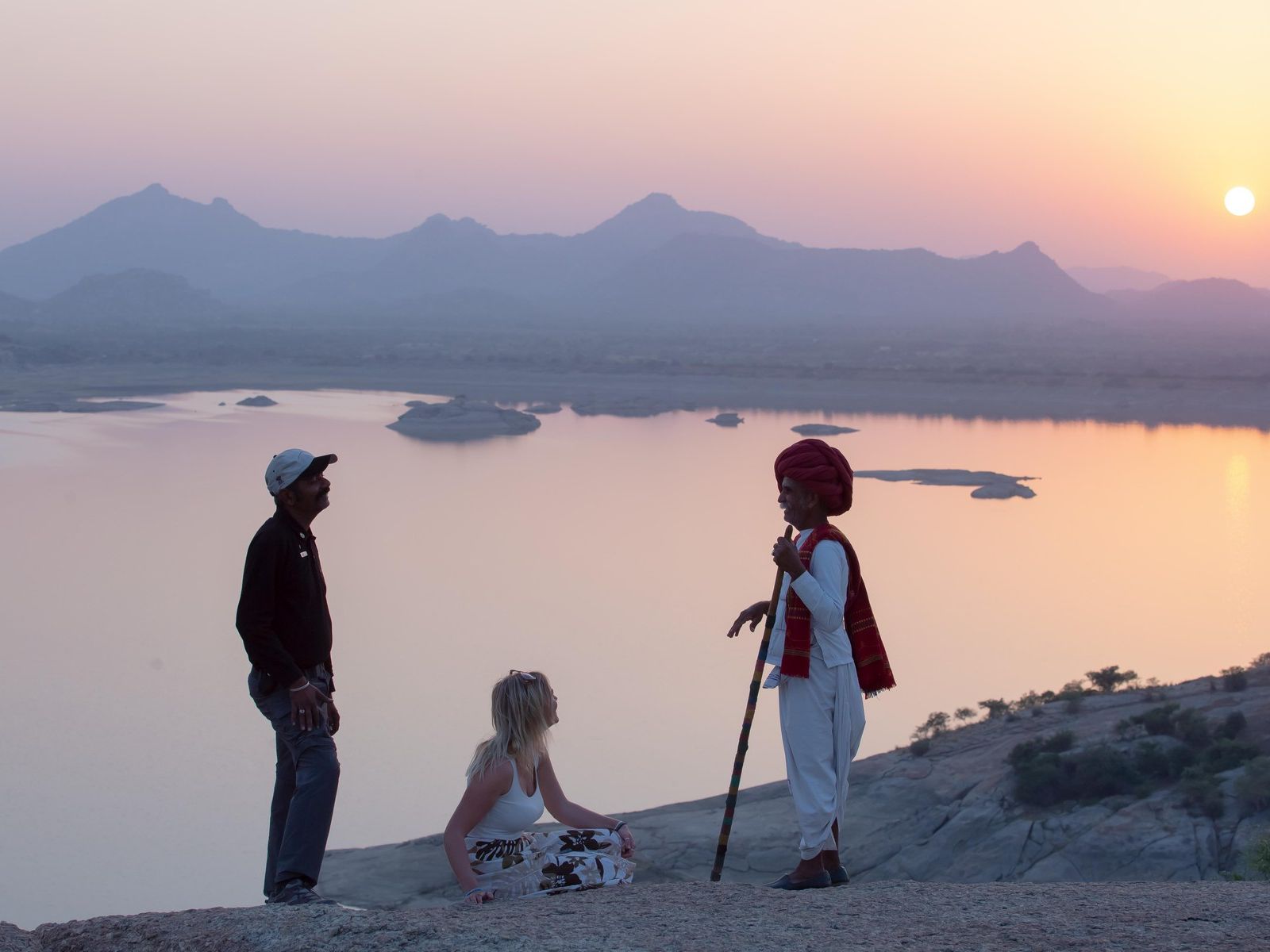
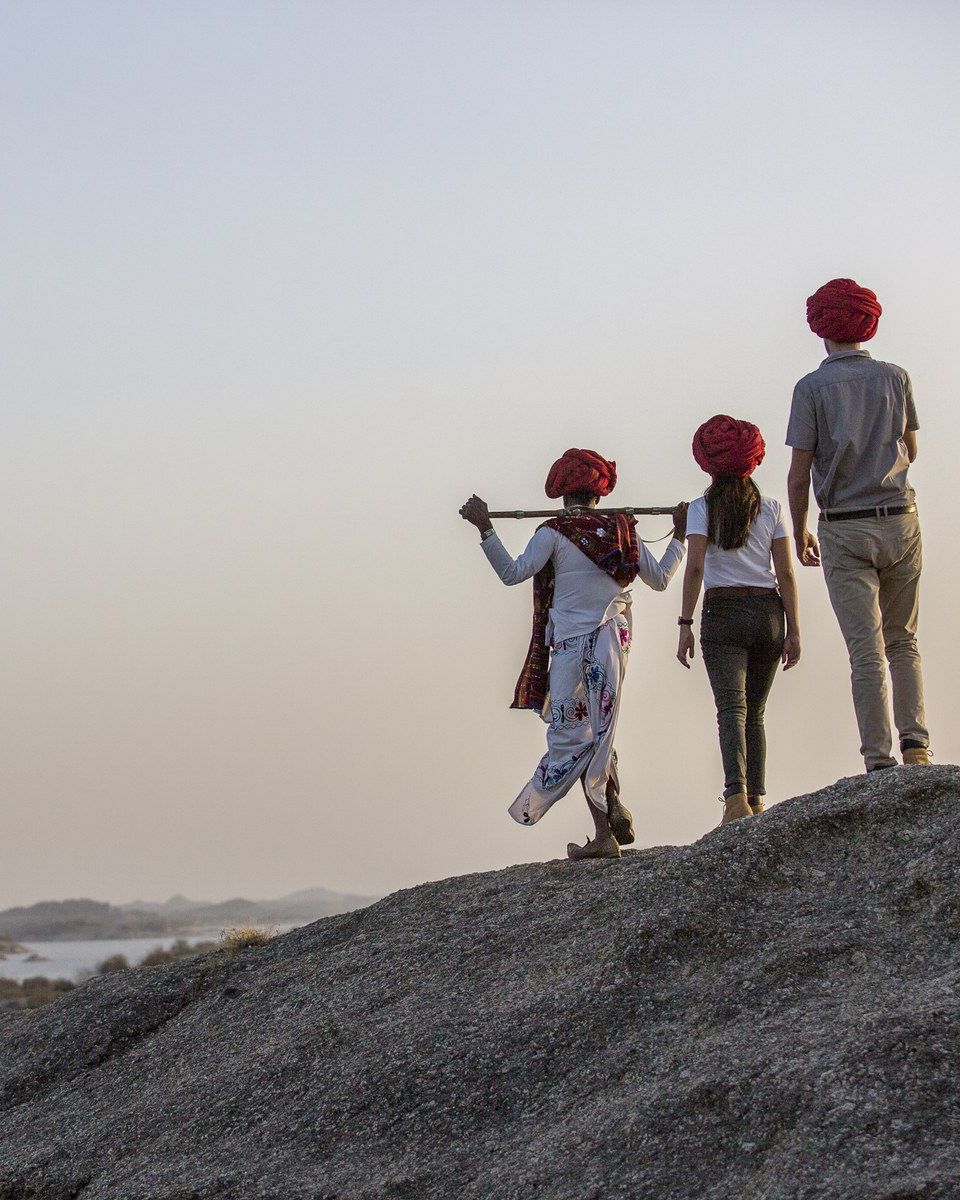
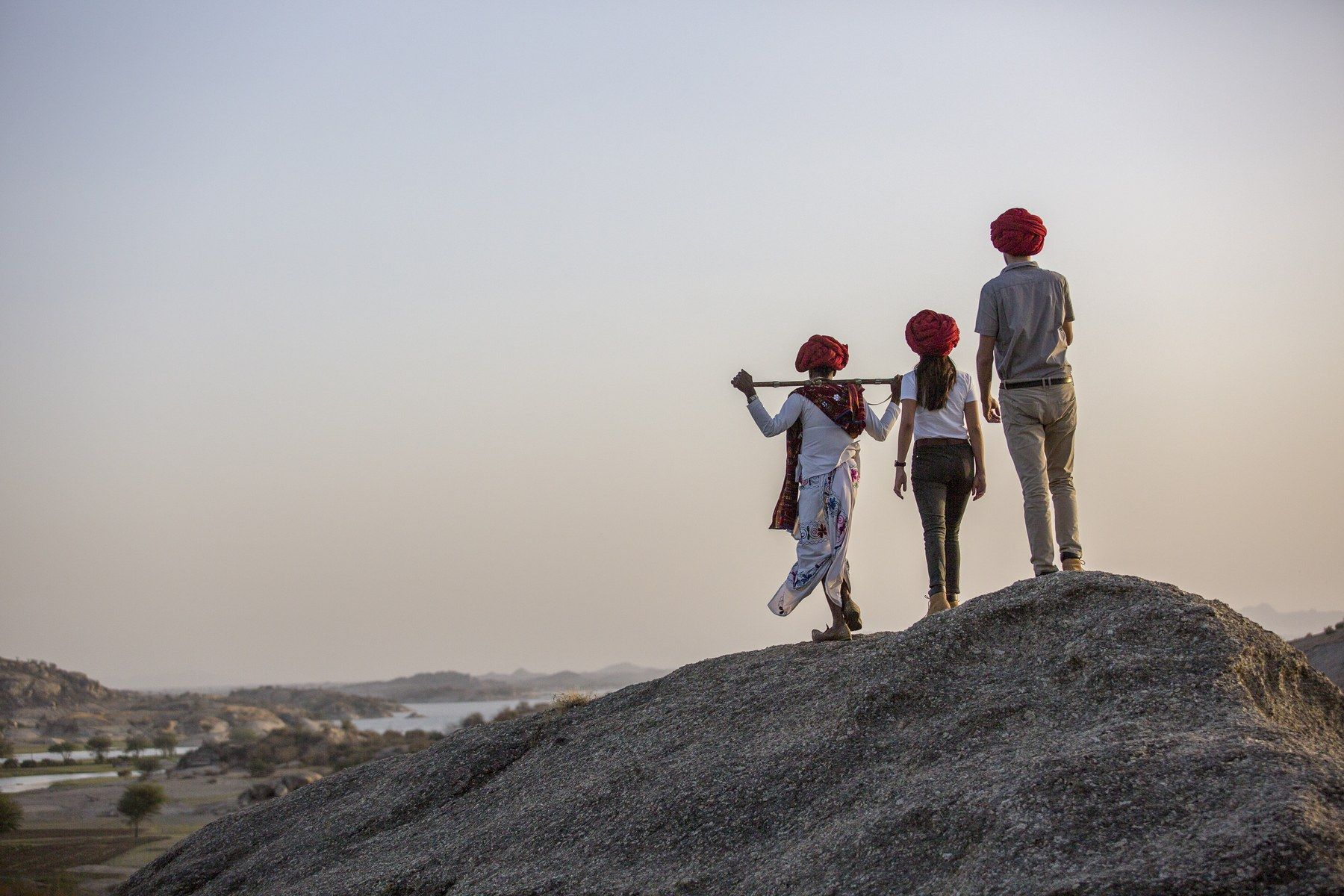
Two Rabari men and a traveller on a granite outcrop at dusk, a lake belowPhoto: SUJÁN

Home / Journeys / The Arid West

Gujarat & Rajasthan · India

The Arid West

India's Desert and Dryland Wildlife Landscape

Private journeys across the thorn forest, salt desert and grassland of Gujarat and Rajasthan: the last wild Asiatic lions, the wild ass of the Little Rann, and wildlife shaped by scarcity rather than abundance.

Begin Your Journey

This is not a diminished version of India’s forest wildlife. It is a distinct evolutionary answer to a different set of problems.

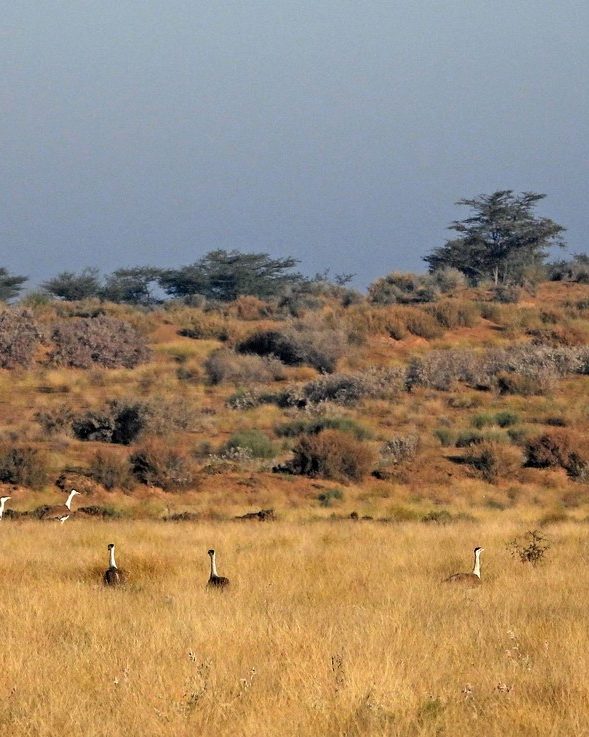
Open golden grassland and low scrub under a pale sky, a few bustards walking far offPhoto: Surya Ramchandran
For travellers who know dry-country Africa

Shaped by scarcity, not abundance

Travellers arriving in India expecting one climate, one kind of forest and one register of wildlife across the country are usually corrected fastest by the Arid West. This is the India of the Thar Desert and the Rann of Kutch, of thorn forest and open grassland baked hard by a sun that dictates everything about how the animals here have evolved to survive.

For a traveller who has safaried in East Africa’s dry-country reserves — Samburu, or the Kalahari fringe — some of this will feel intuitively familiar: wildlife concentrated hard around water, activity compressed into the cooler hours, a landscape that rewards patience and reading the ground rather than chasing movement across open plains. What will feel unfamiliar is the sheer specificity of what lives here, and why.

The landscape

Two states, one constraint

Geologically and ecologically, the Arid West spans two states with quite different characters.

Gujarat’s Saurashtra peninsula and the Rann of Kutch bring dry deciduous forest, coastal salt desert and seasonal wetland into close proximity — a landscape shaped as much by the Gulf of Kutch’s tides as by its low, unpredictable rainfall. Rajasthan’s Thar Desert, further east, is India’s true arid heartland: rolling sand dunes, sparse grassland and rocky granite outcrops, receiving less rainfall than almost anywhere else in the subcontinent.

Habitat islands

A constellation, not a corridor

It runs across Gujarat and Rajasthan in a way that resists the tidy corridor logic of somewhere like the Terai Arc — there is no single connected belt of forest here, no continuous ribbon of habitat linking one reserve to the next. Instead, the Arid West is better understood as a scattered constellation of highly specialised habitat islands, each shaped by scarcity rather than abundance, each holding species that exist nowhere else in the country, and in some cases, nowhere else on Earth.

What unites the two is not geography so much as constraint. Every species that has persisted here has done so by solving the same basic problem — how to find water, regulate body heat, and avoid competition in a landscape that simply does not produce the biomass a denser forest can.

Encounters

The wildlife of the Arid West

That constraint has produced some of India’s most singular wildlife: a lion population found nowhere else on the planet, a wild ass subspecies restricted to a single salt desert, and grassland specialists so acutely tied to this exact habitat type that their populations track its disappearance with unsettling precision.

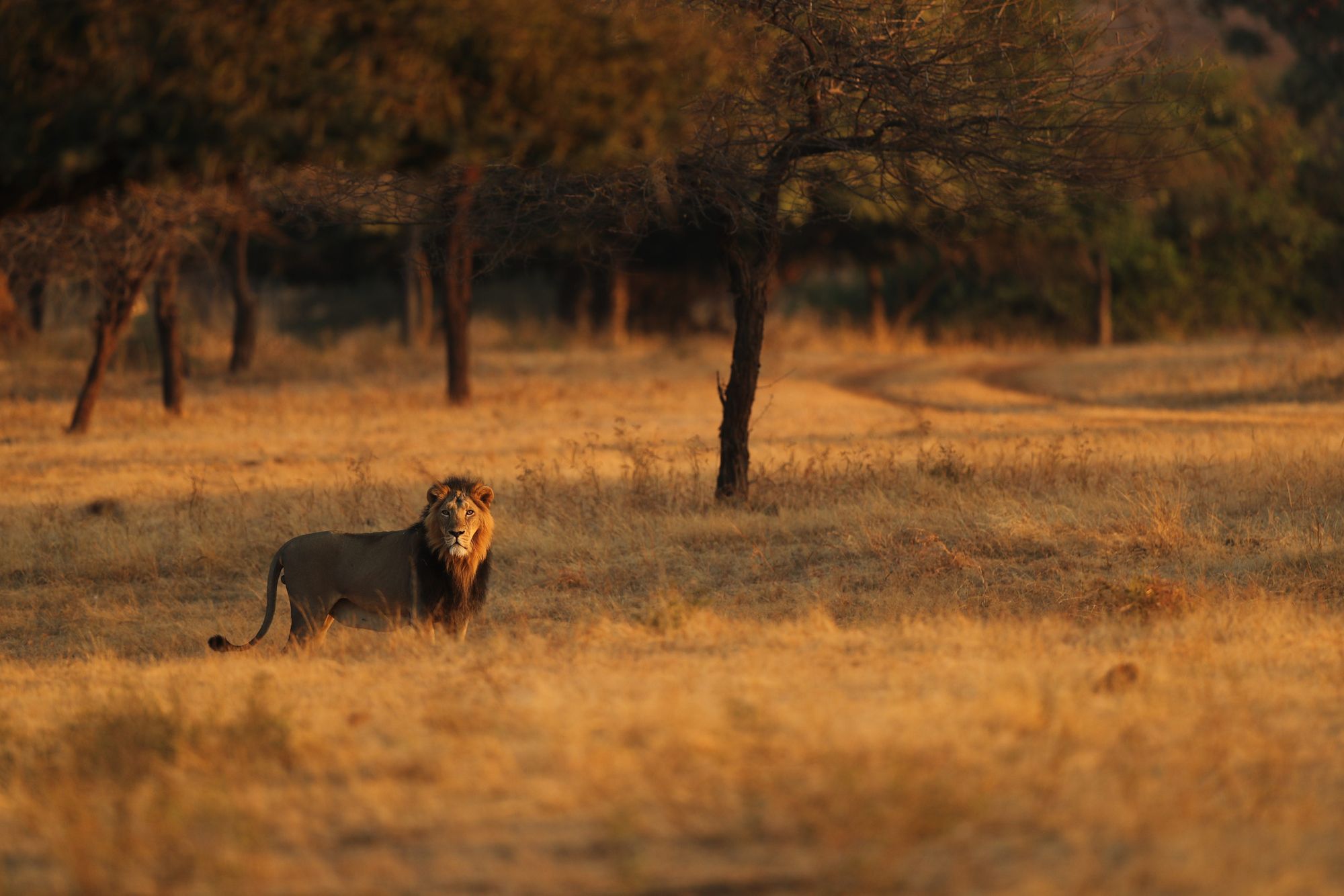
An Asiatic lion walking through golden dry grassPhoto: Aramness
Asiatic lion · Gir

A single surviving pocket

Gir National Park and its surrounding sanctuary network hold the only wild population of the Asiatic lion left anywhere on Earth. By the early twentieth century, hunting and habitat loss had erased the species from its entire historical range — once stretching from Greece through Persia and into northwestern India — leaving a single surviving pocket in this dry, thorny forest in Saurashtra.

From perhaps twenty individuals in 1913, the population has recovered to several hundred today, a recovery built substantially on an unusual working relationship between the Forest Department and the Maldhari pastoralist communities who share this landscape with the lions, often grazing cattle within a few hundred metres of a pride.

Watching a lion here is watching a conservation story that had, for most of the last century, only one possible ending, and did not arrive at it easily.
Indian wild ass · khur

Built for an almost featureless landscape

The Little Rann of Kutch tells a different story of restriction. This vast seasonal salt desert — flooded shallow in monsoon, cracked and white for the rest of the year — is the last home of the Indian wild ass, or khur, a subspecies found nowhere else in the world. Watching a herd move across the Rann’s shimmering, mirage-distorted flats, kicking up a fine white dust that hangs in the heat, is watching an animal whose entire evolutionary strategy has been built around this one, extreme, almost featureless landscape.

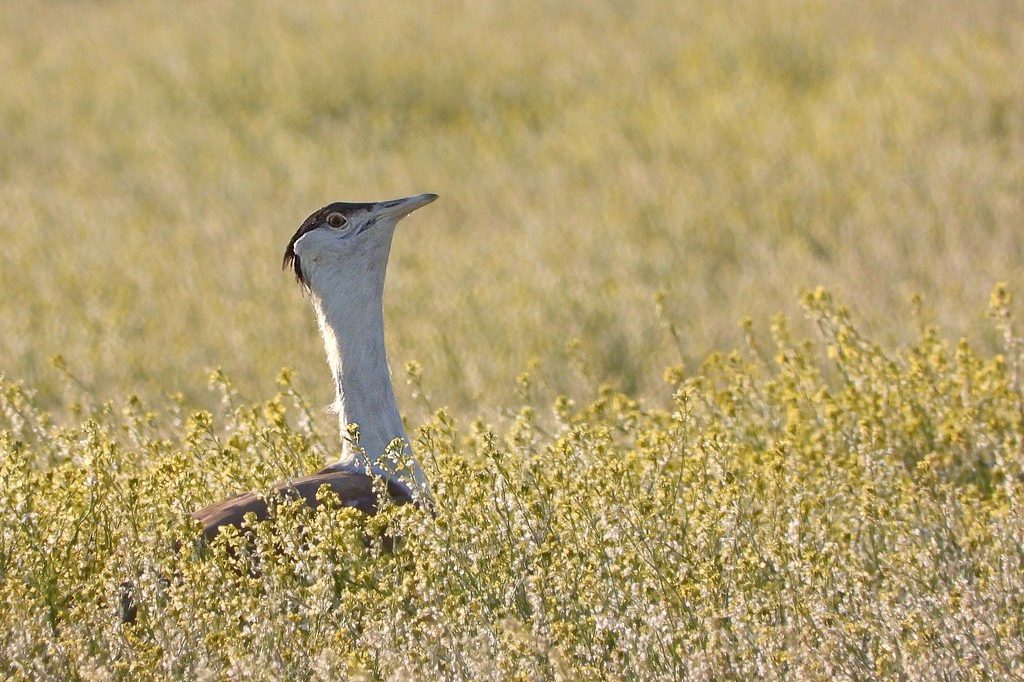
A great Indian bustard standing tall in pale, flowering grasslandPhoto: Surya Ramchandran
Great Indian bustard

A sighting that is never routine

The same salt desert holds one of India’s last strongholds of the great Indian bustard — among the heaviest flying birds on Earth, and now critically endangered, with a global population numbering only in the low hundreds. Fewer than half a dozen females are thought to remain in the Kutch population specifically, a statistic that makes any sighting here a genuinely significant wildlife encounter rather than a routine one.

Blackbuck · Indian wolf

Hunters of the open ground

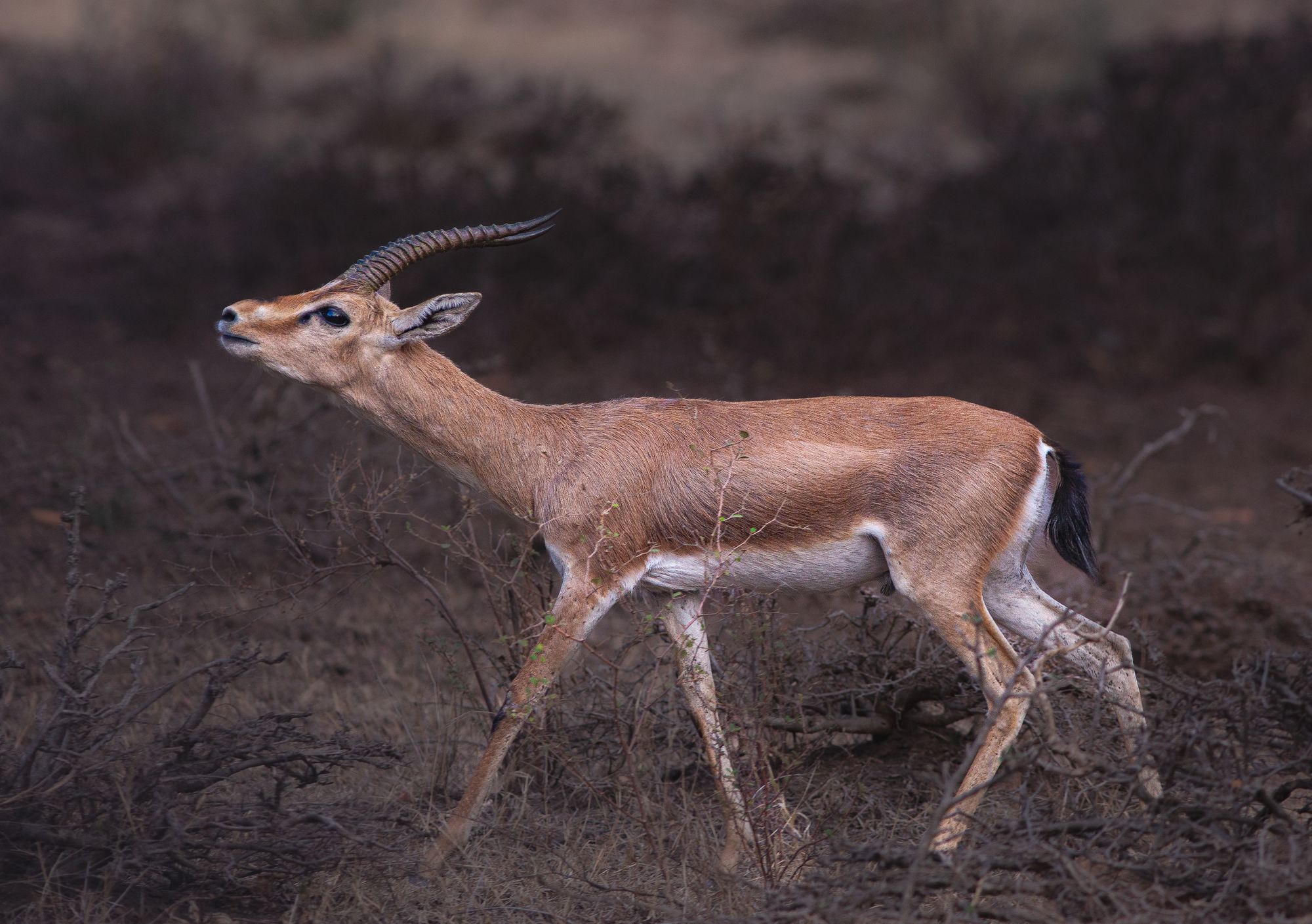
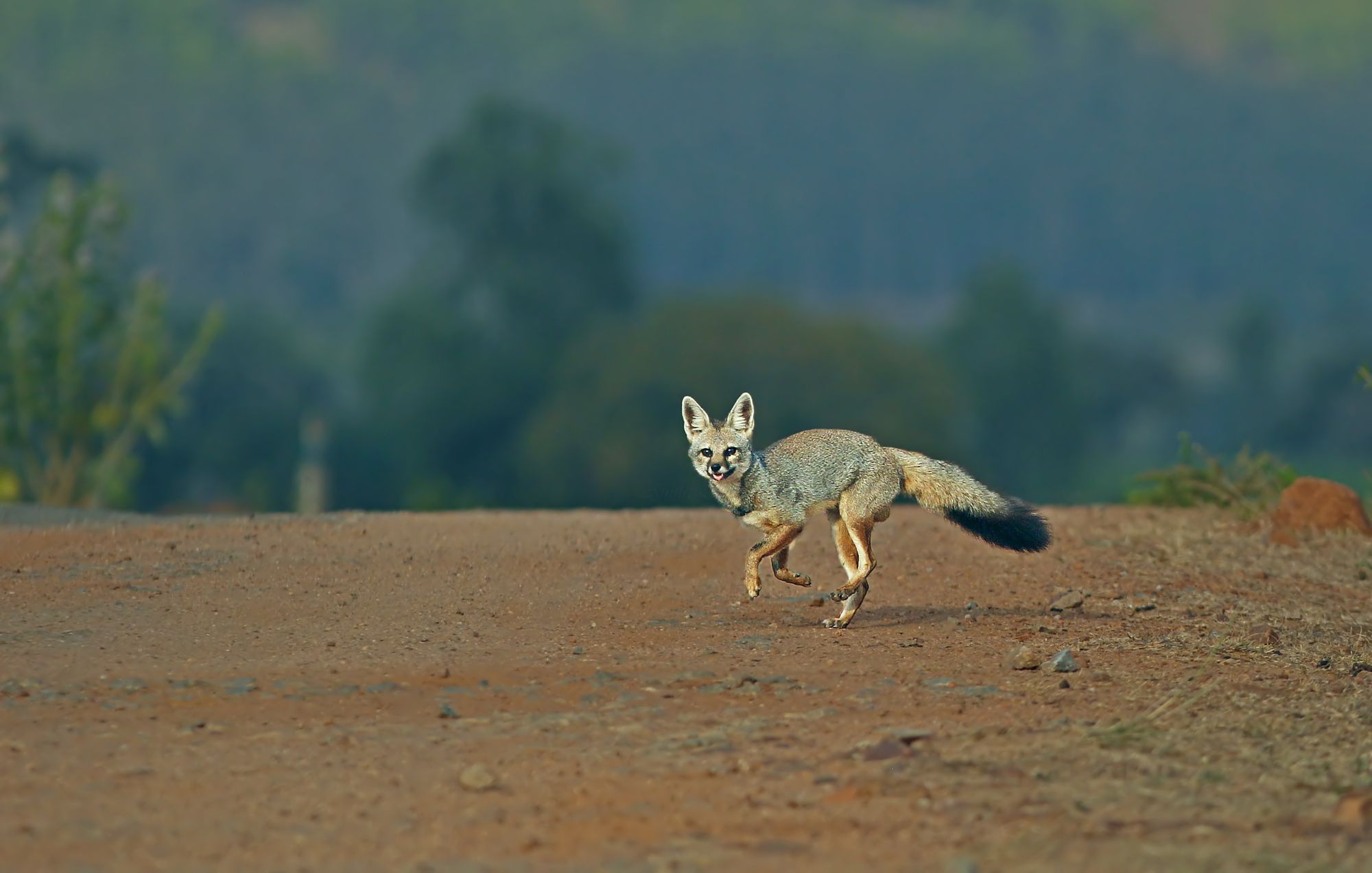
Velavadar National Park, a small grassland reserve on the Gulf of Khambhat, protects one of India’s last substantial expanses of natural grassland — a habitat type more thoroughly lost to agriculture across India than almost any forest type. Here, herds of blackbuck, India’s fastest antelope, move across open ground beneath a genuinely wild population of Indian wolves, one of the more reliable places in the country to watch a wolf pack work open terrain in something close to their natural hunting behaviour.

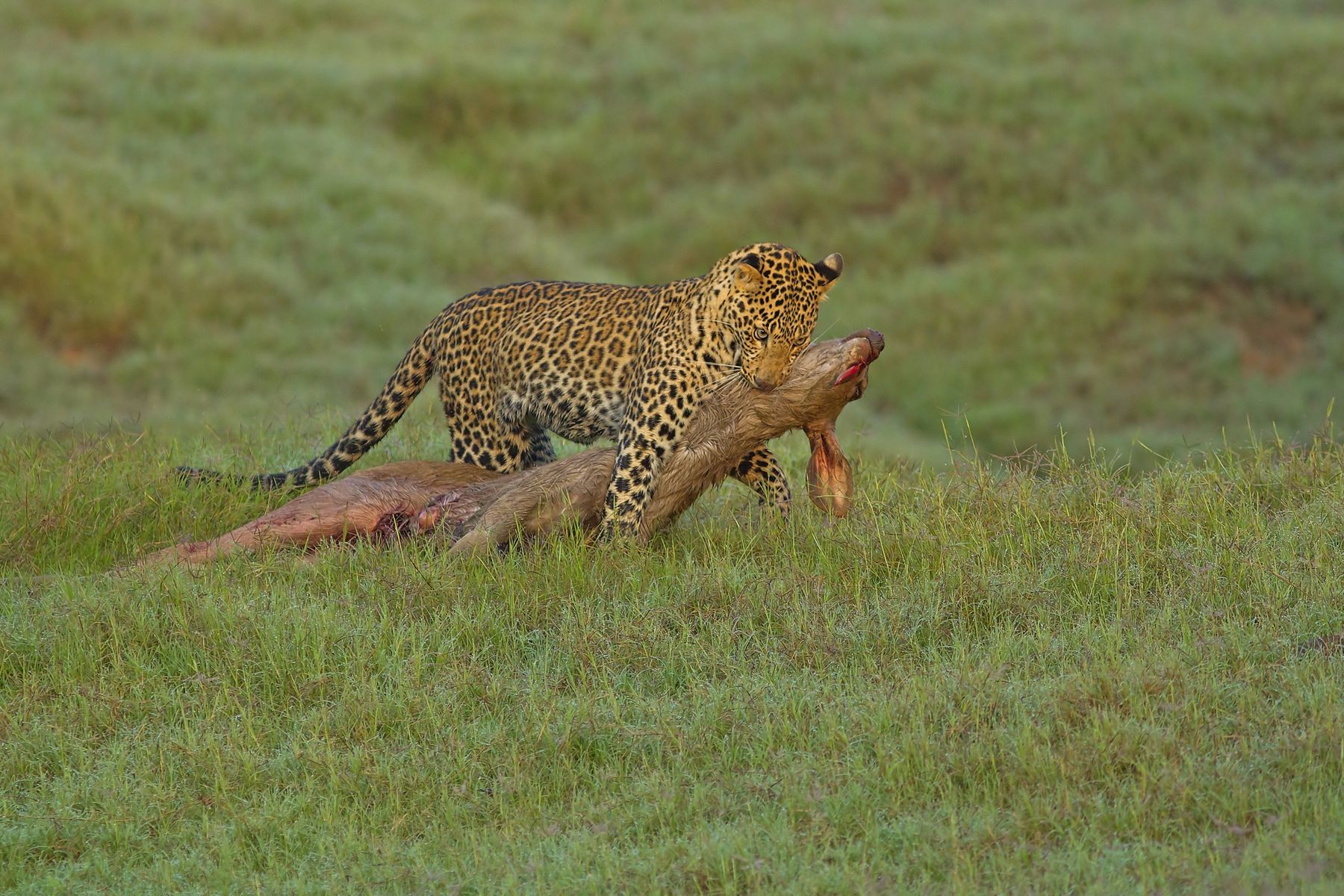
Jawai's leopards

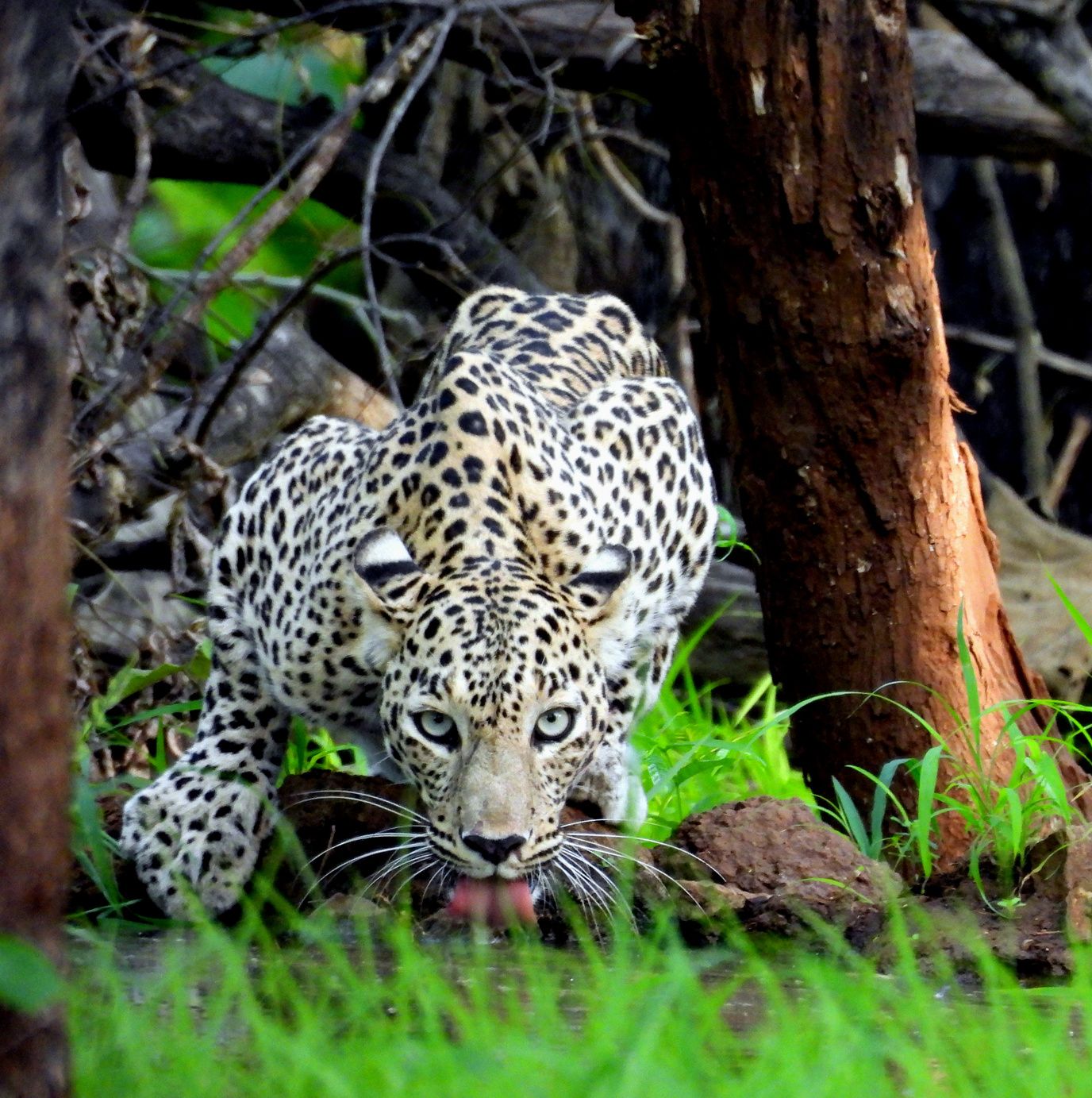
Further into Rajasthan’s Thar, Jawai’s granite hills and scattered water bodies host one of India’s more unusual leopard populations — cats that have adapted to living not within a forest canopy, but among exposed rock kopjes and village-adjacent scrub, frequently within sight of local Rabari herding communities who have coexisted with these leopards for generations without the conflict a Western observer might expect.

A leopard on a log in green grass
Birdlife

The Birdlife of the Arid West

If the mammals of the Arid West tell a story of specialisation, its birdlife tells a story of scale and migration.

Experiences

Ways to experience the Arid West

The case for the Arid West

What sets the Arid West apart

The last wild Asiatic lions

Gir and its sanctuaries hold the only wild population of the Asiatic lion left anywhere on Earth.

A wild ass found nowhere else

The khur, a subspecies of Indian wild ass, lives only in the Little Rann's seasonal salt desert.

Specialists, not a lesser forest

Not a diminished version of India's forest wildlife, but a distinct evolutionary answer to scarcity.

Familiar, then unfamiliar

Wildlife concentrated around water and activity in the cooler hours will feel familiar from Africa's dry country; what lives here will not.

Wildlife beside people

Lions grazed alongside by Maldhari cattle, leopards within sight of Rabari herders, cranes fed by a Jain village.

Sequence is everything

Scattered reserves across two states make the route between them as important as the reserves themselves.

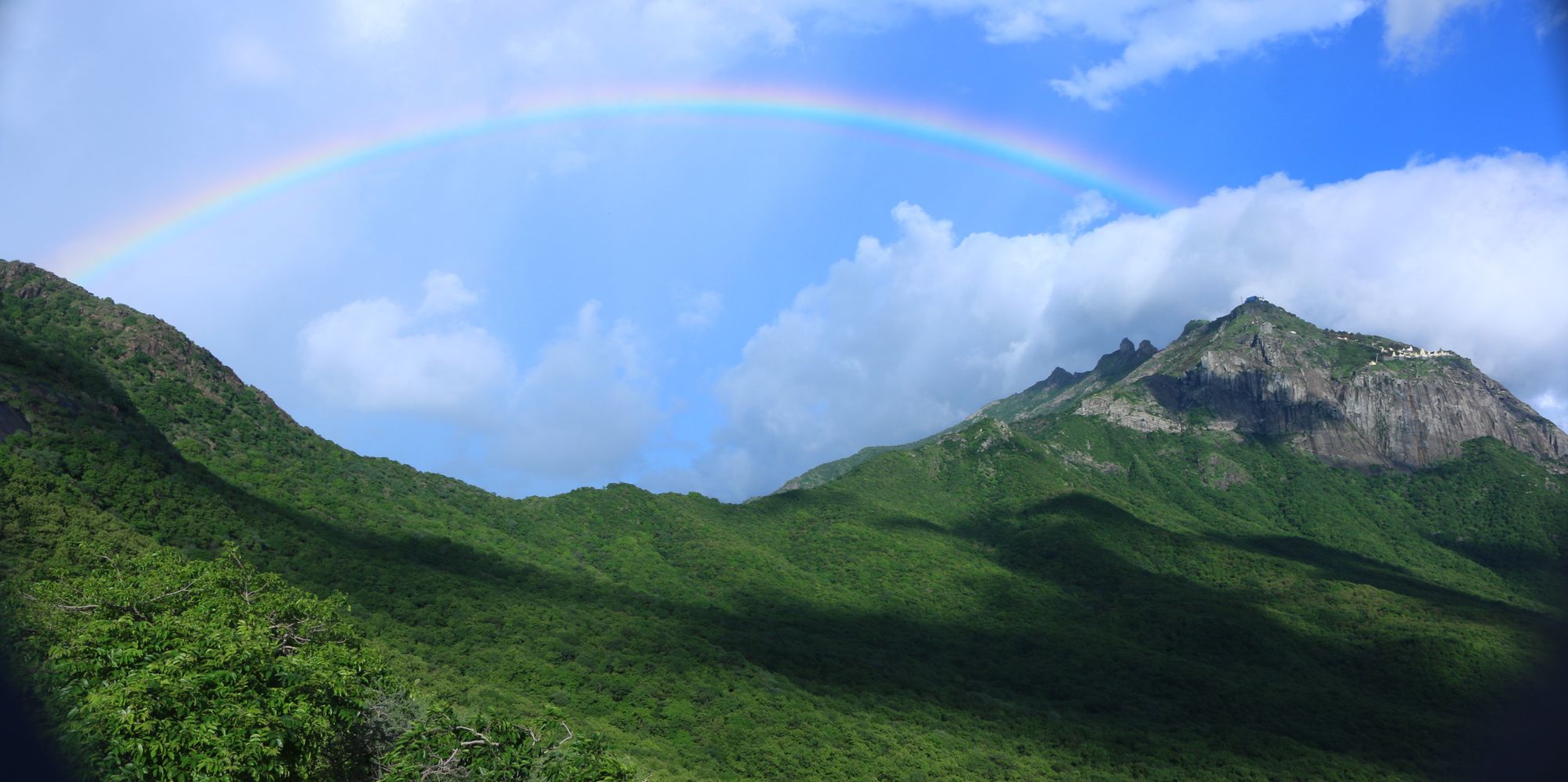
Green hills under a rainbowPhoto: Aramness
Heritage along the way

Temples, tombs and the Saurashtra table

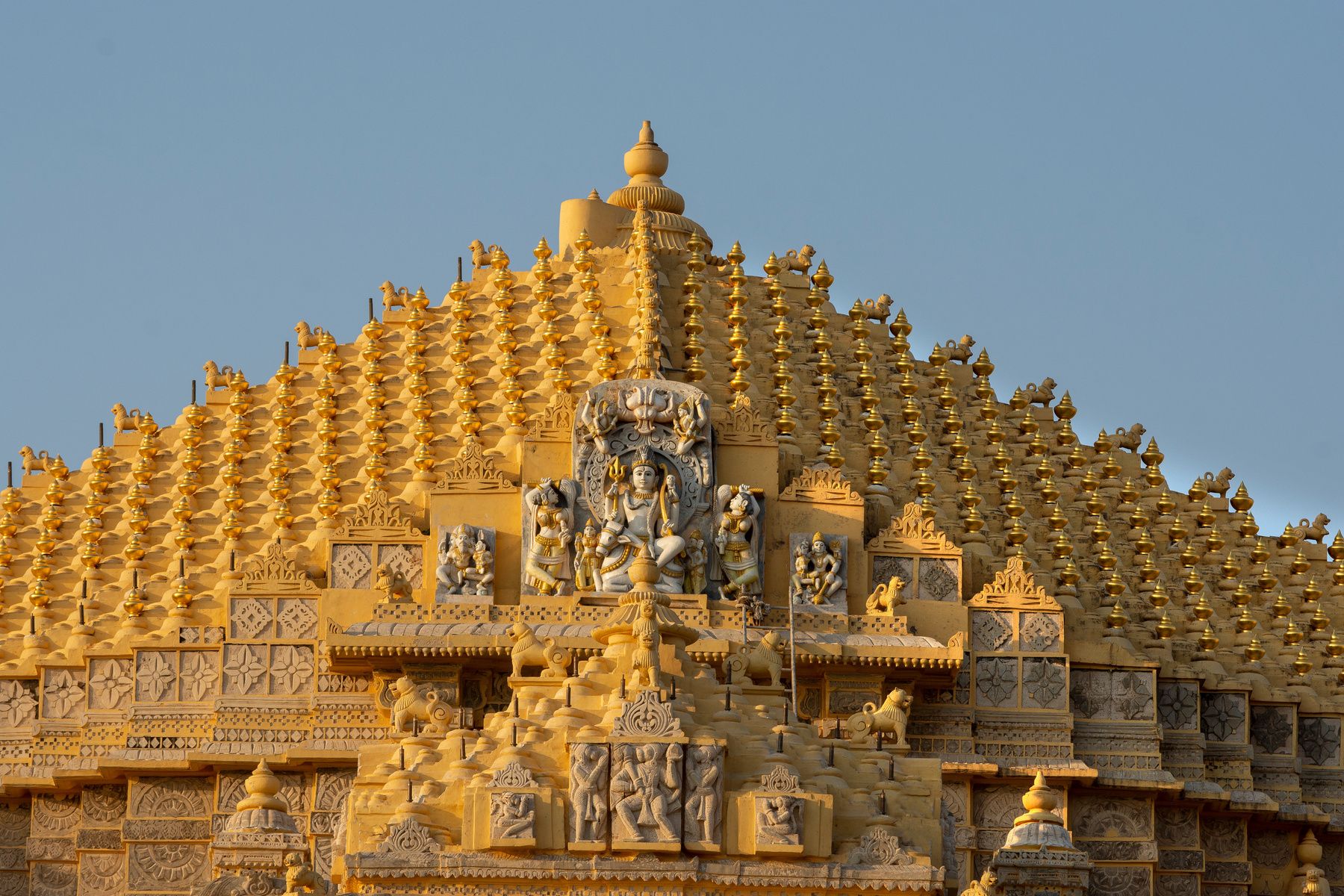
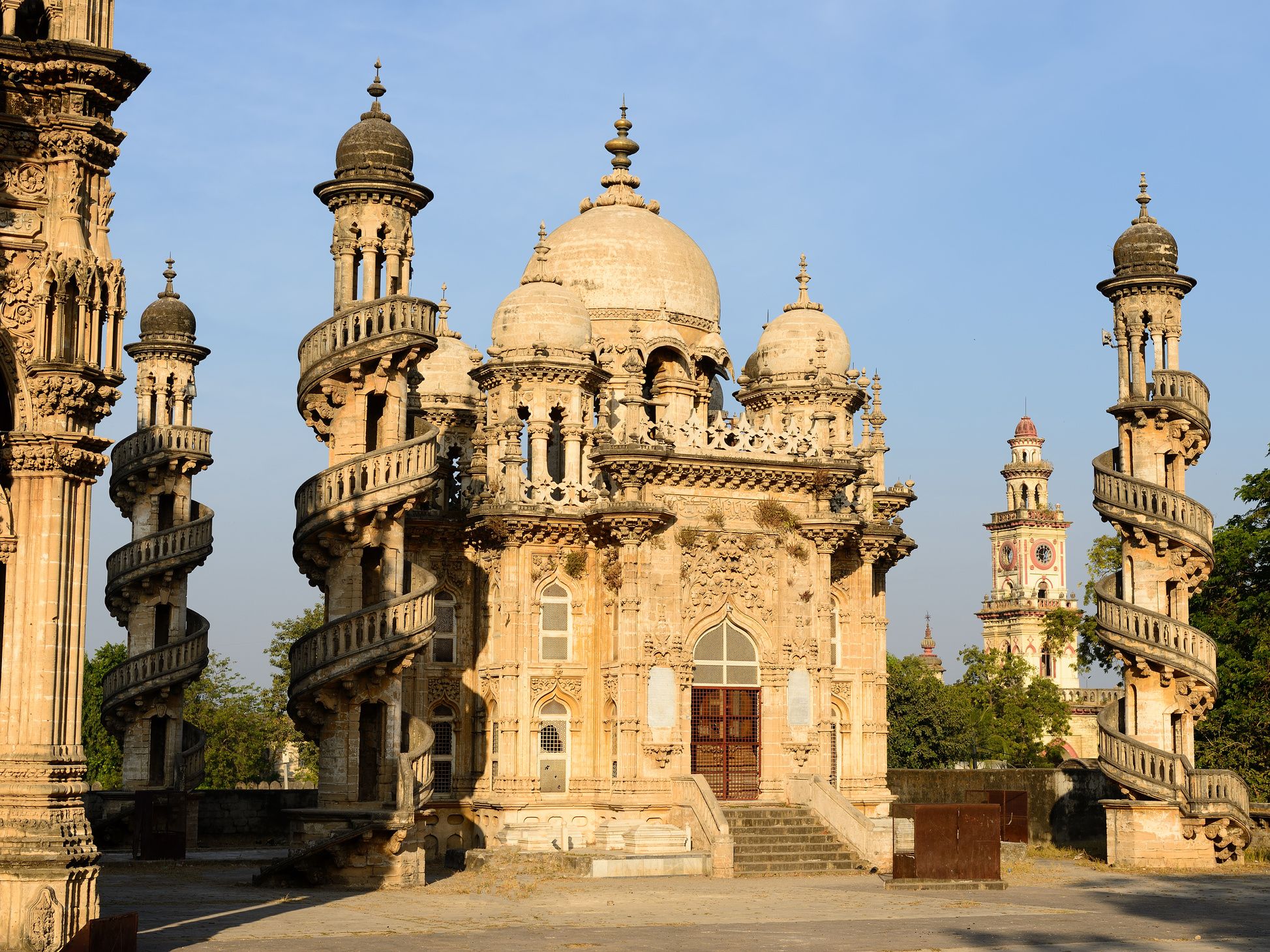
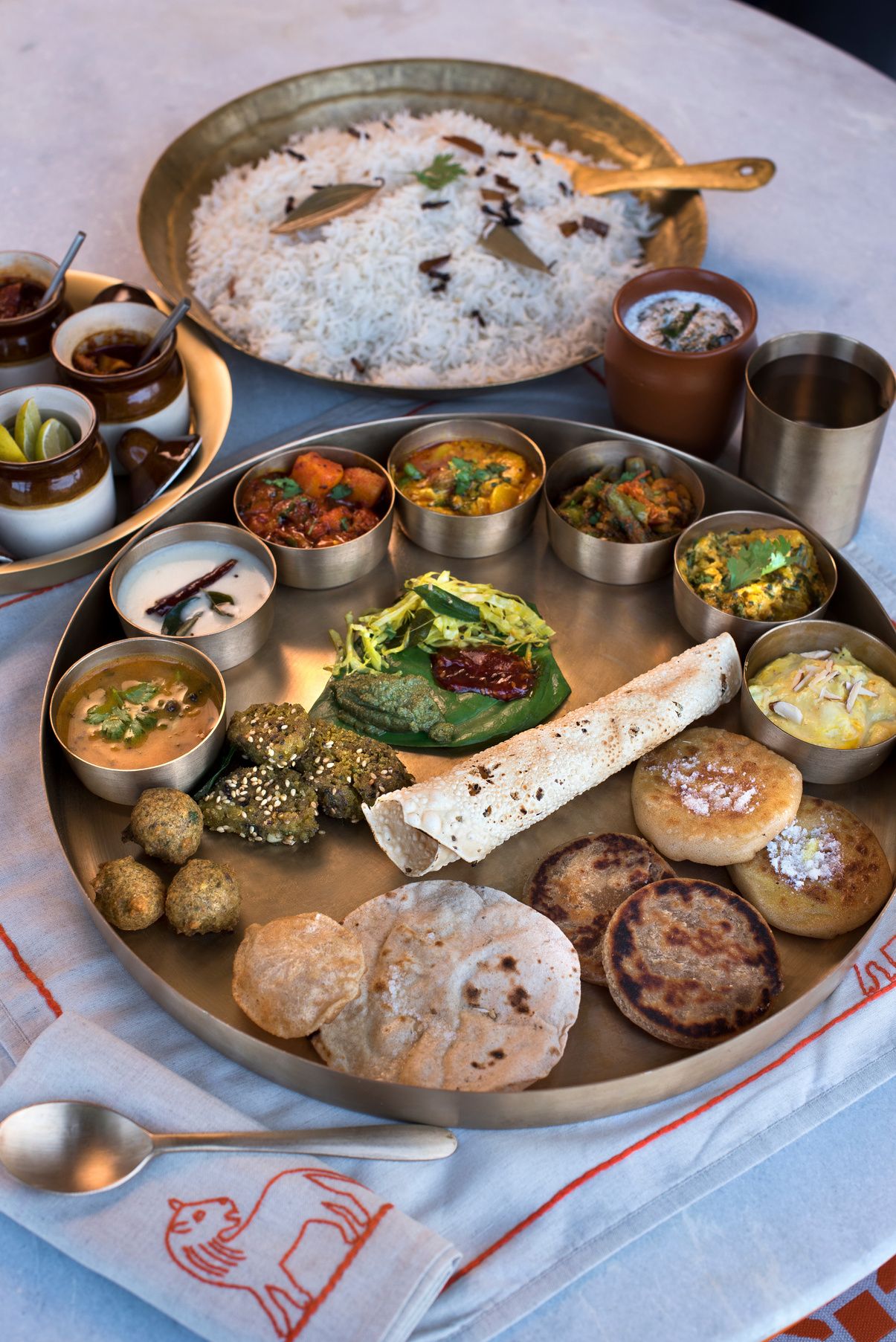
Gir sits in the heart of Saurashtra, within reach of the shore temple at Somnath, the Nawabi architecture of Junagadh and the sacred hills of Girnar — and of a regional kitchen worth travelling for on its own.

People and place

Life around the wilderness

Its desert geography and cultural texture — Rabari and Maldhari pastoralist communities, Jain conservation tradition at Khichan — also make it a natural fit for travellers combining wildlife with Rajasthan’s broader heritage circuit of forts, palaces and cities.

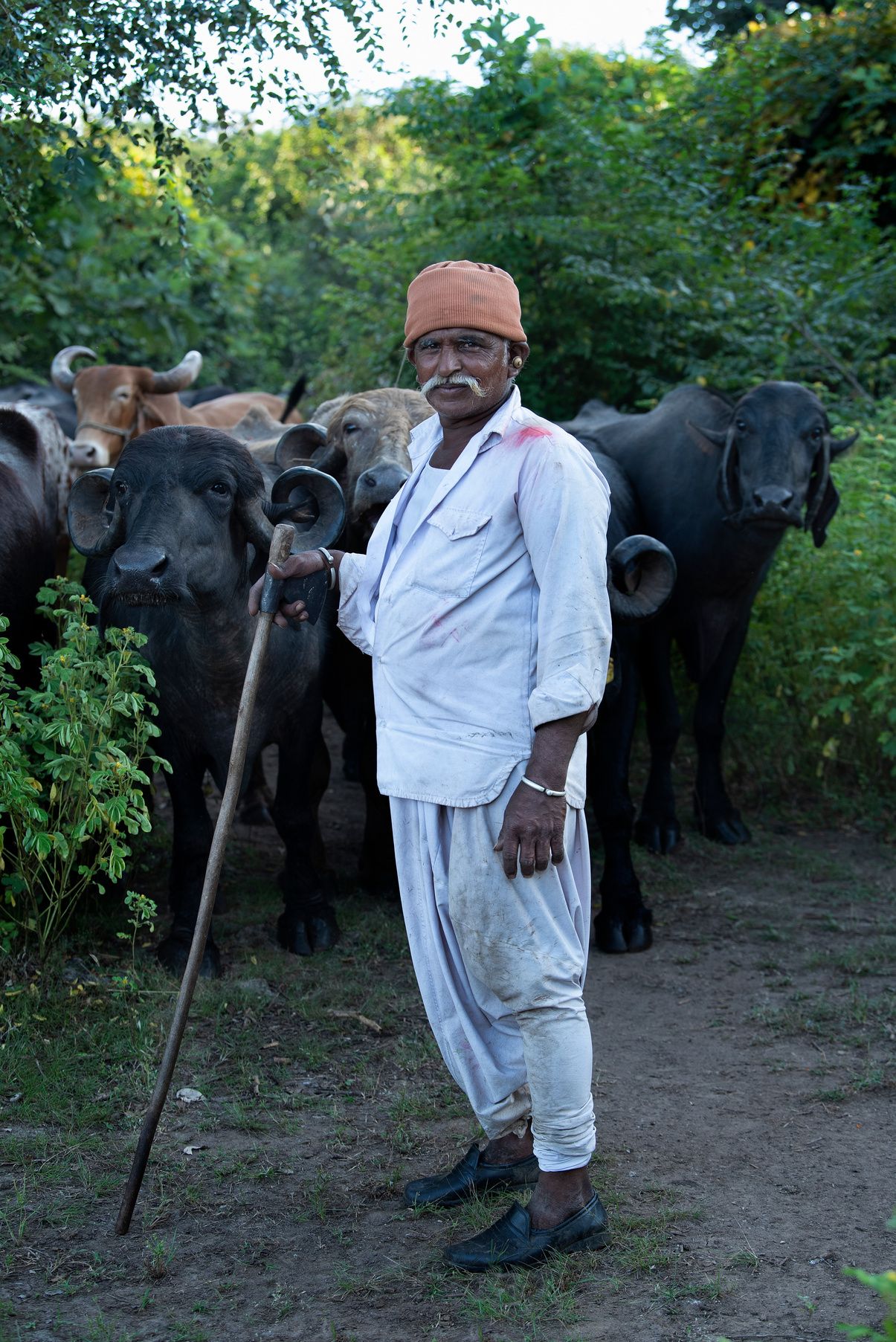
A Maldhari herder in white with his buffalo at the forest edgePhoto: Aramness
MaldhariMaldhari pastoralists share Gir with its lions, often grazing cattle within a few hundred metres of a pride; their working relationship with the Forest Department underpins the lions' recovery.
Two Rabari men in red turbans standing with a traveller on a granite outcrop at duskPhoto: SUJÁN
RabariAround Jawai, Rabari herding communities have lived alongside leopards for generations without the conflict a Western observer might expect.
KhichanA small Jain community's practice of feeding grain to passing demoiselle cranes has grown into a wintering congregation of thousands.
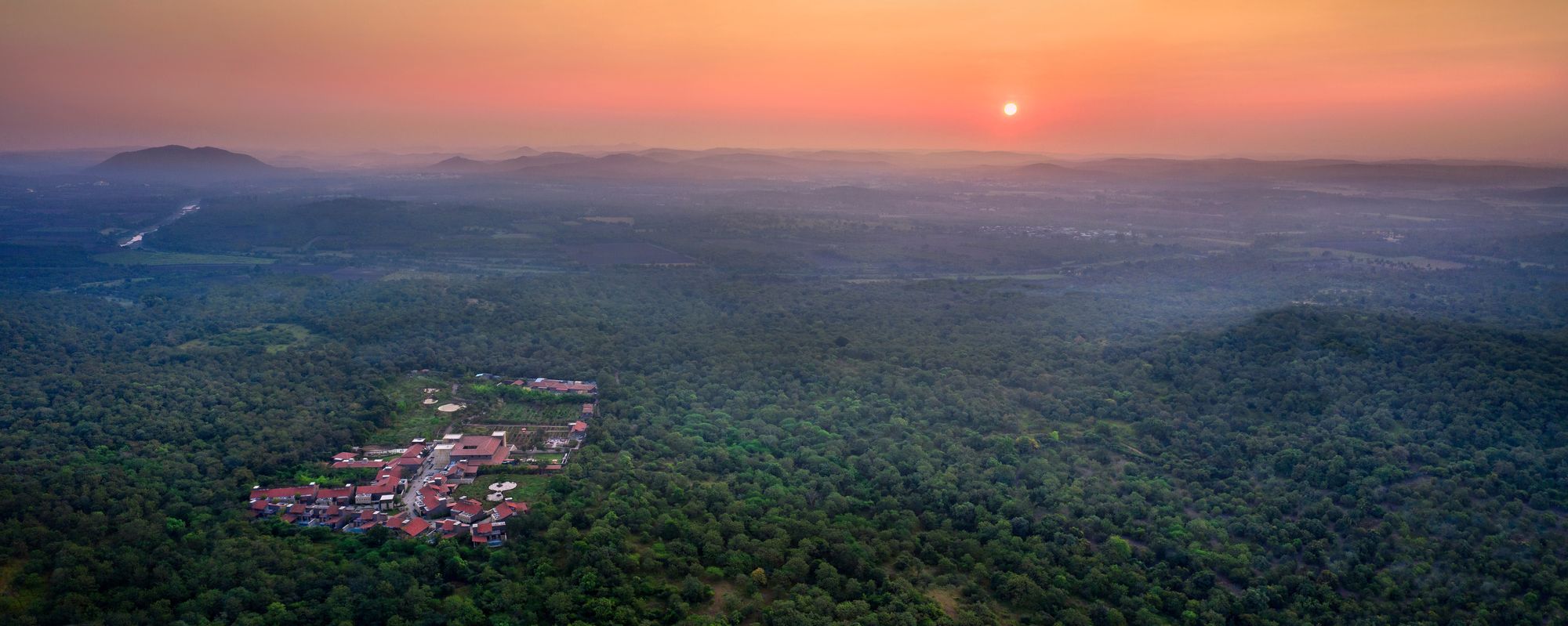
Forested hills seen from the air at sunsetPhoto: Aramness
Conservation

Conservation is part of the journey

The Arid West holds some of the starkest single-species conservation stakes anywhere in Indian wildlife travel.

The Asiatic lion's entire wild population exists within this one landscape — a single disease outbreak, wildfire or extreme monsoon event could threaten the species in its entirety, a vulnerability no other big cat on Earth currently faces at this scale.

The great Indian bustard's decline, driven substantially by collision with power transmission lines across its open-country range, has made it one of the most acute bird conservation emergencies in Asia, with fewer than a few hundred individuals remaining across the entire species.

Choosing to travel into these landscapes, through operators who direct revenue and attention toward their protection, is a direct, practical form of support for populations this narrowly balanced.

How Safari Vista India supports conservation
Gujarat & Rajasthan

The Reserves of the Arid West

Arid West
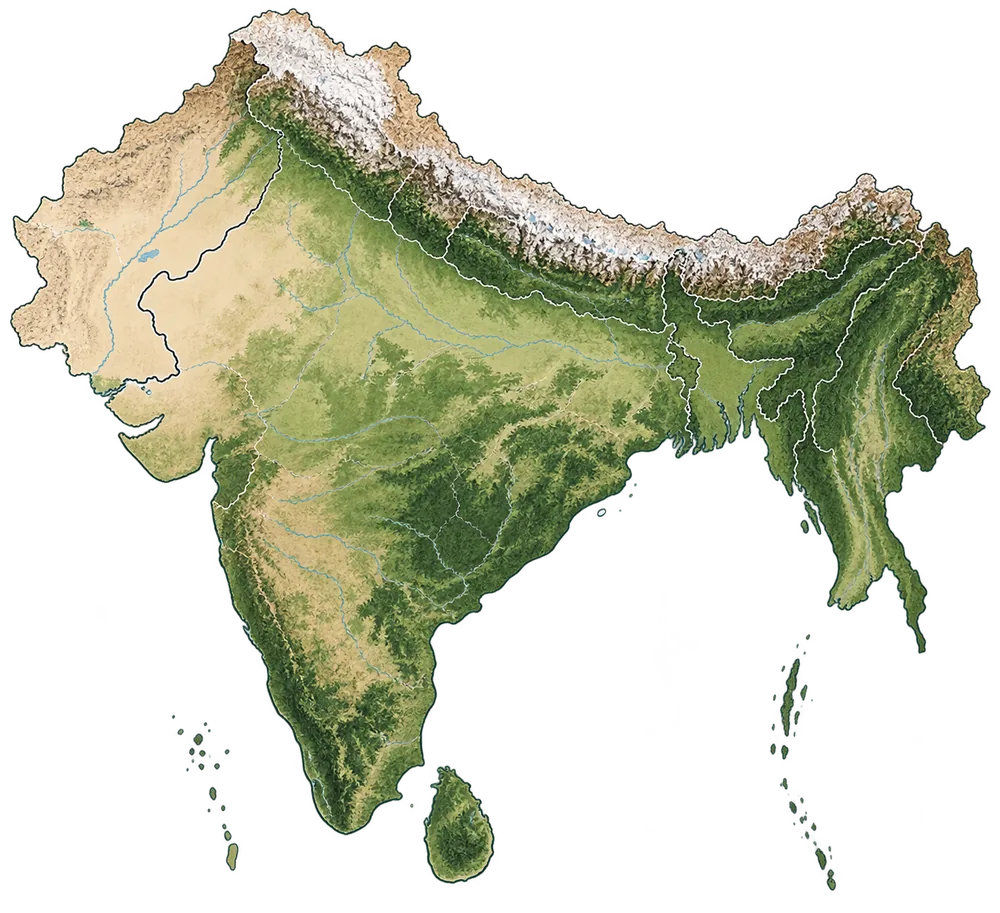
Where the Arid West lies in the Indian subcontinent. Indicative, not to scale.
Journey design

The Arid West rarely stands alone

The Arid West sits naturally at the western end of a broader Rajasthan-Gujarat itinerary, and pairs well with the Central Indian Forests for travellers who want both this region’s dry-country specialists and the classic sal-and-teak tiger landscapes of Kanha, Bandhavgarh or Pench in a single extended journey.

The Safari Vista India Way

The Vista Standard

A journey through the Arid West depends, more than almost any other landscape in this collection, on a ground team that understands which reserve rewards which interest, and how to move a traveller efficiently between two states and several genuinely different ecosystems without the trip feeling like a checklist.

That is built the same way every Safari Vista India journey is built: one vehicle, yours alone; a naturalist who understands this landscape’s specific, sometimes unforgiving logic; no fixed departures forcing your travel around someone else’s calendar; and one person responsible for the entire arc of the journey, from the first conversation to the last morning watching a wild ass herd move across the Rann at dawn.

One vehicle. Yours alone.

For the full length of the journey, with no shared seats.

A naturalist, not a driver-guide.

Someone who has spent years reading this landscape, and teaches you to read it too.

No fixed departures.

You travel when the season and your own calendar suit.

Specialist ground handling.

Routes, permits and the long drives between Gujarat and Rajasthan sequenced so the journey never feels like a checklist.

Conservation, included.

Part of how the journey is designed from the outset, not an add-on at checkout.

One point of contact, throughout.

One person from the first conversation to the last morning in the field.

Where the day ends

Nights under open skies

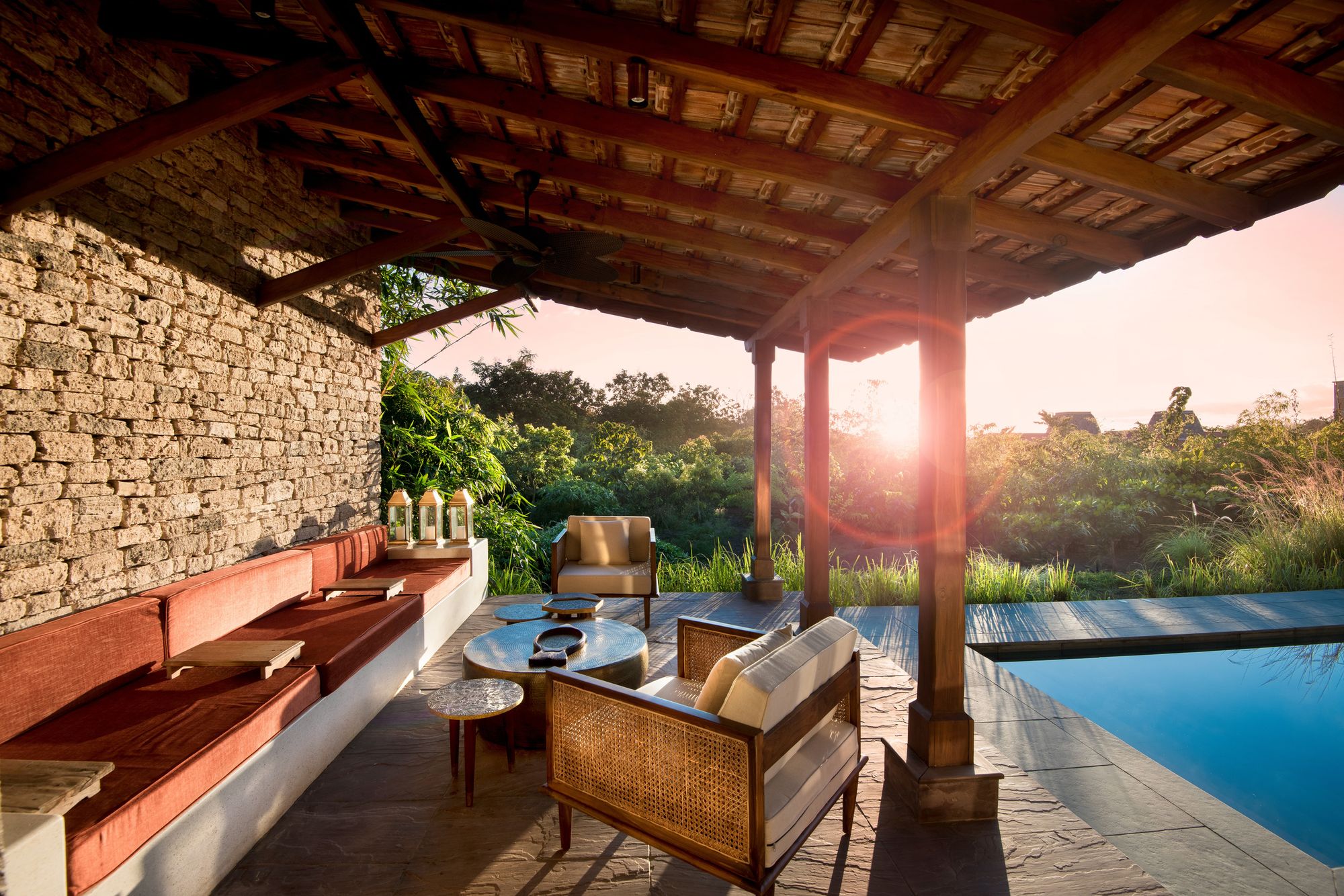
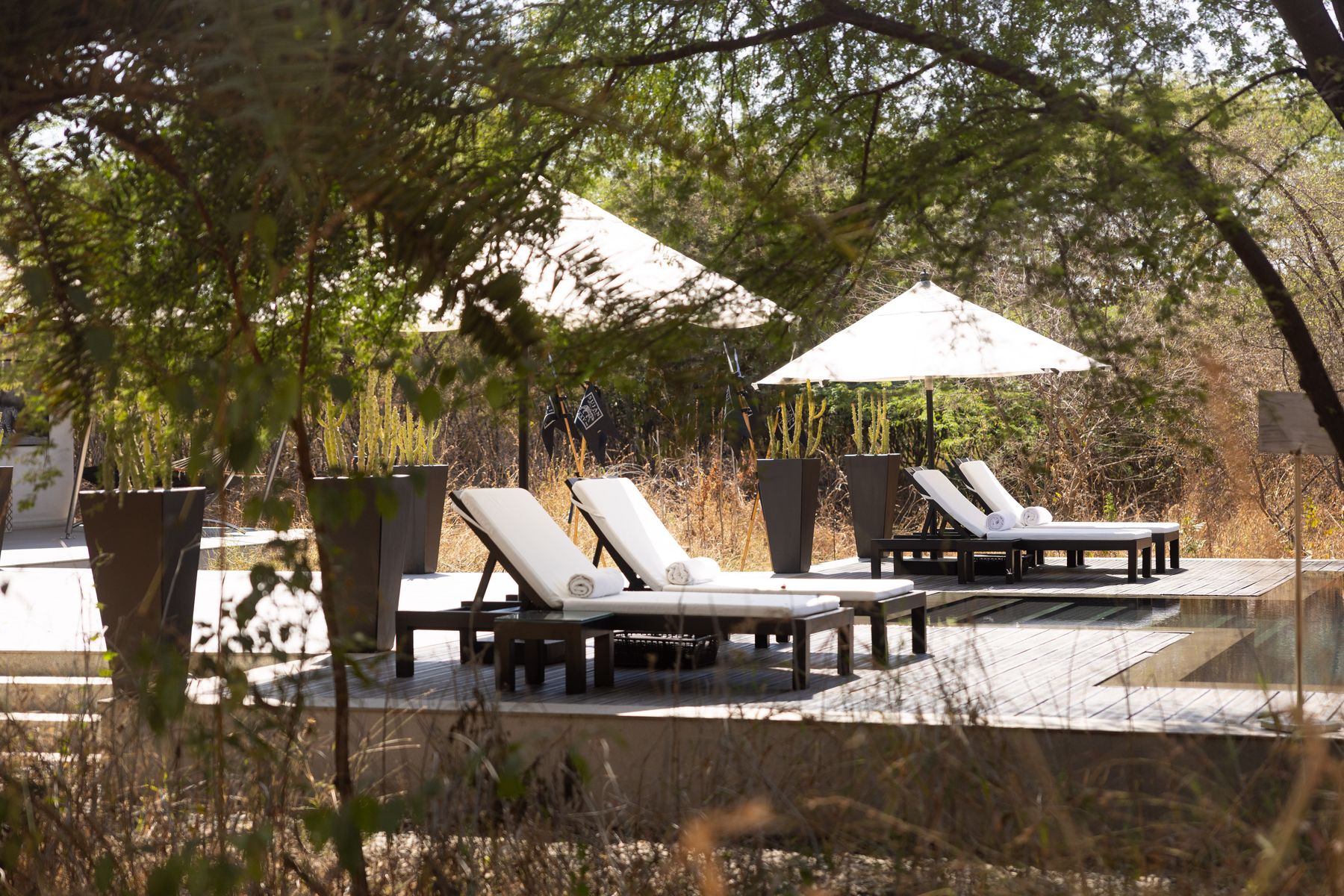
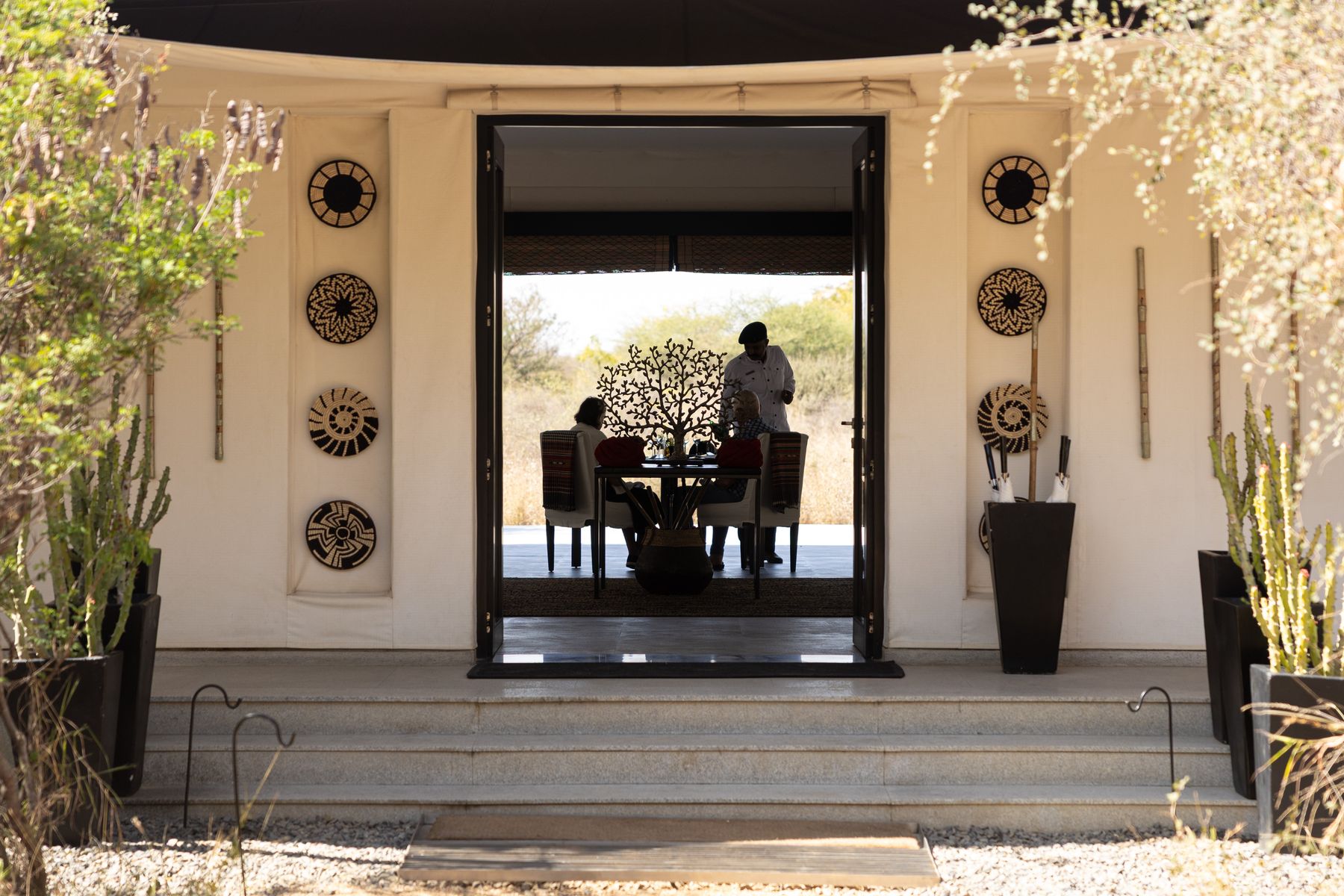
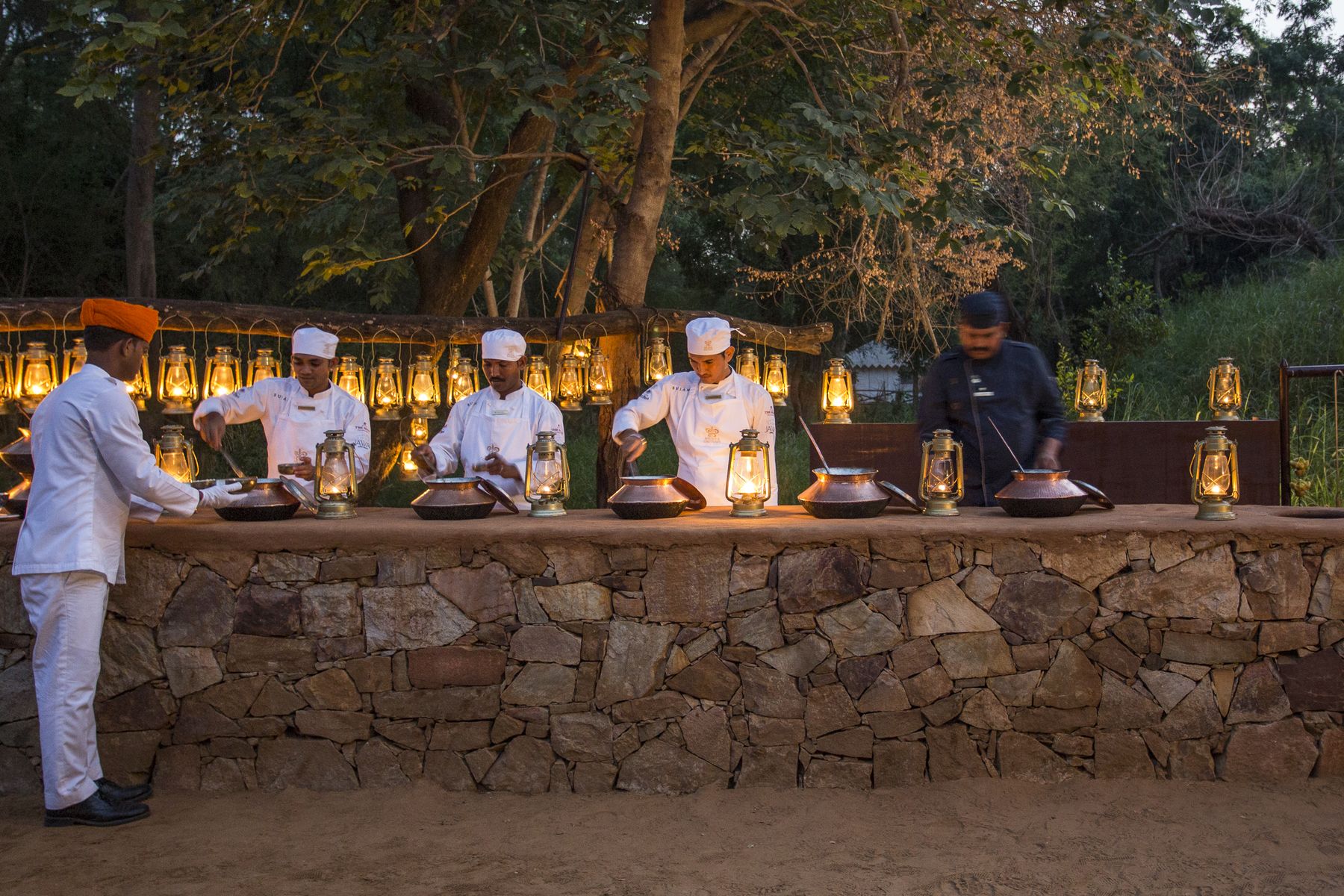
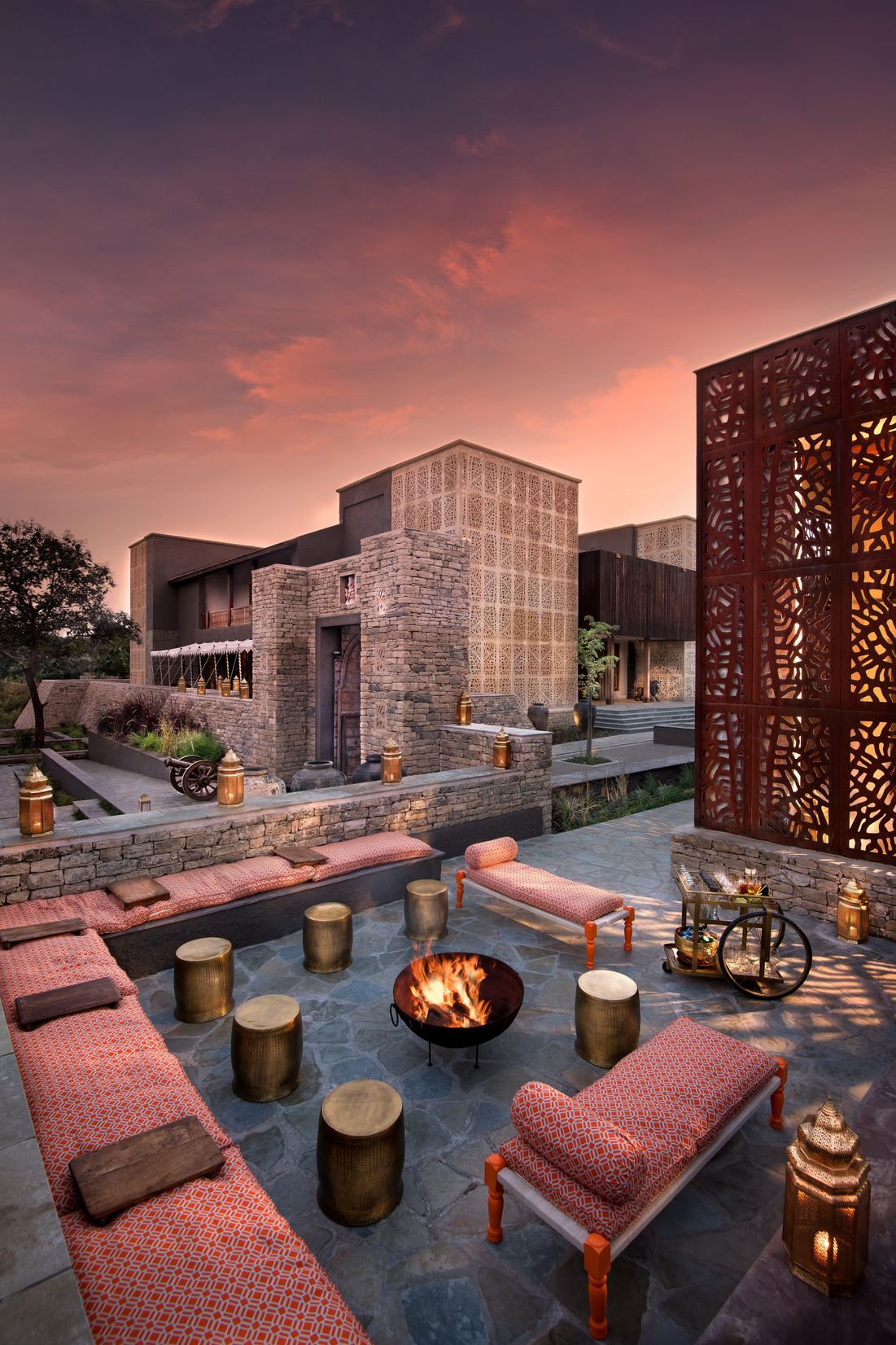
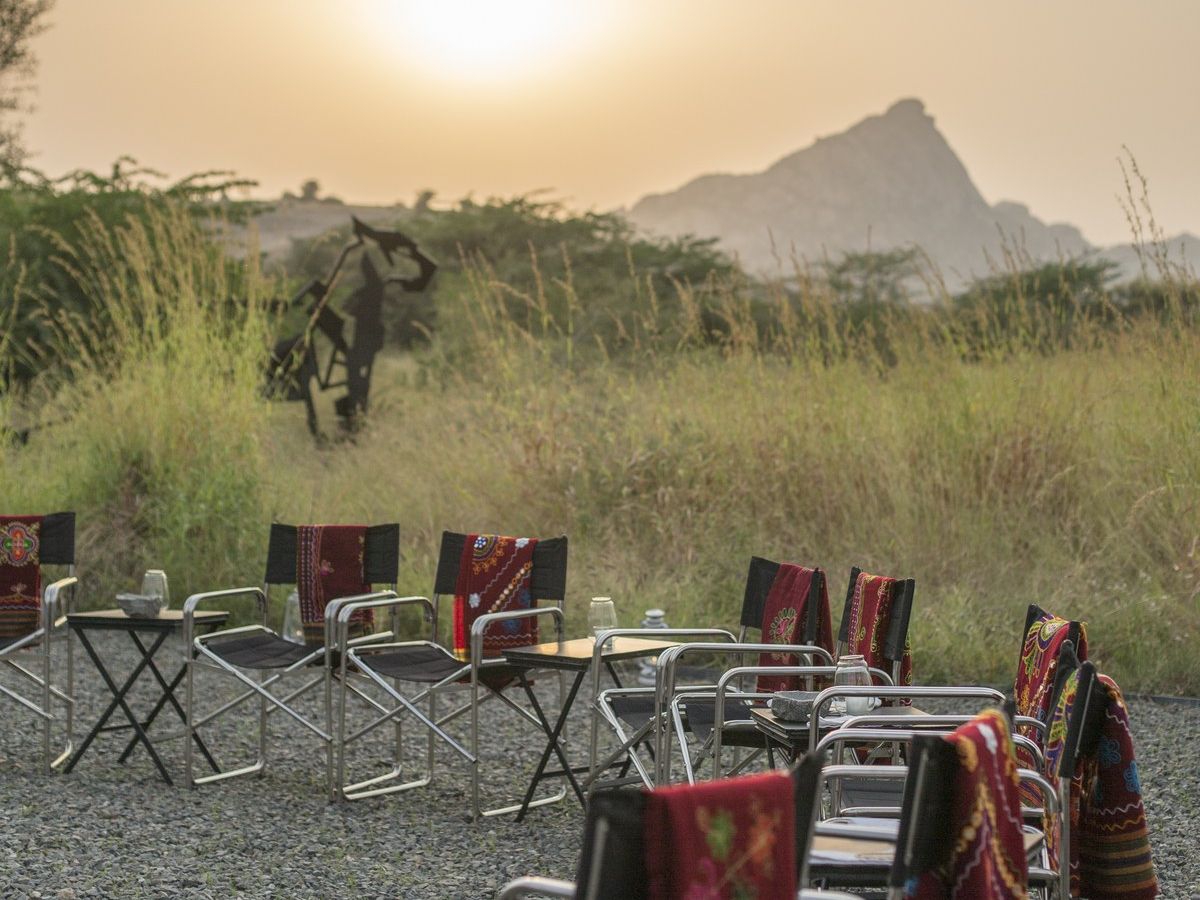
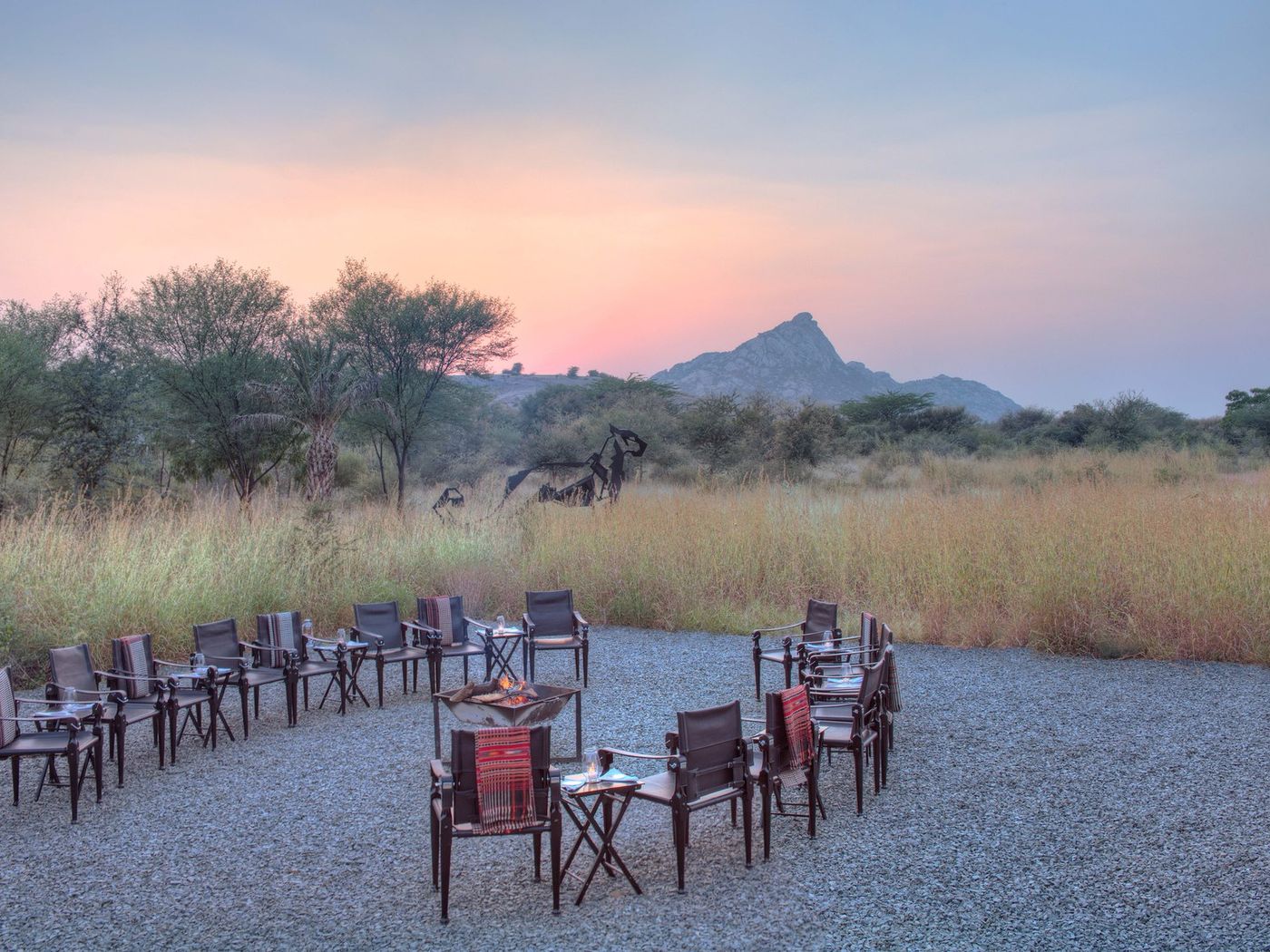
In the Arid West the stay is part of the landscape: tented camps and lodges among the granite and the scrub, where dinner is laid out under the open sky and the hills turn rose as the light goes.

These are some of the places we arrange here. Which ones suit you depends on the season and the shape of your journey.

Practical information

Planning a Arid West journey

November – February

Winter

Cool, pleasant days (10–25°C); cold desert nights.

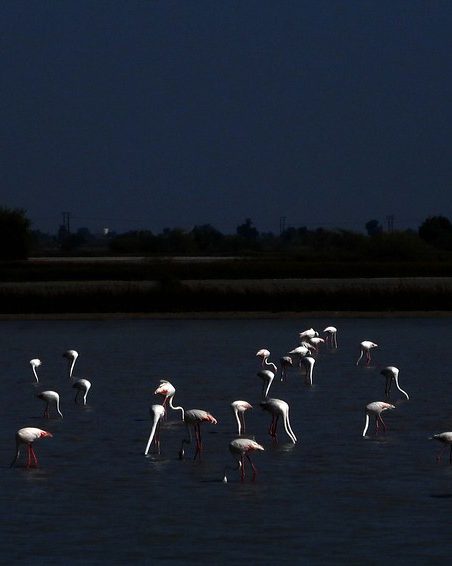
Peak harrier and demoiselle crane arrivals at Velavadar and Khichan; flamingos in the Rann.

Best for First-time visitors, birders, photographers.

March

Late Winter / Spring

Warming quickly (15–32°C); grasslands still green.

Strong wildlife activity before peak heat; good lion and wild ass odds.

Best for Balanced comfort and sightings.

April – Mid-June

Summer

Extreme heat, frequently 40°C+ in the Thar and Kutch.

Wildlife concentrated tightly around remaining water; lion sightings often strongest.

Best for Experienced desert travellers prioritising sightings.

Mid-June – October

Monsoon (Closed)

Heavy, unpredictable rainfall; the Little Rann floods; most reserves, including Gir, close to visitors.

Forest and grassland regeneration period — closure is ecological, not administrative.

For travellers Not open for safari travel.

When to go

Exact reopening dates vary slightly by reserve within the region — the Little Rann in particular depends on how quickly floodwater recedes each year — which is part of why sequencing a multi-reserve Arid West itinerary benefits from specialist local knowledge of that year’s conditions, rather than a fixed calendar alone.

Time to give the landscape

Because the Arid West is not one continuous landscape but several distinct ecosystems across two states, it rewards a longer, more deliberately sequenced journey than a single-reserve safari — realistically ten to fourteen days to cover Gir, the Little Rann, Velavadar and a Rajasthan extension through Jawai and Desert National Park without rushing the considerable road distances between them.

A shorter, six- to seven-day version focused solely on Gujarat’s Gir and Rann circuit is entirely workable for travellers with less time, but it necessarily leaves the Thar Desert’s specific specialists — the bustard, the desert cat, Jawai’s leopards — for a separate journey.

How the journey moves

Because these reserves are genuinely scattered rather than connected, a journey through the Arid West depends more heavily on sequencing and internal travel logistics than a corridor landscape does — this is precisely where a specialist ground team’s route planning matters most, moving a traveller efficiently between Gujarat and Rajasthan rather than treating each reserve as an isolated booking.

Questions

Questions about the Arid West

It is shaped by scarcity rather than abundance. Across Gujarat and Rajasthan, thorn forest, salt desert and grassland form scattered habitat islands rather than a connected belt, and every species here has solved the same problem of finding water and avoiding heat. The result is wildlife found nowhere else: the last wild Asiatic lions, a wild ass restricted to one salt desert, and grassland specialists. Read more

Only in Gir National Park and its surrounding sanctuary network in Gujarat's Saurashtra peninsula, which hold the only wild population of the Asiatic lion left on Earth. From perhaps twenty animals in 1913 the population has recovered to several hundred, helped by the Maldhari pastoralists who share the forest. Gir's permit and zone system is considerably less crowded than the major tiger reserves. Read more

The khur is a subspecies of Indian wild ass found nowhere else in the world, and its last home is the Little Rann of Kutch, a vast seasonal salt desert flooded shallow in the monsoon and cracked white for the rest of the year. Drives here cross open salt flat and scrub, usually from a single specialist camp. Read more

It is possible but never routine. The great Indian bustard, among the heaviest flying birds on Earth, is critically endangered, with fewer than half a dozen females thought to remain in the Kutch population. Desert National Park near Jaisalmer protects India's most significant remaining population, which is why a Rajasthan extension matters for travellers who hope to see one. Read more

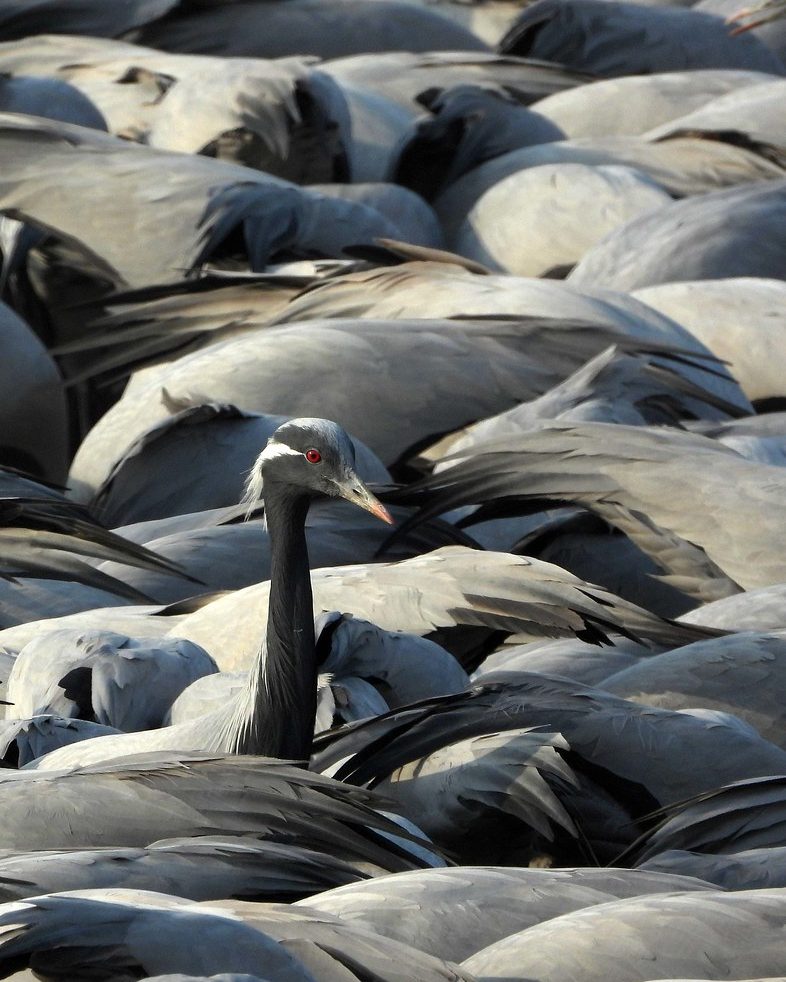
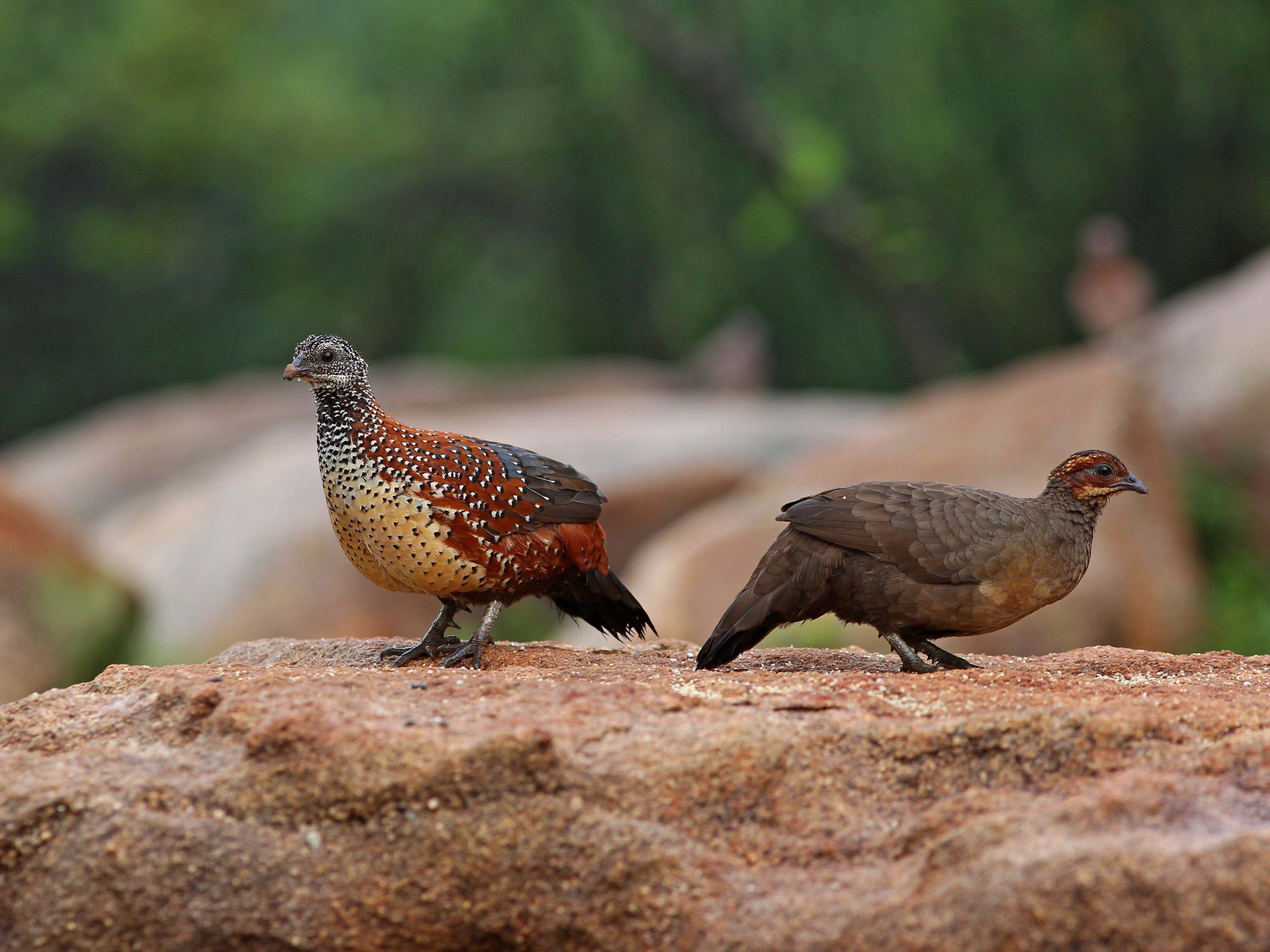
Scale and migration. Velavadar hosts one of the largest wintering harrier roosts on Earth, with harriers from Central Asia and Siberia settling into the grass at dusk, and the largest surviving population of the lesser florican. At Khichan, thousands of demoiselle cranes winter at the edge of a desert village, and the Rann draws flamingos and critically endangered vultures. Read more

Ten to fourteen days covers Gir, the Little Rann, Velavadar and a Rajasthan extension through Jawai and Desert National Park without rushing the long road distances. A six or seven day version can focus on Gir and the Rann. The Arid West also pairs well with the Central Indian Forests for travellers who want dry-country specialists and classic tiger forest in one journey. Read more

If this landscape’s particular combination of scarcity and specialisation is the India you want to understand, the right next step is a conversation.

Begin Your Journey

Tell us how you want to experience India, and we will design the journey around you.