Plan Your Journey
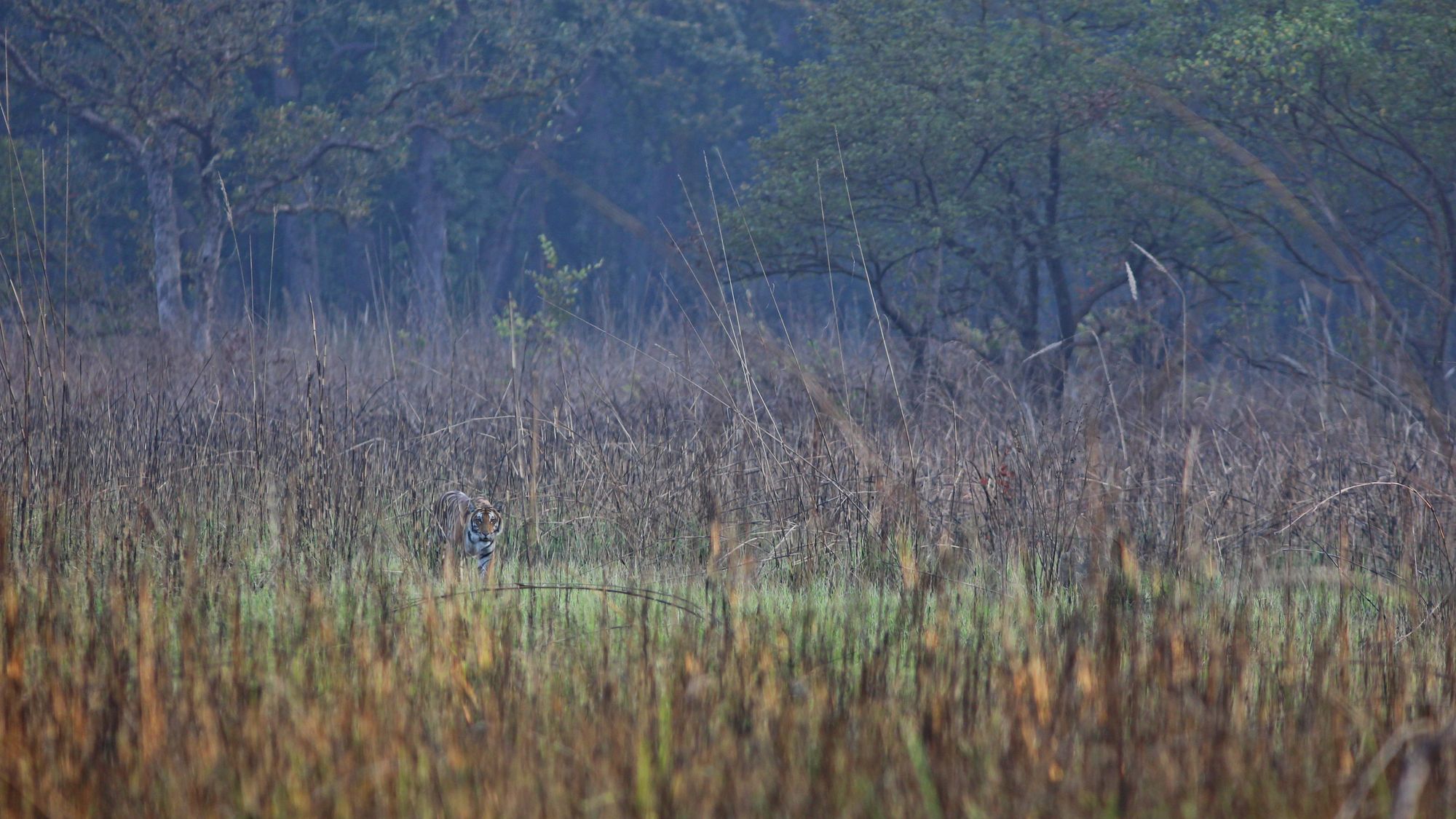
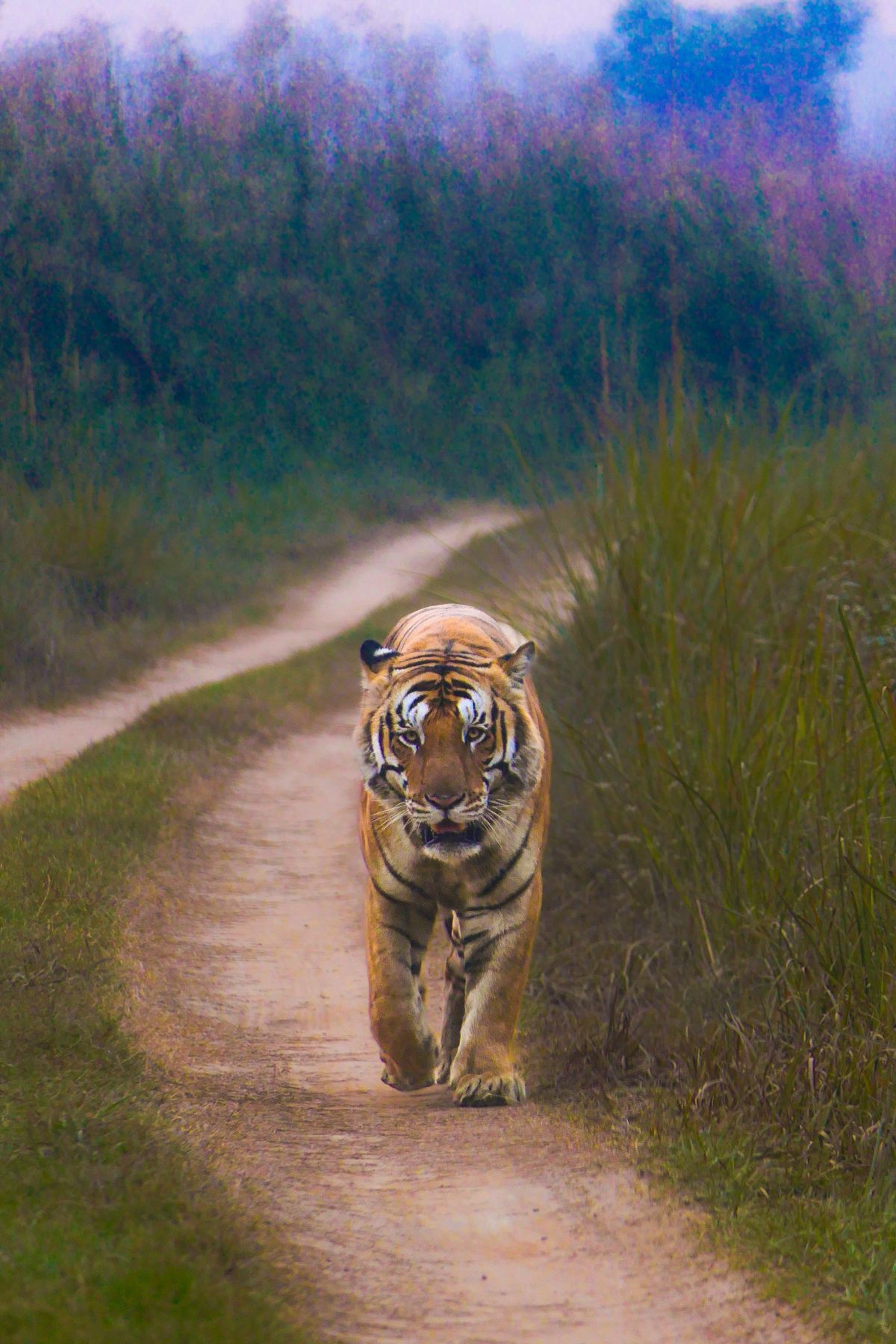
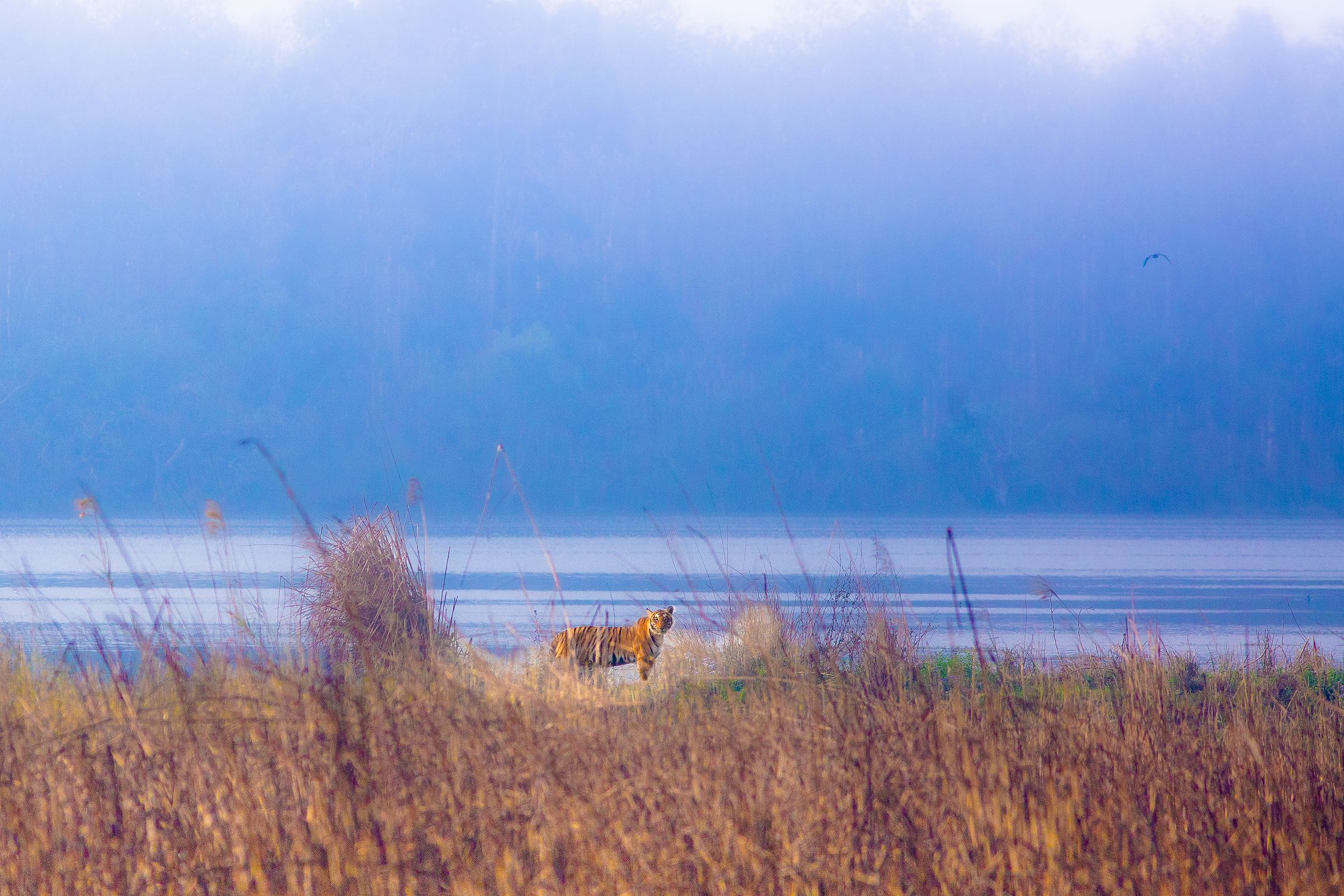
A tiger crossing misty wetland grassland at dawn

Home / Journeys / The Terai Arc

Uttarakhand & Uttar Pradesh · India

The Terai Arc

India's Himalayan wildlife corridor

Private journeys through the forest, floodplain and grassland at the foot of the Himalaya, where tiger, elephant and rhino still move as connected populations.

Begin Your Journey

The Terai Arc is not a single reserve. It is a corridor, roughly 800 kilometres of sal forest, elephant grass, wetland and river along the base of the Himalaya, from Corbett in the west to Dudhwa and Katarniaghat in the east.

To travel it well is to understand one idea: connectivity, not containment.

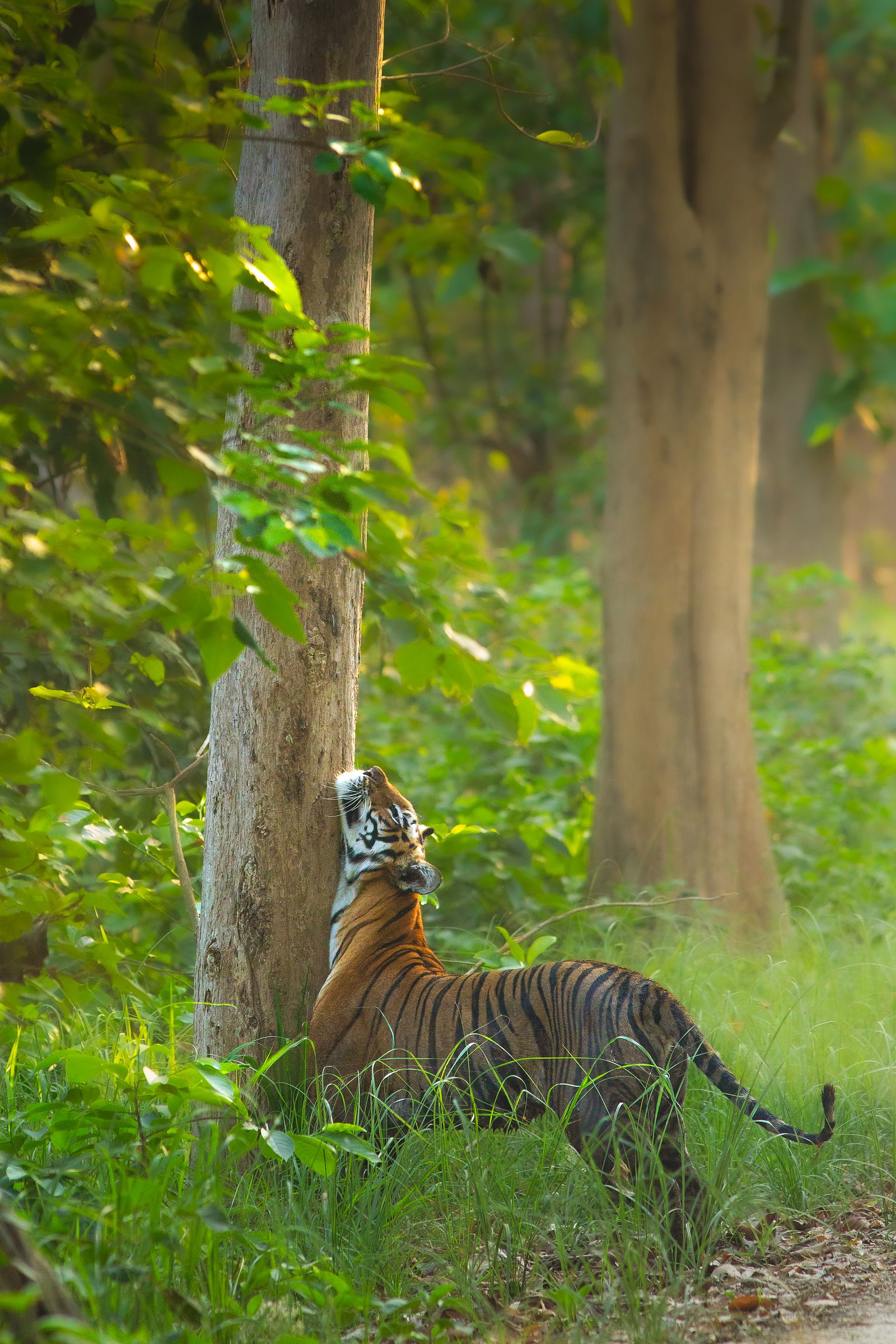
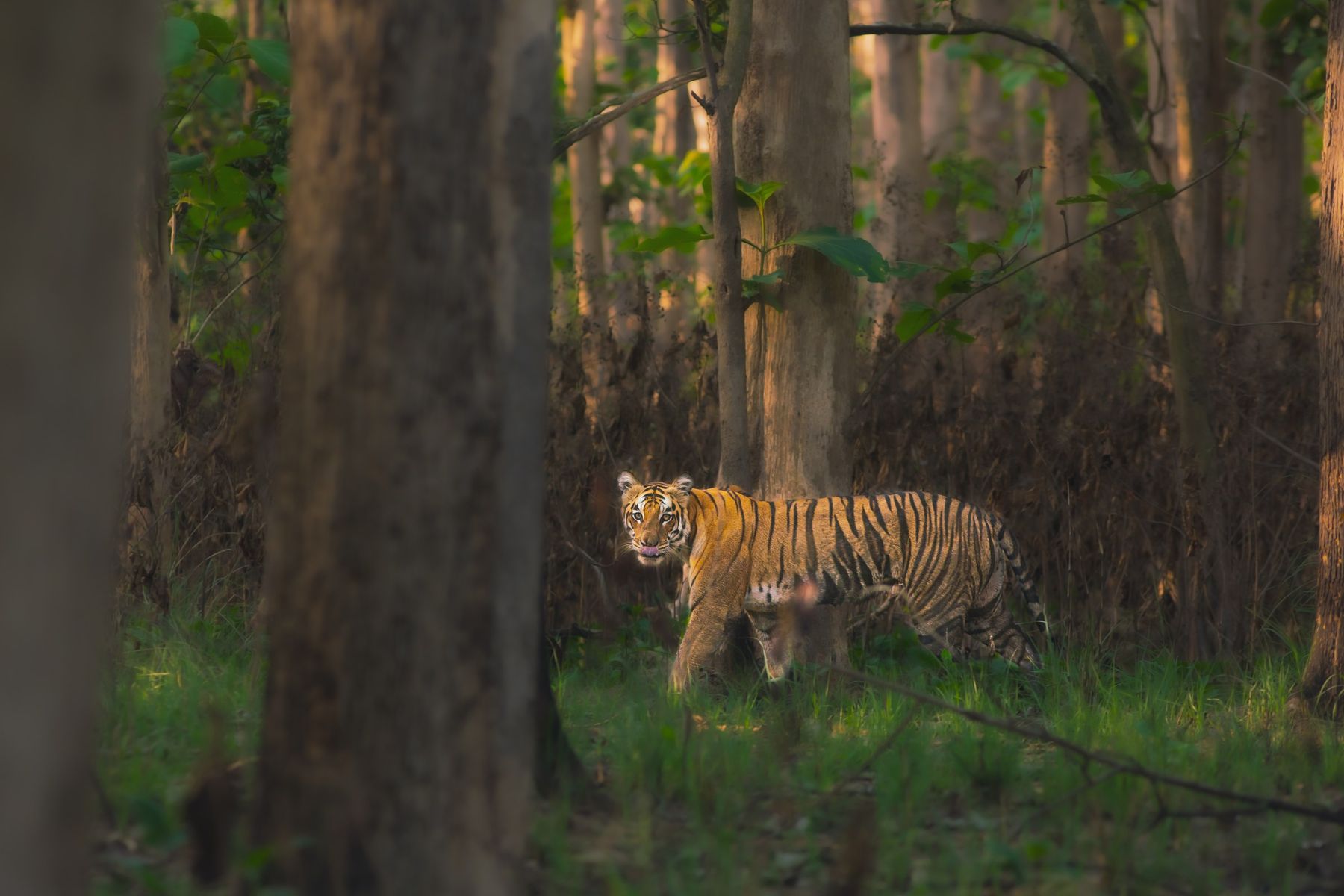
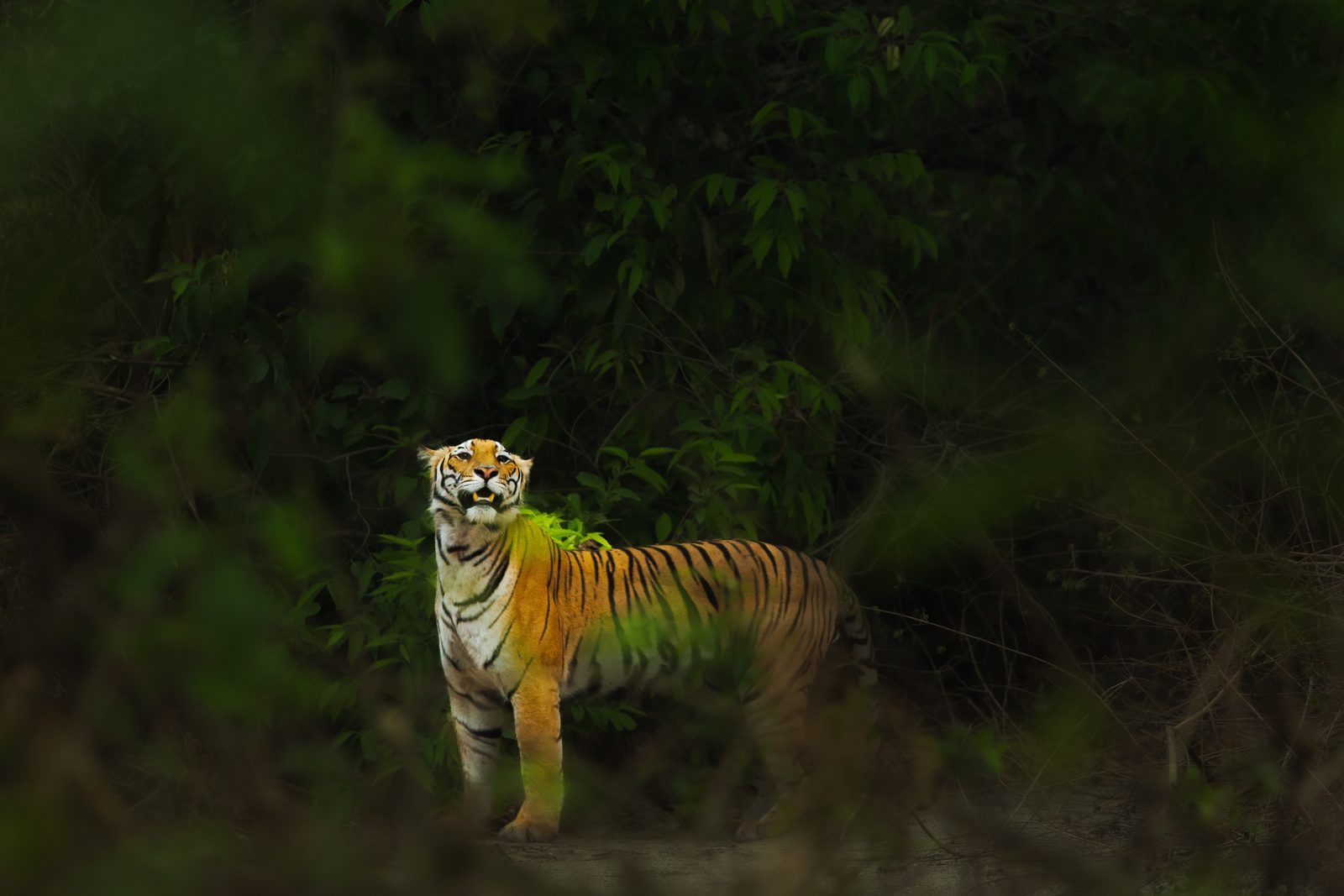
A tiger standing in dense green undergrowth, looking up, half lit by a shaft of light
For travellers who know Africa

An India that unsettles expectations

International travellers arriving in India for the first time, particularly those who already know the safari circuits of East and Southern Africa, tend to arrive with a specific set of expectations — open sightlines, wide plains, predictable game drives across land that behaves, more or less, the same way for a hundred kilometres in any direction. The Terai Arc will unsettle that expectation almost immediately, and it is worth understanding why before you ever step into a vehicle here.

This is not one park. It is not even, strictly speaking, one landscape in the way a visitor might imagine a landscape — a single continuous scene you could take in from a hilltop. The Terai Arc is a working idea as much as a physical place: a roughly 800-kilometre corridor of forest, floodplain and grassland running along the base of the Himalaya, from Corbett in the west to Dudhwa in the east, through which tiger, elephant and rhinoceros are still able to move as connected populations rather than isolated, doomed remnants.

Understanding that idea — connectivity, not containment — is the single most useful thing an international traveller can bring into this landscape, because it changes what you are actually looking at when you sit in a jeep here at dawn.

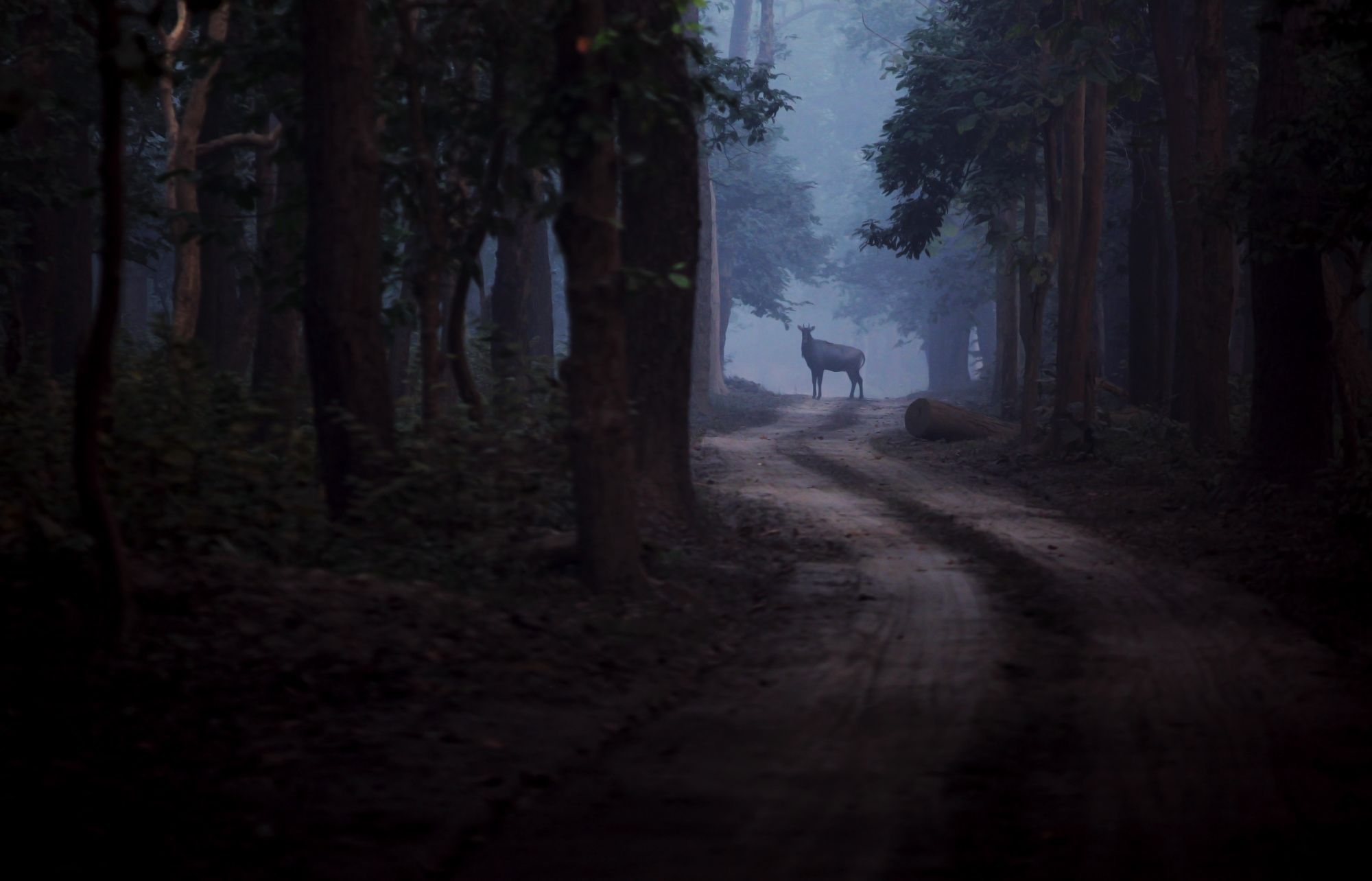
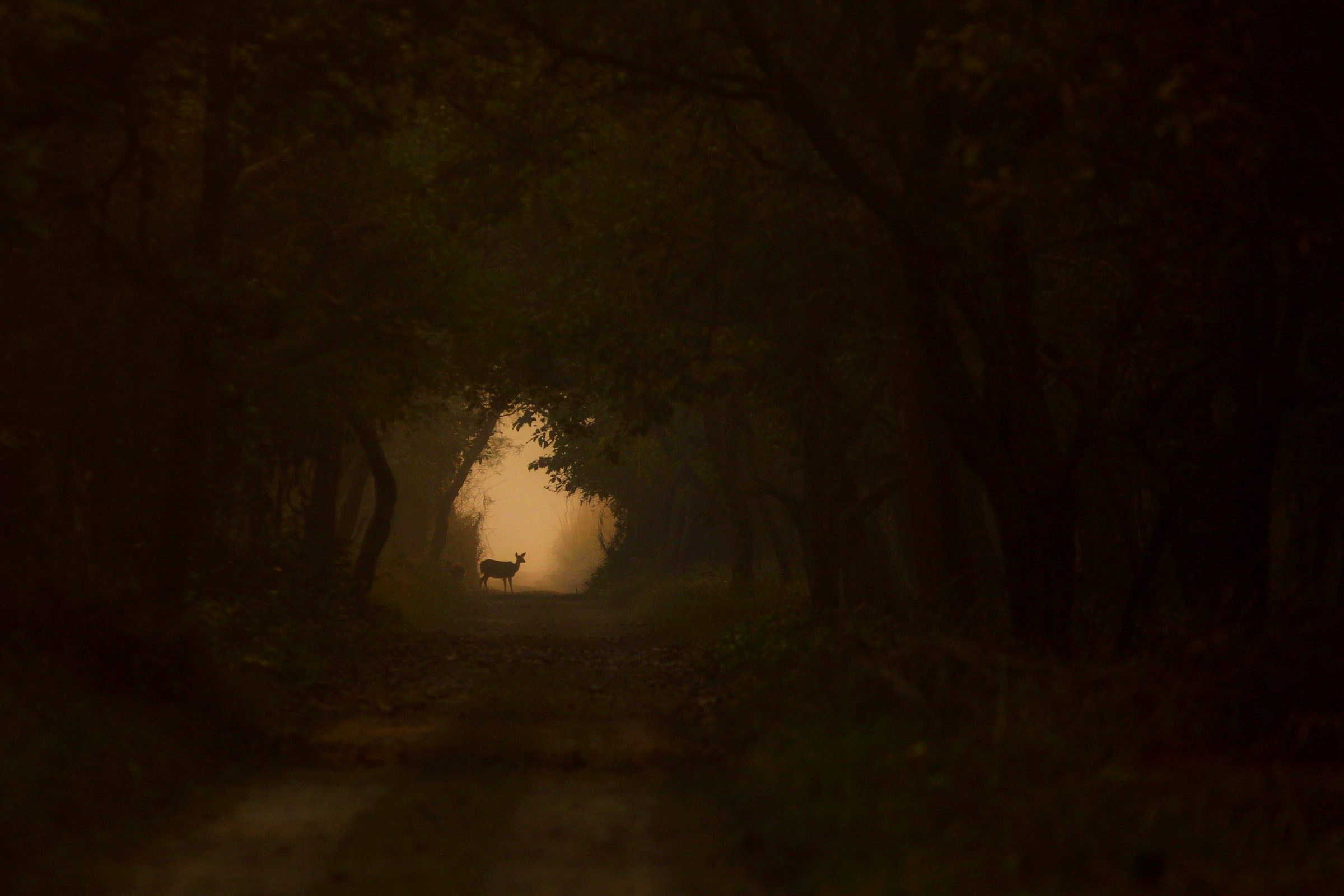
A lone deer silhouetted on a forest track at dawn, framed by a dark tunnel of trees and mist
Reading the Terai at dawnLearn to see what the forest leaves behind.
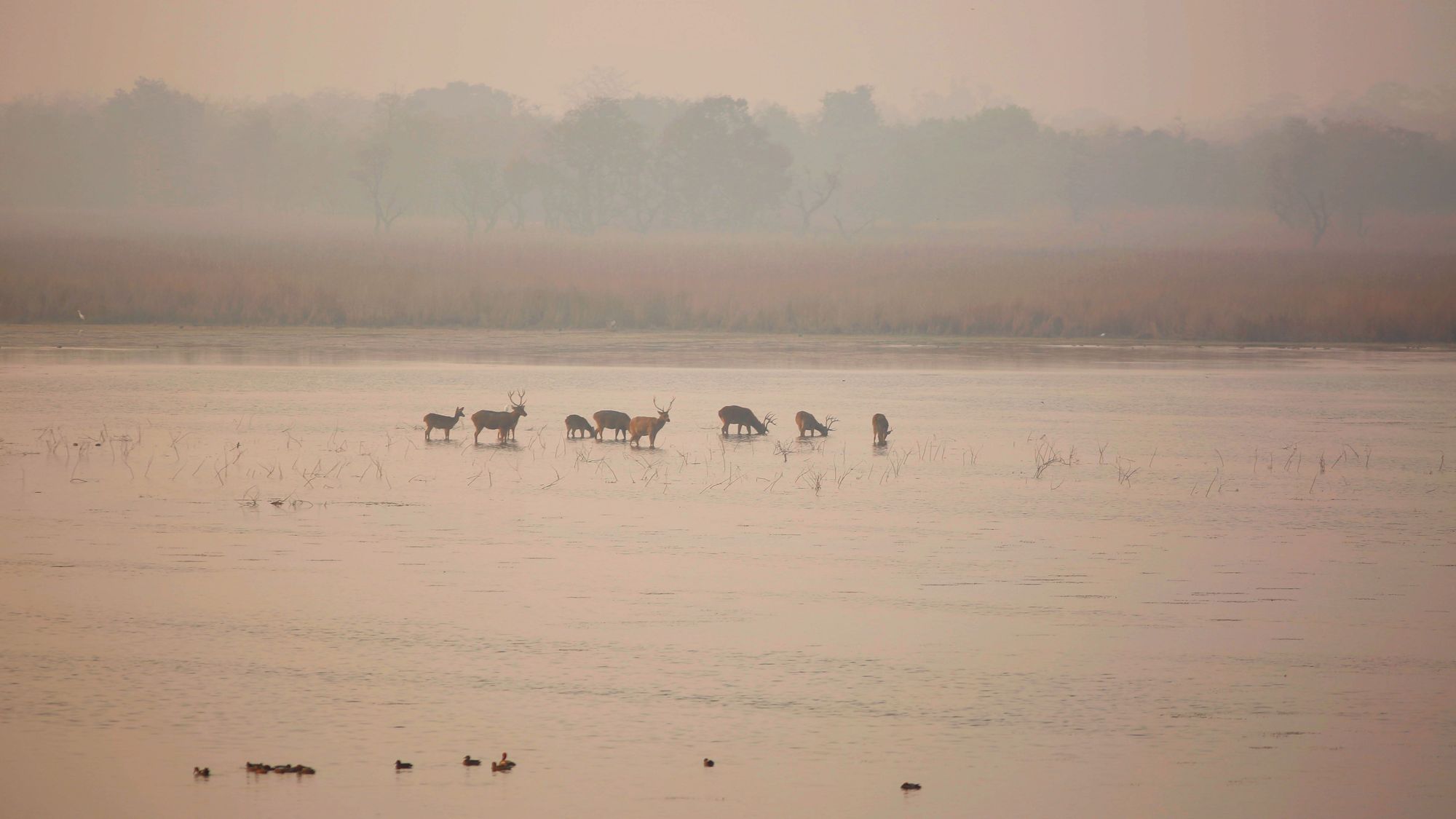
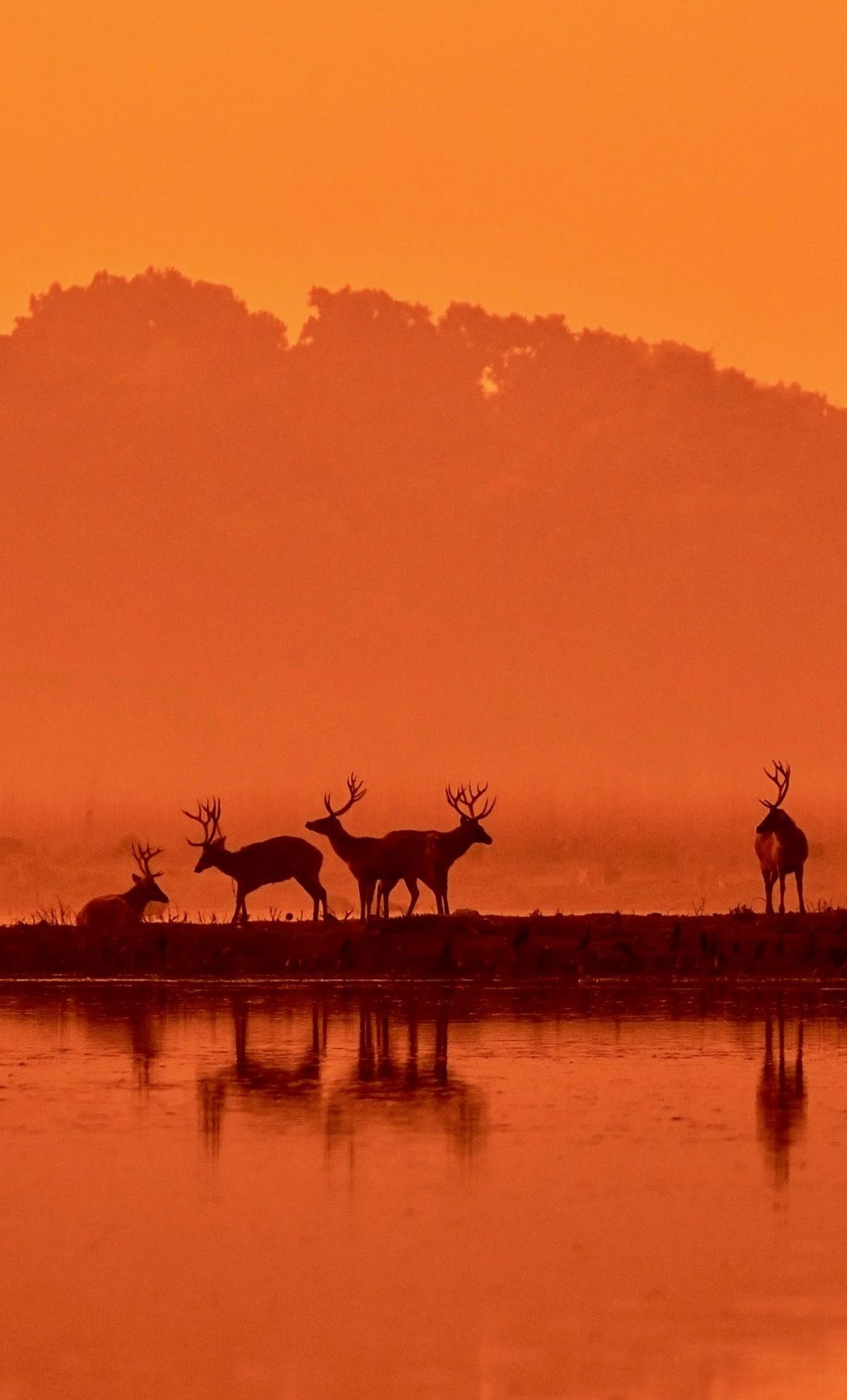
Deer silhouetted against an orange sunrise over water
The landscape

A landscape shaped by water

The word Terai comes from the Sanskrit for "lowlands," and it describes a very specific kind of ground: the narrow belt where rivers descending from the Himalaya slow down, spread out, and drop centuries of fertile silt across what becomes the northern edge of the Gangetic plains. The effect, on foot or from a jeep, is a landscape that changes character every few hundred metres. Dense sal forest — tall, straight-trunked, the dominant tree of this entire belt — opens without warning into swathes of elephant grass that can stand seven metres high by the end of monsoon. Between the two lie wetlands, oxbow lakes, seasonal marsh and slow-moving rivers, each supporting a different assembly of species, and each dependent on the others in ways that are not obvious from a single visit.

The corridor

Where wildlife ignores the map

The Arc itself is the connective tissue running through this belt across Uttarakhand and Uttar Pradesh — Corbett and Rajaji in the Shivalik foothills, Pilibhit and Dudhwa further east and lower onto the true Terai floodplain, with Kishanpur and Katarniaghat completing the eastern stretch close to the Nepal border. What makes it worth understanding as a single unit, rather than a list of separate reserves, is that wildlife here does not respect the lines on a map.

A tiger raised in Corbett's core zone may, over several years, disperse east through forest patches most tourists never see, eventually establishing territory in Pilibhit or beyond. That movement — dispersal, gene flow, the ability of a population to refresh itself rather than gradually inbreed inside a fenced island — is precisely what a landscape like Kanha or Bandhavgarh, superb as those reserves are, cannot offer on its own.

The Terai Arc can, provided the corridor holds.

Encounters

The wildlife of the Terai Arc

Encounters here are built slowly, from signs, sounds and patience, and they make sense because you understand the landscape they belong to.

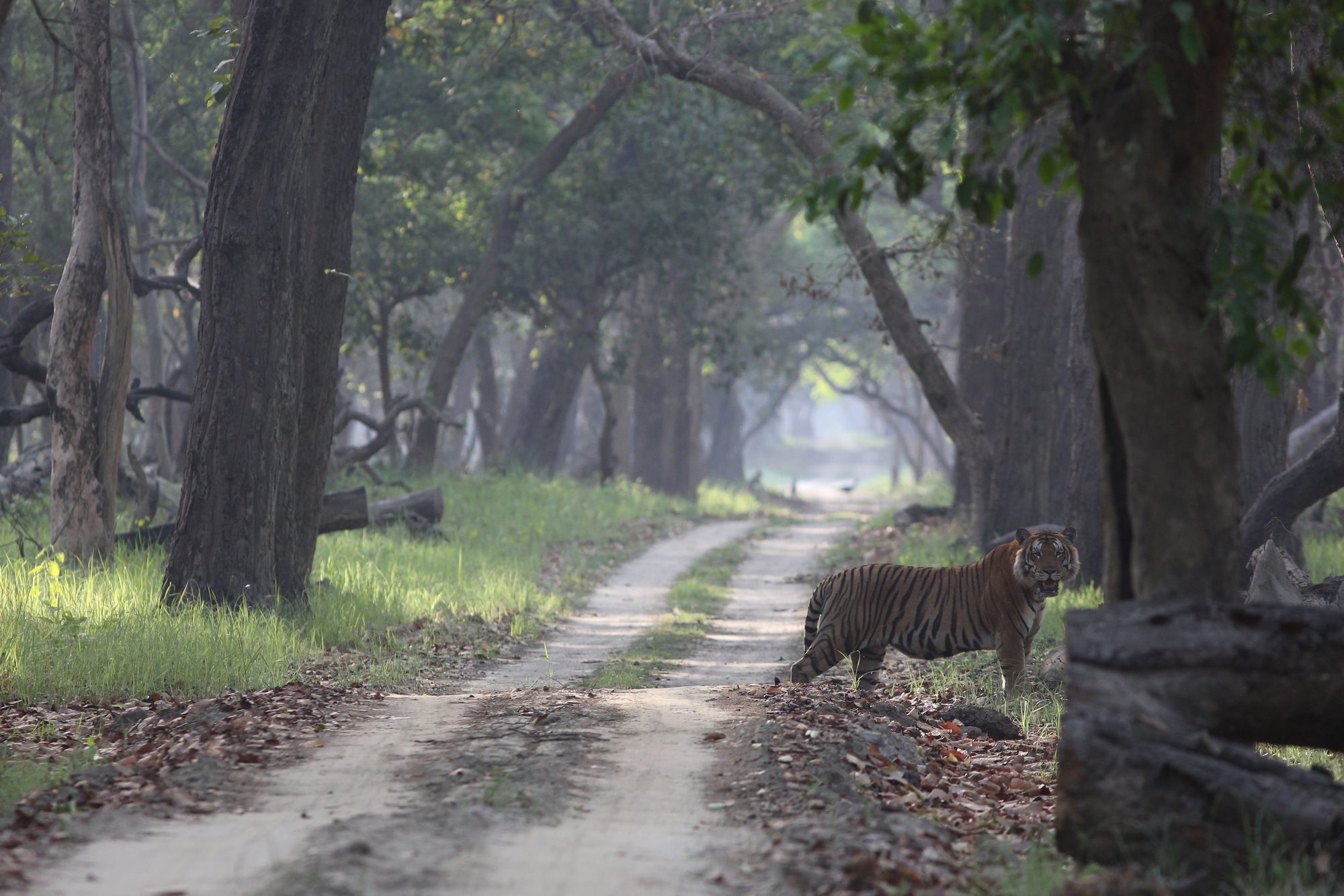
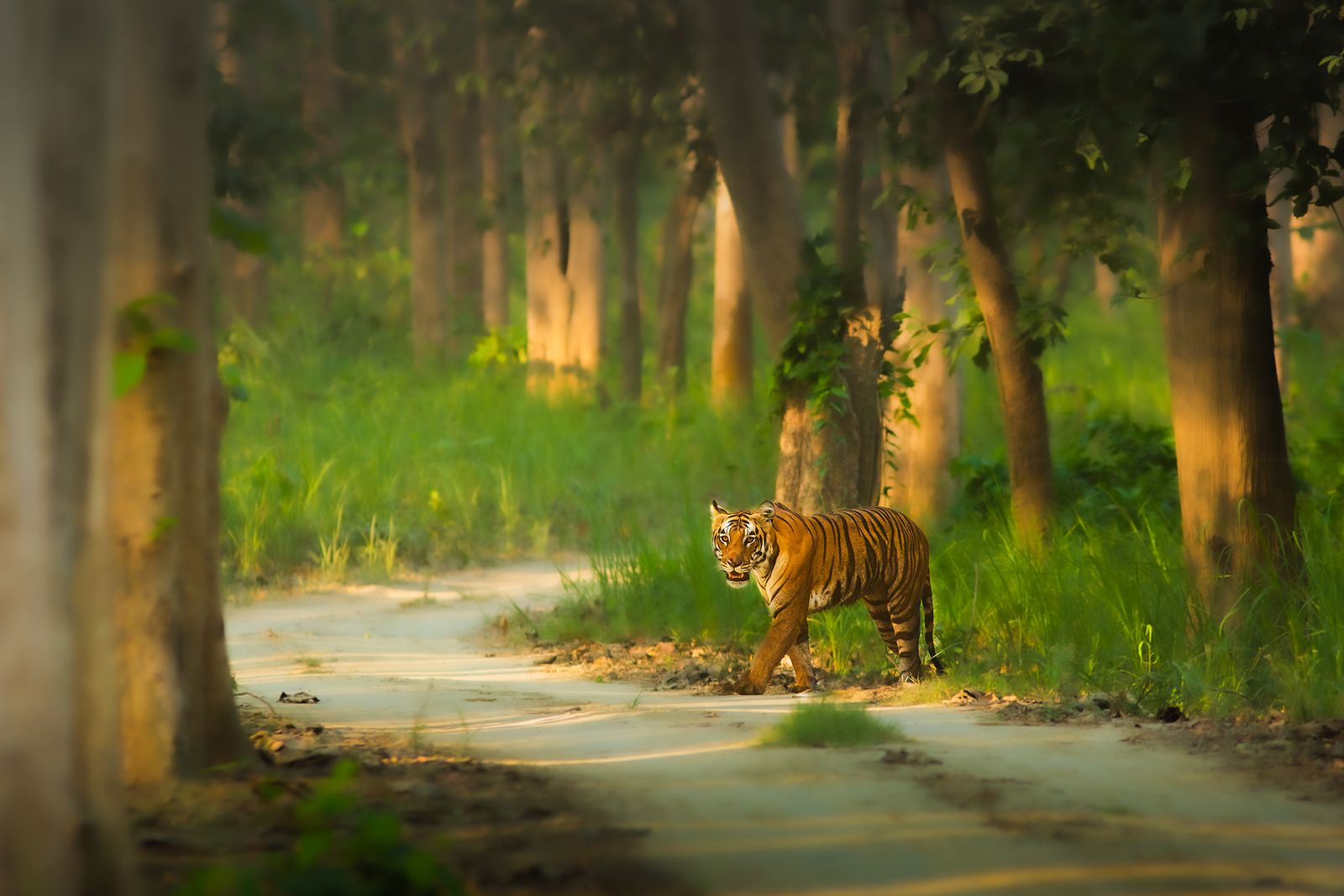
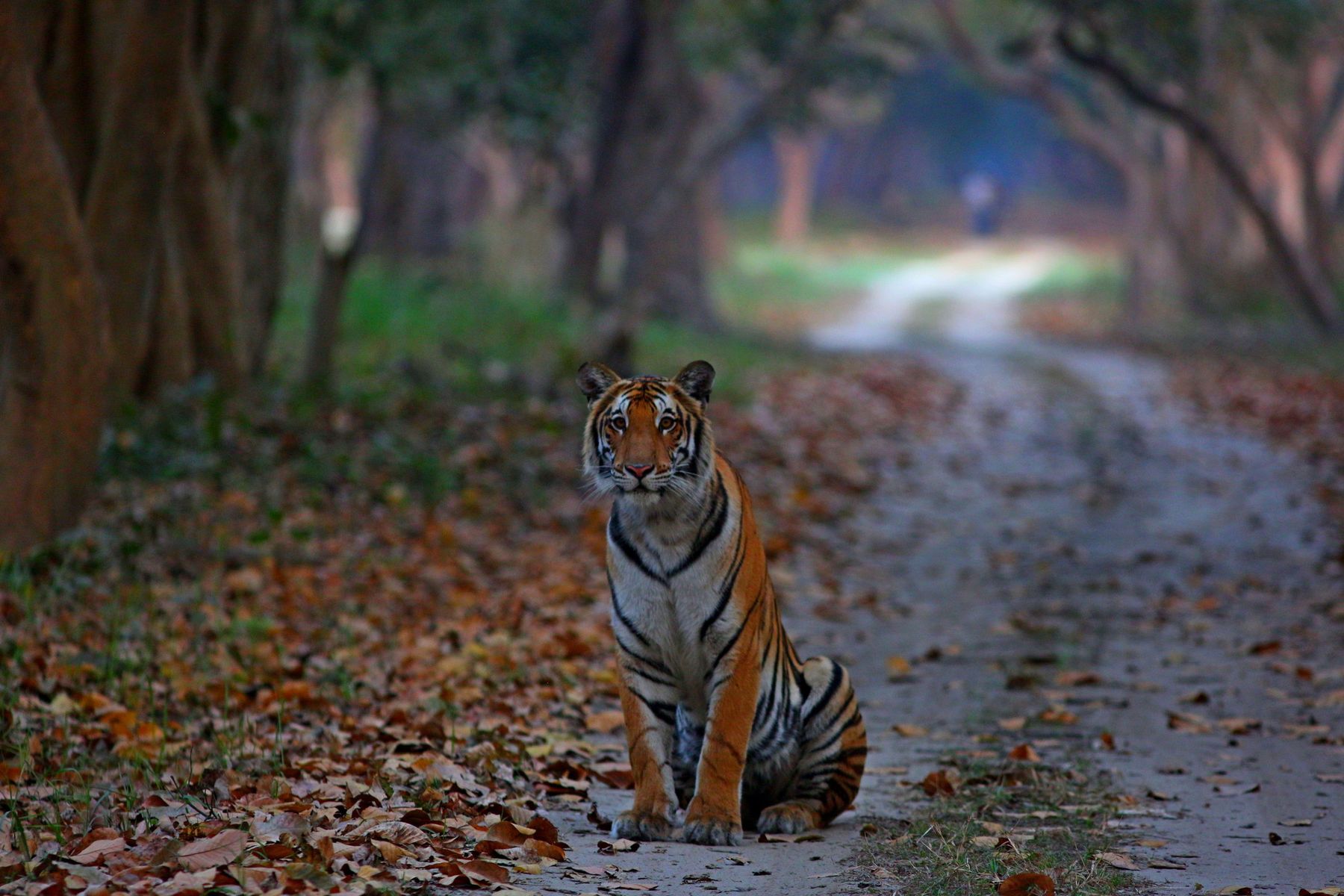
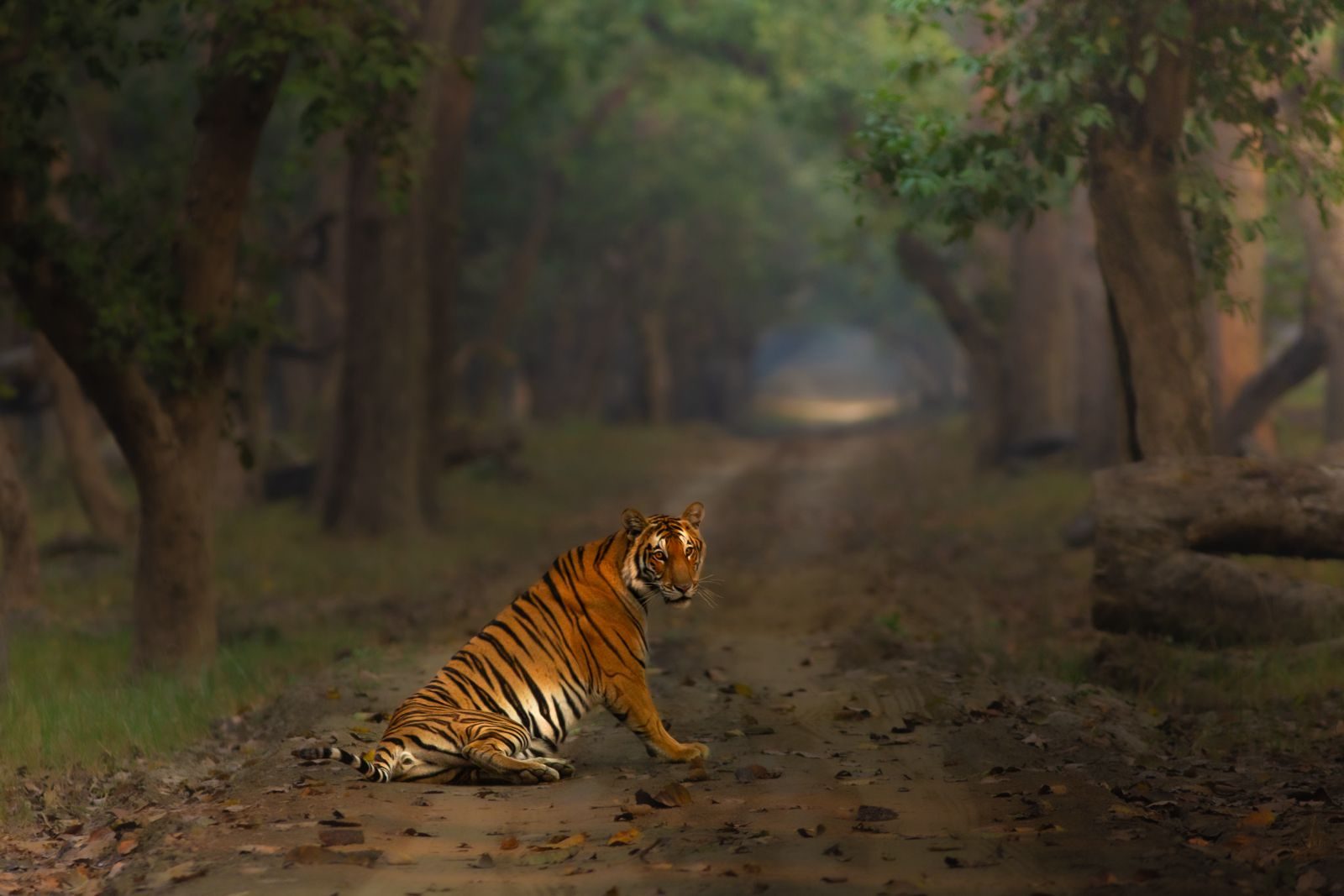
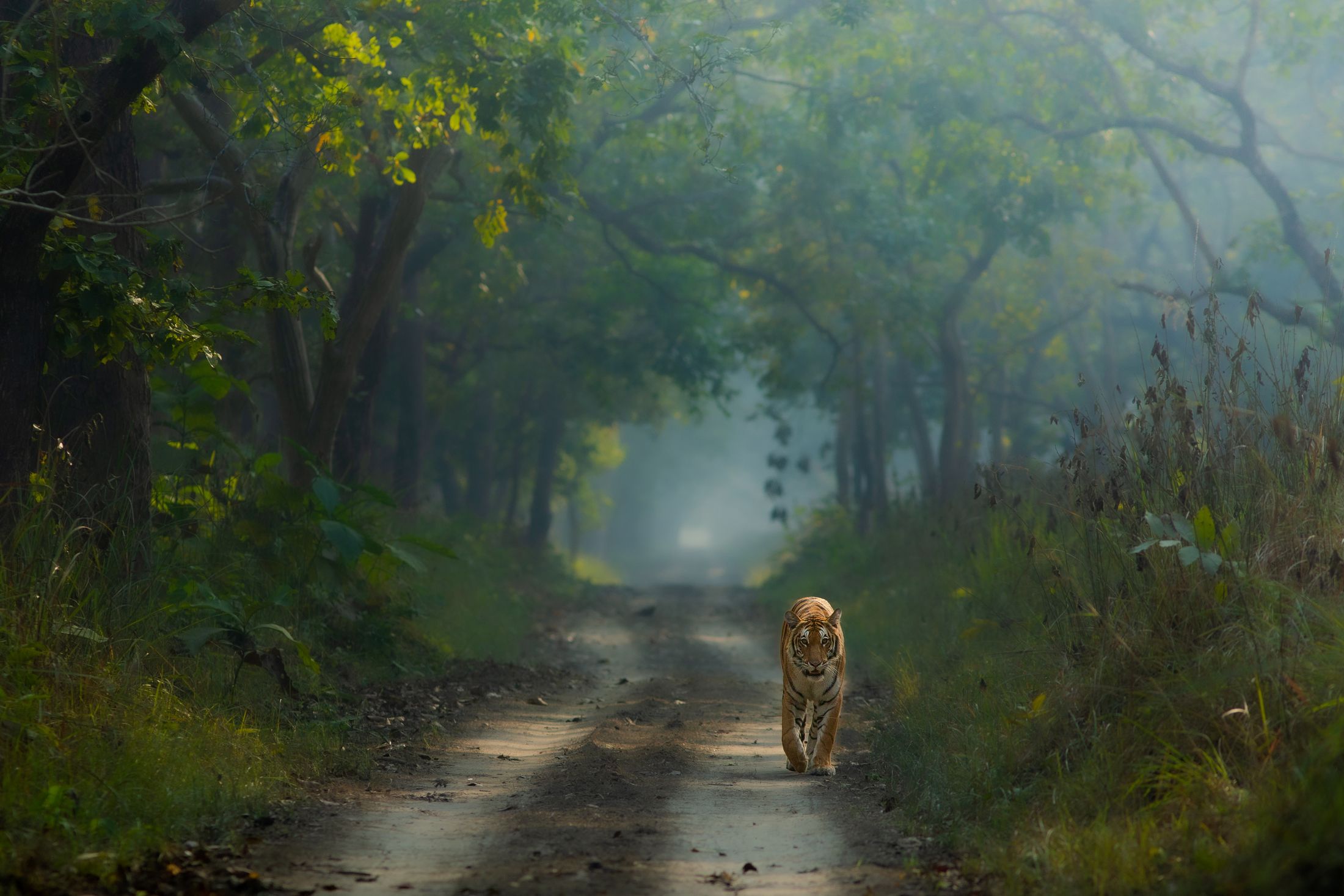
A tiger sitting on a forest track under an arch of tall trees, looking back over its shoulder
Tiger

A presence you learn to read

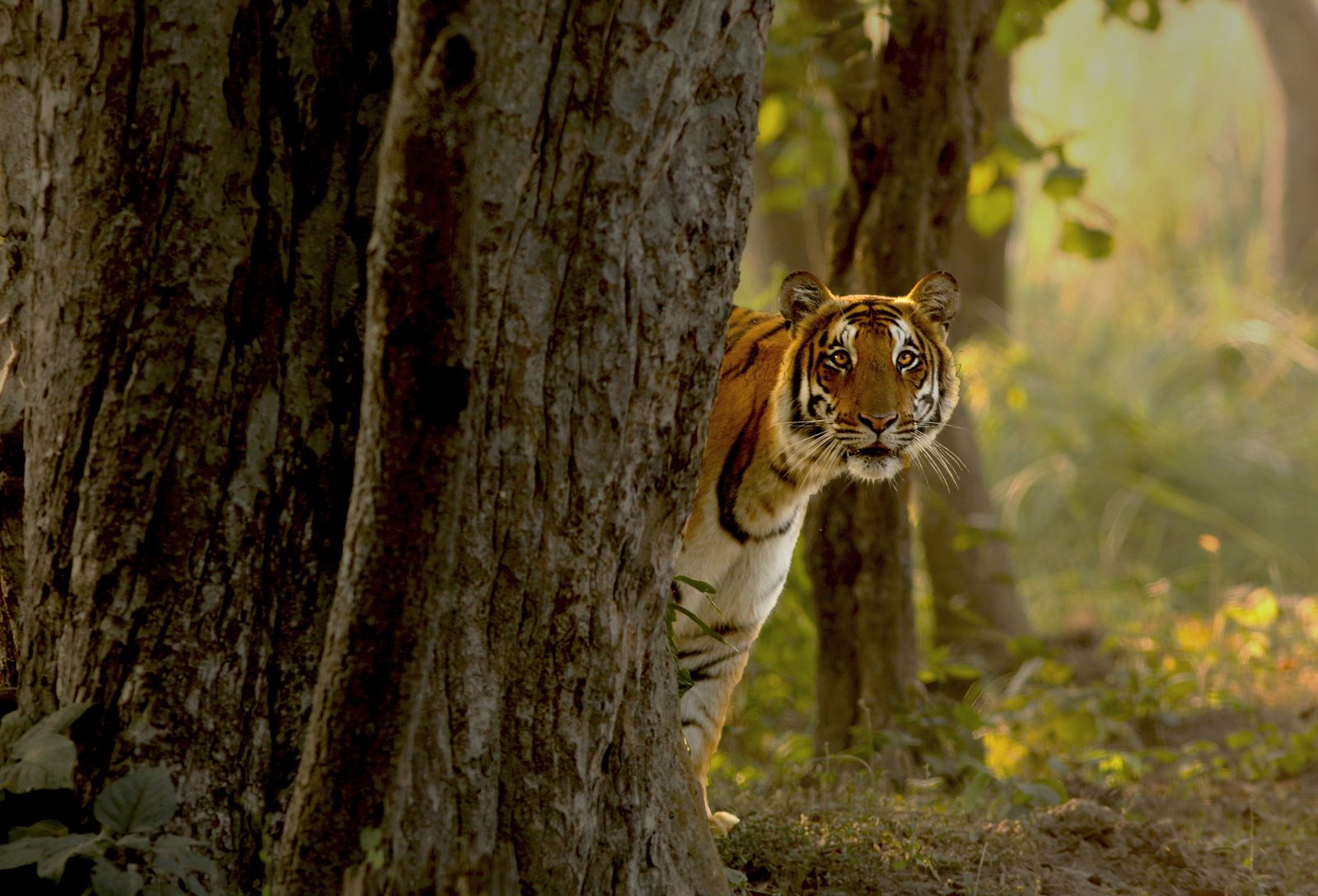
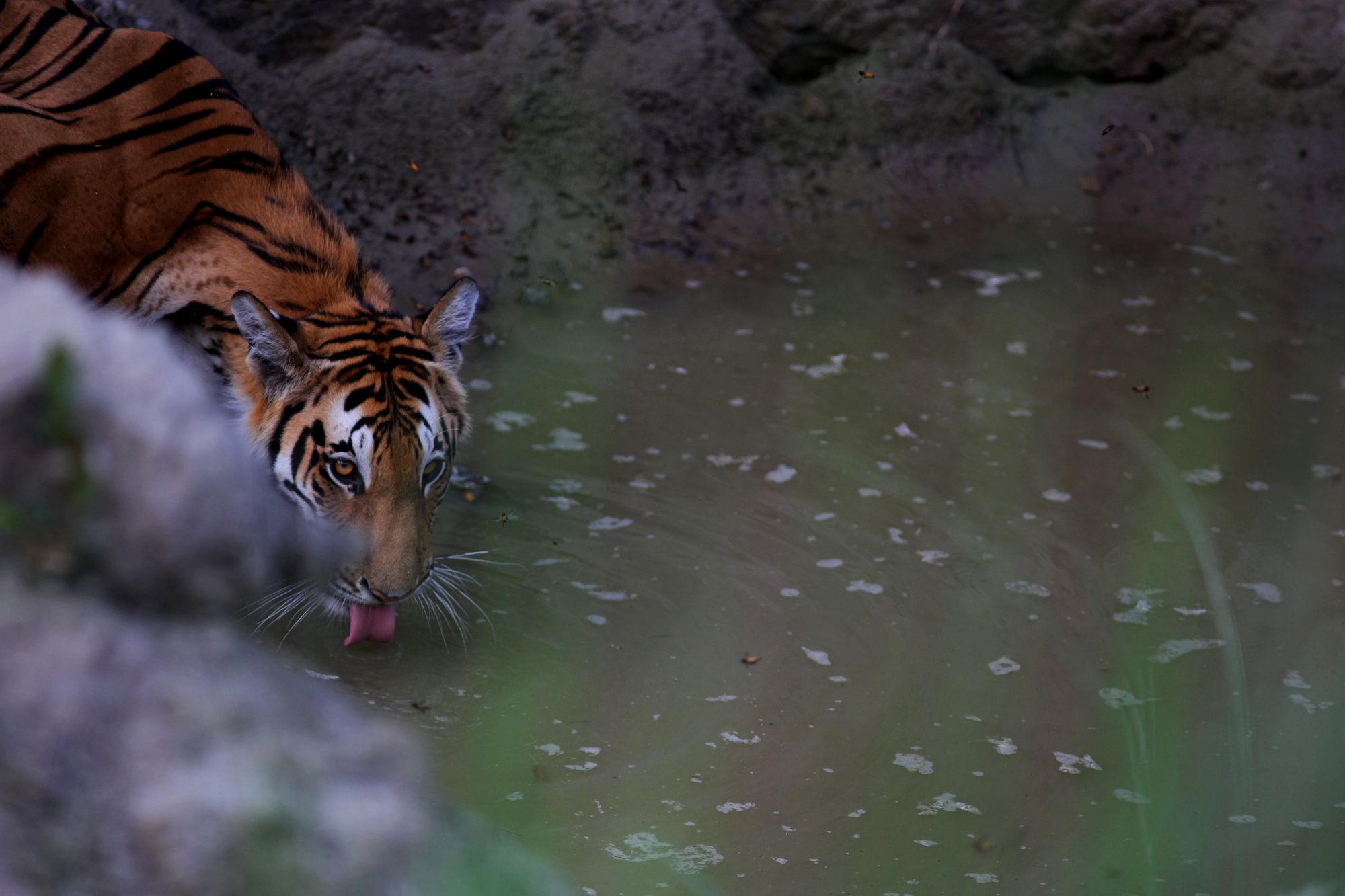
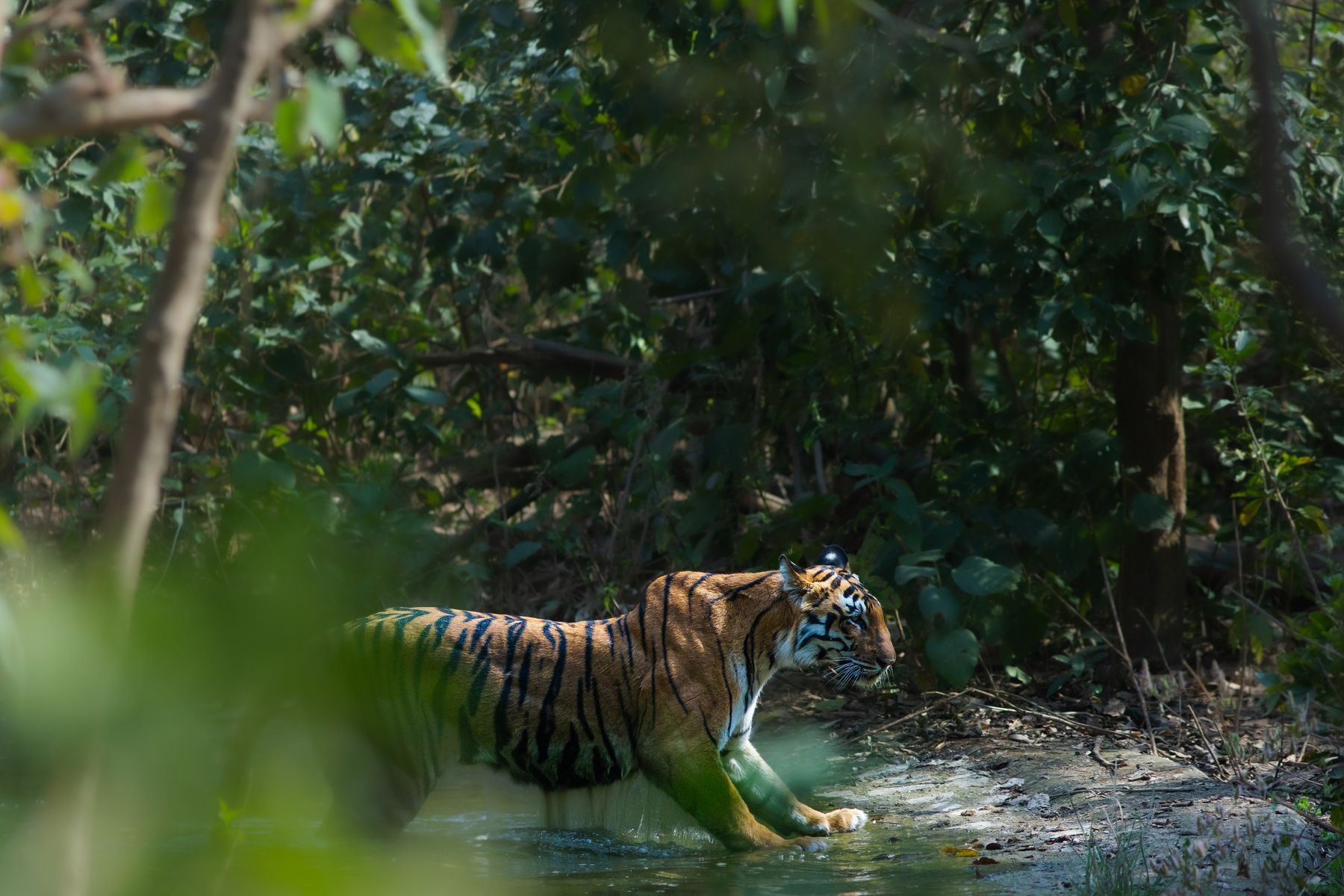
Close to a quarter of India's wild tiger population lives within the wider Terai Arc Landscape, and the reason has less to do with any single reserve's management and more to do with scale. A tiger's territory here is read the way a naturalist reads any forest — not by hoping to see the animal itself, but by learning to see what it leaves behind.

A pugmark pressed fresh into the mud of a forest track before sunrise tells you where an animal walked in the last few hours. A langur's sudden, repeated alarm call from the canopy, followed by silence from every other species in earshot, tells you a predator is moving somewhere close, well before it ever steps into view. A raked scrape on a tree trunk at shoulder height is a territorial signature left for the next tiger that passes this way, sometimes days later.

None of this requires a sighting to be meaningful, and a good naturalist in this landscape will teach you to read a forest this way rather than simply drive you toward a radio call.
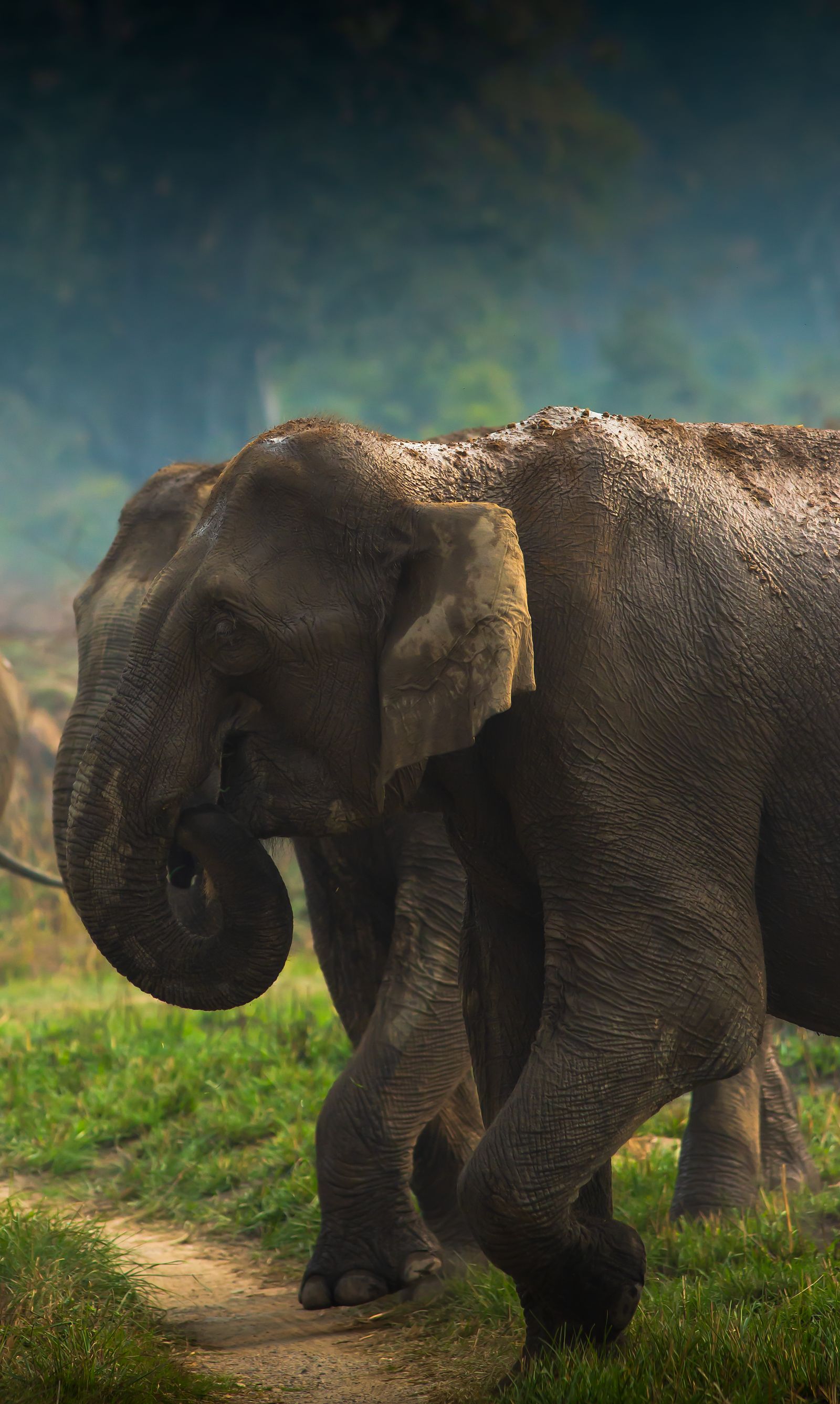
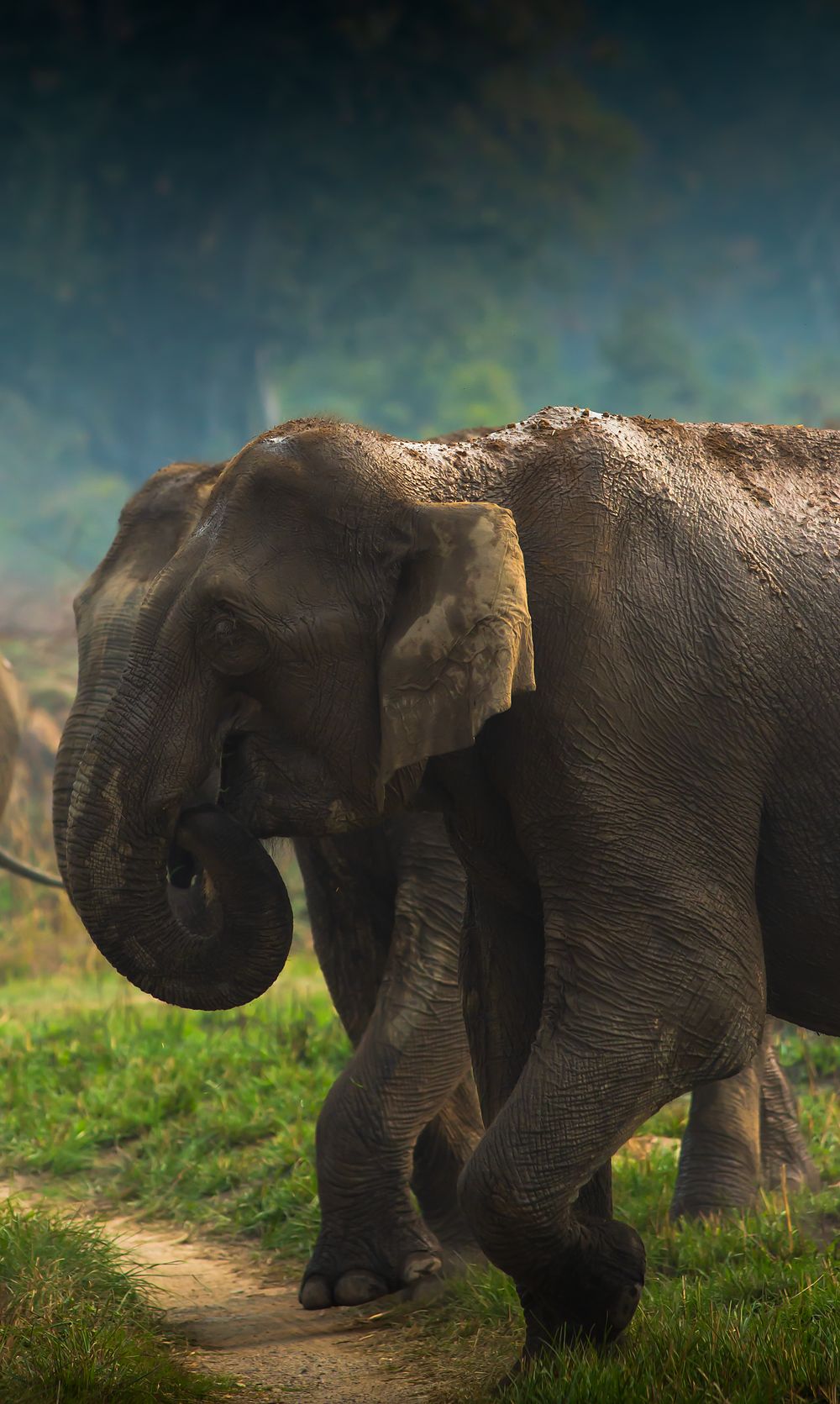
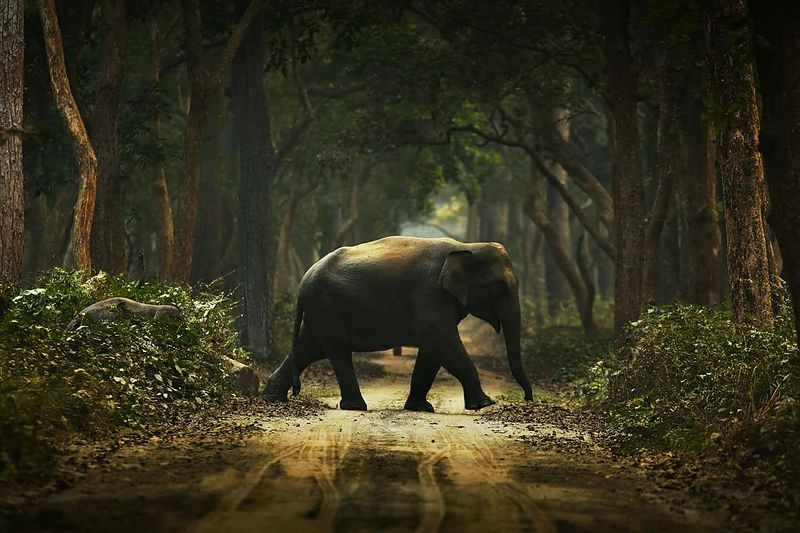
Asian elephants at the edge of the forest
Asian elephant

Routes carried in memory

The Asian elephant depends on the same connectivity in a different register — not territorial in the way a tiger is, but seasonal, moving in seed-dispersing herds between forest blocks as fruiting patterns and water availability shift through the year. Elephant paths, beaten hard into the earth over generations, are often the clearest physical evidence of the corridor actually functioning: a herd's route from Rajaji, say, toward forest further east, is not a random wander but a memory carried and passed down through the matriarch's lineage, sometimes over routes centuries old.

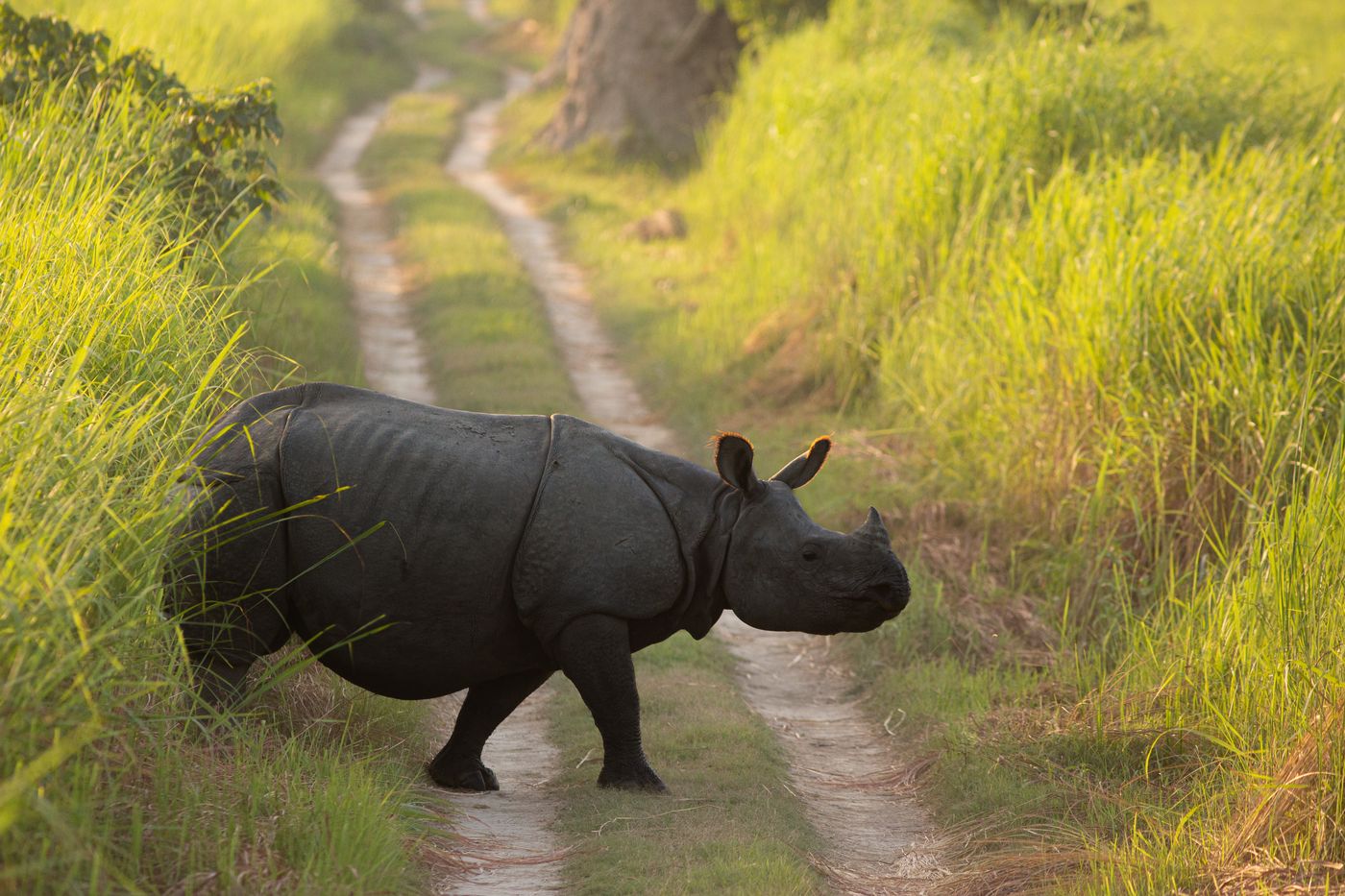
A greater one-horned rhinoceros crossing a grassland track
Greater one-horned rhinoceros

Wild again in the north

And at the corridor's eastern end, in the grasslands of Dudhwa and Kishanpur, the greater one-horned rhinoceros persists in a landscape it once ranged across freely before being hunted out of this stretch of India entirely — reintroduced from Assam and Nepal in the 1980s, and still, today, found nowhere else in northern India in a genuinely wild, self-sustaining population.

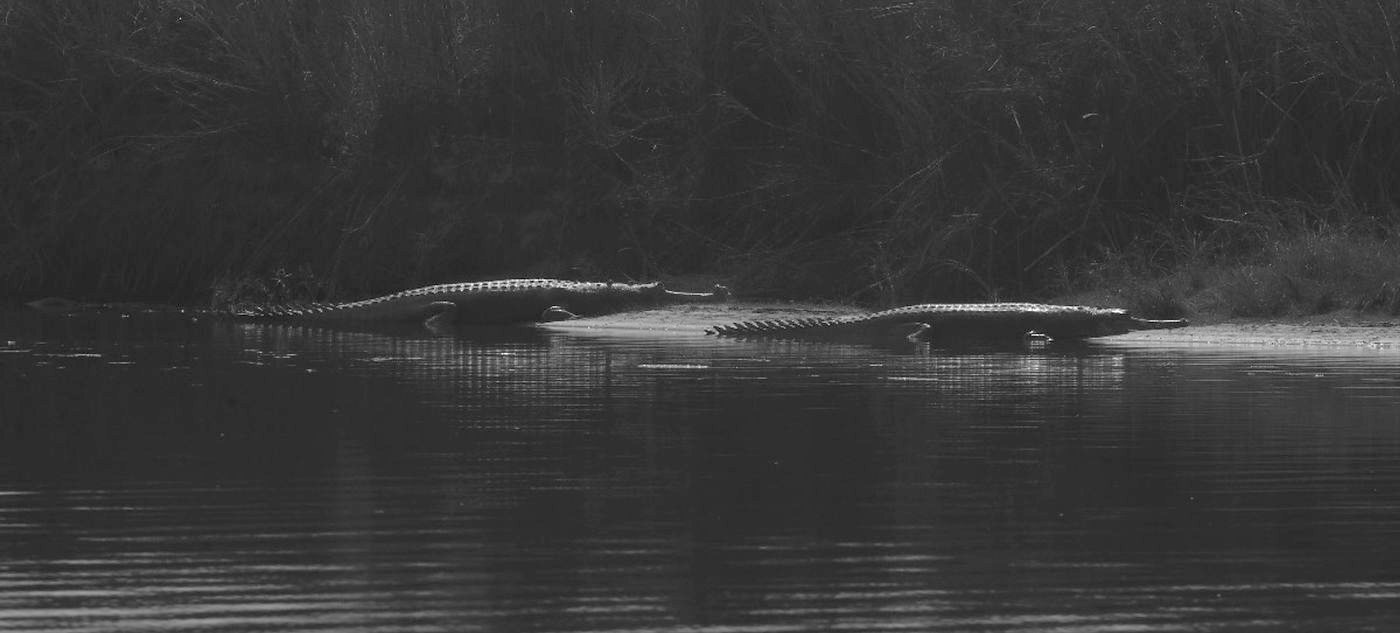
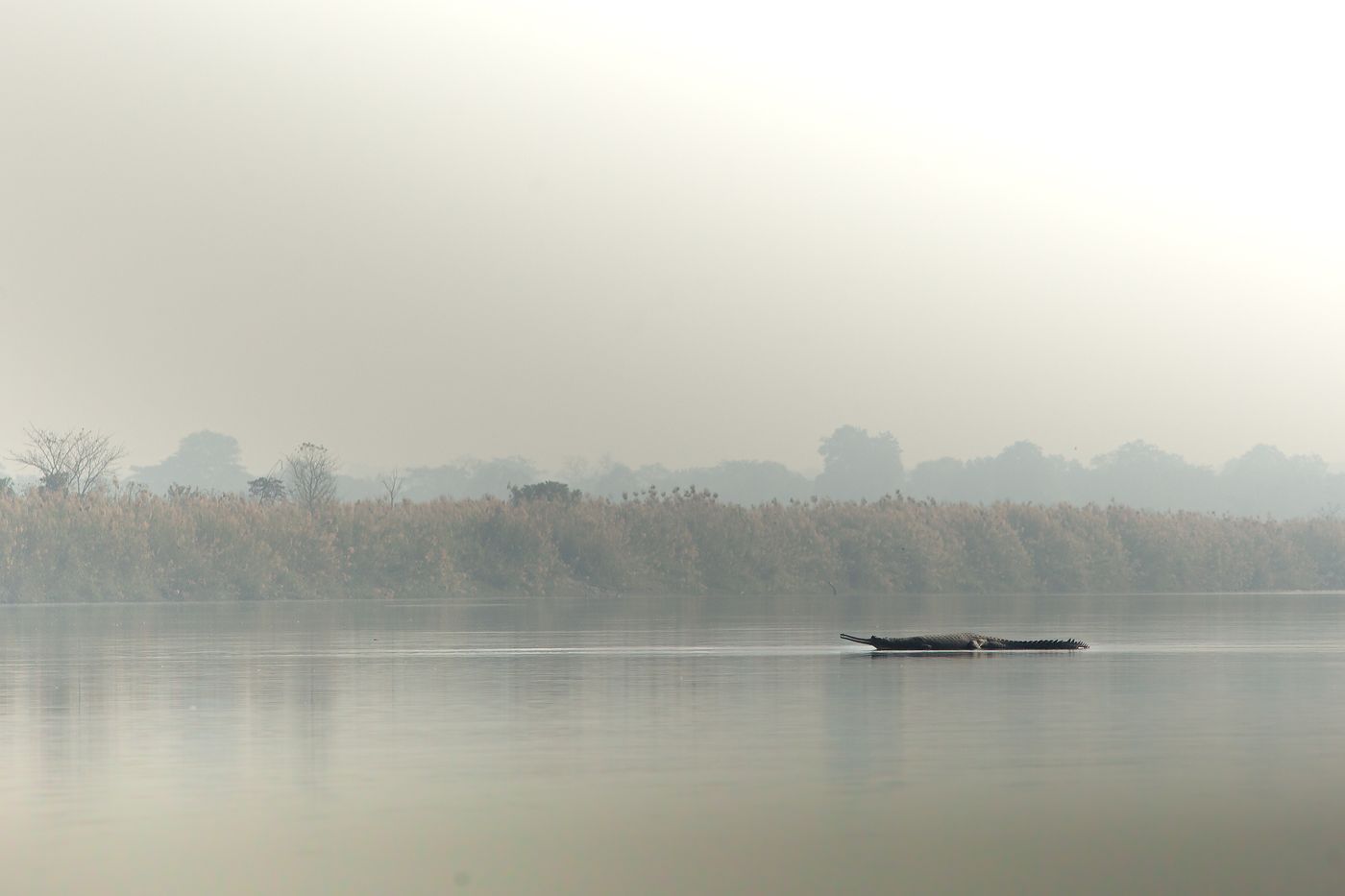
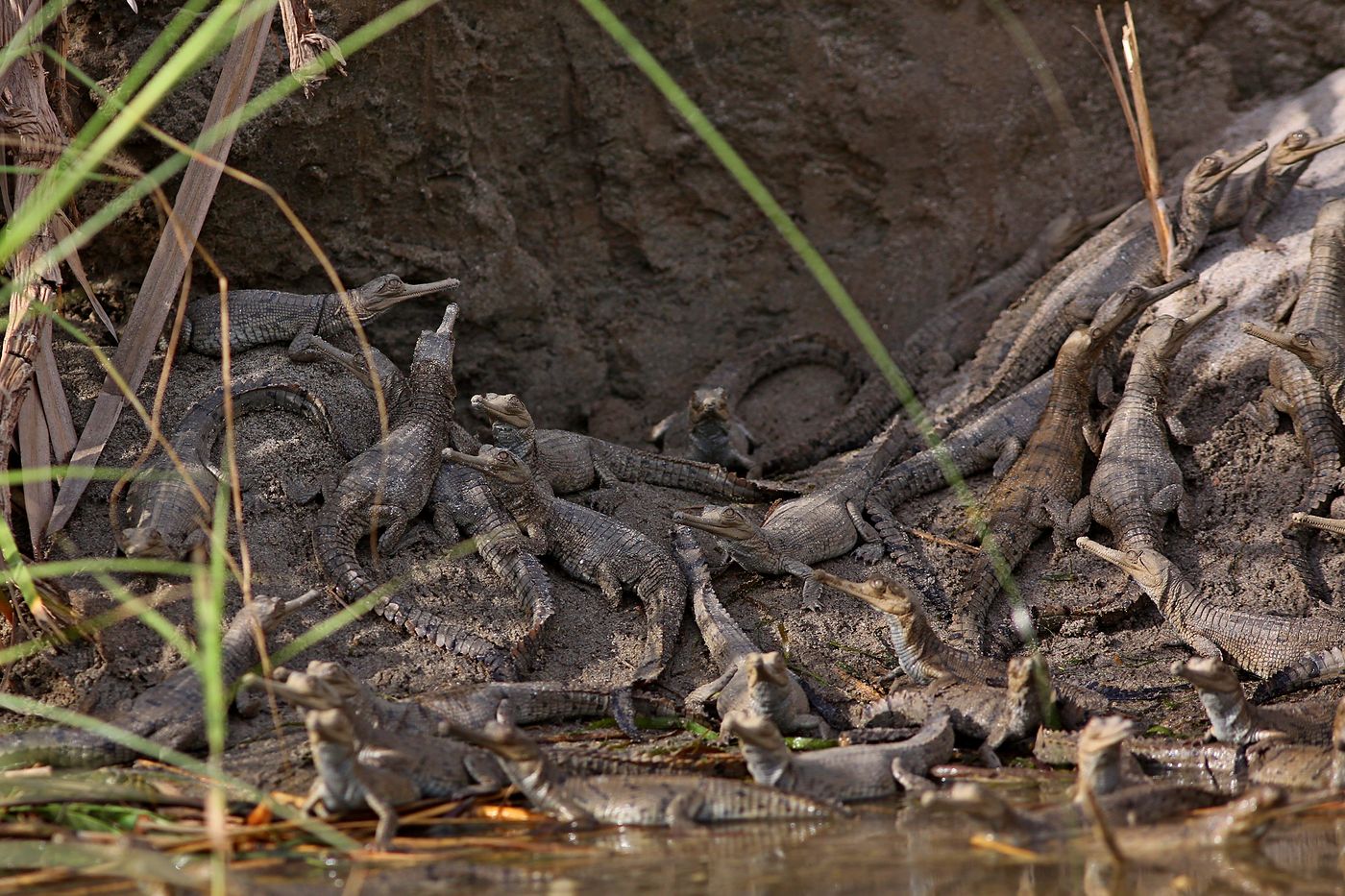
Gharials basking on a river sandbank
Gharial & Gangetic dolphin

The rivers' quieter story

The rivers running through this corridor carry their own, quieter story. Along the Girwa at Katarniaghat Wildlife Sanctuary, gharial — the extraordinary, narrow-snouted crocodilian now critically endangered across its entire range — bask undisturbed on sandbanks in numbers found almost nowhere else, while one of India's last viable populations of the Gangetic dolphin still surfaces in the same current. Mugger crocodile and freshwater turtle share this water.

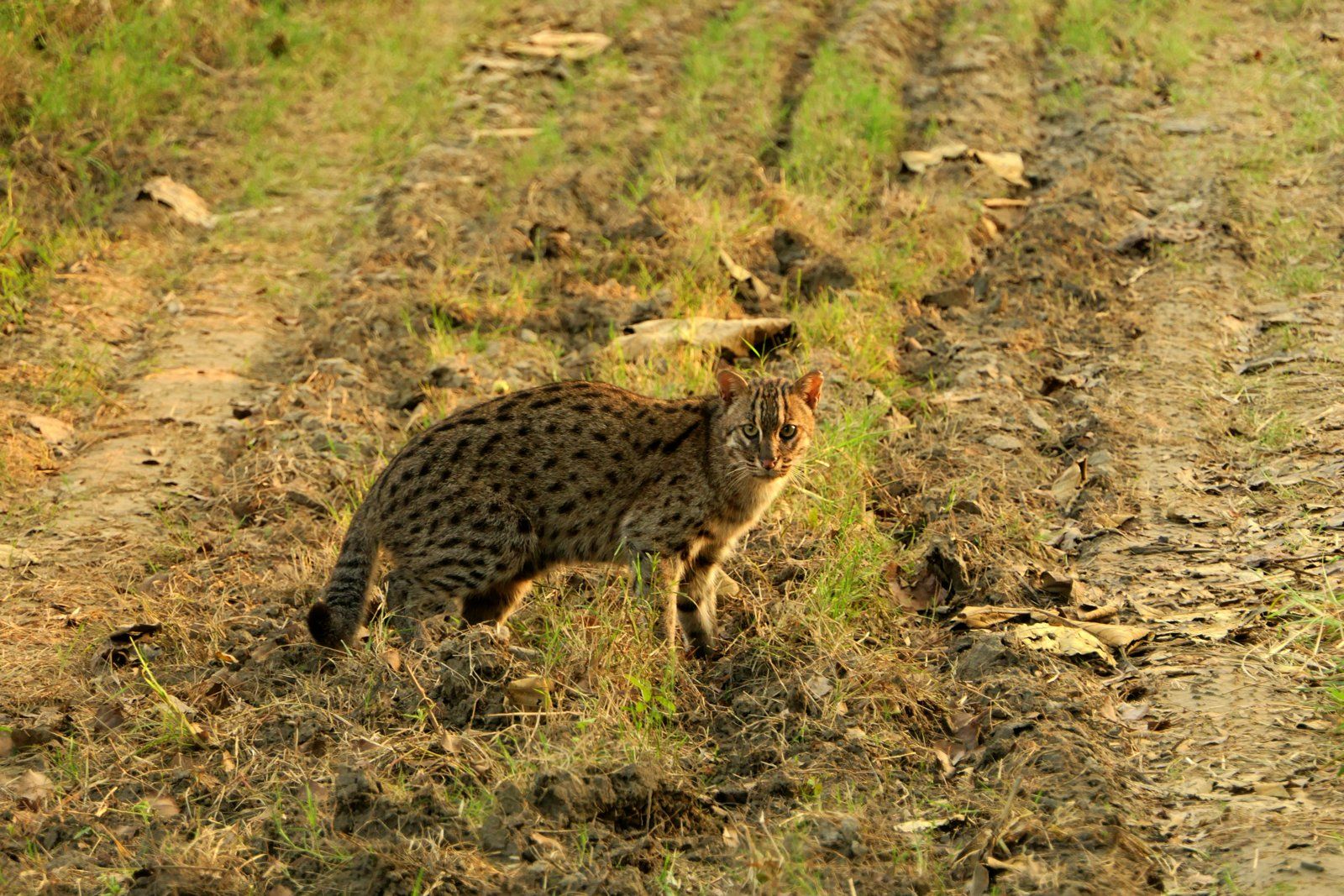
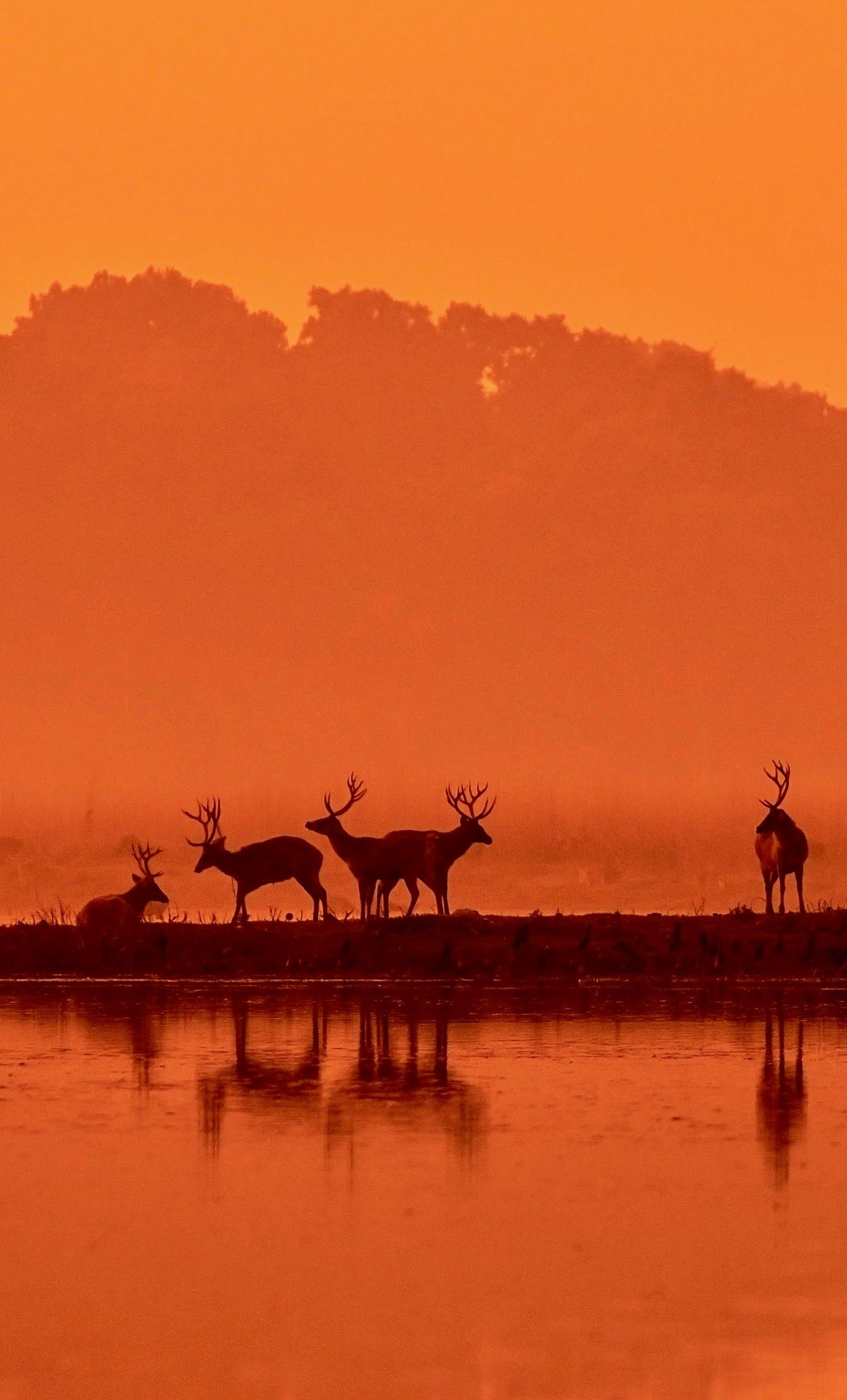
Barasingha & fishing cat

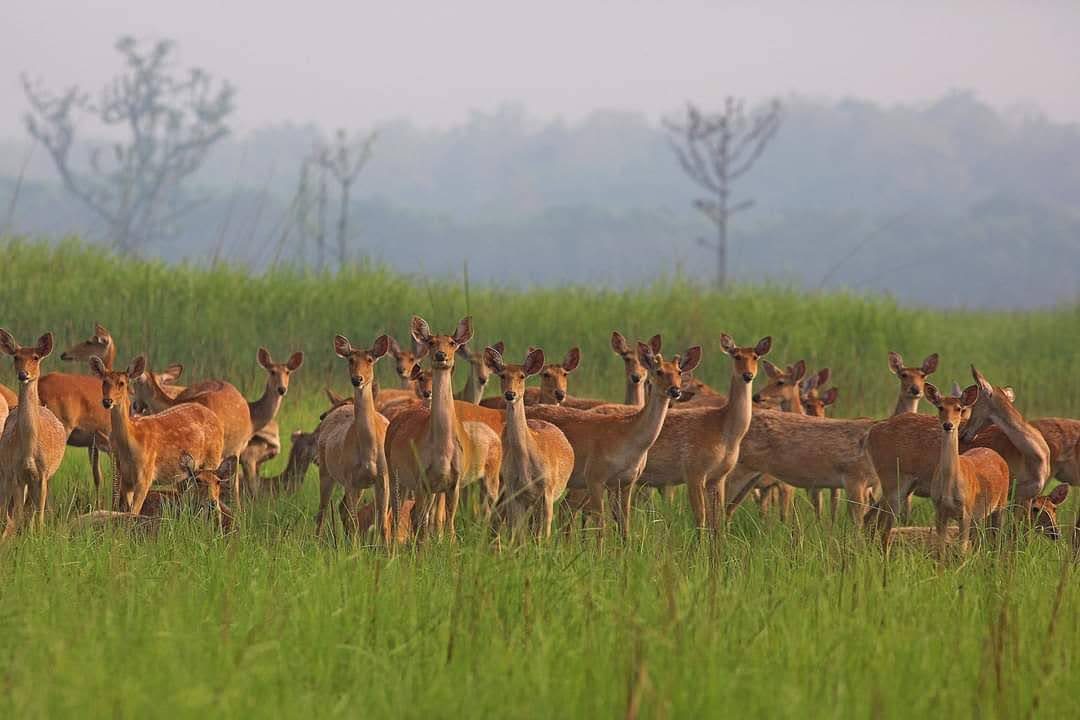
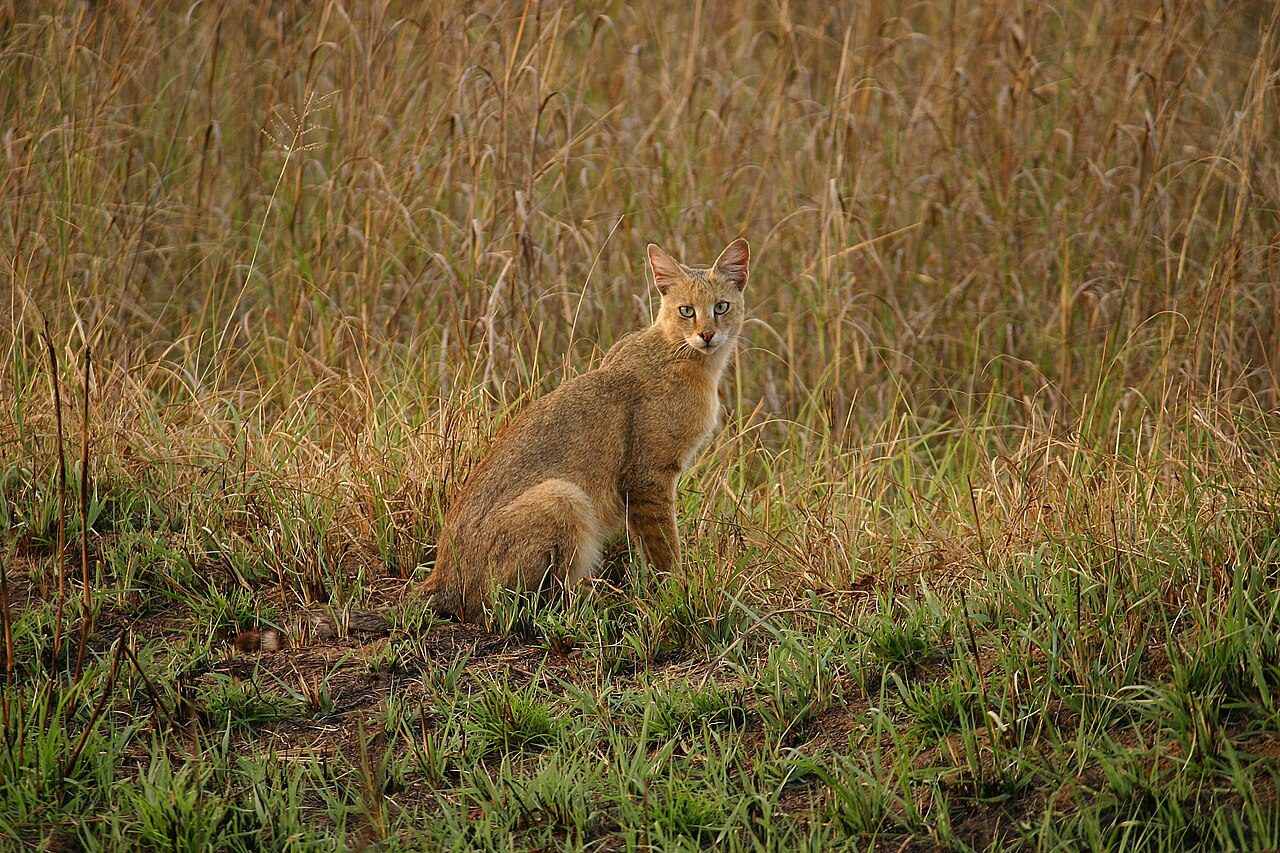
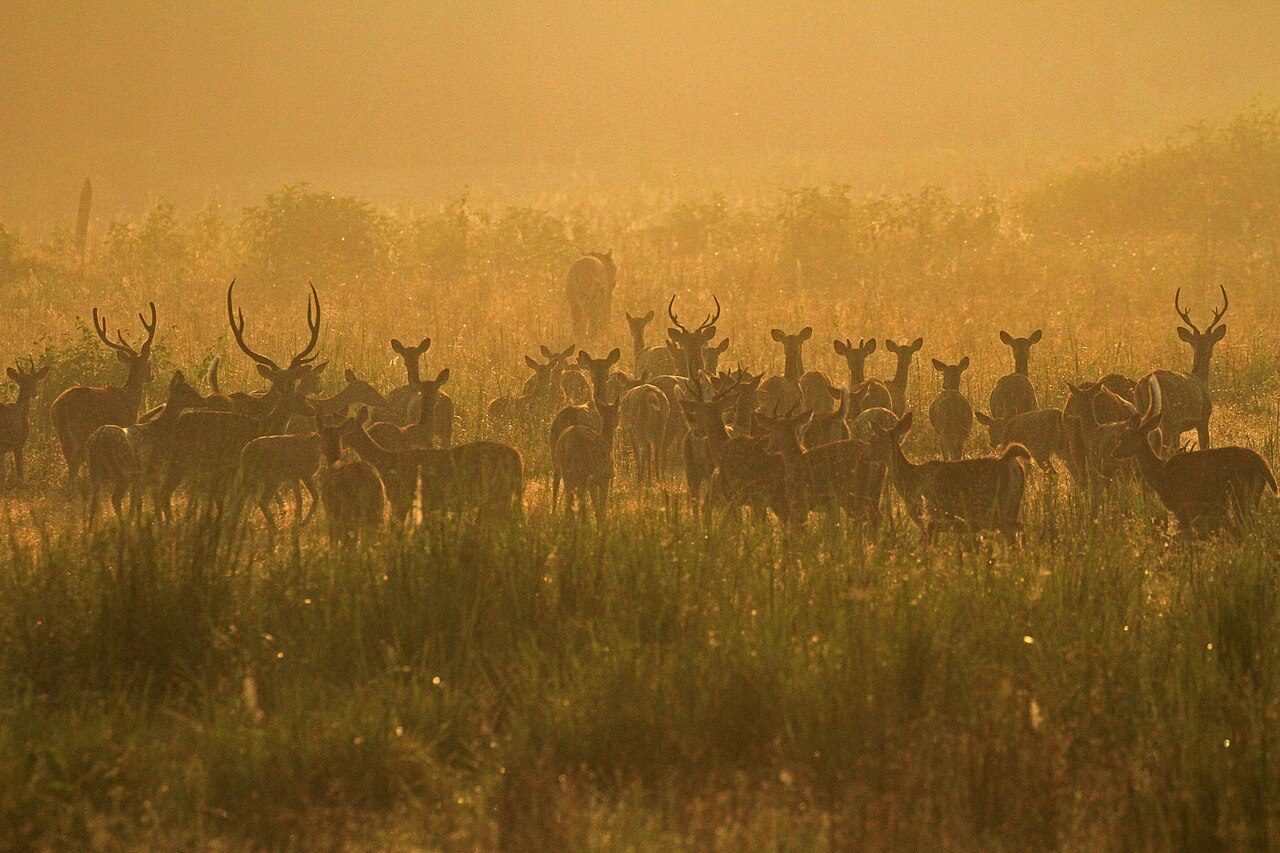
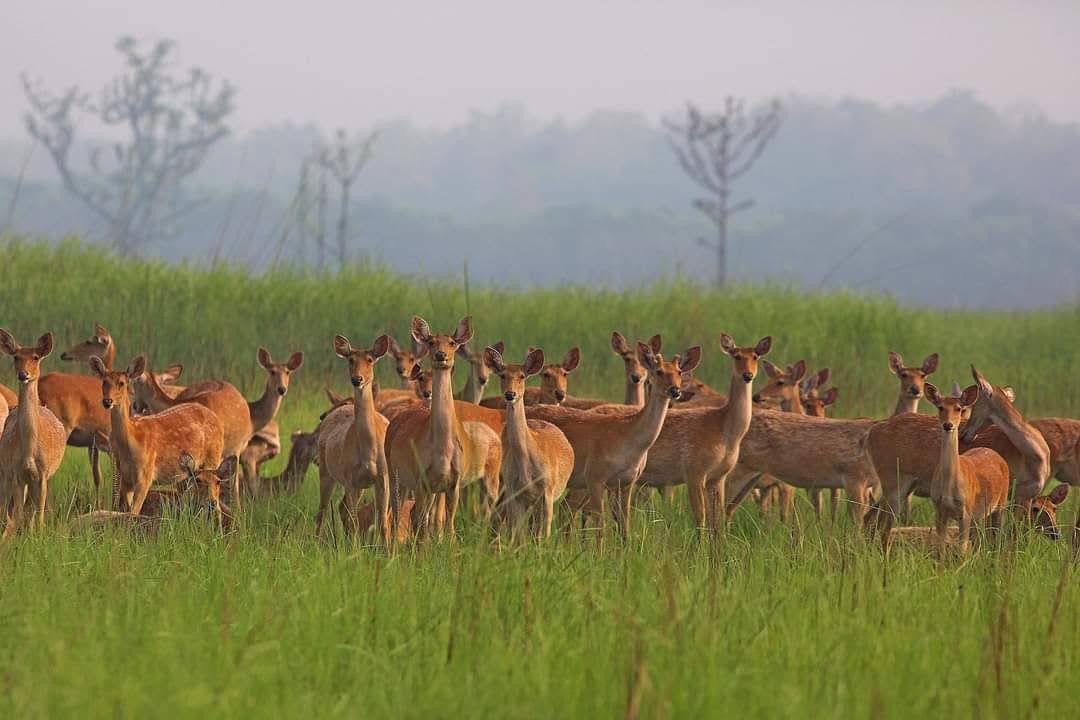
On the grasslands above it, the barasingha, or swamp deer, holds on as one of India's rarest deer species, and for the patient observer, there is the genuine possibility, however slim, of the fishing cat — a small, semi-aquatic predator that most visitors to India will never encounter in a lifetime of safaris, and one that says a great deal about the health of a wetland when it is present at all.
A fishing cat on a grassy track in low sun
Birdlife

The Birdlife of the Terai Arc

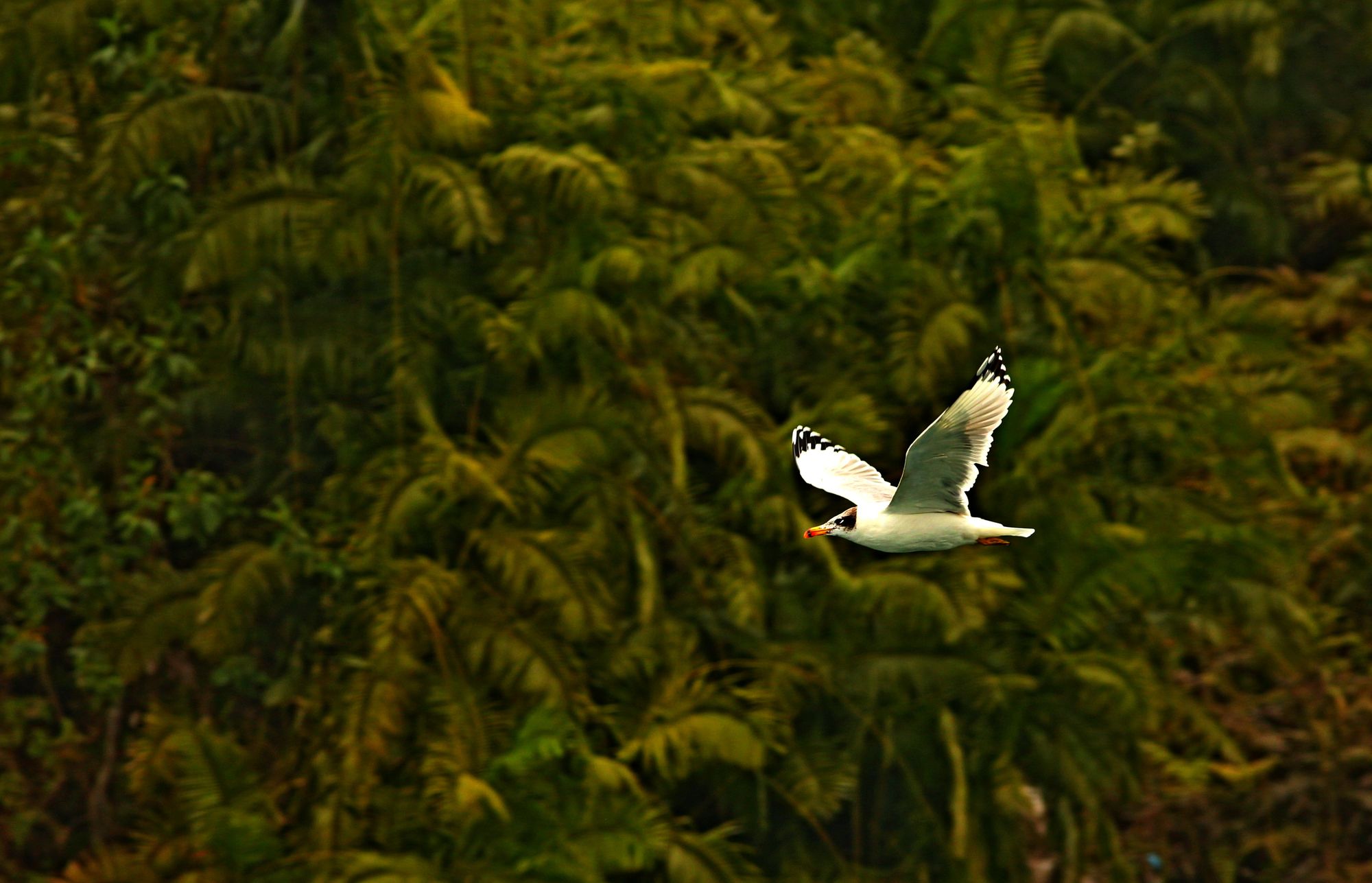
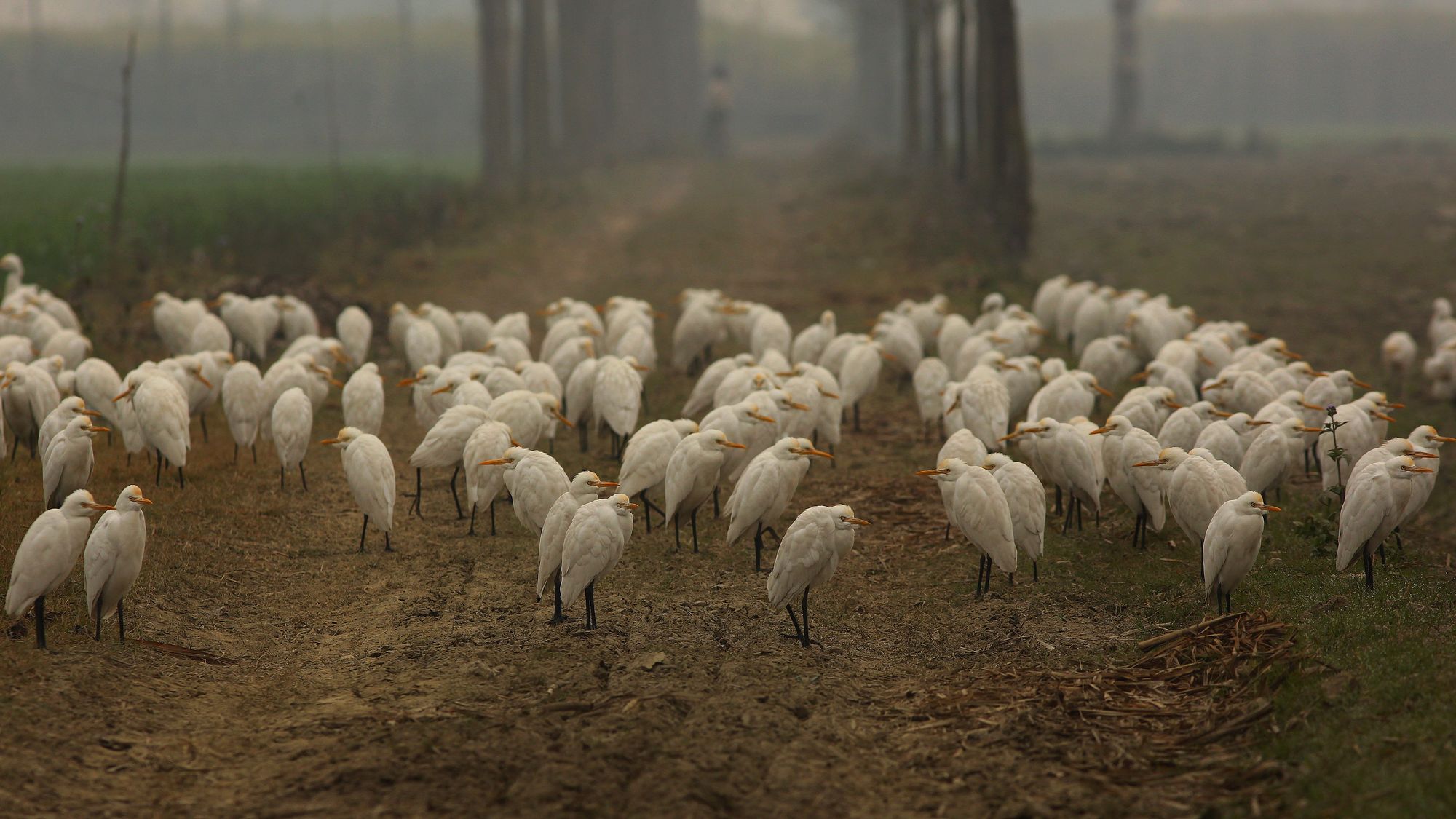
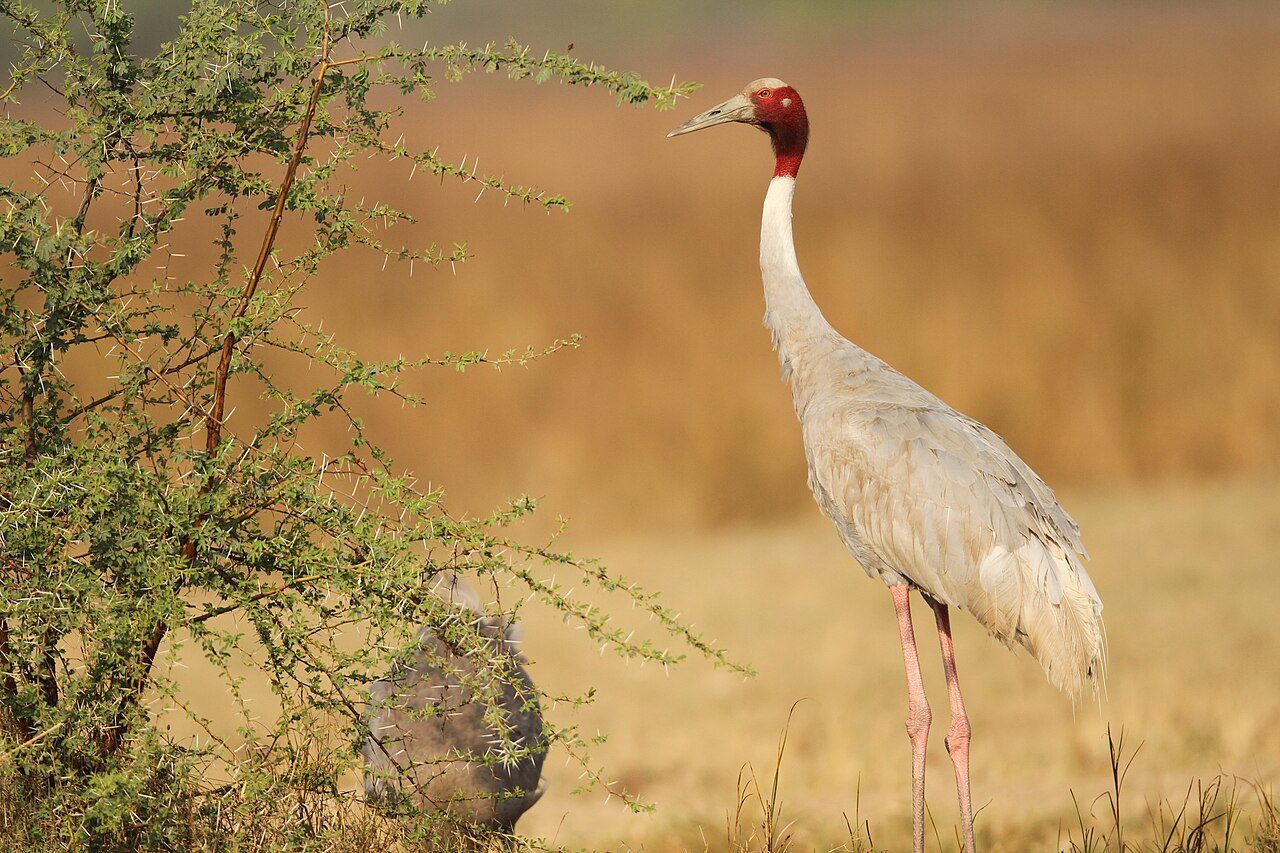
For a serious birder, the Terai Arc rewards a different kind of attention than the mammal-focused game drive, and it is worth building time for it deliberately rather than treating birdlife as incidental. Over 600 species have been recorded across the Corbett stretch of the corridor alone, and the range on offer says something about how varied this landscape actually is beneath its single name.
Add the wetlands of Katarniaghat, and the corridor becomes a genuine destination for birding in its own right — not a sideline to the tiger, but a reason to come here on its own terms.

Experiences

Ways to experience the Terai Arc

The case for the corridor

What sets the corridor apart

A corridor, not a park

Six protected areas read as one landscape. Moving through two or three in sequence shows you how the Himalayan foothills actually work.

A quarter of India's wild tigers

Close to a quarter of India's wild tiger population lives within the wider Terai Arc Landscape, a matter of scale more than of any single reserve.

Rhino country in the north

Reintroduced from Assam and Nepal in the 1980s, the greater one-horned rhinoceros is found nowhere else in northern India in a wild, self-sustaining population.

Beyond the tiger

Gharial, Gangetic dolphin, barasingha, fishing cat and over 600 bird species make this as much a river and grassland journey as a tiger one.

A different grammar of safari

Zones, permits, timed drives and local guides shape each day. Handled well, they become the structure of the journey rather than its obstacles.

Mist, light and season

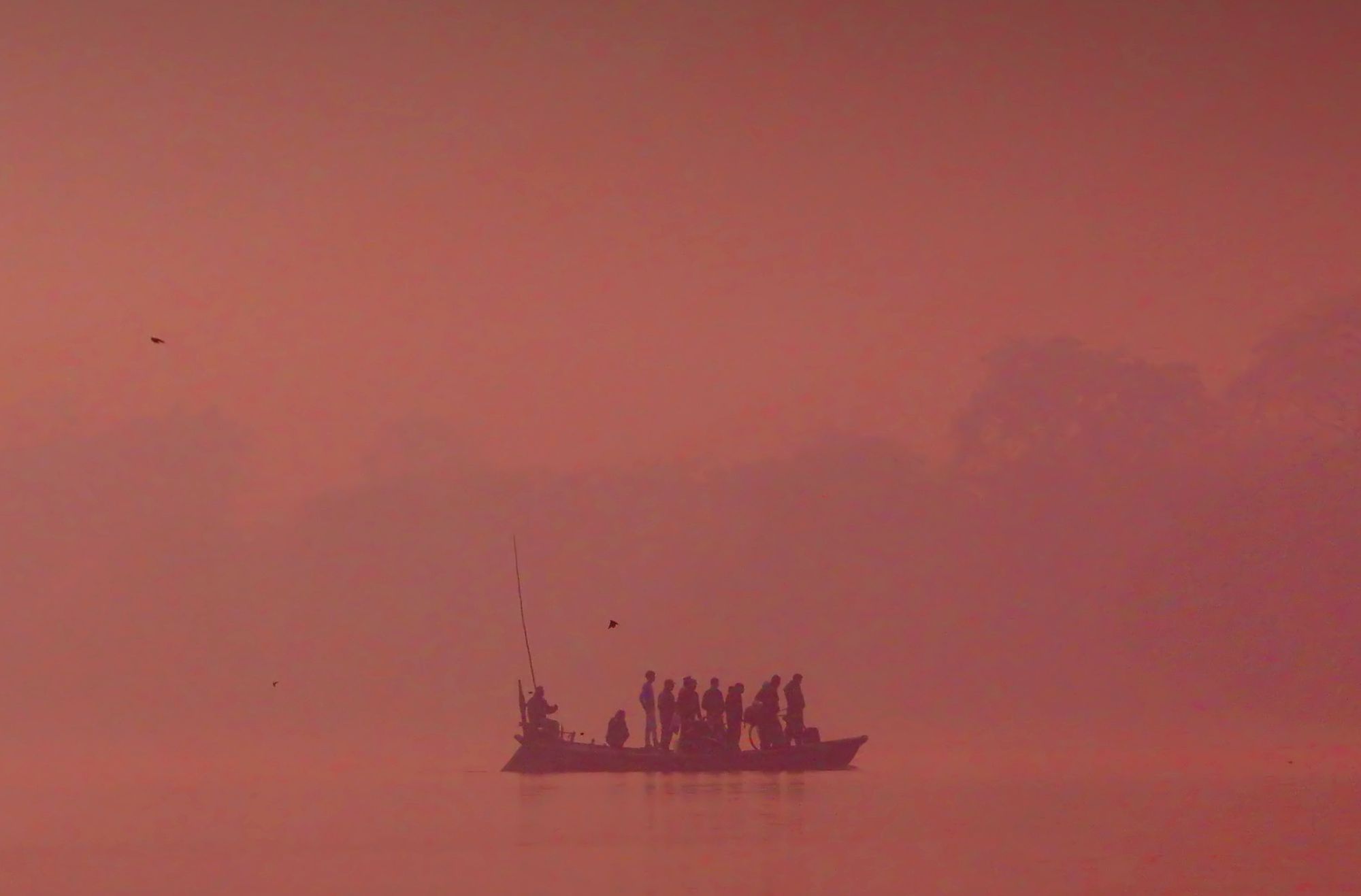
From November to February, dawn mist settles over the grasslands, bird activity peaks and animals come to forest edges and water in the first hour.

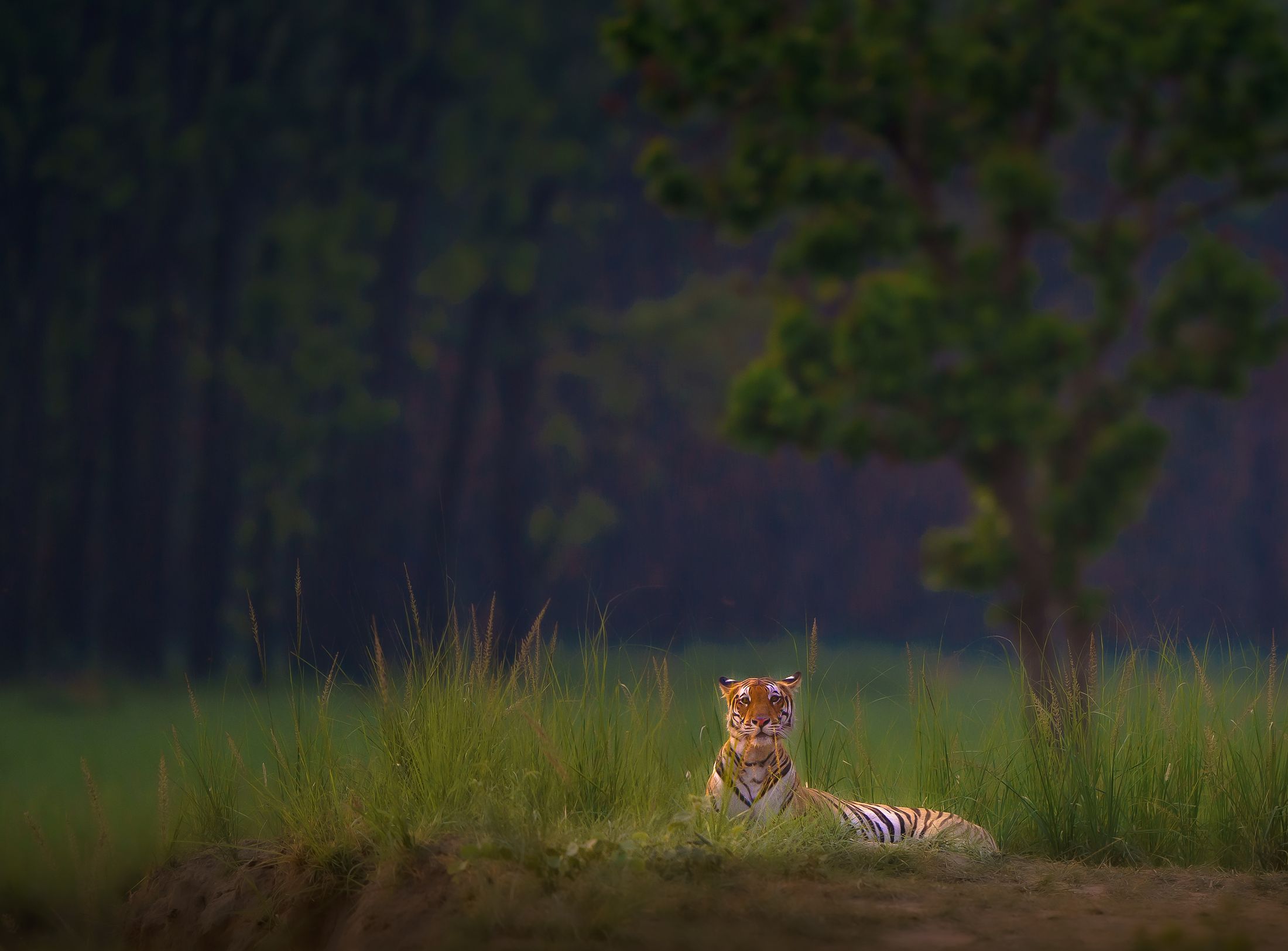
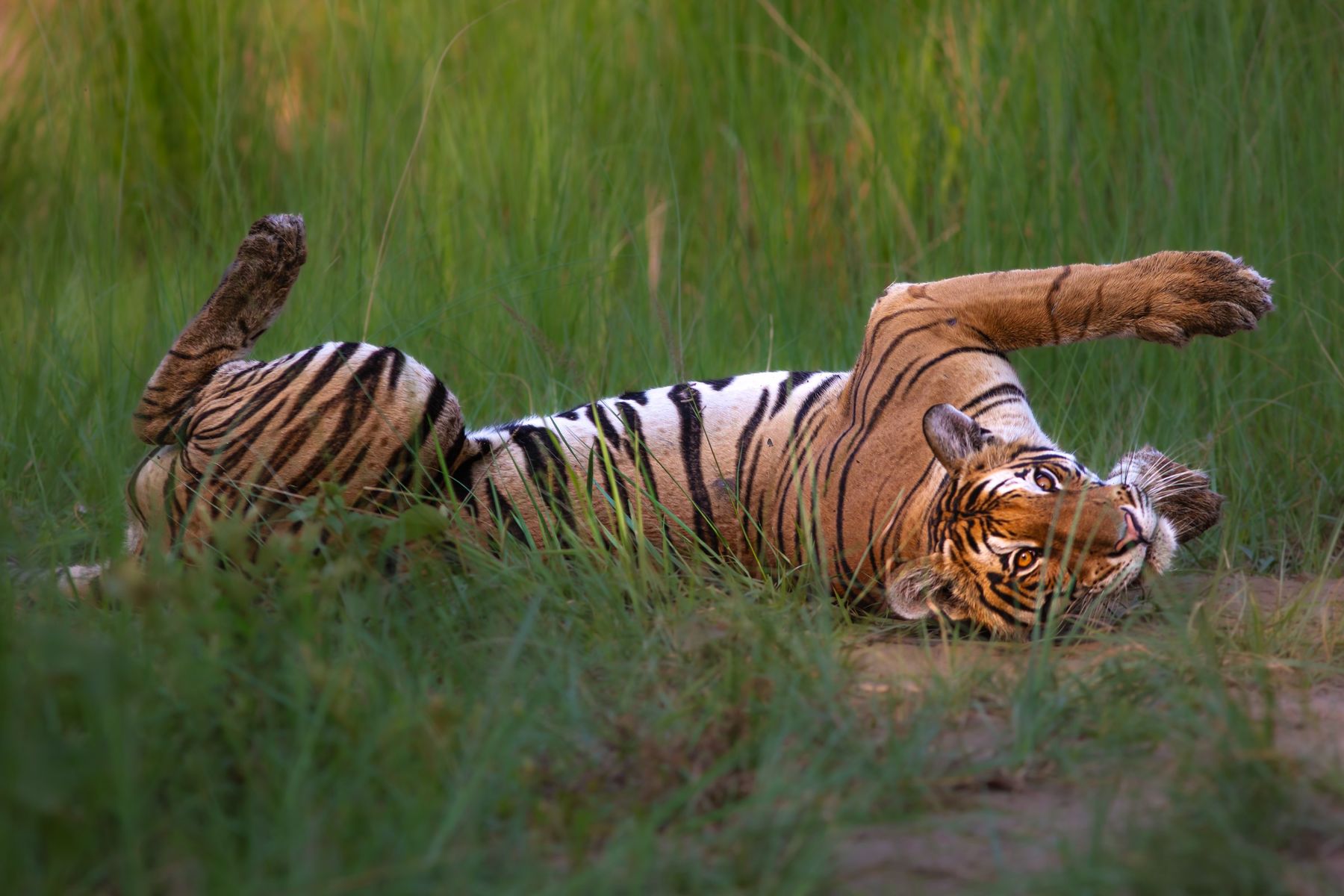
A tiger resting in grassland in the last light
In the field

More of what lives here

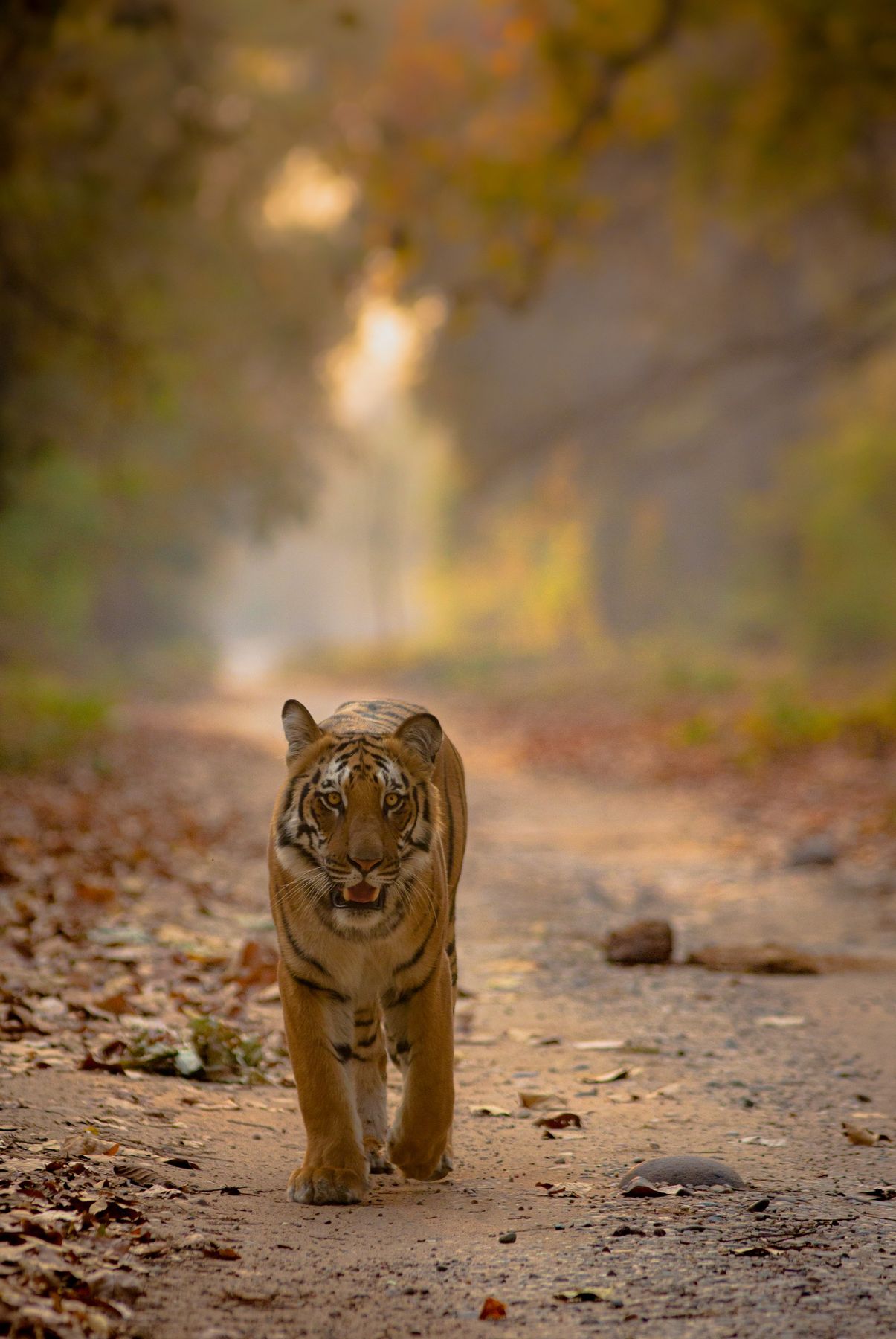
The corridor's tigers are its great draw, and a naturalist who knows the forest will show you them on their own terms: at rest in the grass, walking the tracks at first light, watching from the trees.

People and place

Life around the wilderness

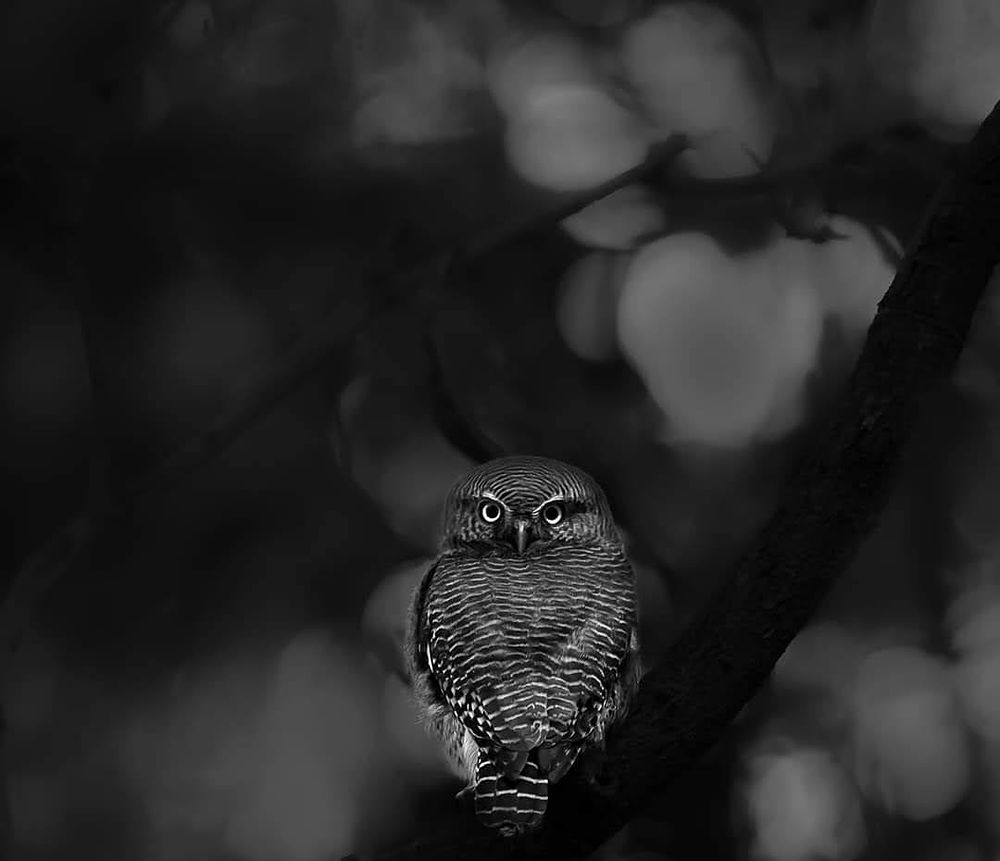
FolkloreThe spot-bellied eagle-owl is known locally as the "ghost of the forest", its call woven into local folklore.
Local knowledgeIn most reserves a local guide rides alongside your naturalist, adding another layer of knowledge of the ground.
The GangaAt Rajaji the Ganga leaves the mountains at Haridwar, cutting the park in two.
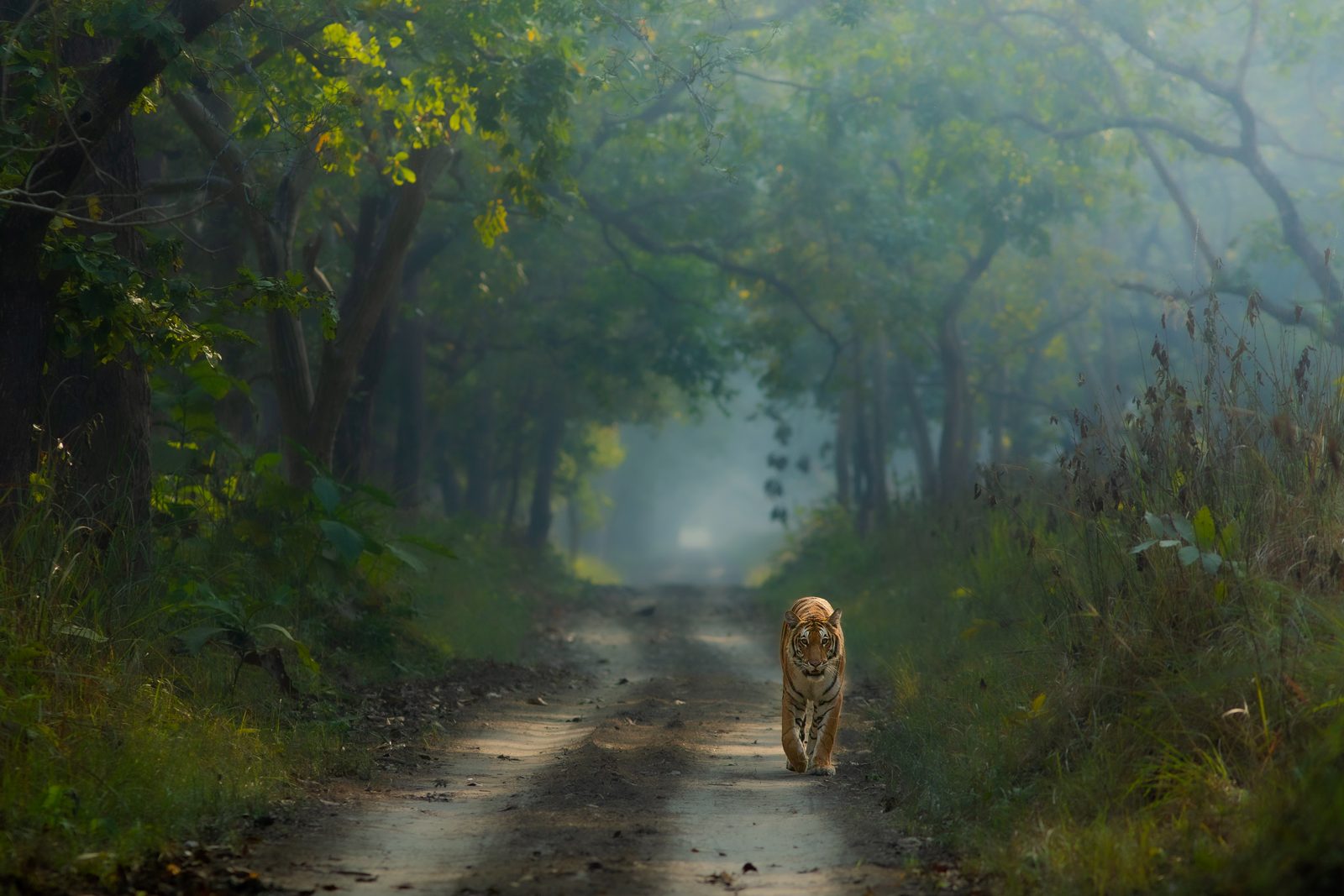
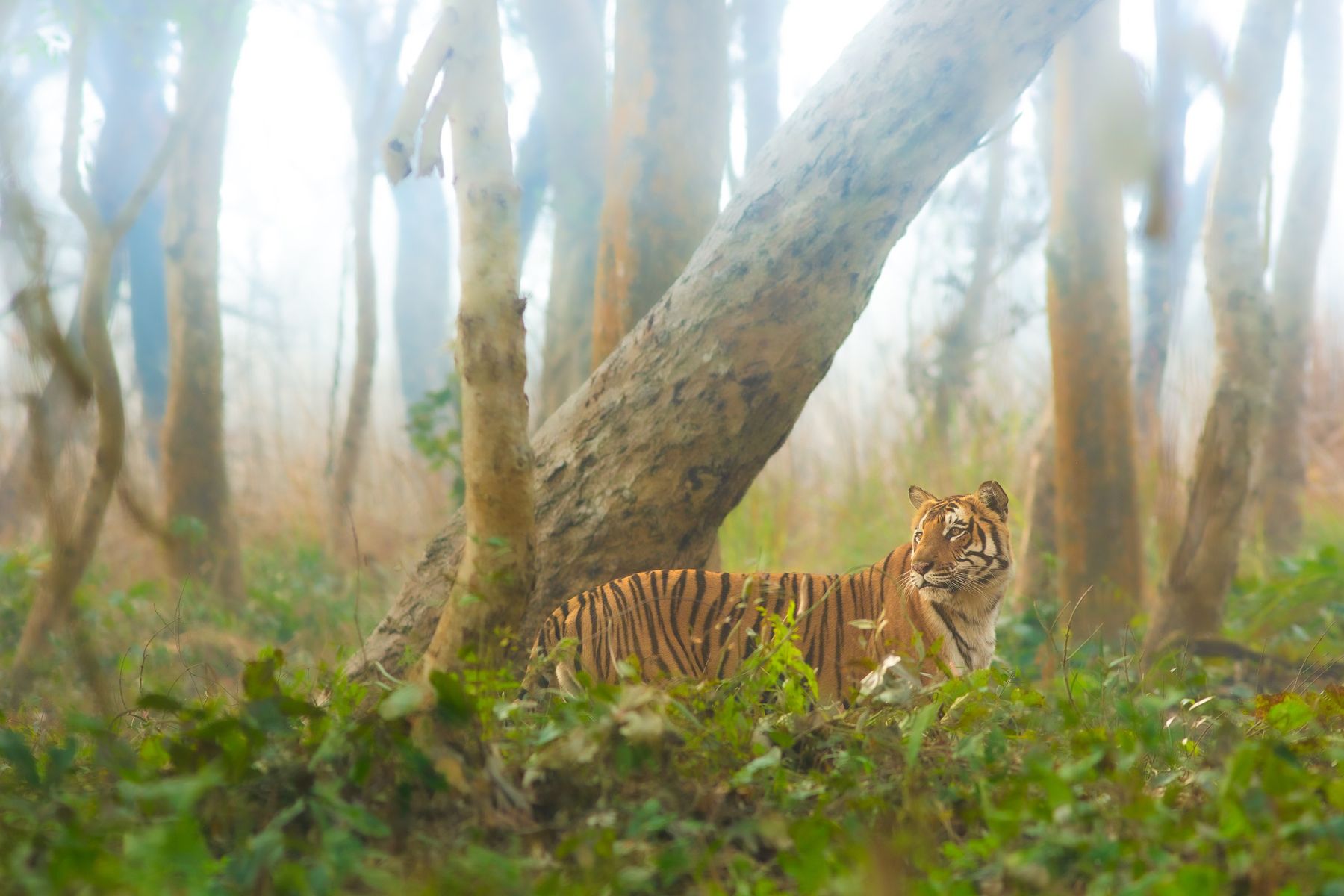
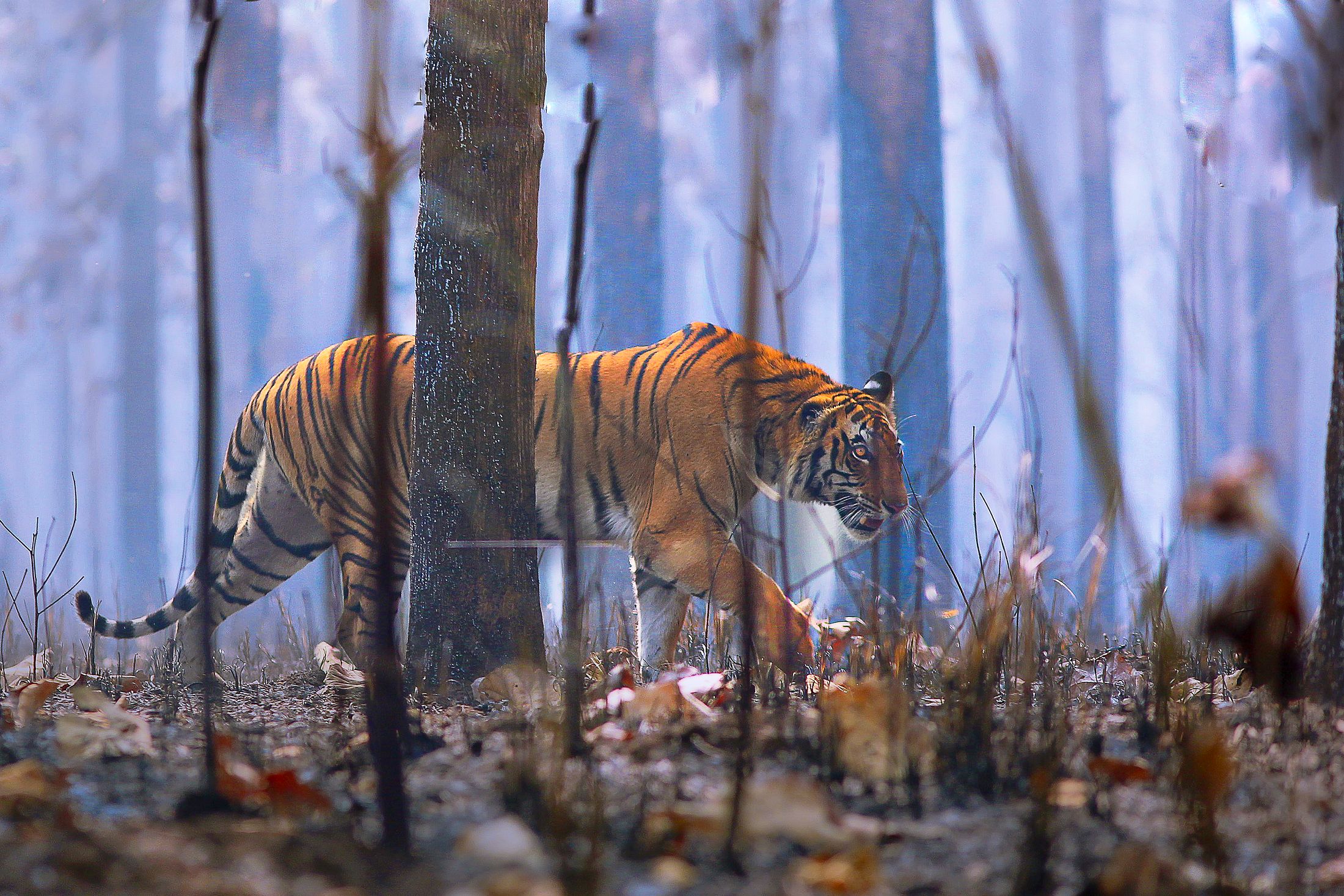
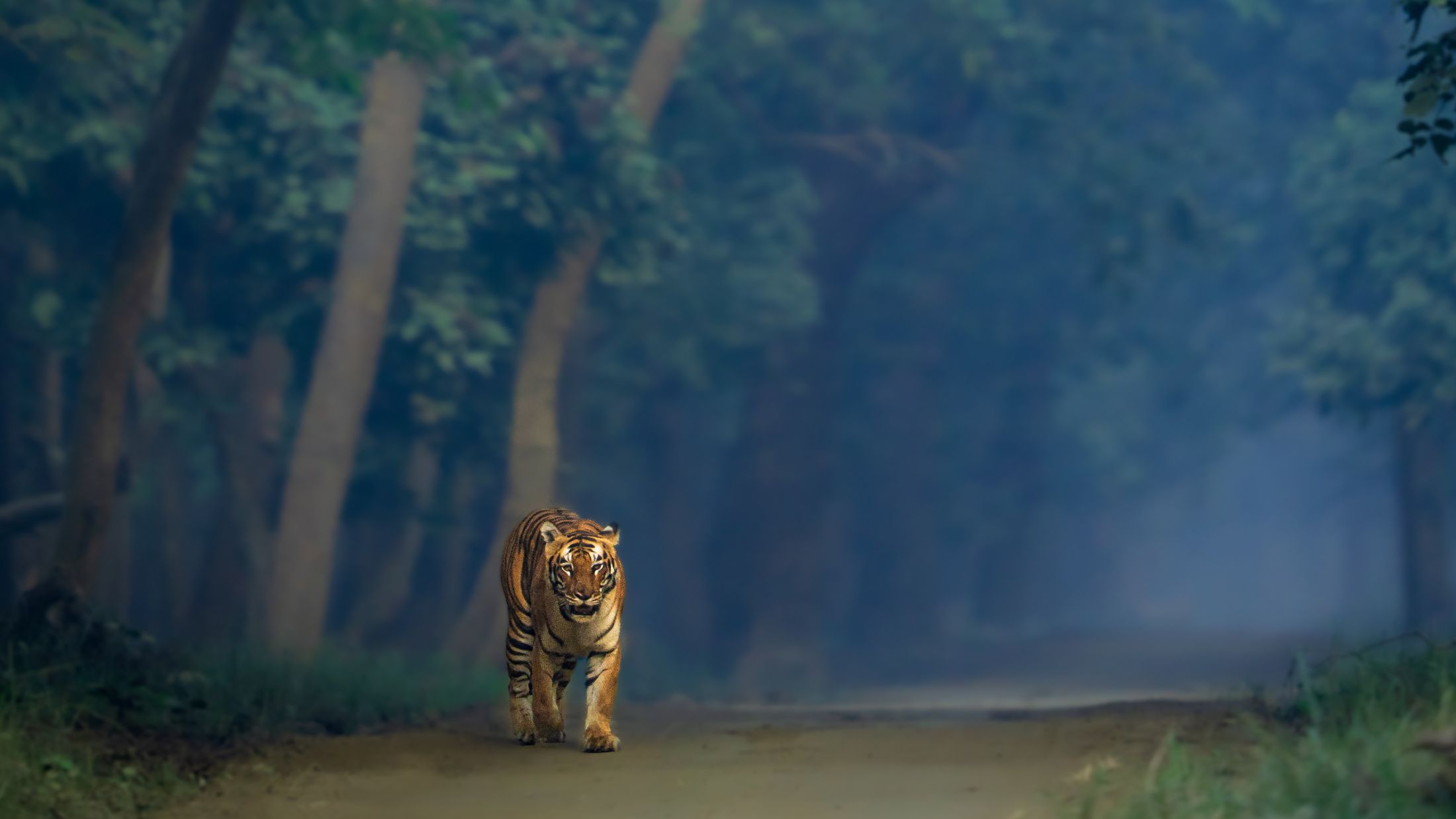
A tiger walking through misty sal forest
Conservation

Conservation is part of the journey

The Terai Arc Landscape is one of global conservation's clearer case studies in why connectivity, not acreage alone, determines whether a species survives in the long term.

A tiger population confined permanently to a single reserve, however well protected, eventually faces the genetic consequences of isolation — reduced diversity, and over enough generations, reduced resilience to disease and environmental change.

The corridor exists, in policy terms as much as ecological ones, specifically to prevent that outcome, linking protected cores through forest patches, river corridors and, increasingly, engineered wildlife underpasses beneath the highways now cutting across this belt.

Supporting travel into this landscape, done through operators who understand and respect that fragility, contributes in a direct sense to the argument that the corridor is worth keeping intact — that the land has more value connected than fragmented.

How Safari Vista India supports conservation
West to east

The Reserves That Make Up the Corridor

Each protected area along the Terai Arc offers a different way into the same underlying landscape, and part of what a well-designed journey here does is choose between them deliberately, rather than defaulting to the most famous name.

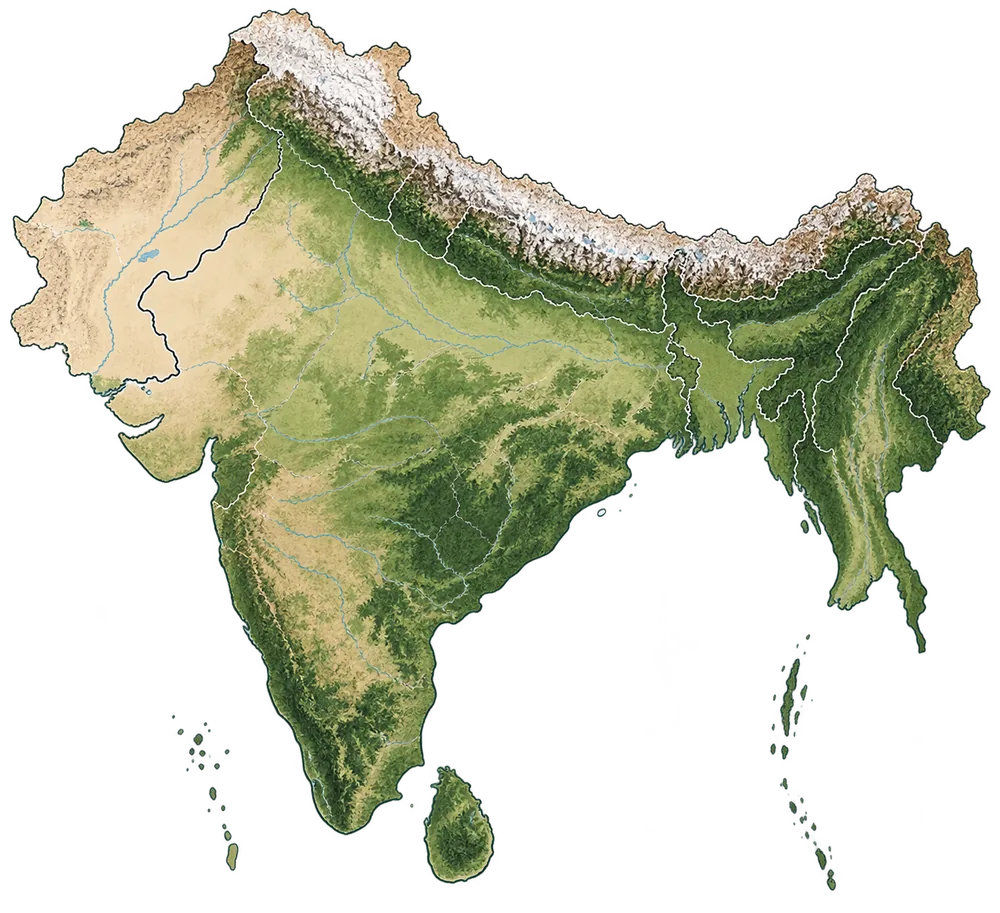
Terai Arc
Where the Terai Arc lies in the Indian subcontinent. Indicative, not to scale.
Journey design

The Terai Arc rarely stands alone

The Terai Arc sits naturally alongside two other Safari Vista India landscapes for travellers building a longer itinerary. The Shivalik Wilds, built around Rajaji and its wider elephant reserve, shares physical geography with the Arc's western end and can be woven into the same journey rather than visited separately. Further afield, travellers with more time often pair the Terai Arc with the very different tidal wilderness of the Sundarbans, or with Nepal's own Chitwan and Bardia — both of which extend this same Himalayan foothill ecosystem across the border, and both of which reward the same corridor-literate approach to planning.

The Safari Vista India Way

The Vista Standard

A journey through the Terai Arc, built properly, is not a sequence of hotel bookings connected by a driver. It is a single, privately designed itinerary, planned around your own interests, pace and season by a naturalist who has spent years reading exactly this landscape — one vehicle, yours alone, for the length of your journey; no fixed departure dates dictating when you travel; specialist ground handling across every permit, zone and park transition described above; and one person, from the first conversation to the last morning in the field, responsible for the entire arc of the trip. Conservation is not an add-on presented at checkout, but a working part of how the journey is designed from the outset.

One vehicle. Yours alone.

For the full length of the journey, with no shared seats.

A naturalist, not a driver-guide.

Someone who has spent years reading this landscape, and teaches you to read it too.

No fixed departures.

You travel when the season and your own calendar suit.

Specialist ground handling.

Zones, permits and park transitions arranged so the corridor's logic shows from day to day.

Conservation, included.

Part of how the journey is designed from the outset, not an add-on at checkout.

One point of contact, throughout.

One person from the first conversation to the last morning in the field.

Practical information

Planning a Terai Arc journey

Most reserves along the corridor share a similar operating calendar, open from November through June and closed for the monsoon months the forest itself depends on to regenerate. The cooler window, from November through February, brings comfortable daytime temperatures, exceptional bird activity, and mist that settles over the grasslands at dawn in a way that photographs beautifully and also, practically, tends to bring animals to forest edges and water in the day's first hour. From March through May, as temperatures climb and surface water begins to disappear, wildlife concentrates predictably around what remains — often the most productive weeks of the year for tiger sightings specifically, though this comes at the cost of considerable heat, and is best suited to travellers who have been told honestly what that trade-off involves before they commit to it.

Mid-November – February

Winter

Cool, crisp mornings (5–20°C); mist over grasslands at dawn.

Peak migratory bird arrivals; comfortable, extended game drives.

Best for First-time visitors, birders, photographers wanting soft light.

March

Spring / Late Winter

Warming steadily (15–30°C); forest still green.

Wildlife activity high before the heat sets in; good balance of comfort and sightings.

Best for Travellers wanting strong odds without peak summer heat.

April – Mid-June

Summer

Hot, often 35–45°C by May; water sources shrinking.

Highest tiger and rhino sighting odds as wildlife concentrates near remaining water.

Best for Experienced travellers prioritising sightings over comfort.

Mid-June – Mid-November

Monsoon (Closed)

Heavy rainfall; most reserves closed to visitors.

Forest regeneration period — closure is ecological, not administrative.

For travellers Not open for safari travel.

When to go

Most reserves in the Terai Arc are open from November through June and close for the monsoon. November to February brings cool, misty mornings and peak bird activity, the natural choice for first-time visitors and birders. March balances comfort and sightings, while April to mid-June is hot but brings the highest tiger and rhino sighting odds as wildlife gathers near water.

Time to give the landscape

Allow seven to twelve days. A single tiger reserve such as Bandhavgarh or Ranthambore can be experienced in three or four days, but the Terai Arc is a corridor: to see how Corbett's forest connects to Pilibhit's grassland and Dudhwa's wetlands, a journey should move through at least two, ideally three, reserves in sequence.

3–4 days for a single reserve; 7–12 days for the corridor.

A single Indian tiger reserve — Bandhavgarh or Ranthambore, for instance — can be experienced meaningfully in three or four days, because the objective is largely singular: this park, this tiger population, this landscape. The Terai Arc asks a different question, and rewards a different structure. To actually experience the corridor as a corridor — to understand how Corbett's forest connects, in principle and sometimes in observable fact, to Pilibhit's grassland and onward to Dudhwa's wetlands — a journey needs to move through at least two, ideally three, of these reserves in sequence, which in practice means allowing somewhere between seven and twelve days depending on how many parks are included and how much time is given to each.

This is not a checklist itinerary. It is closer to reading a long-form piece of writing rather than a series of unconnected short stories: the meaning is in the sequence, not only in each individual chapter.

How the reserves work

Indian reserves run on a zone-and-permit system. Each park is divided into tourism zones with a capped number of vehicles per drive, safaris run in morning and afternoon slots rather than a full day, and most reserves require a local guide alongside your naturalist. A specialist ground team secures the right zone, permit and sequence of parks for the season.

For a traveller used to Africa's largely unrestricted game drives, it is worth understanding early that Indian reserves operate on a zone-and-permit system — each park divided into defined tourism zones with a capped number of vehicles per zone per drive, morning and afternoon safari slots rather than a full day in the field, and, in most reserves, a mandatory local guide riding alongside your naturalist. None of this is a limitation so much as a different grammar for the same pursuit, and a specialist ground team's real value lies substantially in navigating this system on your behalf — securing the right zone for the season, the right permit on the right date, and the right sequence of parks so that the corridor's logic is actually visible across the days you spend inside it, rather than experienced as a series of disconnected stops.

Questions

Questions about the Terai Arc

The Terai Arc is a roughly 800-kilometre corridor of forest, floodplain and grassland along the base of the Himalaya in Uttarakhand and Uttar Pradesh, from Corbett in the west to Dudhwa in the east. Its protected areas, Rajaji, Corbett, Pilibhit, Dudhwa, Kishanpur and Katarniaghat, are linked closely enough that tiger, elephant and rhinoceros still move as connected populations. Read more

Close to a quarter of India's wild tiger population lives within the wider Terai Arc Landscape. Its connected forests let tigers disperse and Asian elephants follow seasonal routes, and its grasslands hold northern India's only wild, self-sustaining population of the greater one-horned rhinoceros. Its rivers support gharial and Gangetic dolphin, and over 600 bird species have been recorded across the Corbett stretch alone. Read more

Close to a quarter of India's wild tigers live in the wider Terai Arc Landscape, and April to mid-June brings the highest sighting odds as wildlife concentrates near water. A good naturalist also teaches you to read a tiger's presence through pugmarks, langur alarm calls and territorial scrapes, so the forest is meaningful even on the days a tiger stays hidden. Read more

A single reserve offers one park, one tiger population and one landscape. The Terai Arc is experienced as a sequence: Corbett's sal forest, Pilibhit's grassland, Dudhwa's wetlands and the Girwa river at Katarniaghat, each a different way into the same underlying landscape. The meaning is in that sequence, which is why a journey here moves through at least two, ideally three, reserves. Read more

Each journey is a single, privately designed itinerary, planned around your interests, pace and season by a naturalist who has spent years in this landscape. You have one vehicle, yours alone, throughout; there are no fixed departure dates; permits, zones and park transitions are handled by a specialist ground team; and one person is responsible for the whole journey. Read more

Yes. The Shivalik Wilds, built around Rajaji and its wider elephant reserve, can be woven into the same journey. Travellers with more time often pair the Terai Arc with the tidal wilderness of the Sundarbans, or with Chitwan and Bardia in Nepal, which extend the same Himalayan foothill ecosystem across the border. Read more

Yes. Mid-November to February suits first-time visitors best: crisp mornings of around 5–20°C, mist over the grasslands at dawn, peak migratory bird arrivals and comfortable, extended game drives. The main adjustment for travellers who know Africa is the zone-and-permit system, which a specialist ground team handles on your behalf. Read more

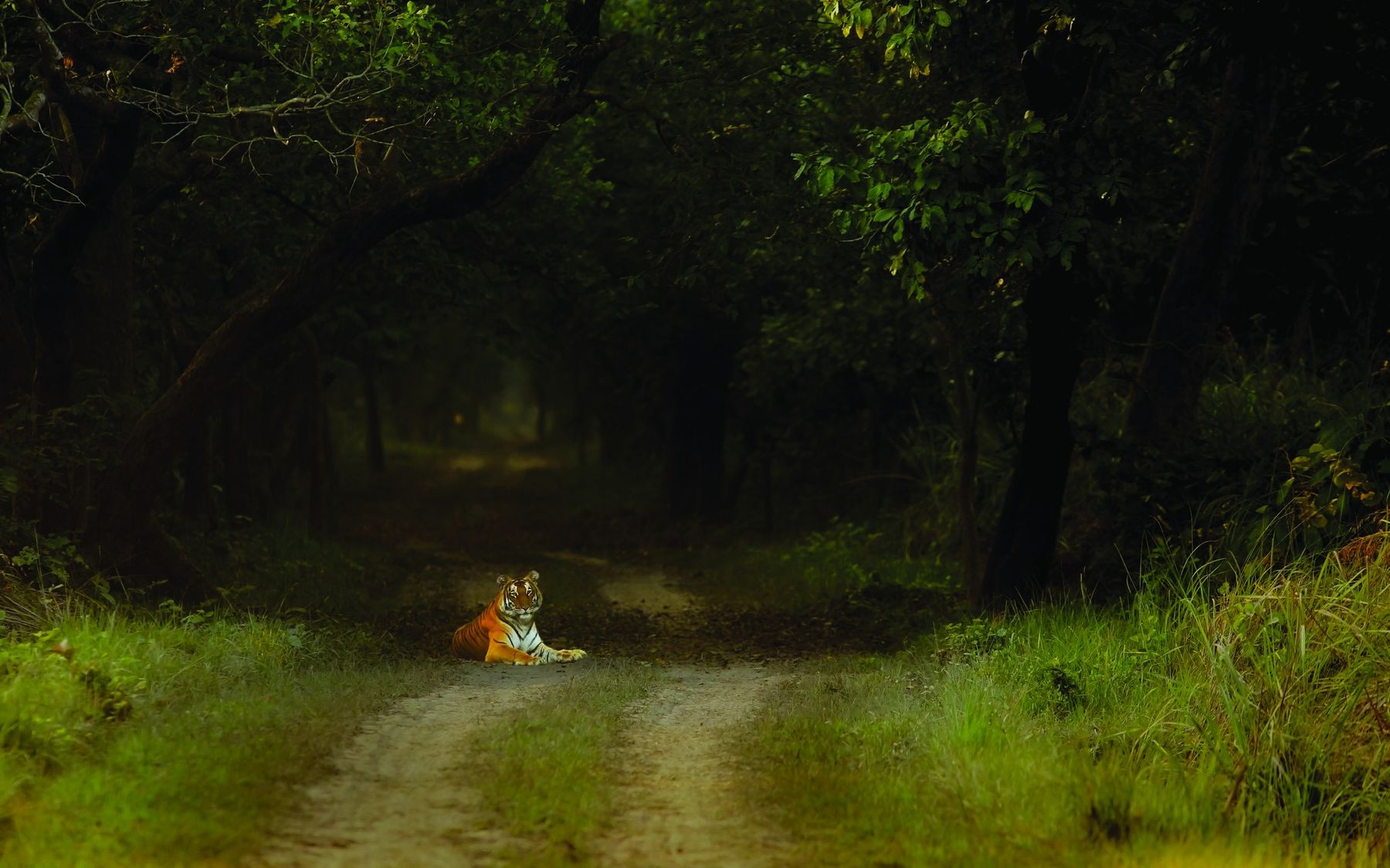
A tiger on a misty forest road
India rewards those who take the time to see it properly.

If this is the kind of understanding you want brought to your own India journey, the right next step is simply a conversation.

Begin Your Journey

Tell us how you want to experience India, and we will design the journey around you.