Plan Your Journey
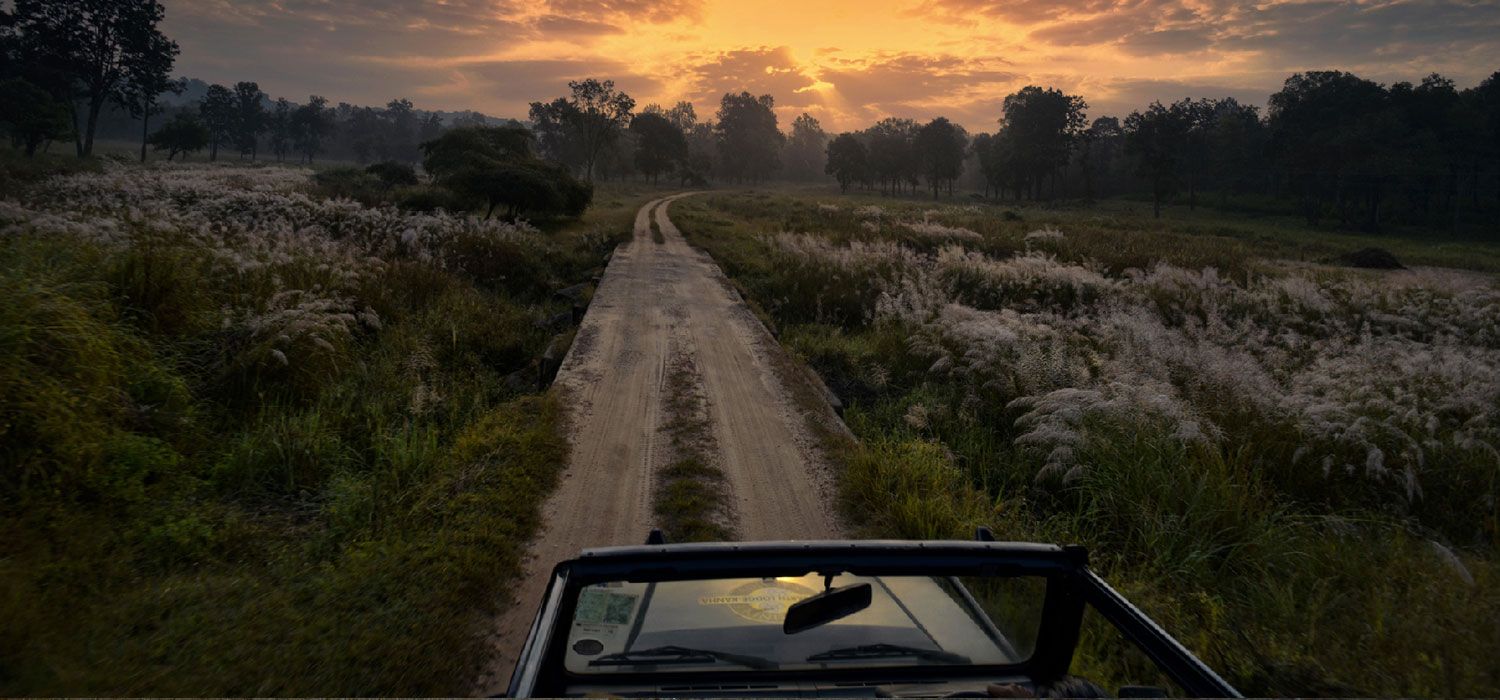
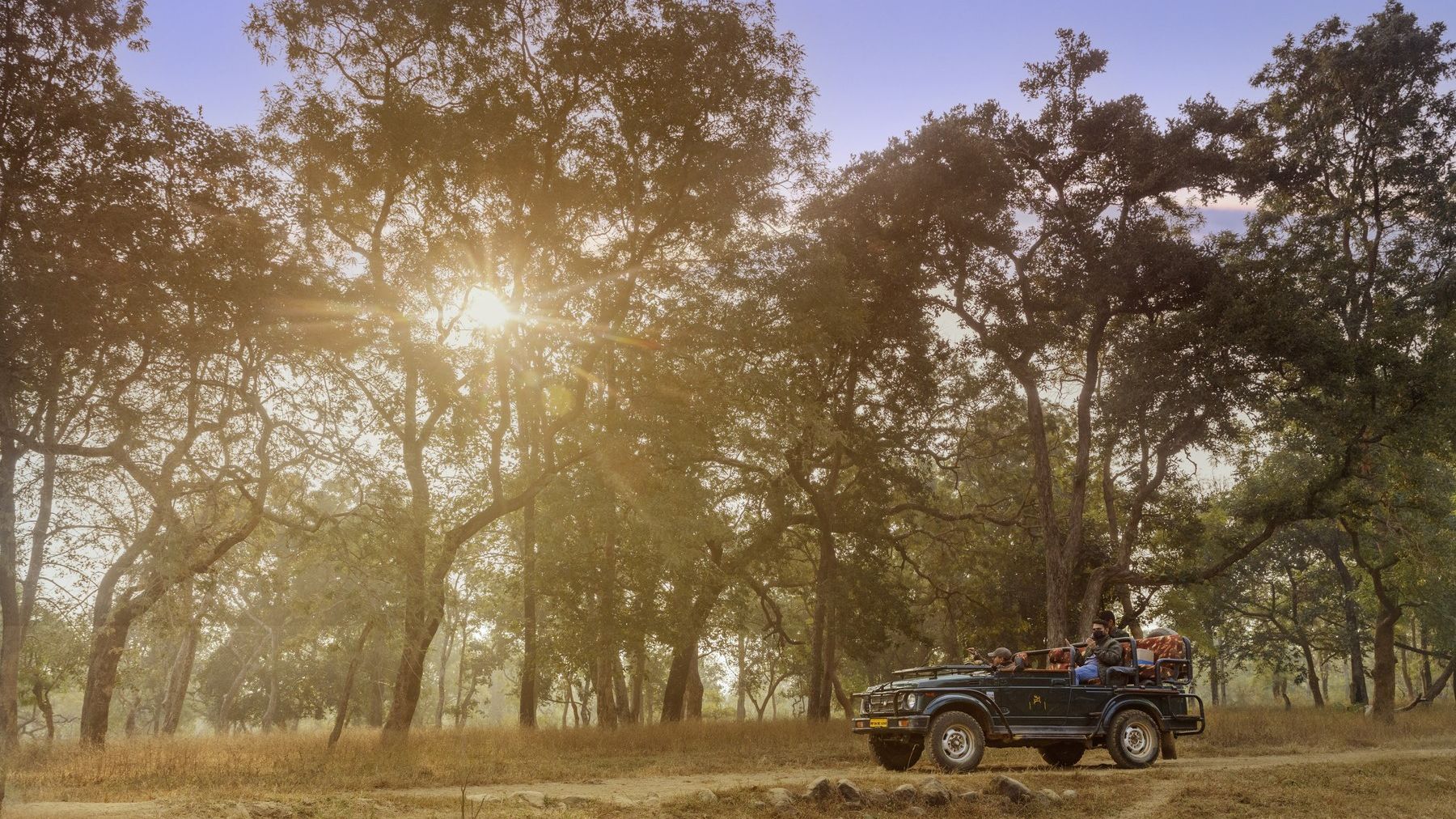
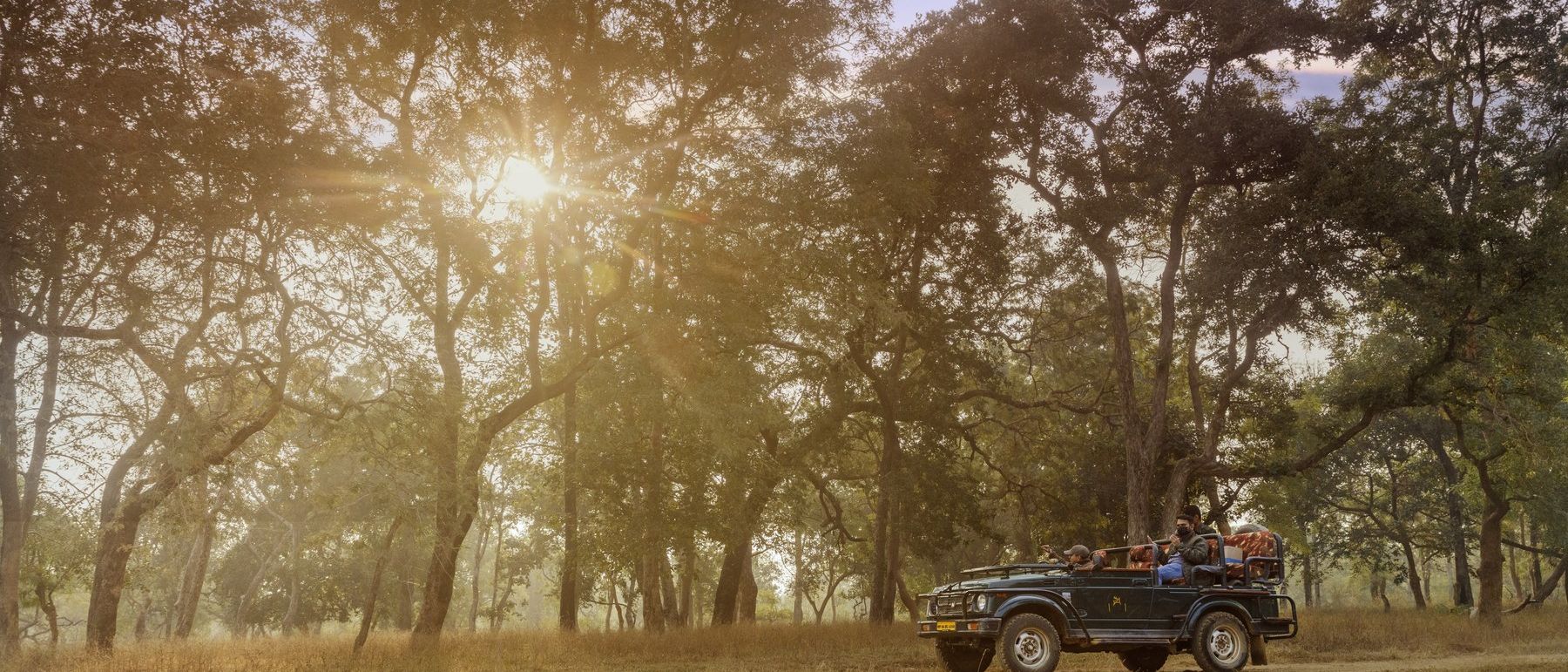
Sunlight breaking through sal and teak forest, an open safari vehicle on the trackPhoto: Bori Safari Lodge

Home / Journeys / The Central Indian Forests

Madhya Pradesh & Maharashtra · India

The Central Indian Forests

Tiger Country in the Heart of India

Private journeys through the sal and teak forests of Madhya Pradesh and Maharashtra, where tigers are at their densest, the hard-ground barasingha was brought back from the edge, and Satpura can be explored on foot.

Begin Your Journey

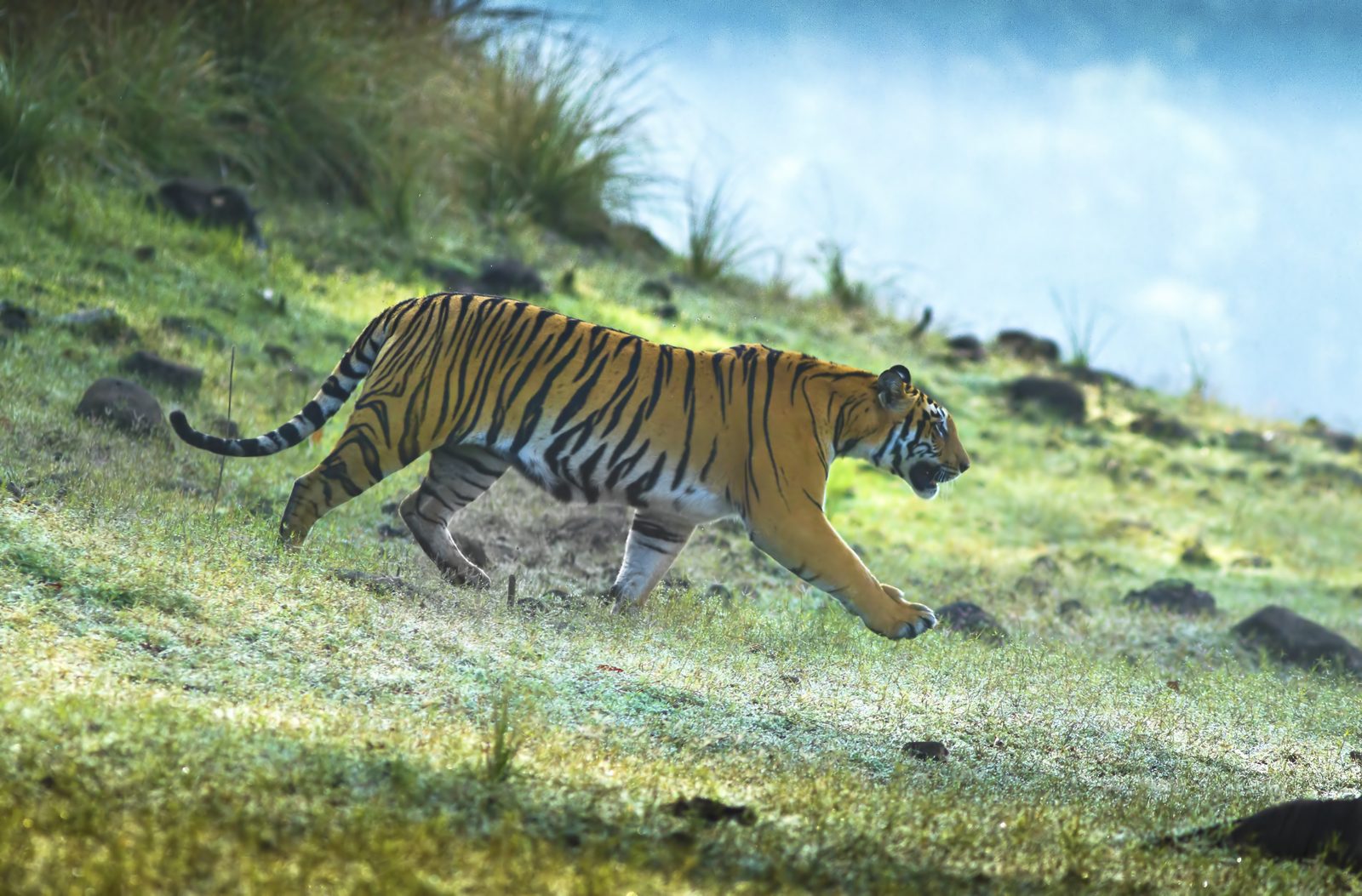
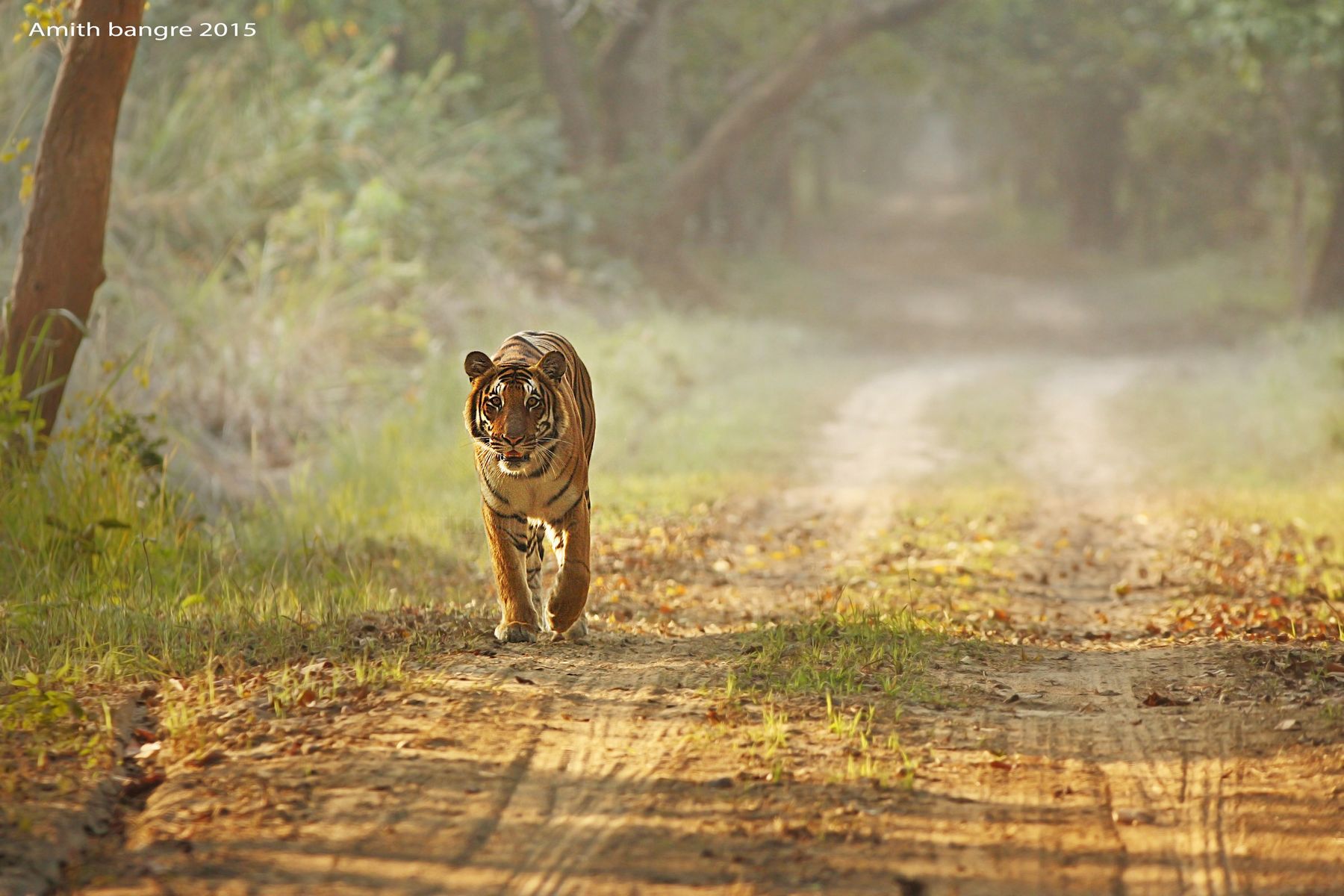
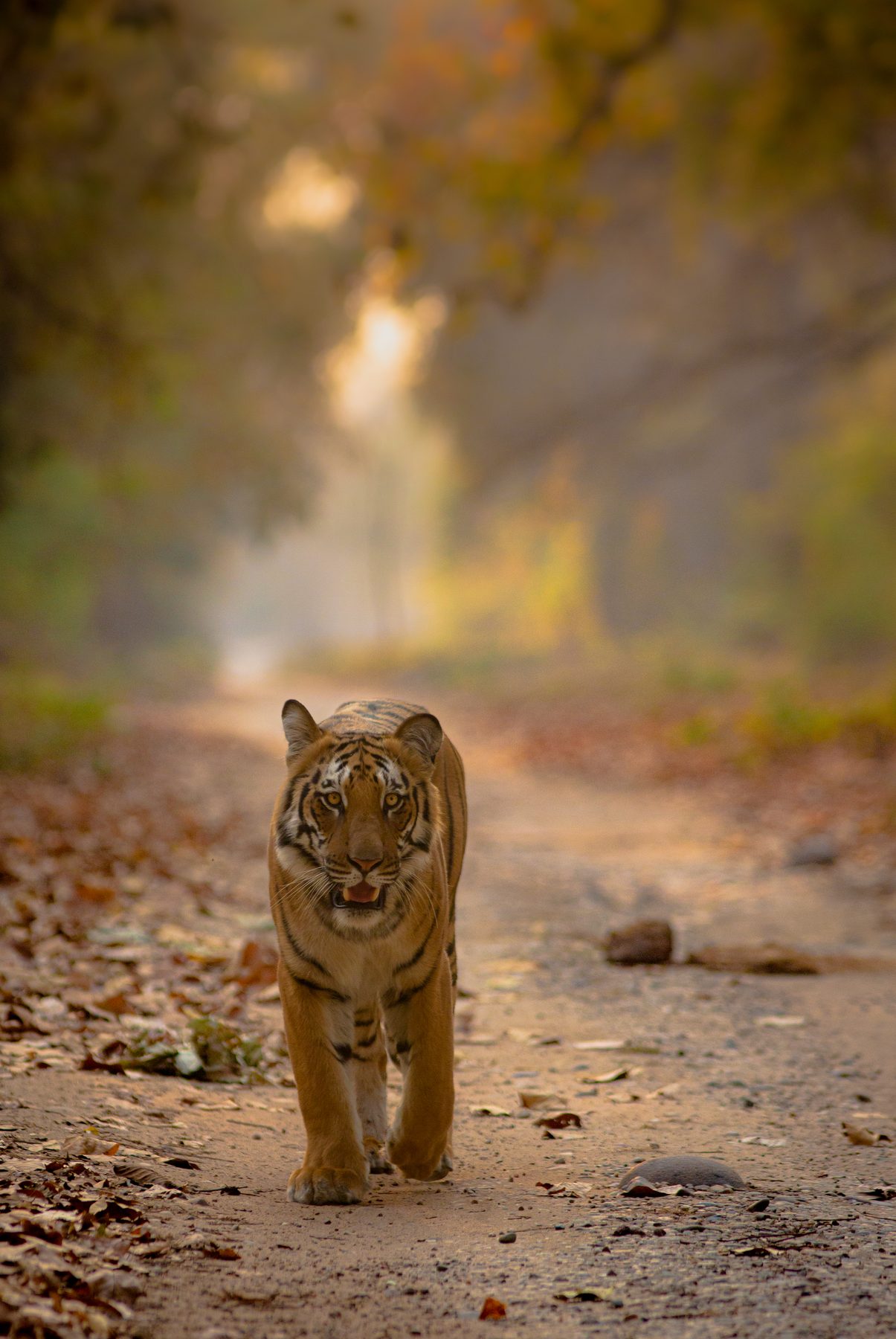
Sal forest breaking into wide, grassy meadows. A tiger stepping unhurried across a dirt track at first light.

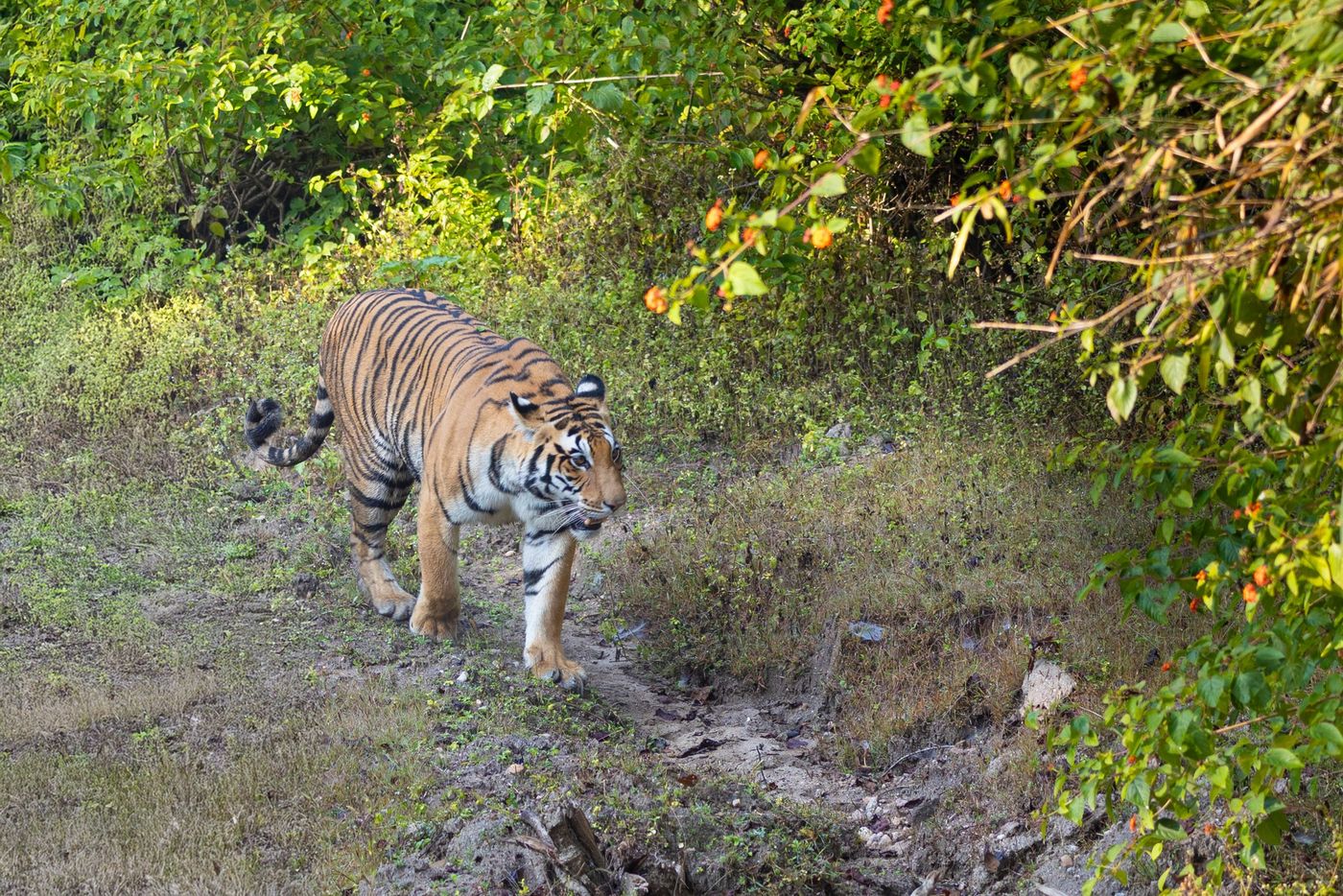
A tiger walking towards the camera along a leaf-strewn forest track in soft morning light
The classic Indian jungle

The tiger landscape you have pictured

Ask most first-time visitors to picture an Indian jungle, and — whether or not they can name the place — what usually comes to mind is this landscape. This is the country that gave Rudyard Kipling his Jungle Book, and it remains, more than a century later, the closest thing India has to a definitive tiger landscape: Kanha, Bandhavgarh, Pench, Tadoba and Satpura, spread across Madhya Pradesh and Maharashtra in the geographic centre of the country.

For a traveller who has spent time in Africa's dense-bush reserves, the terrain here will feel more open and more legible — long sightlines across meadow and grassland, forest broken by clearing rather than closing over it entirely.

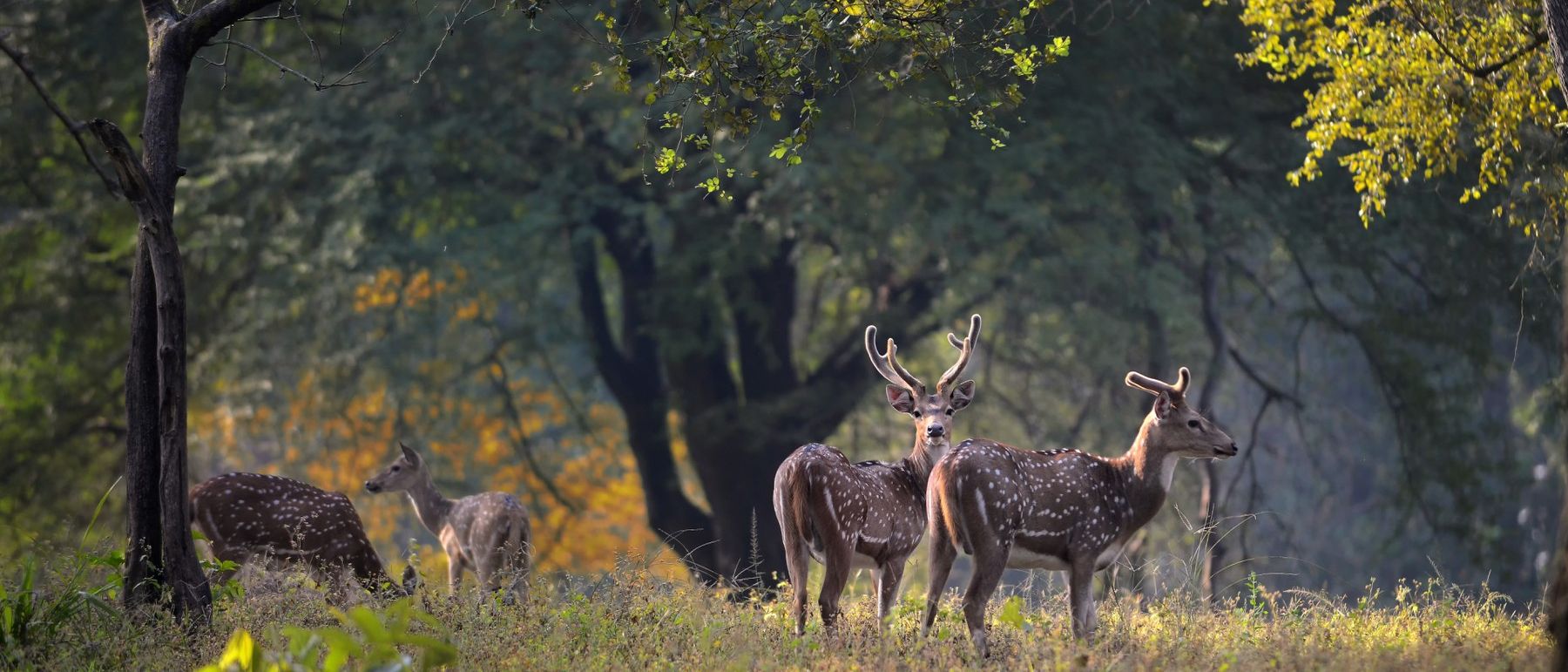
Chital stags standing at the edge of an open forest glade in soft morning lightPhoto: Pugdundee Safaris
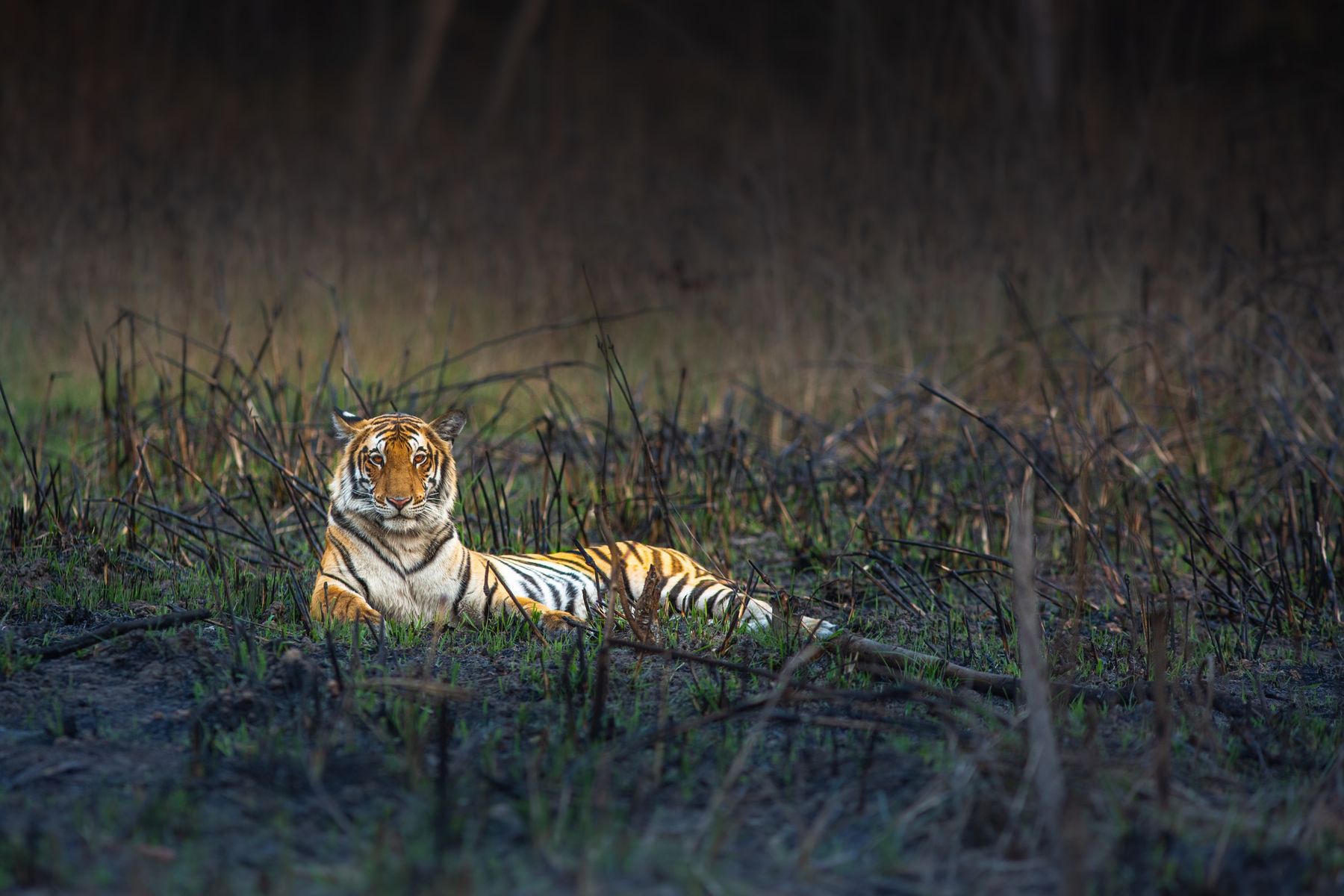
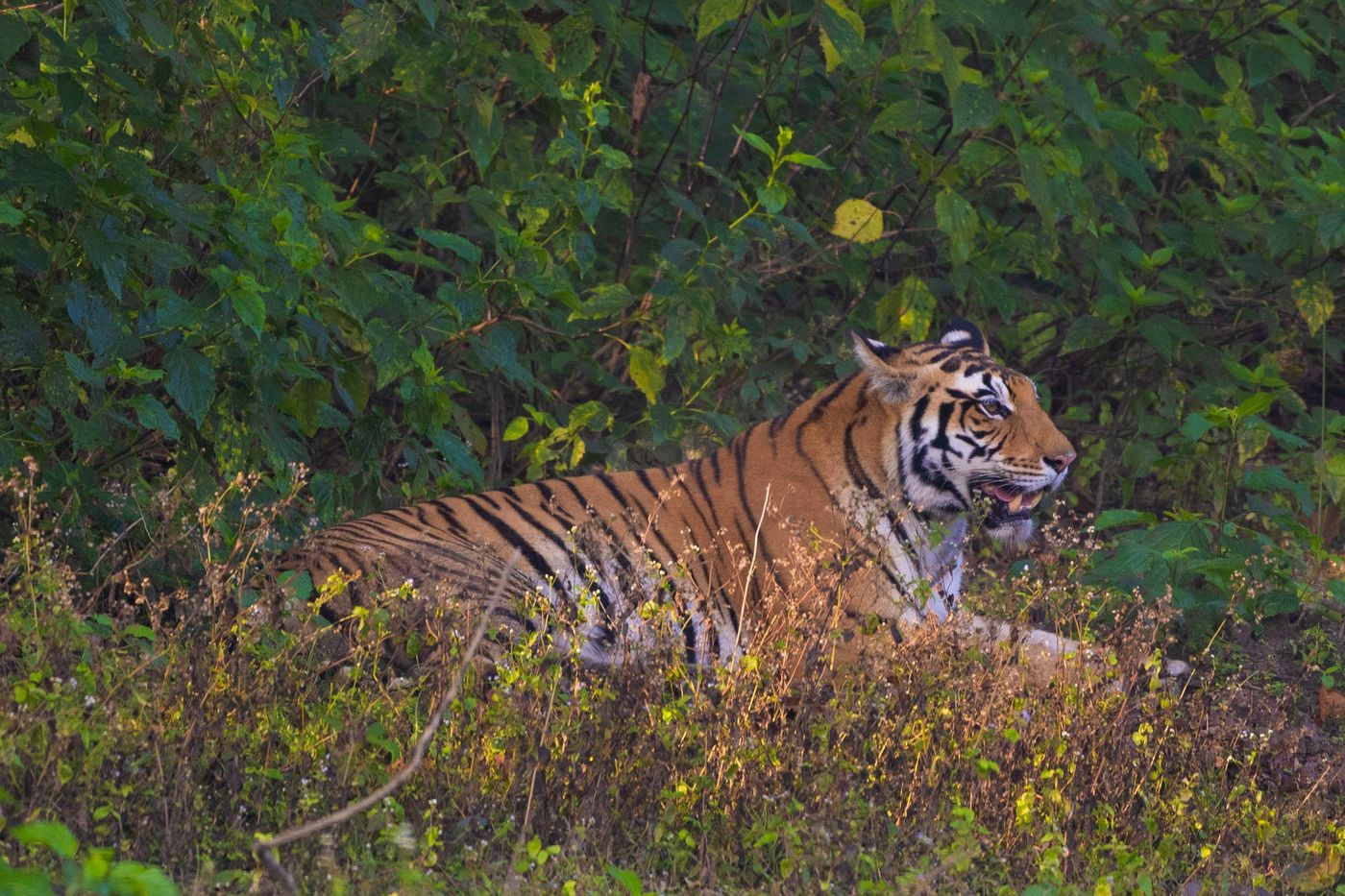
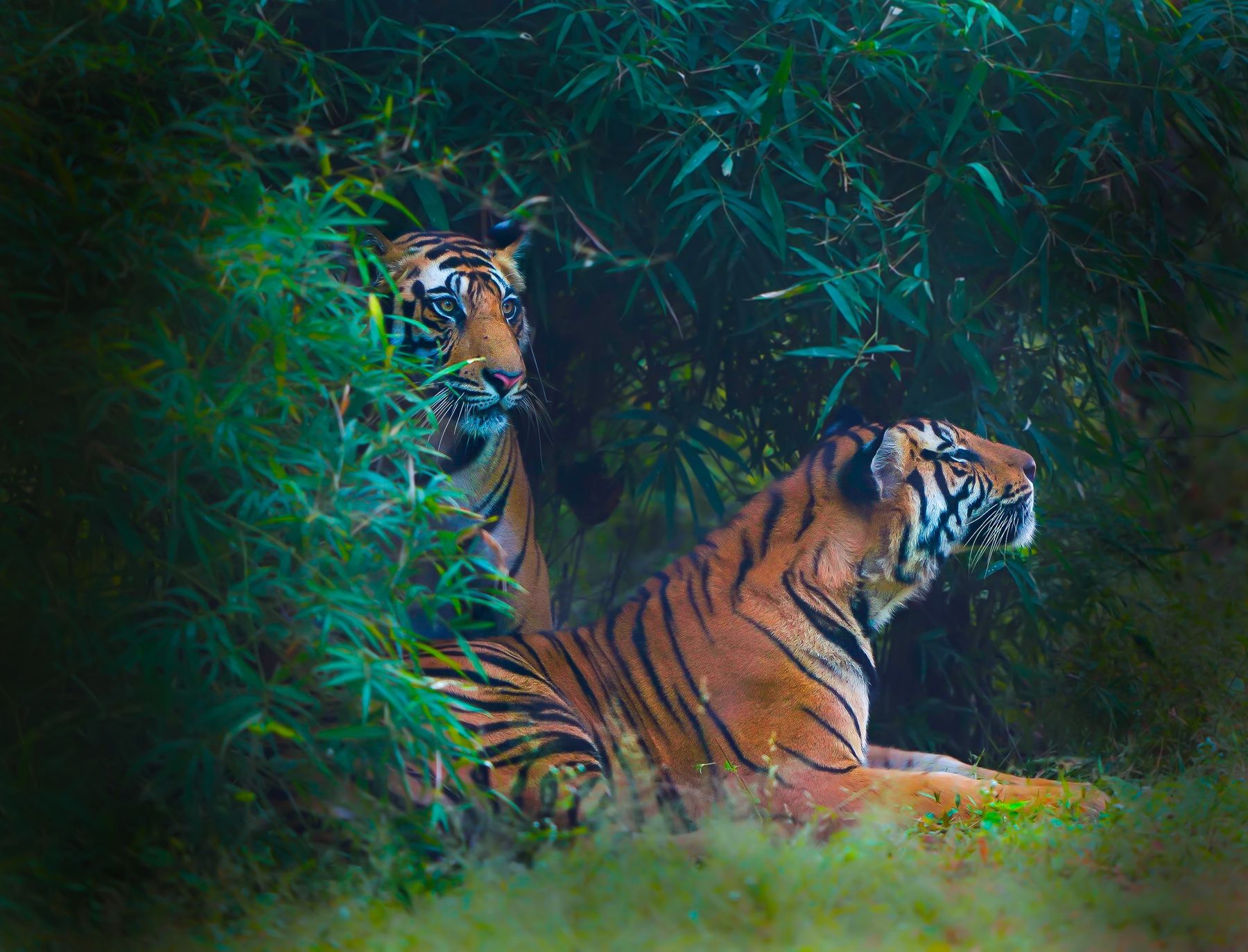
A tiger lying in grass and wildflowersPhoto: Singinawa Jungle Lodge
The landscape

Sal, teak and the open maidan

Geographically, this region sits on the Deccan plateau's northern edge, where the Vindhya and Satpura hill ranges rise gently out of the Narmada river valley. The forest type here is largely moist and dry deciduous — sal in the wetter, higher-rainfall pockets around Kanha and Pench, teak becoming more dominant further south and west toward Tadoba, with bamboo understorey threading through both.

What distinguishes the landscape visually from India's denser forest belts is the maidan, or meadow — open grassland clearings scattered through the forest, some natural, some the legacy of villages relocated out of the core decades ago, now reclaimed by grass and grazed by deer in full view of a watching jeep.

The shape of the landscape

A cluster of exceptional reserves

Unlike the Terai Arc, this is not a single connected corridor in the strictest sense, though the Kanha-Pench landscape in particular functions as a genuine, actively managed wildlife corridor across the districts between the two reserves, with dispersing tigers regularly recorded moving through the forest patches linking them.

The wider region is better understood as a dense cluster of exceptional individual reserves, each with its own character, than as one continuous belt — closer in structure to the Arid West's constellation model than to the Terai's unbroken ribbon, but considerably richer in the density of wildlife each single reserve holds on its own.

Encounters

The wildlife of the Central Indian Forests

What takes longer to appreciate is the density of what this landscape actually holds: some of the highest tiger populations recorded anywhere in the world, a swamp deer subspecies that exists nowhere else on the planet, and a forest ecosystem healthy enough, top to bottom, that its apex predator is thriving rather than merely surviving.

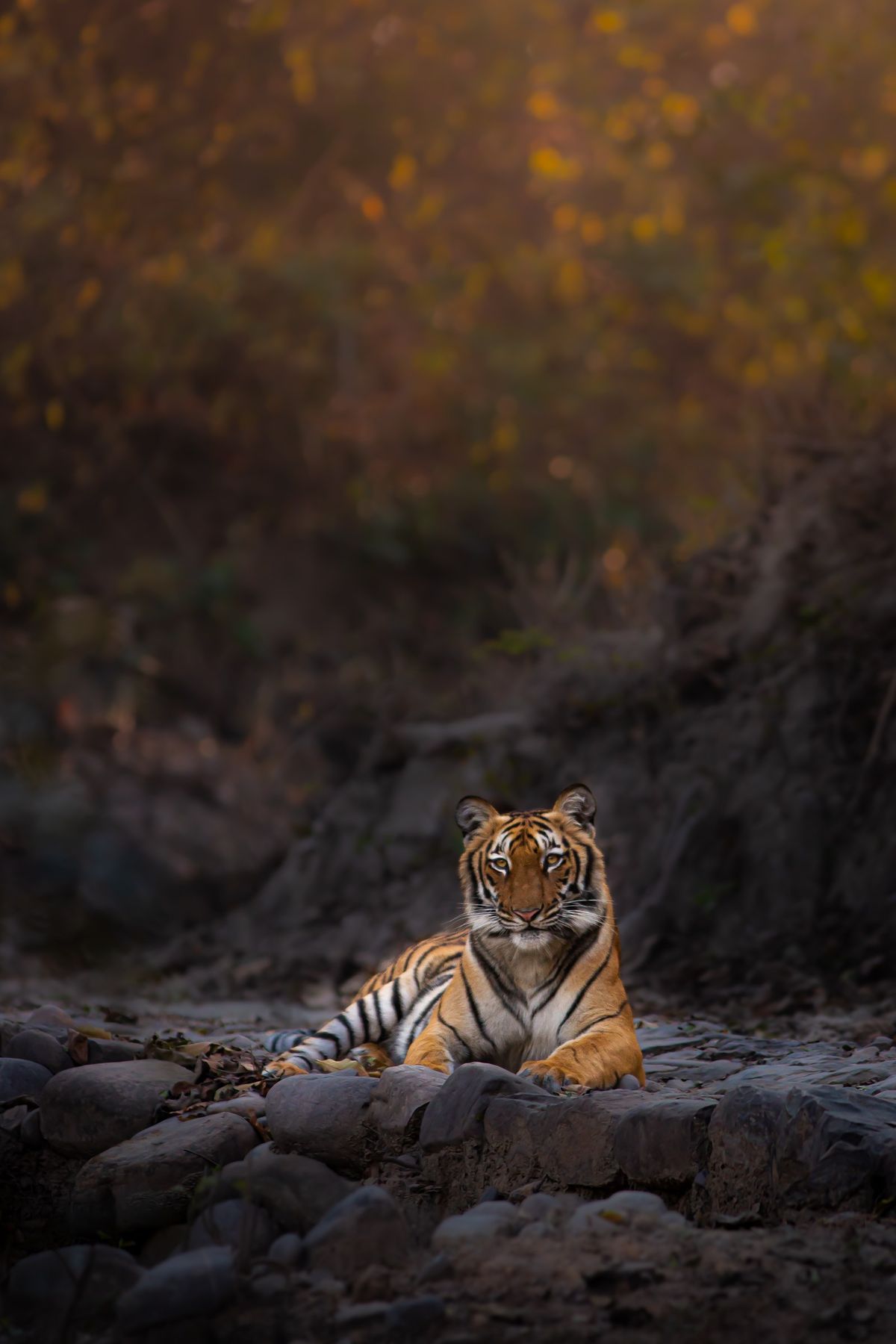
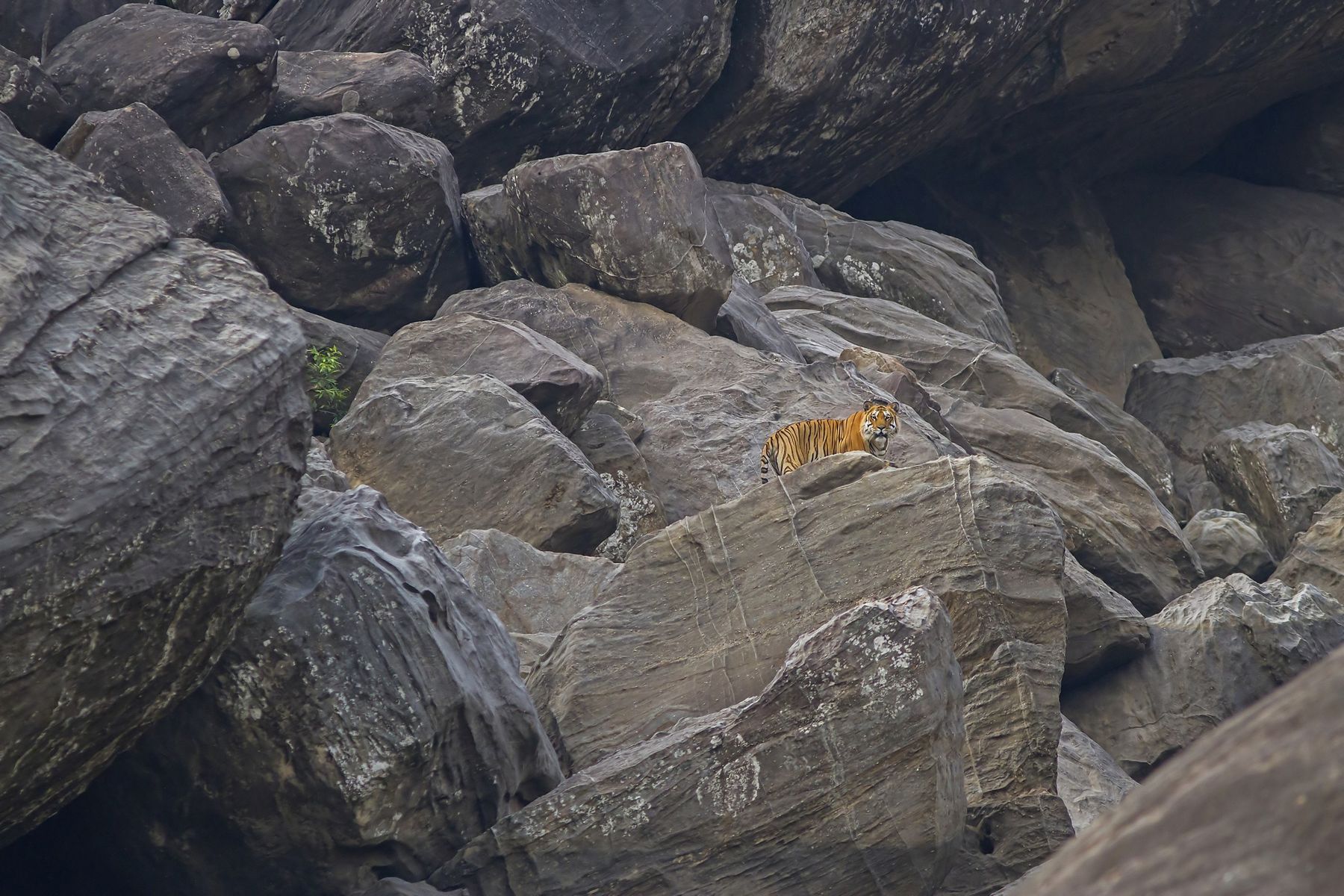
A tiger among large boulders
Tiger · Bandhavgarh

Built on sheer concentration

Bandhavgarh carries a different kind of significance, built on sheer concentration. The reserve's tiger density — often cited at close to one tiger per eight square kilometres within its Tala core — is among the highest recorded anywhere the species survives in the wild, a legacy partly of the terrain itself: sandstone hills and a 2,000-year-old fort rising over the Tala and Magadhi valleys, creating natural funnels of prey and water that concentrate tigers into a comparatively compact, closely watched landscape.

This is also, quite literally, the birthplace of the white tiger in the wild — a pale, blue-eyed cub named Mohan, captured here in 1951, whose captive-bred descendants populate zoo collections worldwide, though no white tiger has been recorded in Bandhavgarh's wild population since.
Hard-ground barasingha · Kanha

Brought back from sixty-six

Kanha National Park is where this landscape's central conservation story actually happened. The hard-ground barasingha — a subspecies of swamp deer adapted, unusually, to firm meadow ground rather than the marsh most swamp deer depend on — had collapsed to just 66 individuals by 1970, hunted and outcompeted to the edge of extinction within Kanha's own boundary.

Intensive, sustained management brought that population back to roughly 800 today, and in recent years, Kanha has gone further still, sending surplus animals to establish new satellite populations at Satpura and Bandhavgarh — a direct, practical answer to the same single-population vulnerability that leaves species like the Asiatic lion so exposed.

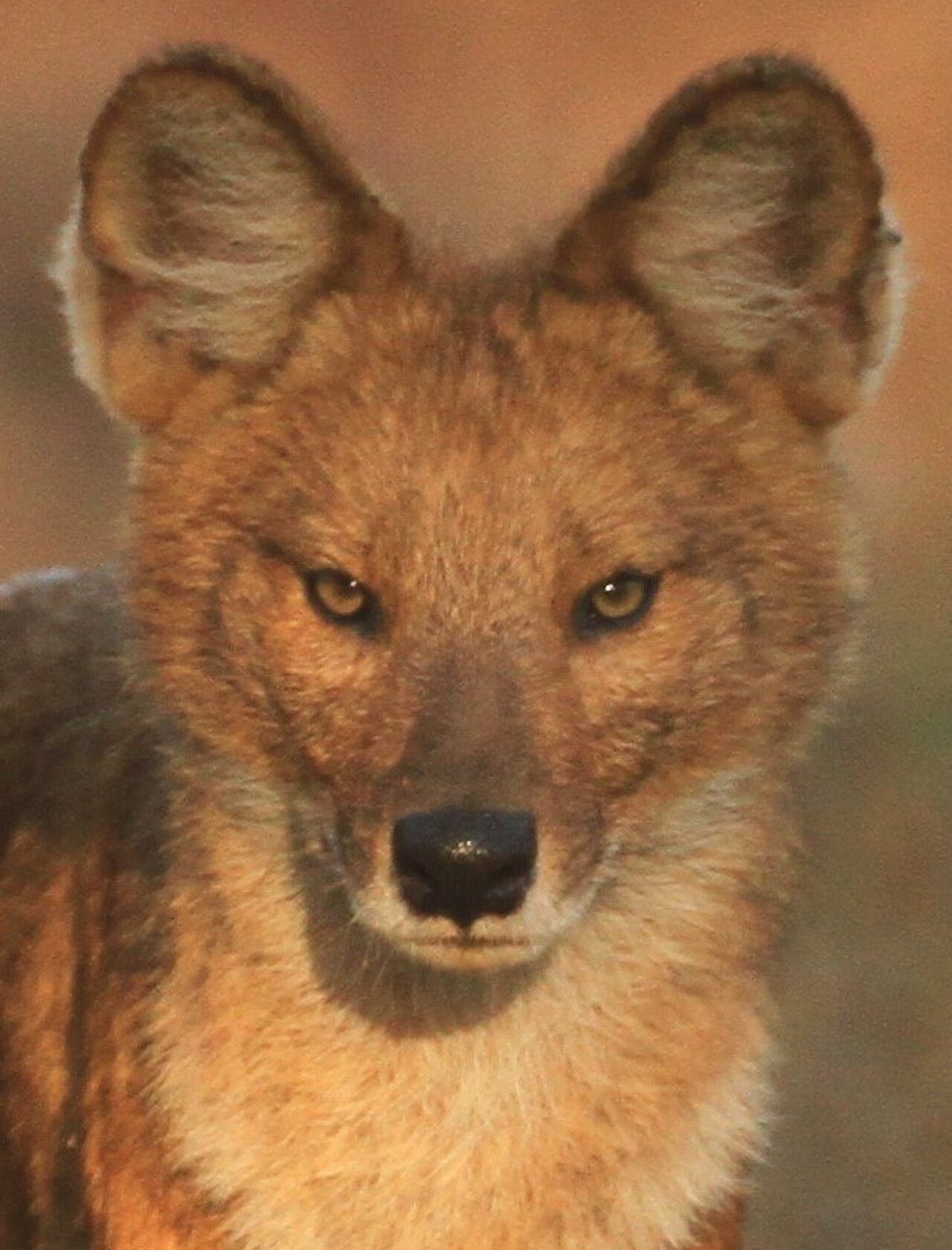
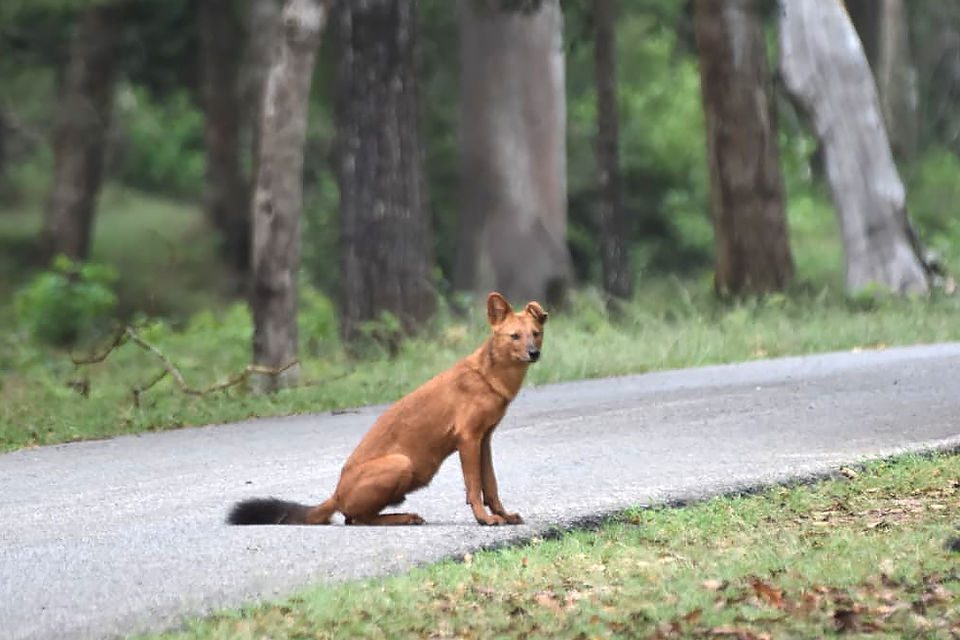
A dhole standing in the forestPhoto: Evolve Back
Dhole · Tadoba

Reading a pack's movement

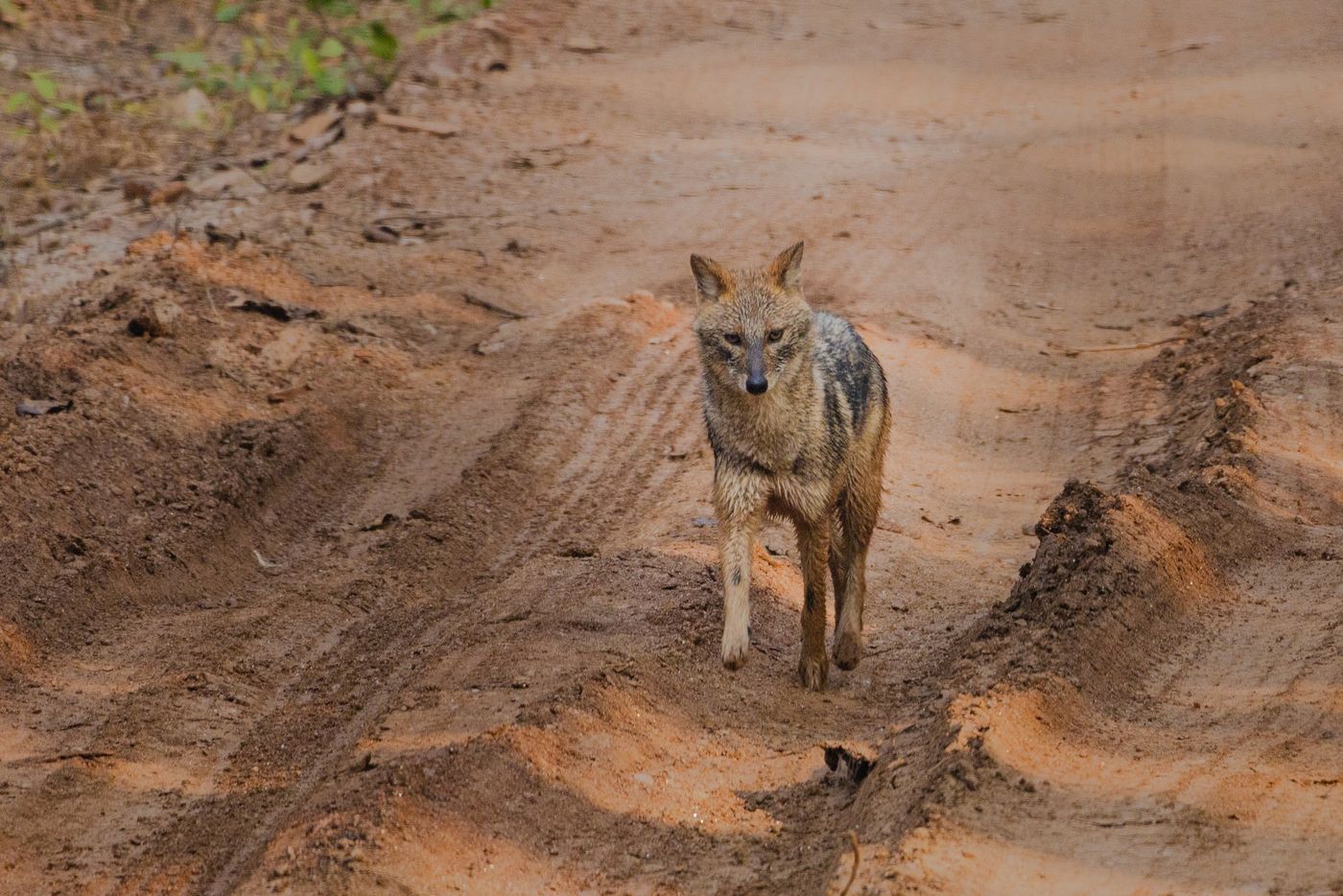
Tadoba, Maharashtra's oldest and largest tiger reserve, trades Kanha's meadows for denser teak and bamboo forest, and has become known specifically for a strong, visible population of dhole — the Indian wild dog — hunting in coordinated packs across terrain that rewards a naturalist's ability to read a pack's movement rather than simply wait for a tiger.

Experiences

Ways to experience the Central Indian Forests

The case for the Central Indian Forests

What sets Central India apart

The Jungle Book's country

Kipling set Mowgli's story in this forest tract, and it remains the closest thing India has to a definitive tiger landscape.

Tigers at their densest

Some of the highest tiger populations recorded anywhere in the world, with Bandhavgarh's Tala core among the densest of all.

A deer found nowhere else

The hard-ground barasingha, a swamp deer adapted to firm meadow ground, exists nowhere else on the planet.

Walking in a tiger reserve

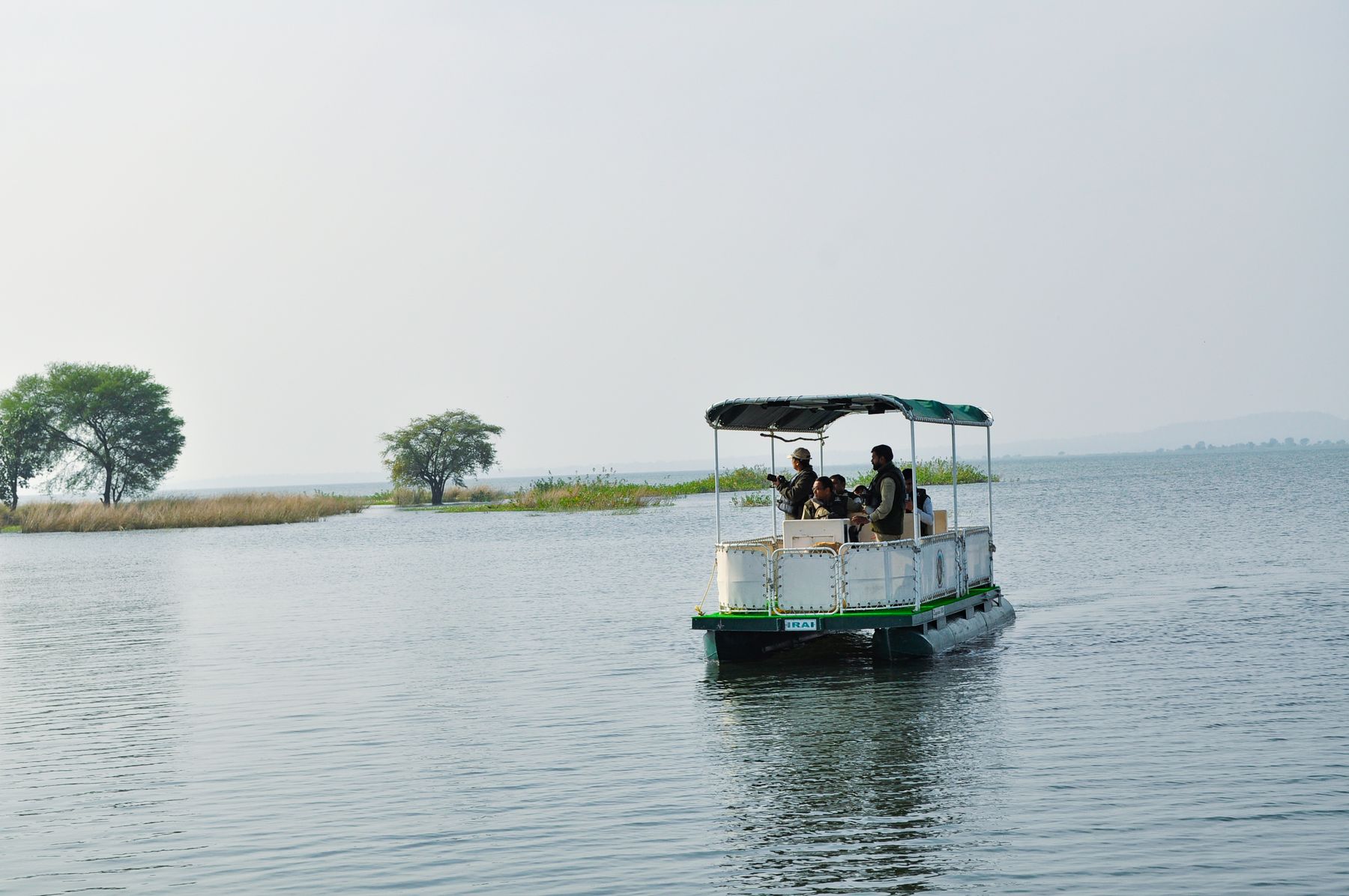
Satpura is the only tiger reserve in India that permits true walking safaris and canoe travel through its core.

Open, legible forest

Meadow and grassland break the forest, giving long sightlines that feel more open than Africa's dense-bush reserves.

Healthy from top to bottom

A forest ecosystem healthy enough that its apex predator is thriving rather than merely surviving.

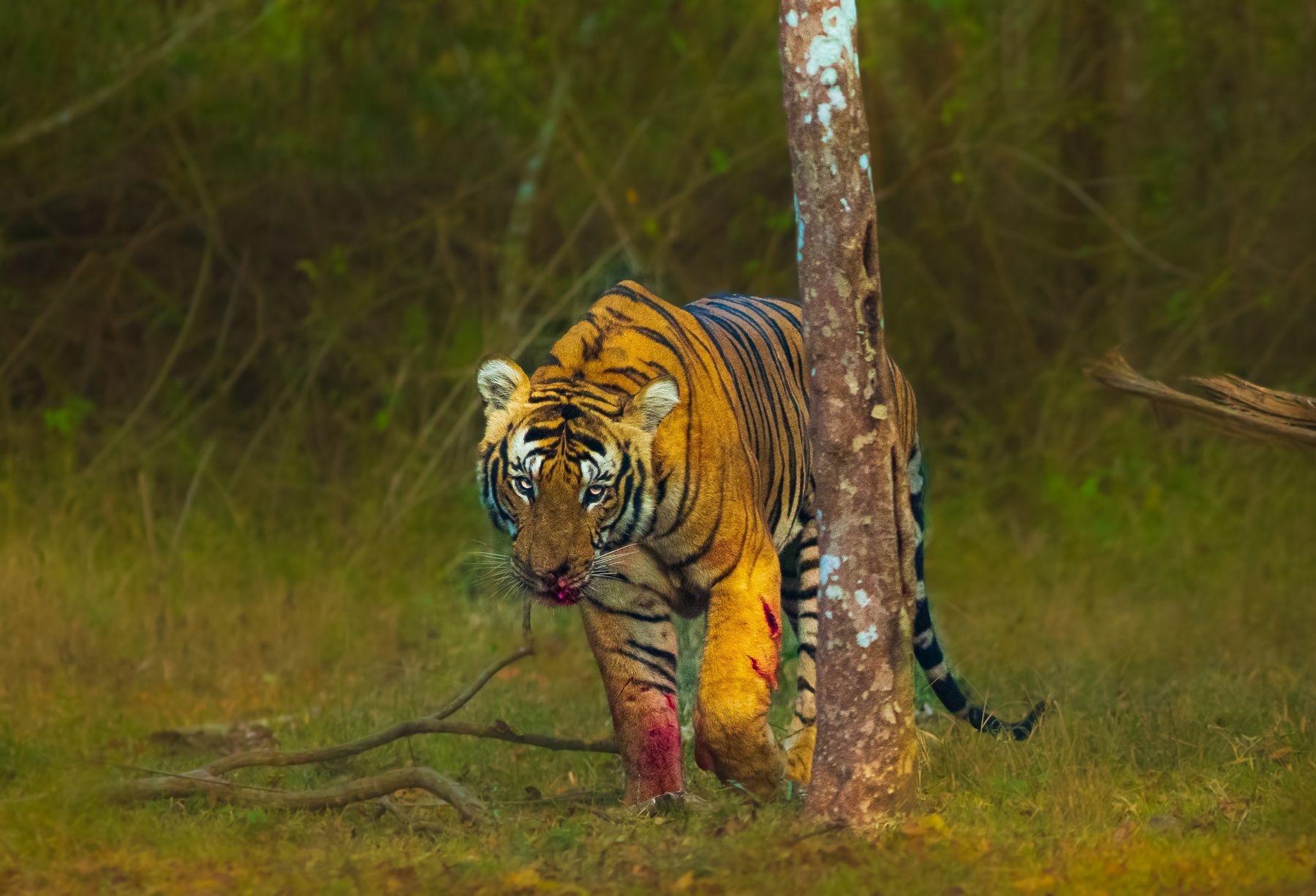
A tiger walking a forest track in golden light
In the field

More of what lives here

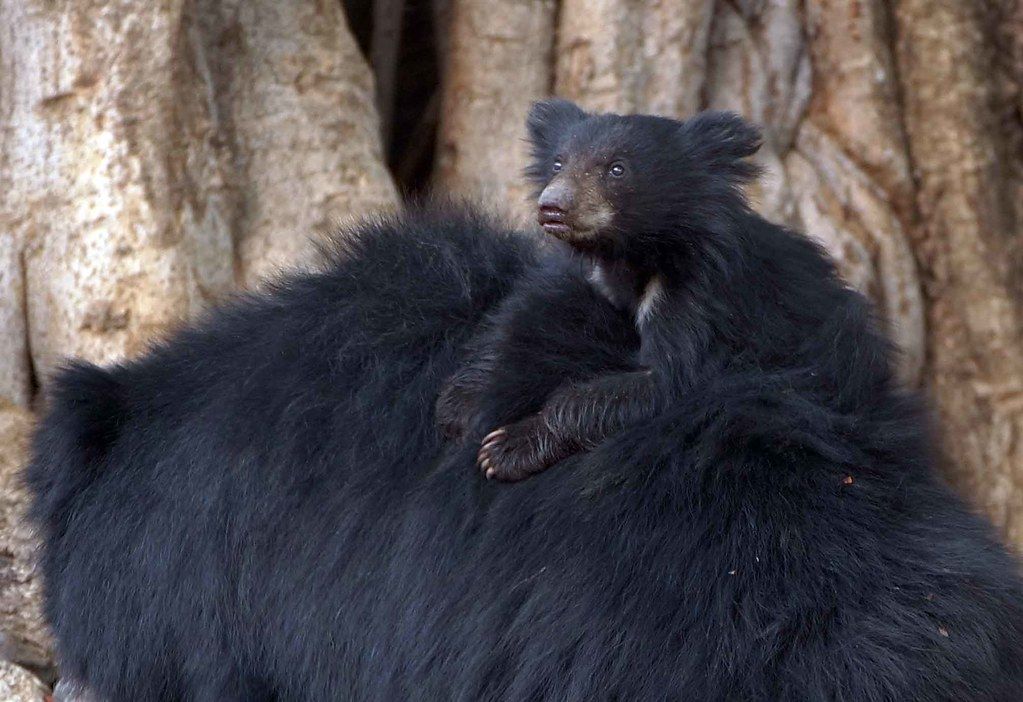
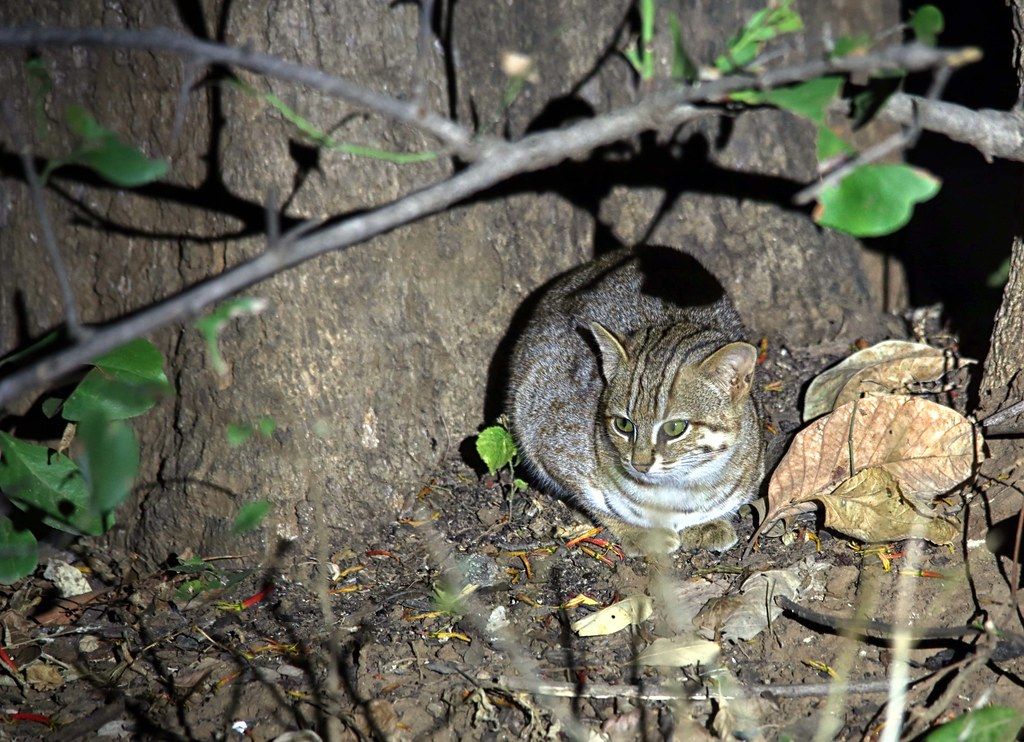
Between the drives, the forest keeps offering more: tigers at rest in the long grass, a sloth bear carrying her cub, and the smallest wild cat in the world.

People and place

Life around the wilderness

Relocated villagesSome of the maidans are the legacy of villages relocated out of the core decades ago, now reclaimed by grass.
Kipling's SeeoneePench's hill country is part of the forest tract long identified with the Seeonee jungle of Mowgli's story.
MohanThe white tiger in the wild was first recorded at Bandhavgarh: a cub named Mohan, captured in 1951.
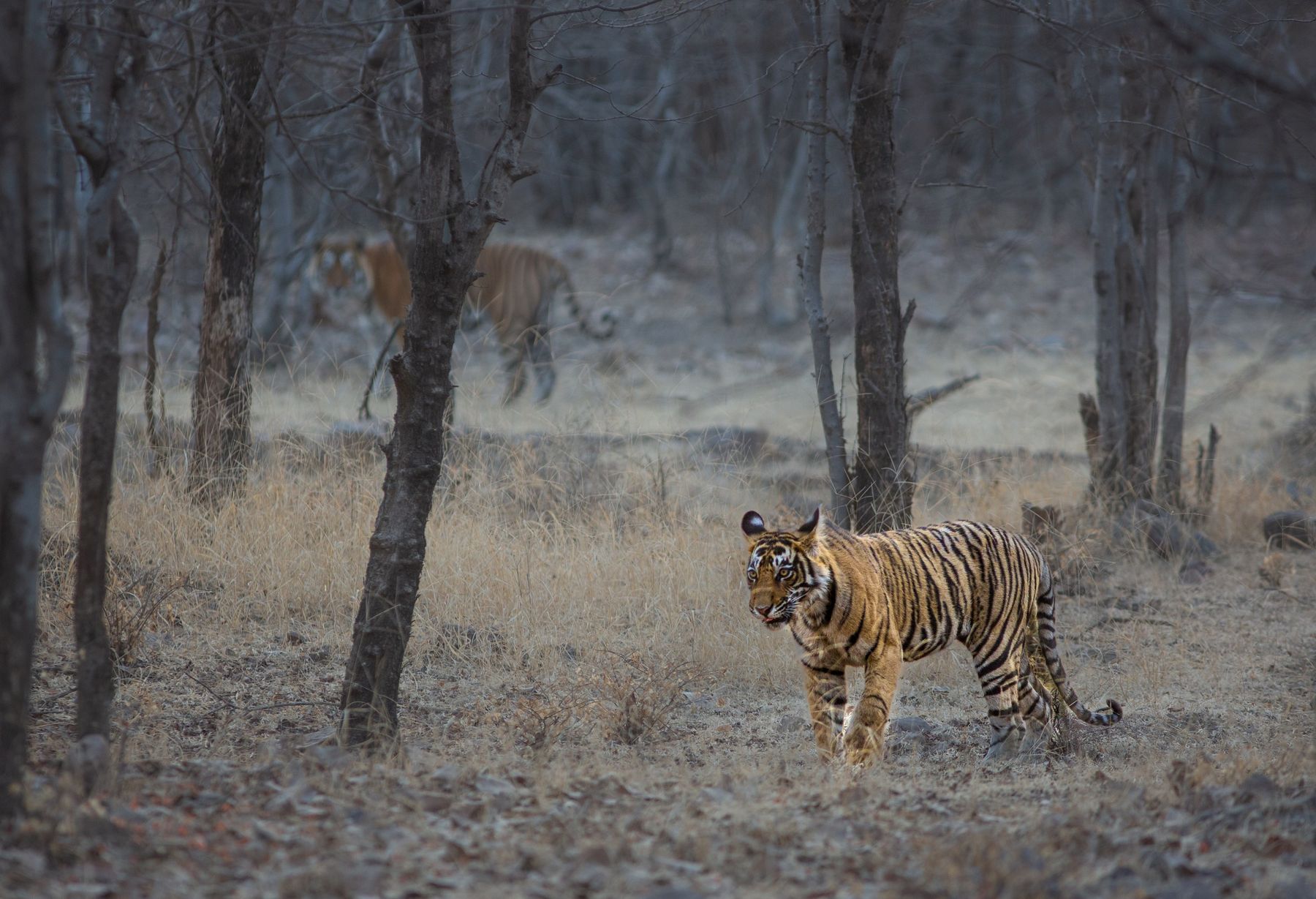
A tiger in pale, frosted forest
Conservation

Conservation is part of the journey

Central India's tiger reserves collectively hold one of the strongest arguments in Indian conservation for what sustained, well-funded protection can achieve: Madhya Pradesh alone now records the highest tiger numbers of any Indian state, a status built substantially on the management of Kanha, Bandhavgarh and Pench over the five decades since Project Tiger began.

Kanha's barasingha recovery, and the subsequent decision to establish satellite populations at Satpura and Bandhavgarh rather than leave the entire subspecies dependent on one park, stands as one of the clearer templates in Indian wildlife management for how a conservation success can be made more resilient rather than left fragile.

Tadoba's dhole population, meanwhile, matters for a less celebrated reason — wild dogs receive a fraction of the tiger's funding and public attention across India, despite being an equally significant apex predator in ecological terms, and a healthy population here is a meaningful conservation outcome in its own right.

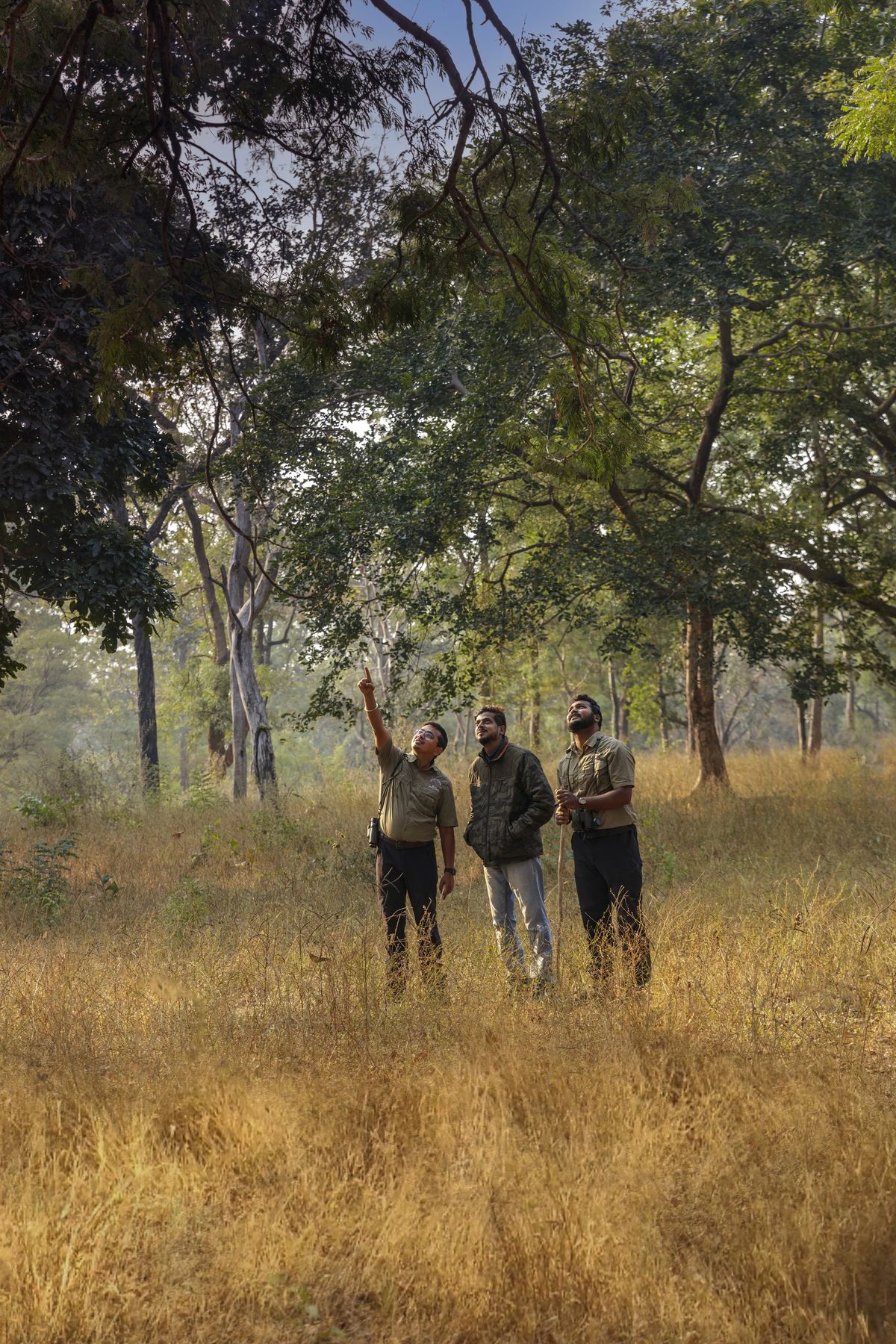
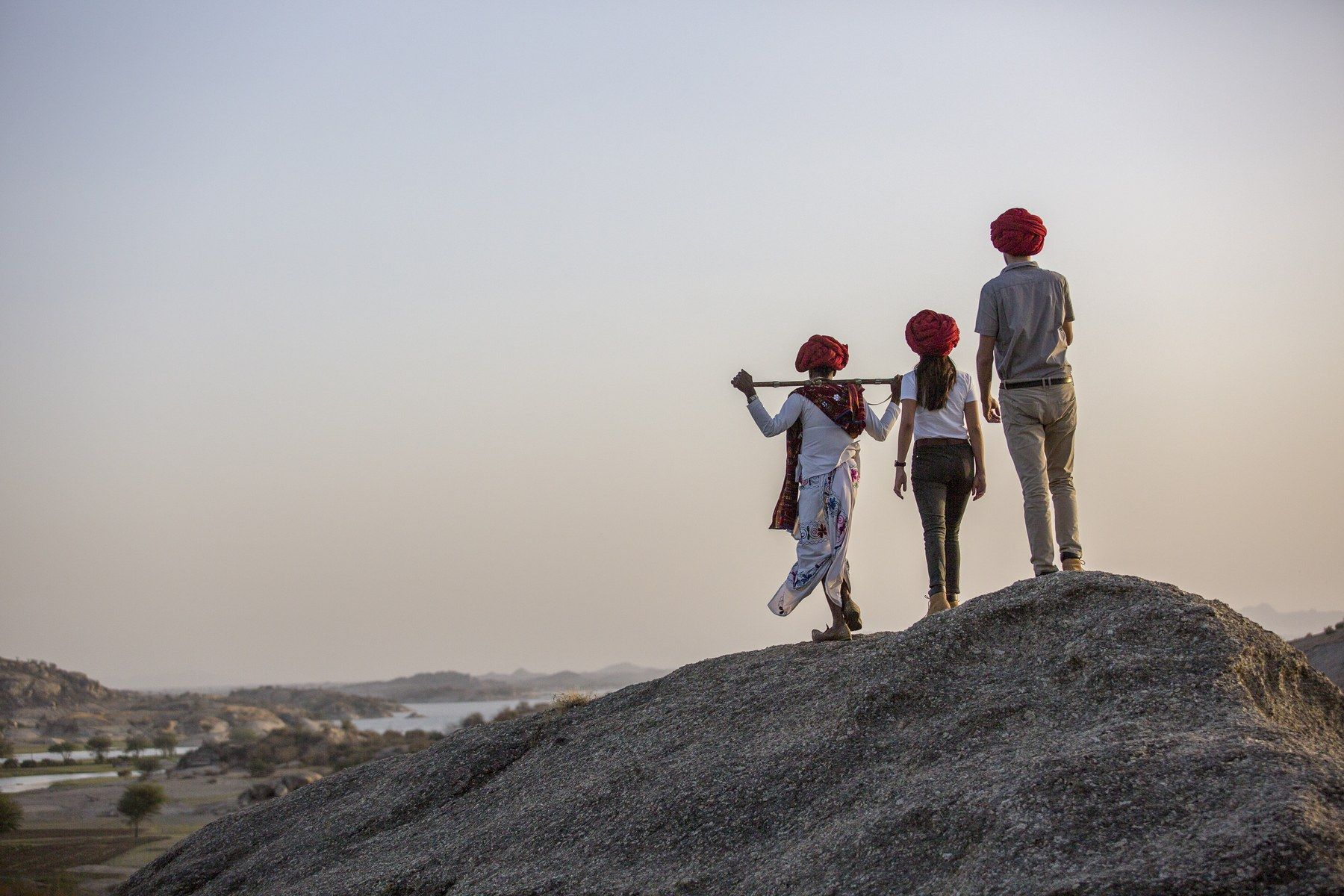
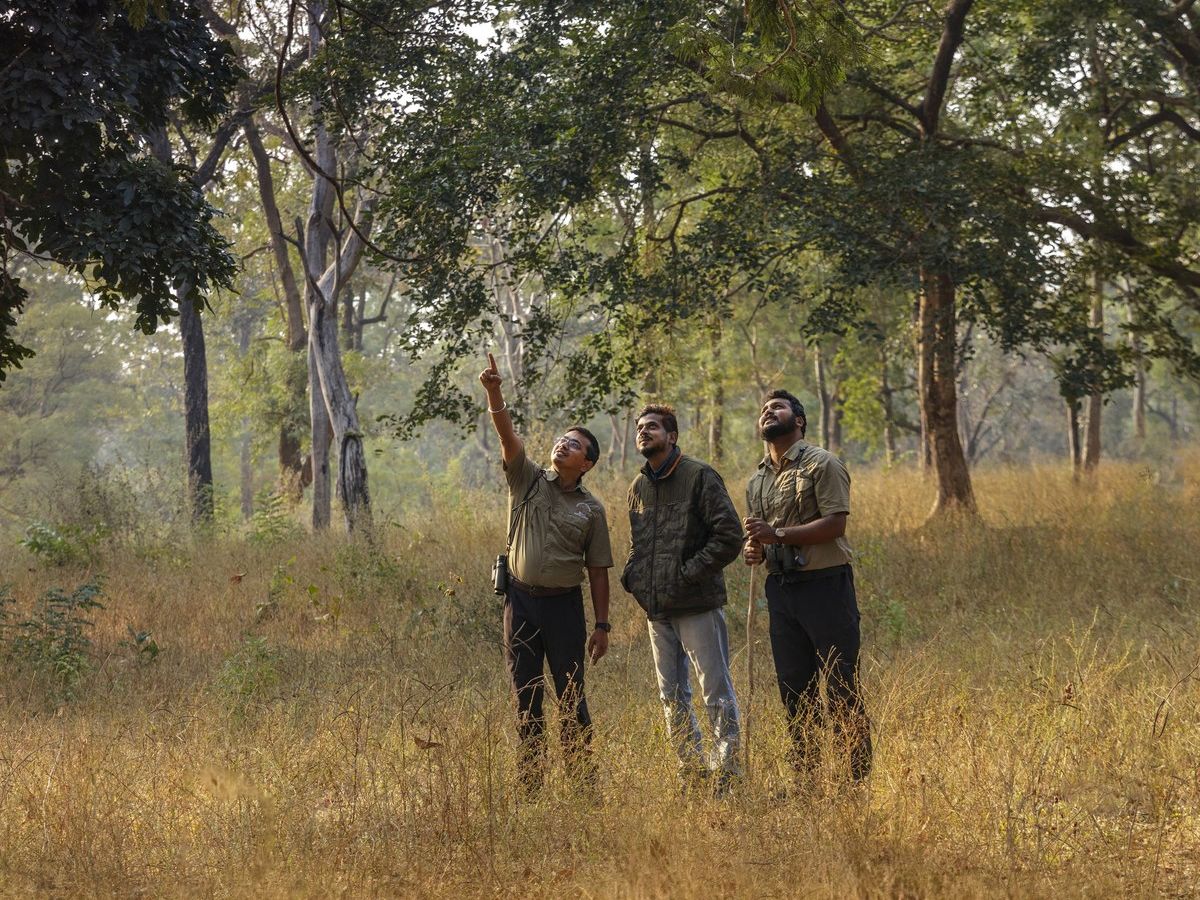
Three people on foot among tall grass and trees in a dry forestPhoto: Bori Safari Lodge

It is one of Indian conservation's clearer proofs that a near-extinct population can be rebuilt, not merely preserved, if the will and the ground both hold.

How Safari Vista India supports conservation
Madhya Pradesh & Maharashtra

The Reserves That Shape Central India

Central Indian Forests
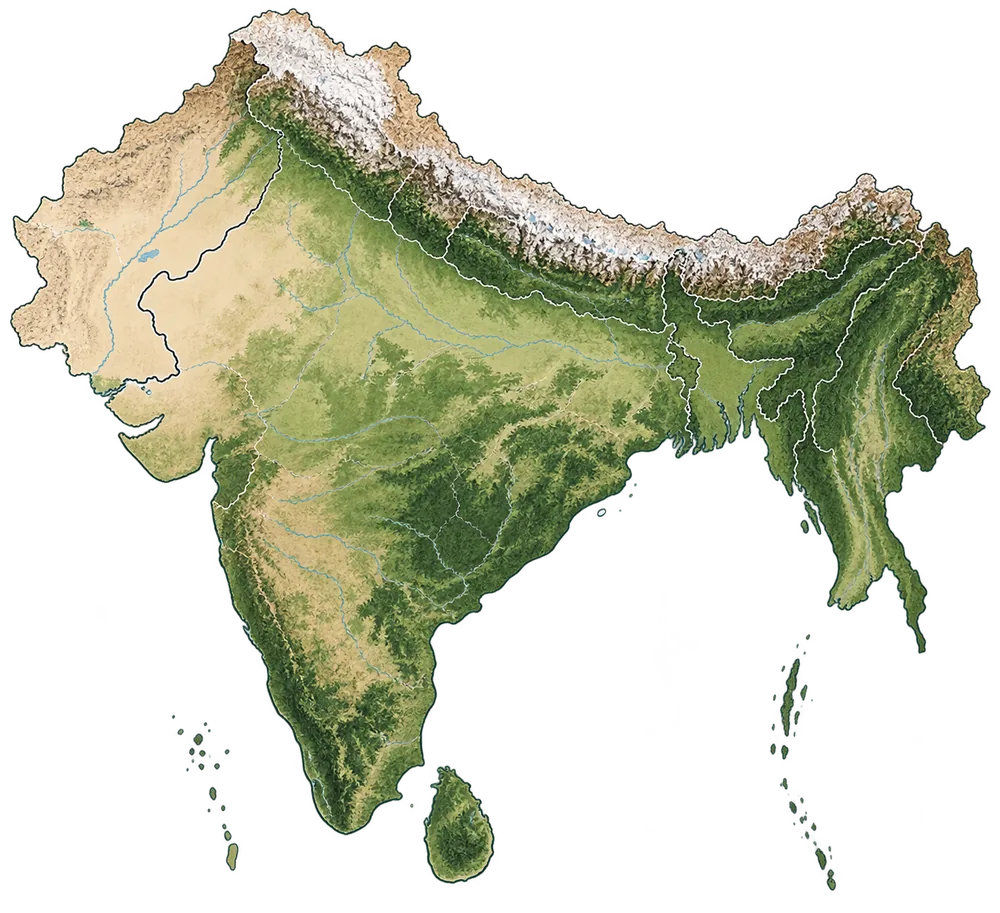
Where the Central Indian Forests lies in the Indian subcontinent. Indicative, not to scale.
Journey design

Central India rarely stands alone

This landscape pairs naturally with the Arid West for travellers wanting both classic tiger forest and the dry-country specialists of Gujarat and Rajasthan within a single extended India journey — Kanha or Bandhavgarh flowing westward into Ranthambore-adjacent Rajasthan, or further into Gir, without an unreasonable amount of internal travel.

It also works well as the anchor of a shorter, single-region trip for travellers whose primary goal is a strong tiger encounter without the corridor logic or seasonal complexity of the Terai Arc or Sundarbans.

The Safari Vista India Way

The Vista Standard

A journey through Central India's tiger reserves is, on paper, the most straightforward itinerary in this collection to book — which is exactly why the difference a specialist ground team makes is easy to underestimate.

Built the same way as every Safari Vista India journey: one vehicle, yours alone; a naturalist who knows these five reserves individually rather than as interchangeable tiger destinations; no fixed departures; and one person responsible for the shape of the whole journey, from the first conversation to the last morning in Bandhavgarh's mist.

One vehicle. Yours alone.

For the full length of the journey, with no shared seats.

A naturalist, not a driver-guide.

Someone who has spent years reading this landscape, and teaches you to read it too.

No fixed departures.

You travel when the season and your own calendar suit.

Specialist ground handling.

Zone allocation, permits and the road between reserves arranged so each reserve's character shows from day to day.

Conservation, included.

Part of how the journey is designed from the outset, not an add-on at checkout.

One point of contact, throughout.

One person from the first conversation to the last morning in the field.

Where the day ends

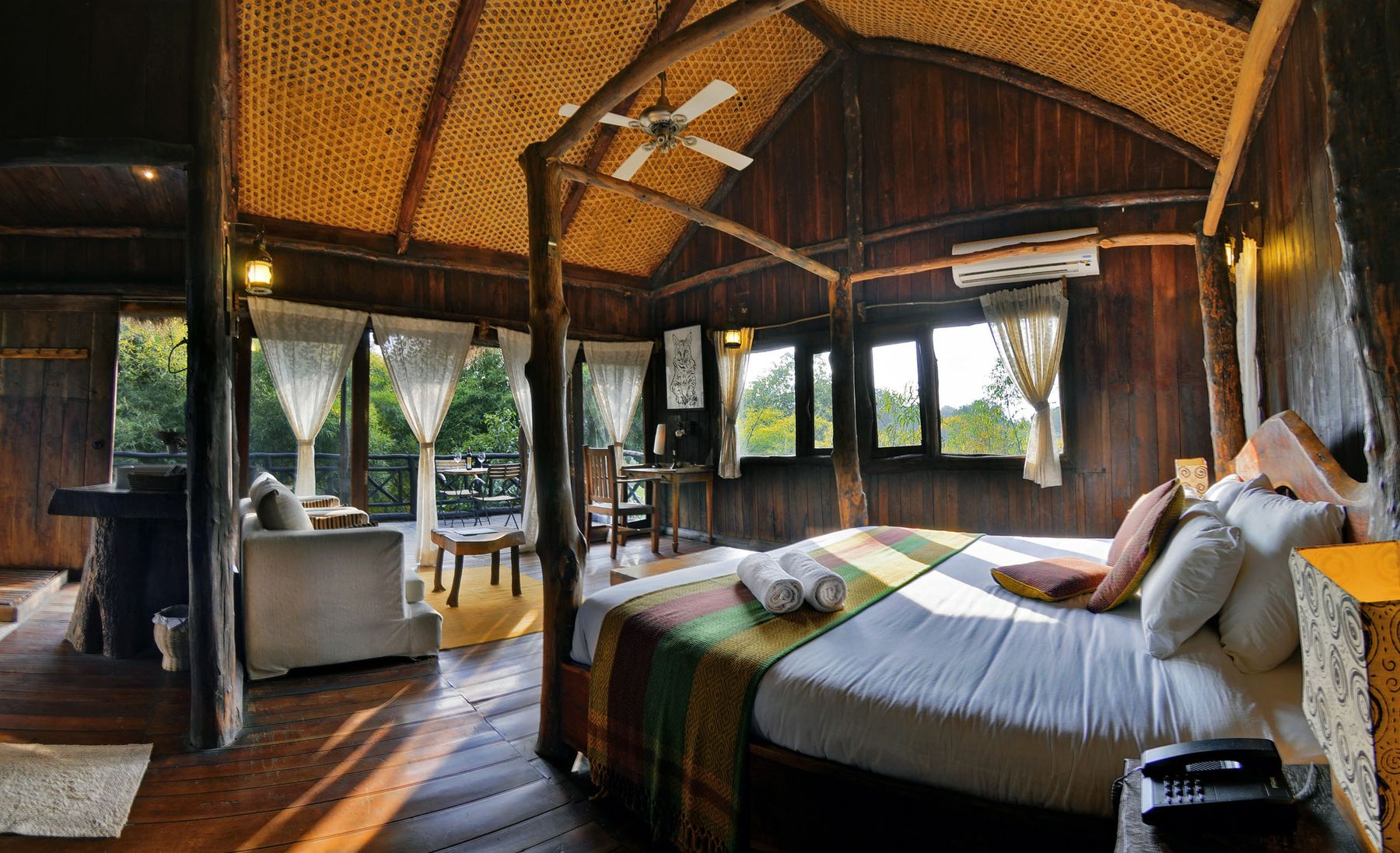
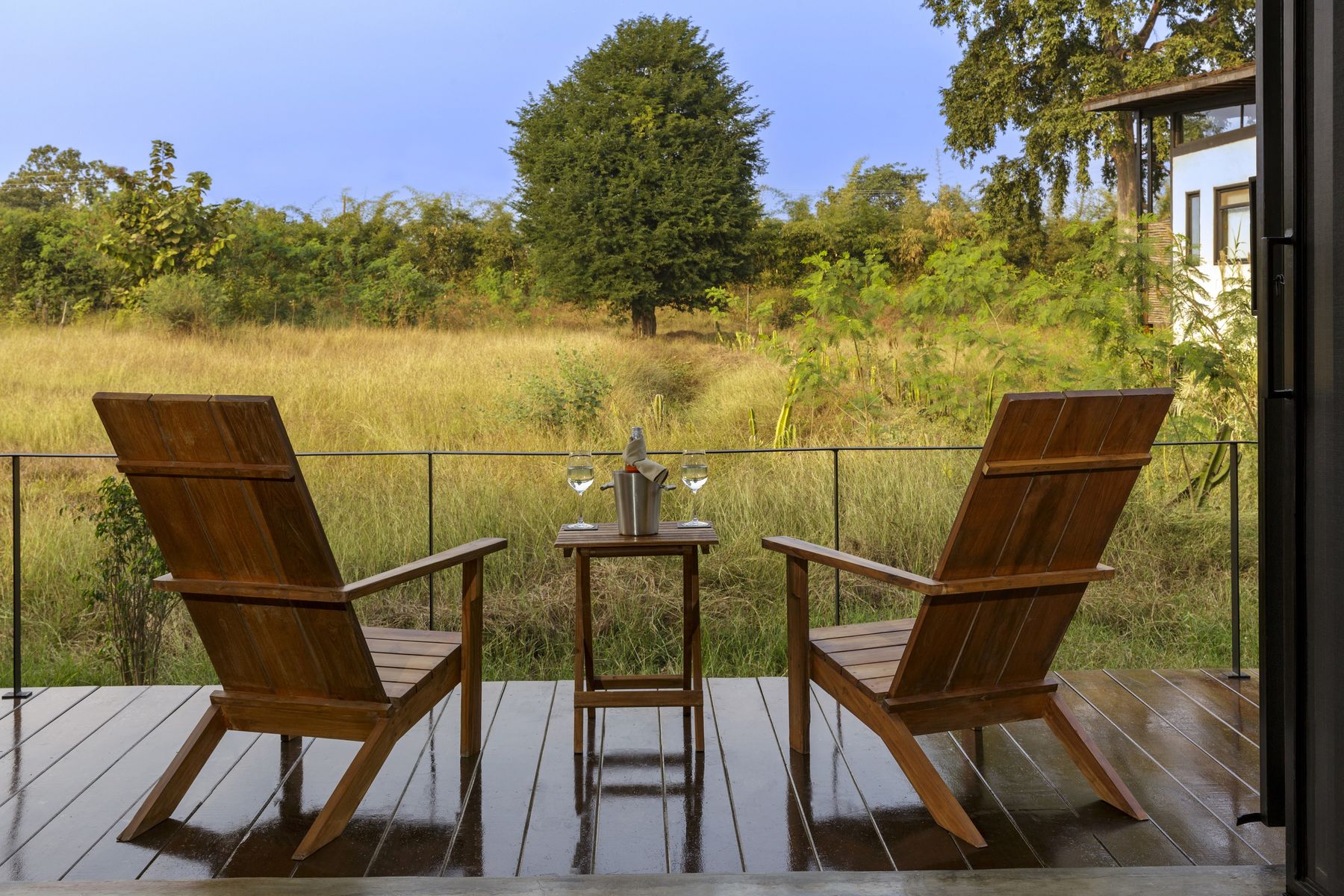
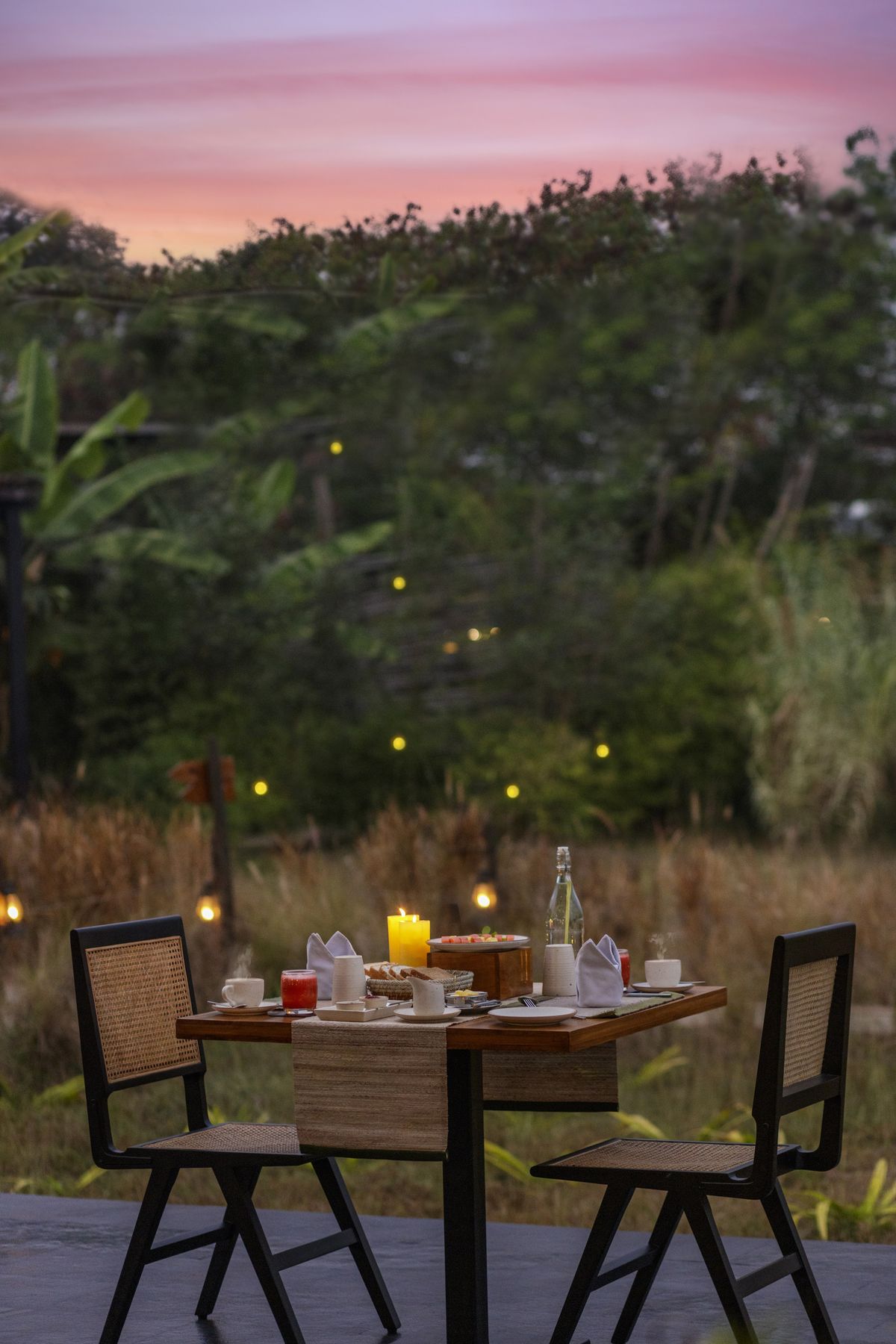
Nights close to the forest

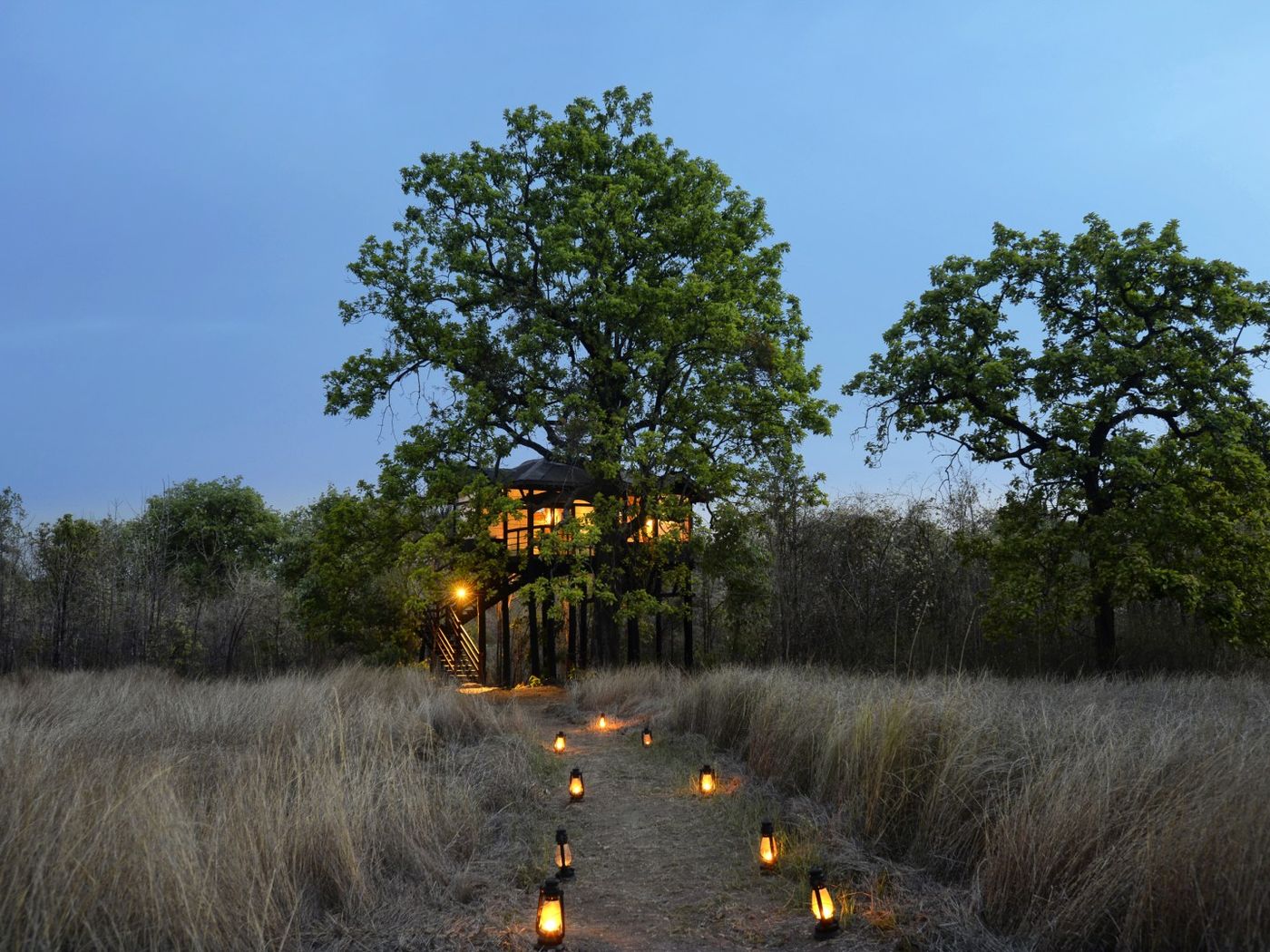
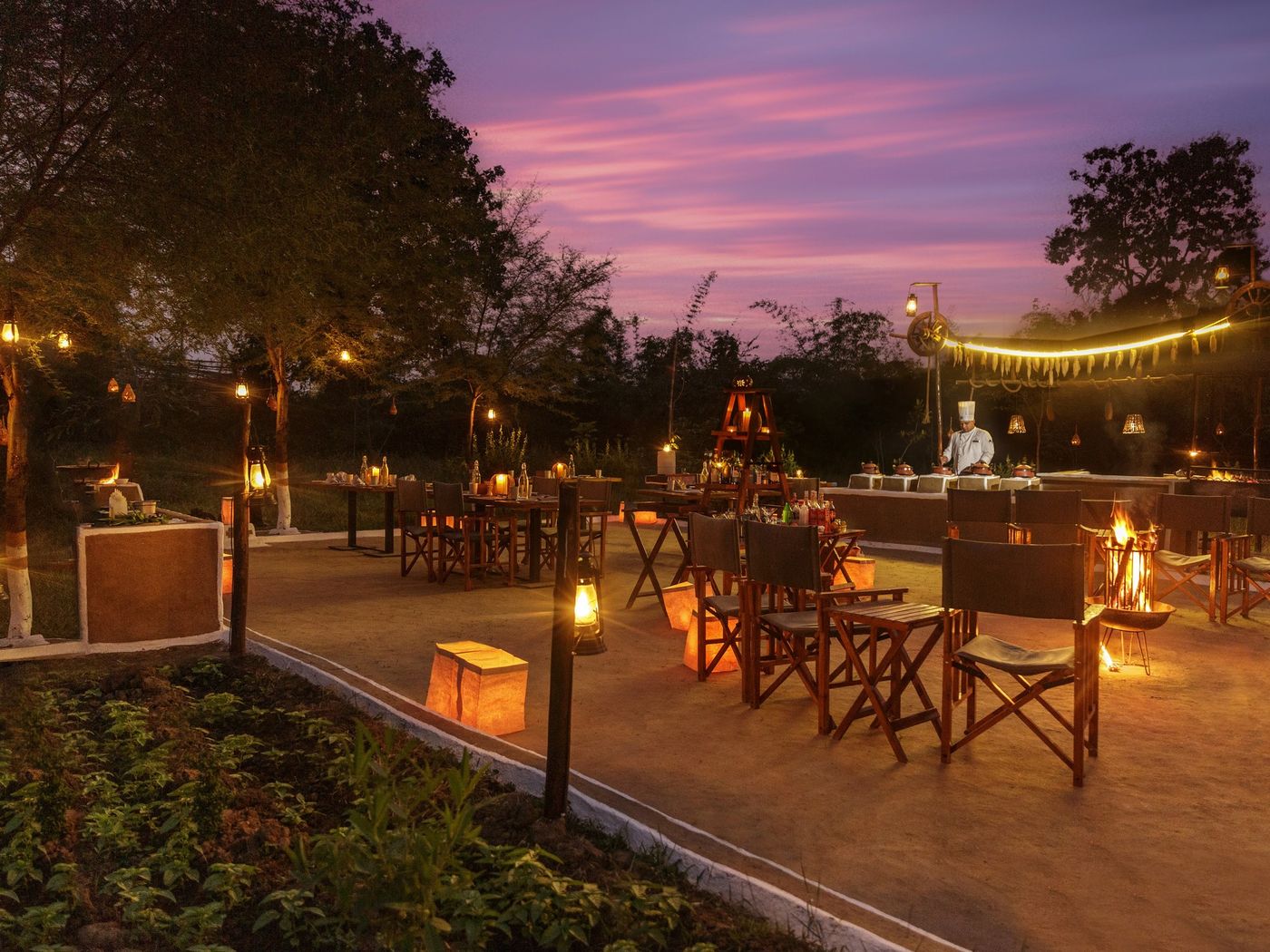
Every stay on a Central India journey is chosen for where it sits as much as for how it feels: small lodges at the forest edge, where the evening is spent by a fire under the trees and the first sound of the morning is a langur, not a road.

These are some of the places we arrange in this landscape. Which ones suit you depends on the season, the reserves you choose and the shape of your journey.

Practical information

Planning a Central Indian Forests journey

November – February

Winter

Cool, comfortable days (10–25°C); cold mornings, especially in Kanha and Satpura.

Excellent general wildlife activity; strong birding; comfortable extended game drives.

Best for First-time visitors, birders, families.

March

Spring

Warming steadily (18–32°C); forest still holding moisture.

Wildlife activity remains high; good balance of comfort and sighting odds.

Best for Travellers wanting strong odds without peak heat.

April – Mid-June

Summer

Hot, frequently 35–43°C by May, especially in Tadoba and Bandhavgarh.

Highest tiger sighting odds of the year as animals concentrate at waterholes.

Best for Experienced travellers prioritising tiger sightings above comfort.

Mid-June – Mid-October

Monsoon (Closed)

Heavy rainfall; core zones closed across all five reserves.

Forest regeneration period — closure is ecological, not administrative.

For travellers Not open for safari travel.

When to go

As with the Terai Arc and the Arid West, exact reopening dates shift slightly reserve to reserve depending on that year's monsoon — Kanha and Bandhavgarh typically reopen first, in mid-October, with Tadoba sometimes following a week or two later.

Time to give the landscape

A single reserve here — Bandhavgarh especially, given its sighting density — can deliver a genuinely satisfying tiger experience in three to four days.

But the real character of this landscape shows itself across a longer, multi-park journey: seven to ten days combining two or three reserves lets you feel the differences between them directly, from Bandhavgarh's compact intensity to Satpura's unhurried, on-foot pace, rather than assuming all Indian tiger reserves offer the same experience. Travellers with two weeks or more often build a full circuit of four reserves, treating Satpura specifically as a deliberate change of register partway through, rather than another jeep-safari stop indistinguishable from the last.

How the reserves work

Zone allocation within Bandhavgarh's Tala core, timing a Kanha visit around the barasingha's rutting season, choosing Satpura's walking safari over a fourth consecutive jeep drive — these are the decisions that separate a good tiger safari from a genuinely considered one.

Questions

Questions about the Central Indian Forests

This is the landscape most people picture when they imagine an Indian jungle: sal forest breaking into open meadow, with long sightlines across grassland. It holds some of the highest tiger populations recorded anywhere, a swamp deer found nowhere else on the planet, and five reserves of distinct character, from Bandhavgarh's concentrated Tala core to Satpura, the one reserve where you can walk and canoe. Read more

Bandhavgarh trades scale for near-certainty of a sighting, particularly in its Tala zone, where tiger density is among the highest recorded anywhere. April to mid-June brings the highest sighting odds of the year as animals concentrate at waterholes, though it is hot. Permits for Bandhavgarh need to be booked well ahead of travel because of its popularity. Read more

It is a subspecies of swamp deer adapted to firm meadow ground rather than marsh. It had collapsed to just 66 animals in Kanha by 1970 and has been brought back to roughly 800 through sustained management. Kanha's meadows remain the place to see it, and surplus animals have been sent to establish new populations at Satpura and Bandhavgarh. Read more

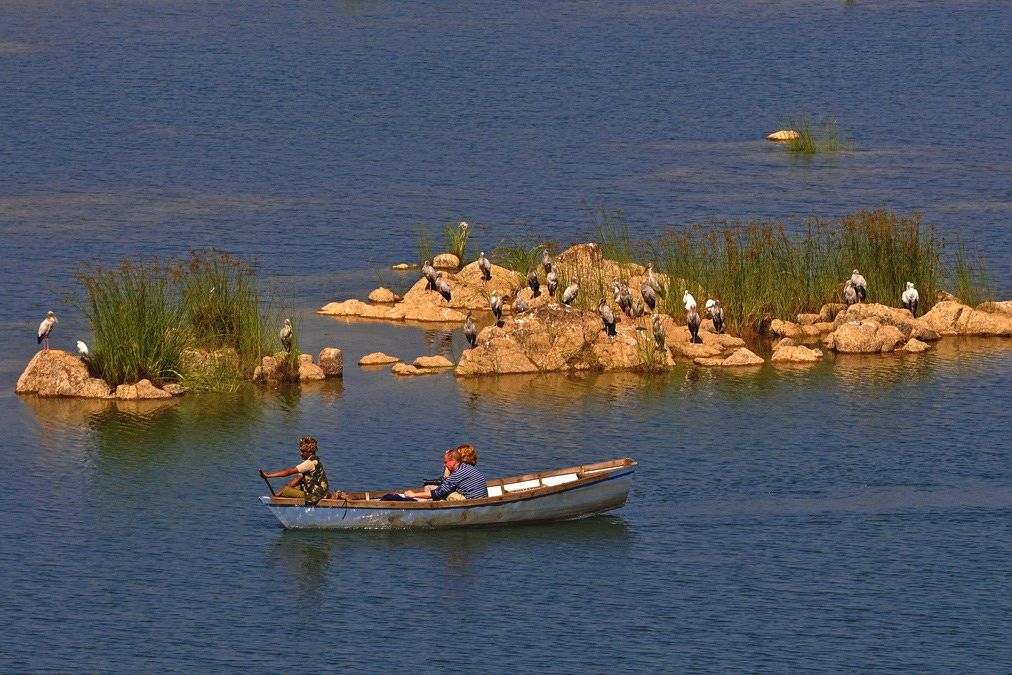
Yes, at Satpura. It is the only tiger reserve in India that permits true walking safaris and canoe travel through its core, alongside conventional jeep drives. Reached via Bhopal and far less visited than its neighbours, it works best as a deliberate change of pace within a longer journey, with three or four unhurried days on foot, by canoe and by jeep. Read more

A single reserve, Bandhavgarh especially, can give a satisfying tiger experience in three to four days. The character of the landscape shows across seven to ten days and two or three reserves, from Bandhavgarh's compact intensity to Satpura's on-foot pace. With two weeks or more, travellers often build a circuit of four reserves, with Satpura as a change of register partway through. Read more
They pair naturally with the Arid West for travellers who want classic tiger forest and the dry-country specialists of Gujarat and Rajasthan in one journey, with Kanha or Bandhavgarh flowing westward without an unreasonable amount of internal travel. Central India also works well on its own, as the anchor of a shorter trip built around a strong tiger encounter. Read more

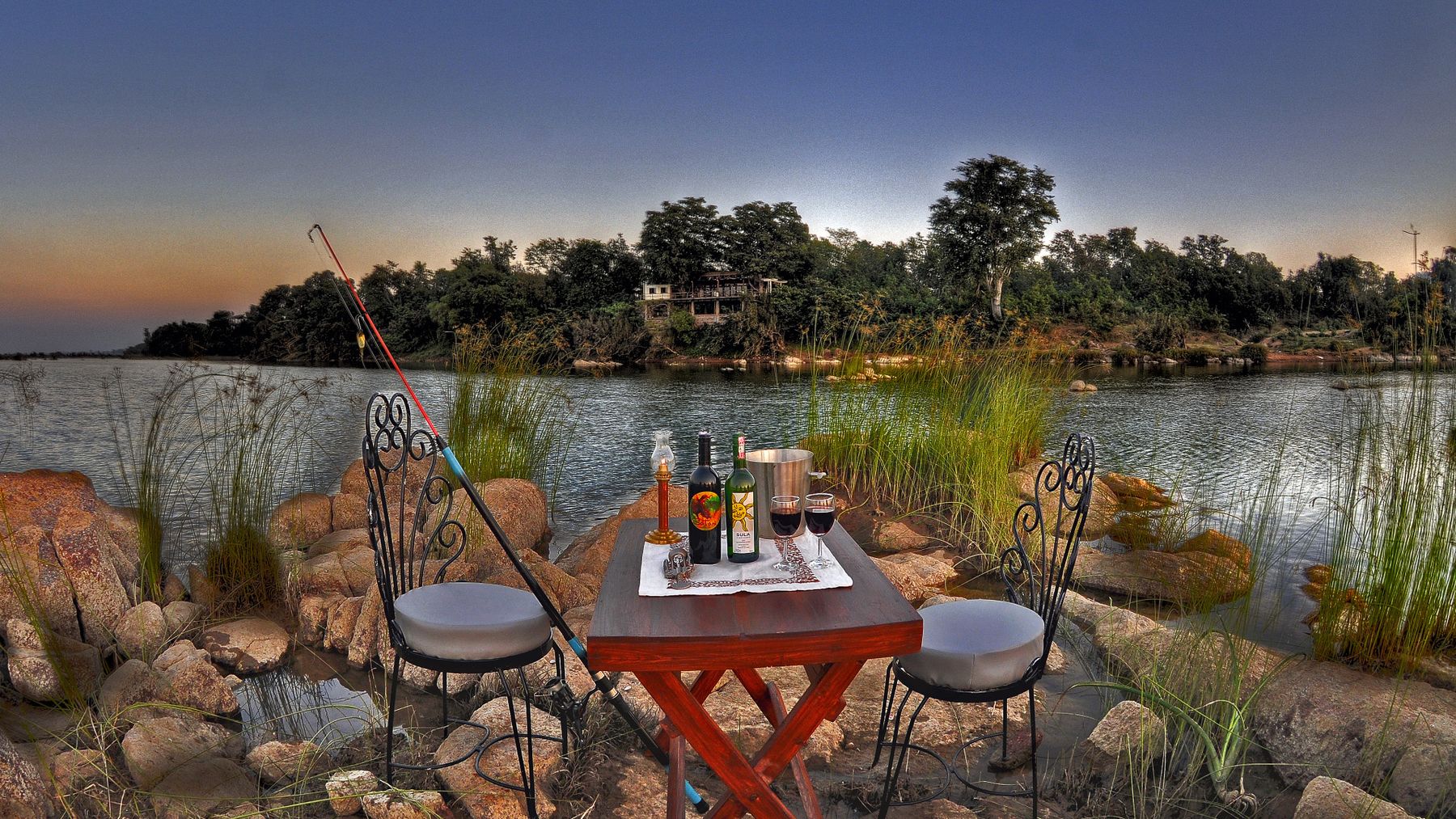
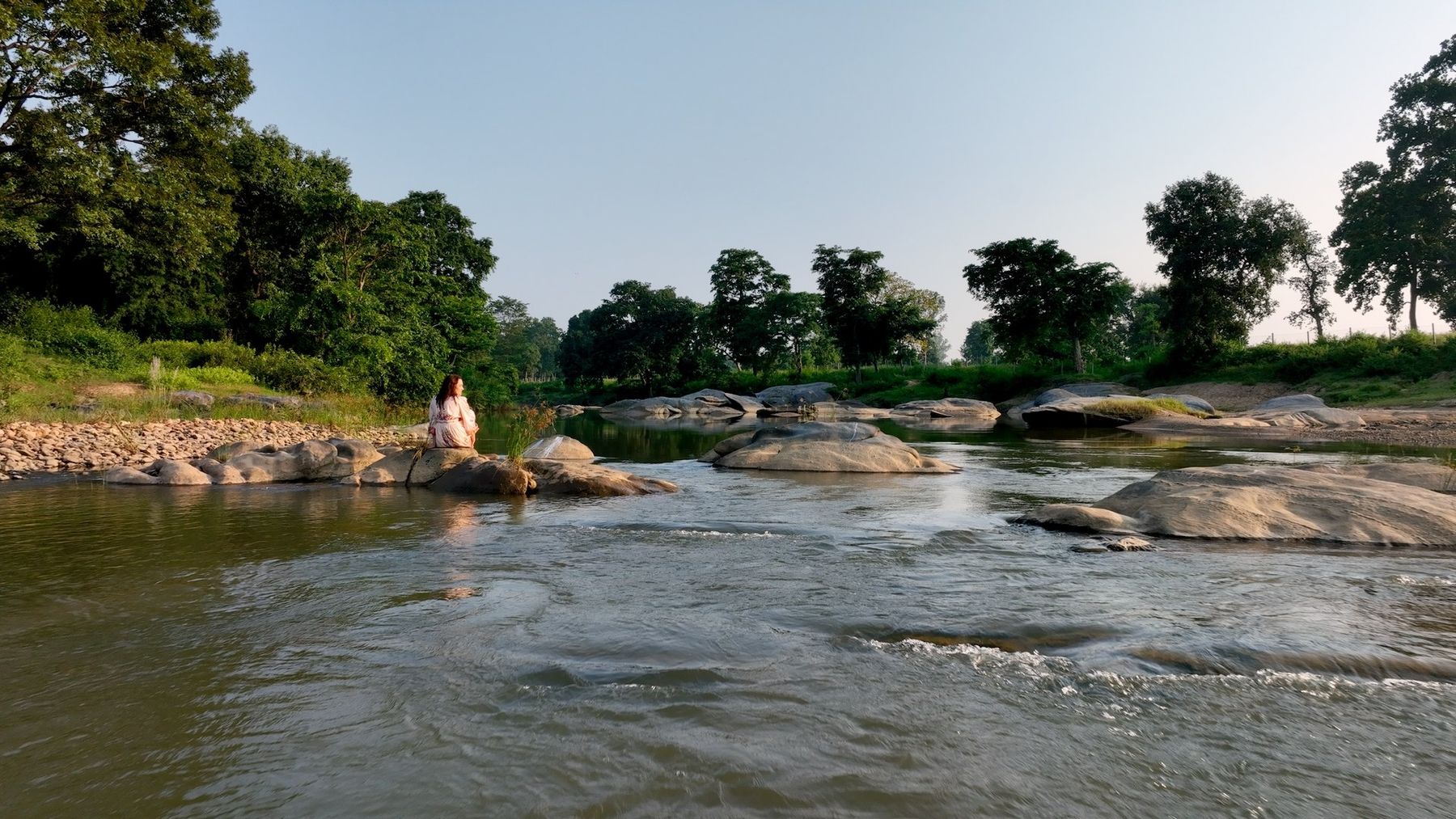
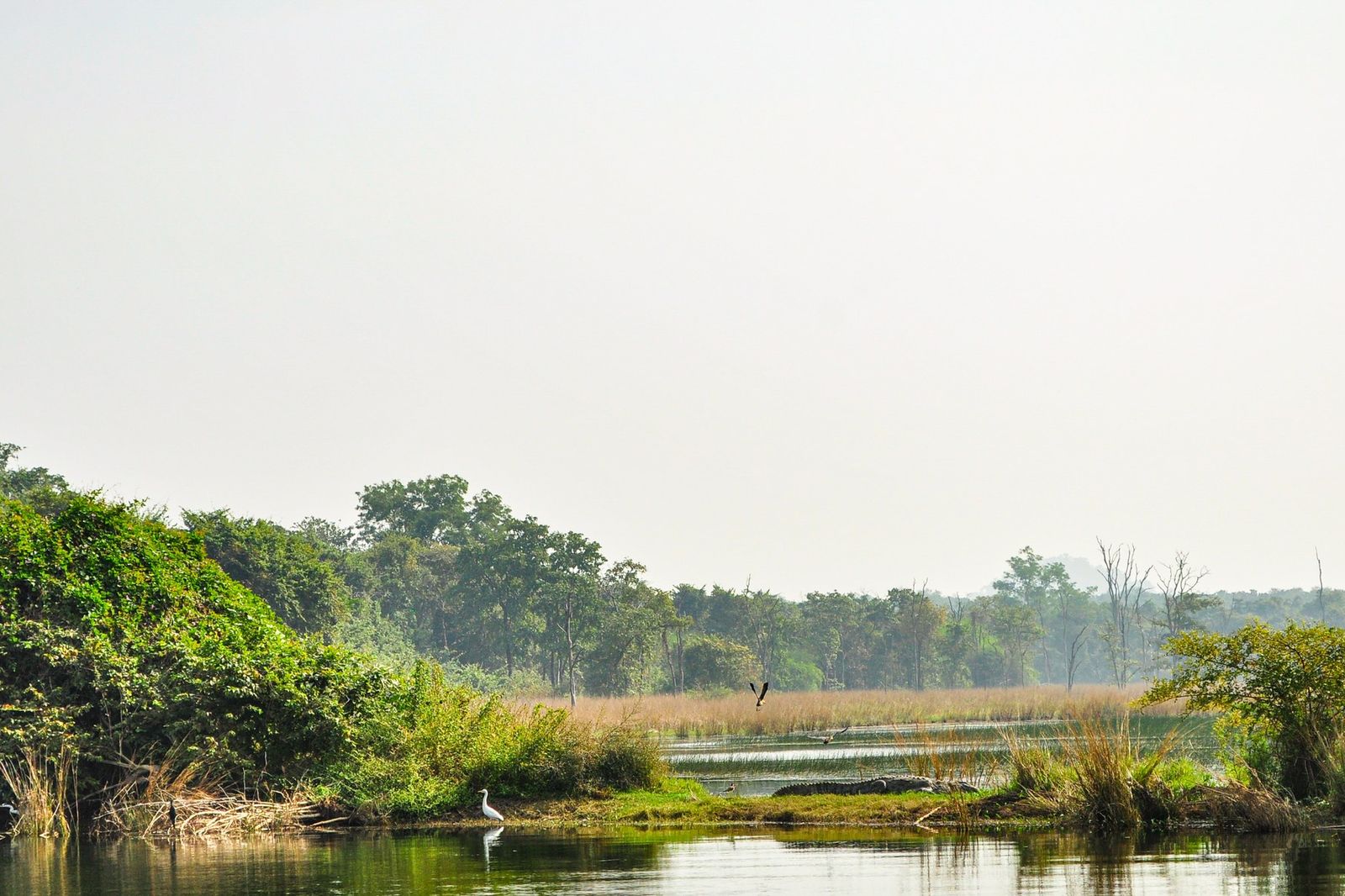
A river running over rocks between forested banks in soft evening lightPhoto: Singinawa Jungle Lodge

If this is the tiger country you have been picturing, the right next step is a conversation.

Begin Your Journey

Tell us how you want to experience India, and we will design the journey around you.