Plan Your Journey
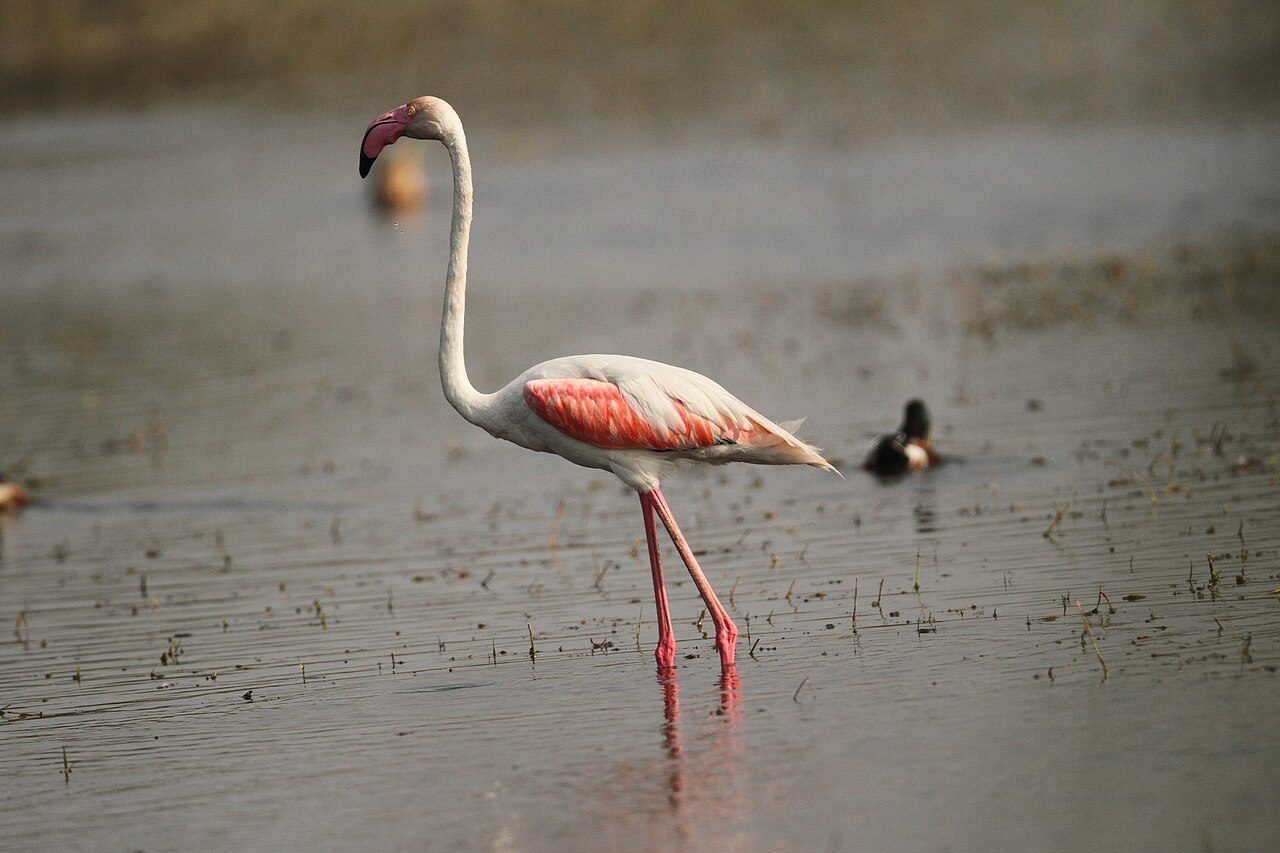
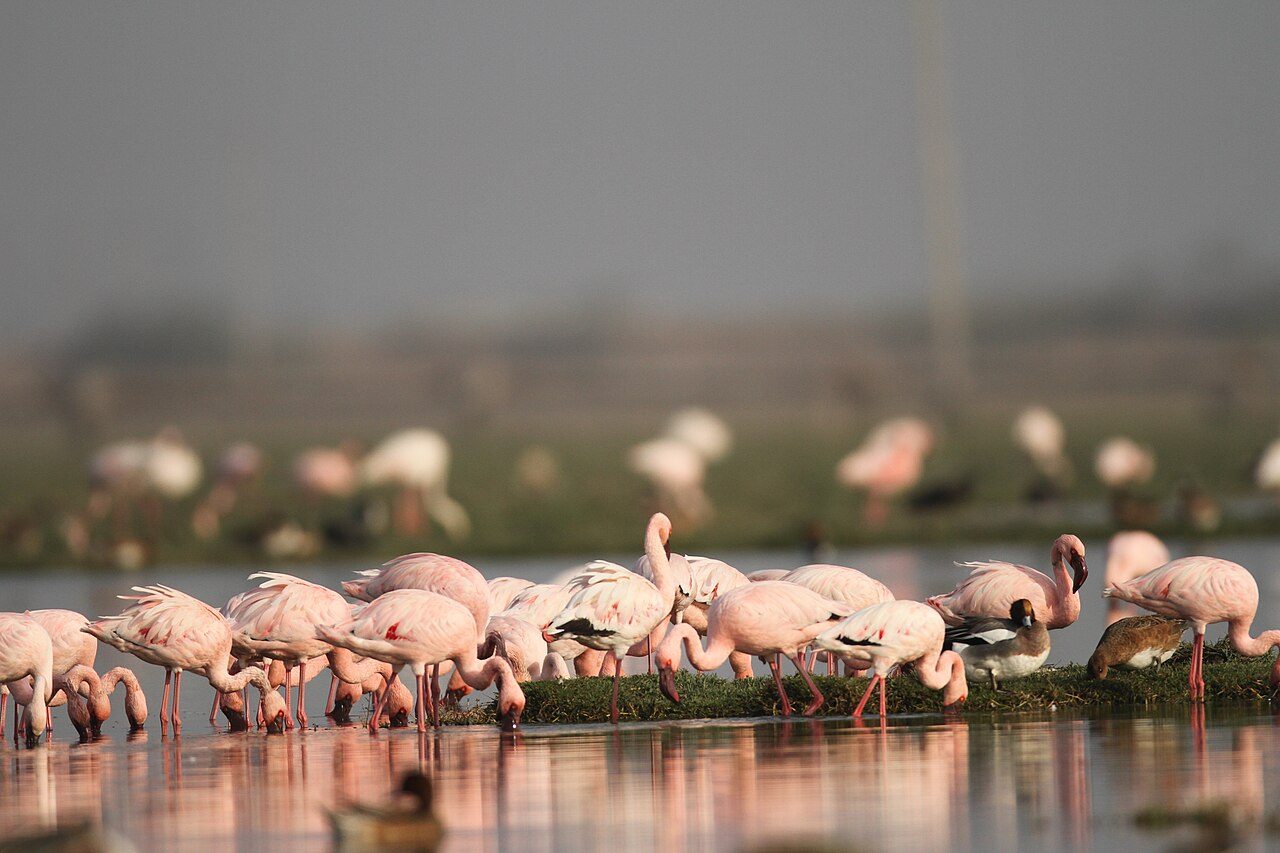
Lesser flamingos feeding in shallow waterPhoto: David Raju / CC BY-SA 4.0

Home / Journeys / The Eastern Wilds

Odisha · India

The Eastern Wilds

Odisha's Forest, Mangrove and Wetland Landscape

Private journeys through sal forest, mangrove delta and a vast coastal lagoon in Odisha: Similipal's black tigers, Bhitarkanika's saltwater crocodiles and the Irrawaddy dolphins of Chilika.

Begin Your Journey

What unites these three places is less a shared ecosystem than a shared pattern — each protects something genuinely singular, found in this specific form nowhere else in India, and in some cases nowhere else on Earth.

Low sun lighting a tangle of forest trees
Odisha

Forest, mangrove and lagoon

In the forests, river deltas and coastal wetlands of Odisha lies one of Indian wildlife’s more scientifically unusual landscapes — a place where genetics, geography and three decades of conservation science have converged to produce a population of tigers found nowhere else on the planet.

Similipal, Bhitarkanika and Chilika together form a landscape of real variety within a single state: dense sal forest giving way to mangrove delta, and finally to a vast coastal lagoon where salt water and fresh water meet.

The landscape

Built around water

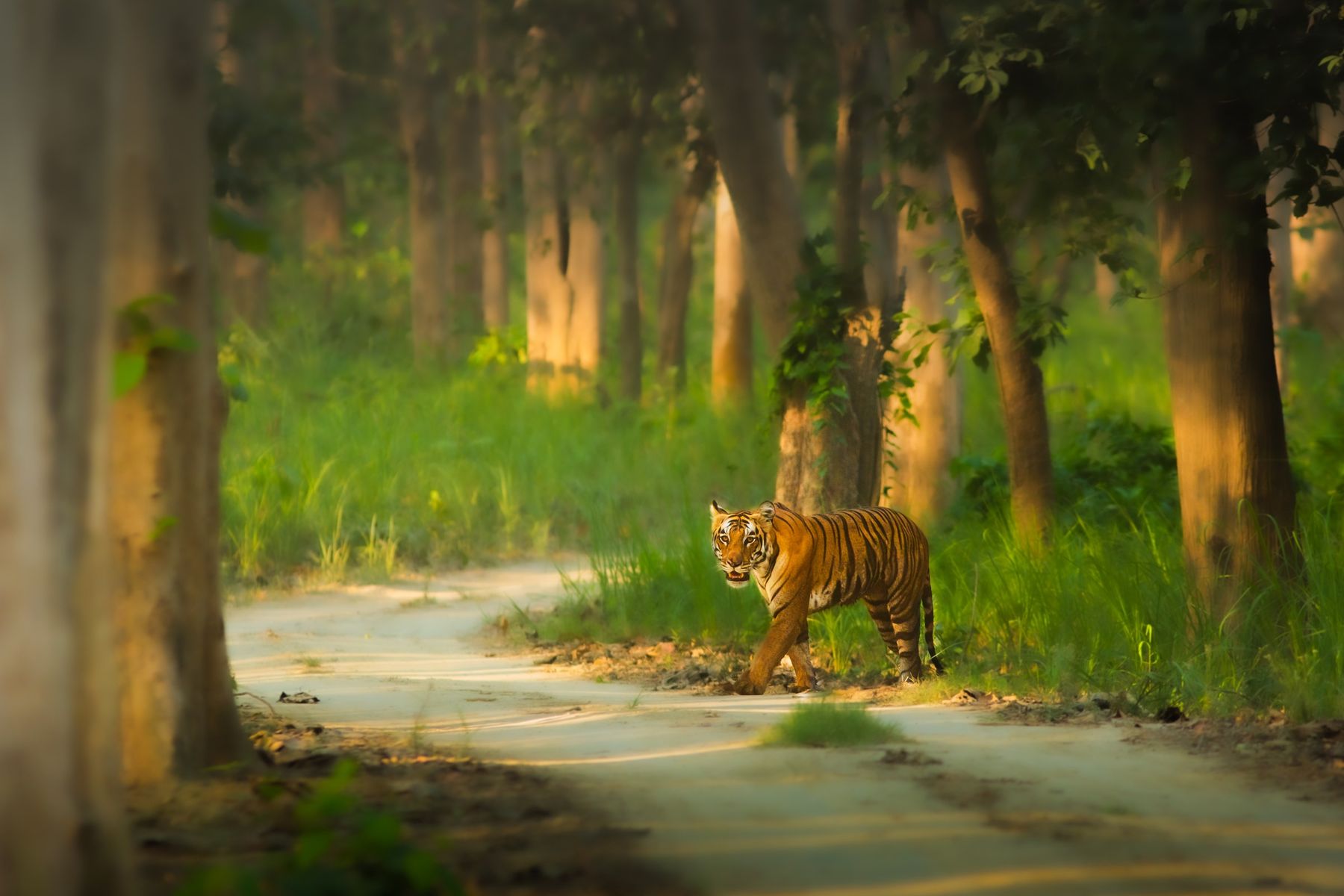
Similipal sits inland, a hill forest of sal and dense mixed deciduous cover rising from the surrounding plains in Mayurbhanj district, fed by the Khairi and Deo rivers and layered with waterfalls and grassland clearings scattered through its core.

Bhitarkanika, to the east where the Brahmani, Baitarani and Dhamra rivers converge before reaching the Bay of Bengal, is built almost entirely around water — India’s second-largest mangrove ecosystem, a maze of tidal creeks, mudflats and mangrove forest that floods and drains with every tide.

Isolation and water

Three places, each singular

Its geographic isolation, surrounded by cultivated land rather than connected to any neighbouring forest block, has shaped not just its management but, as it turns out, its genetics.

Chilika, further south along the coast, is Asia’s largest and the world’s second-largest coastal lagoon, a vast, shallow brackish-water system where the Bay of Bengal mixes with freshwater rivers draining down from the Eastern Ghats, creating a single, enormous wetland unlike any other in India.

Encounters

The wildlife of the Eastern Wilds

Melanistic tiger · Similipal

A rarity shaped by isolation

Similipal holds the only wild population of melanistic, or black, tigers found anywhere on Earth — a genuine scientific rarity rather than a marketing claim.

These are not a separate subspecies but ordinary Bengal tigers carrying a single mutation in a gene called Taqpep, which thickens and darkens their stripes until the coat appears almost entirely black. The 2022 All India Tiger Estimation recorded ten melanistic individuals among sixteen tigers counted in the reserve, and researchers have traced the mutation’s prevalence directly to Similipal’s isolation: cut off from other tiger landscapes for generations, the population has inbred to the point where any given Similipal tiger has roughly a sixty percent chance of carrying the gene.

Conservationists have begun actively correcting this, translocating tigers from other reserves, including a tigress brought from Tadoba in Maharashtra, specifically to broaden the population’s genetic diversity before the isolation that produced this remarkable trait also threatens the population’s long-term health.
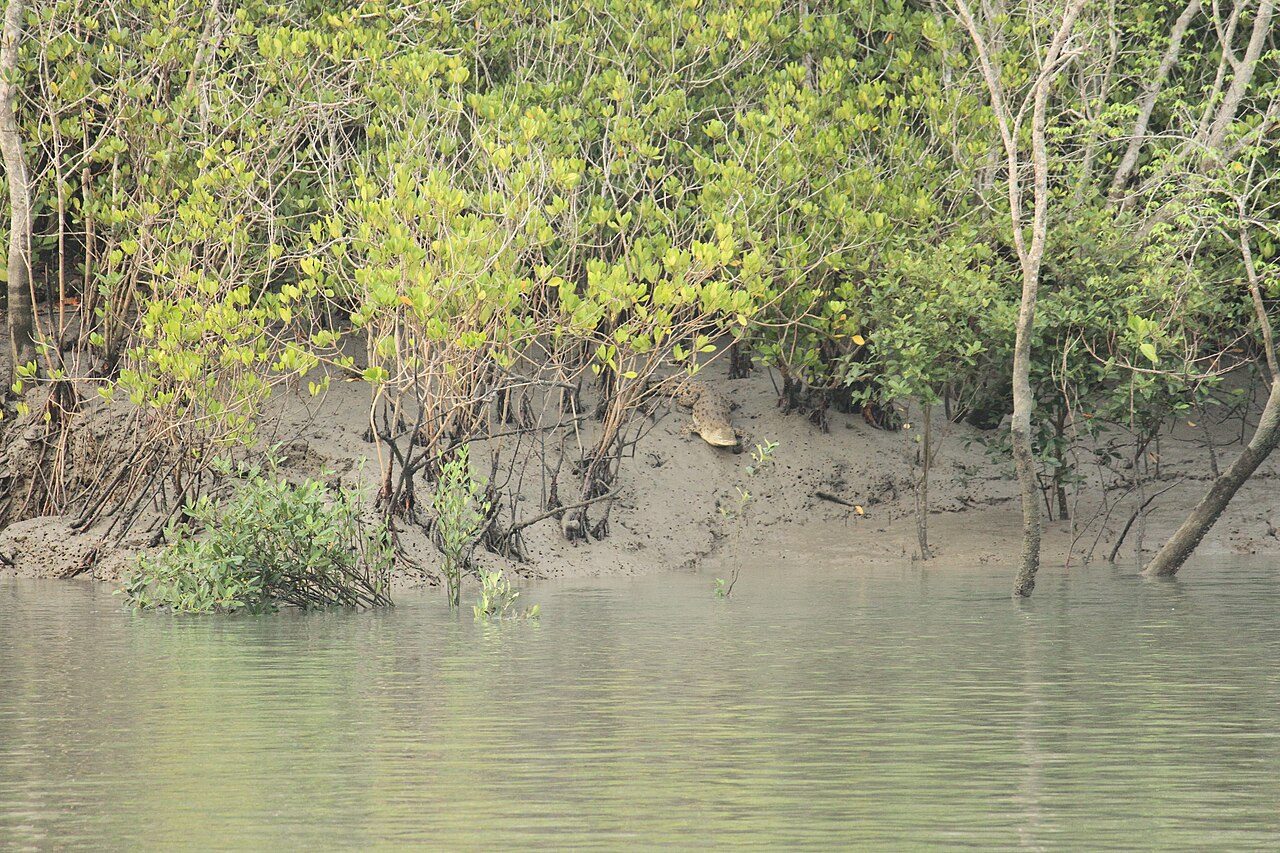
A saltwater crocodile basking on a mangrove mudbankPhoto: David Raju / CC BY-SA 4.0
Saltwater crocodile · Bhitarkanika

Basking on the mudbanks

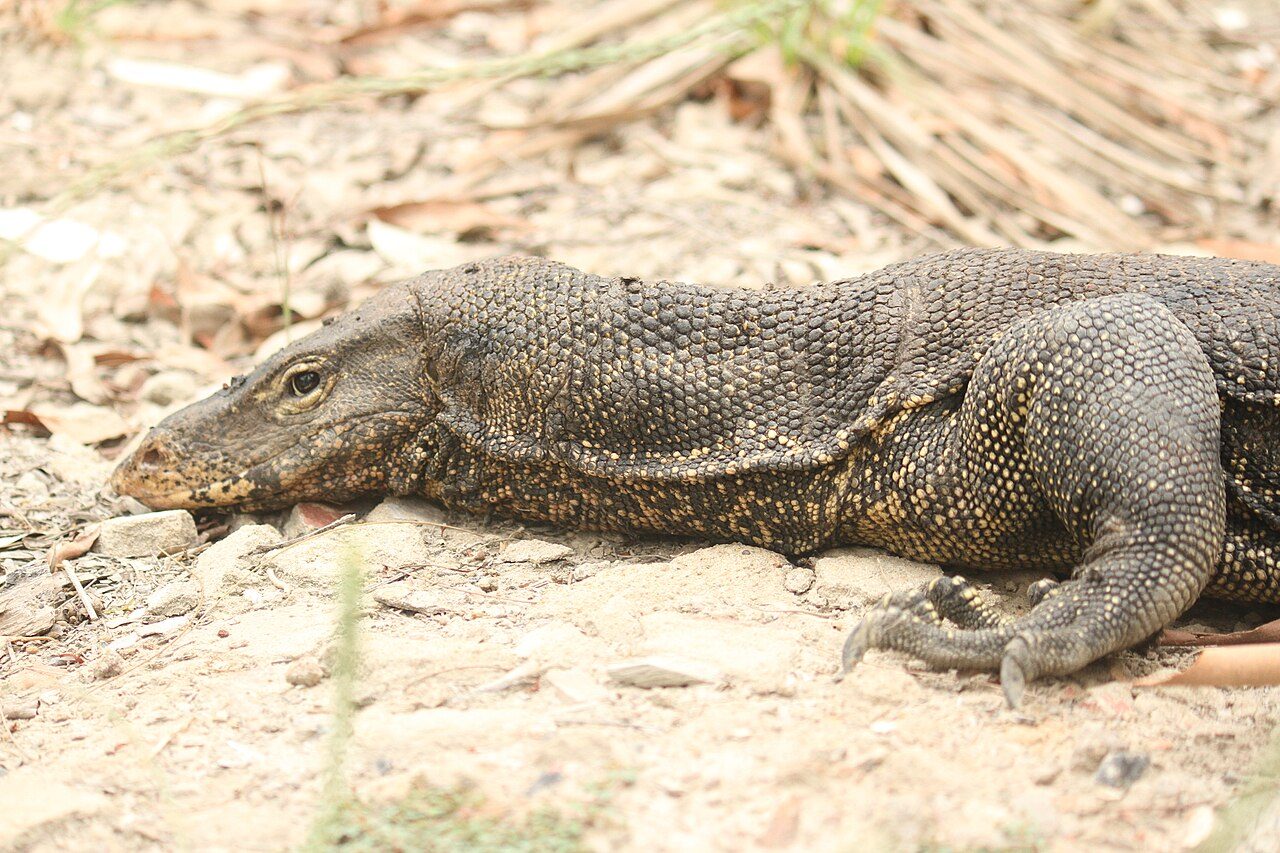
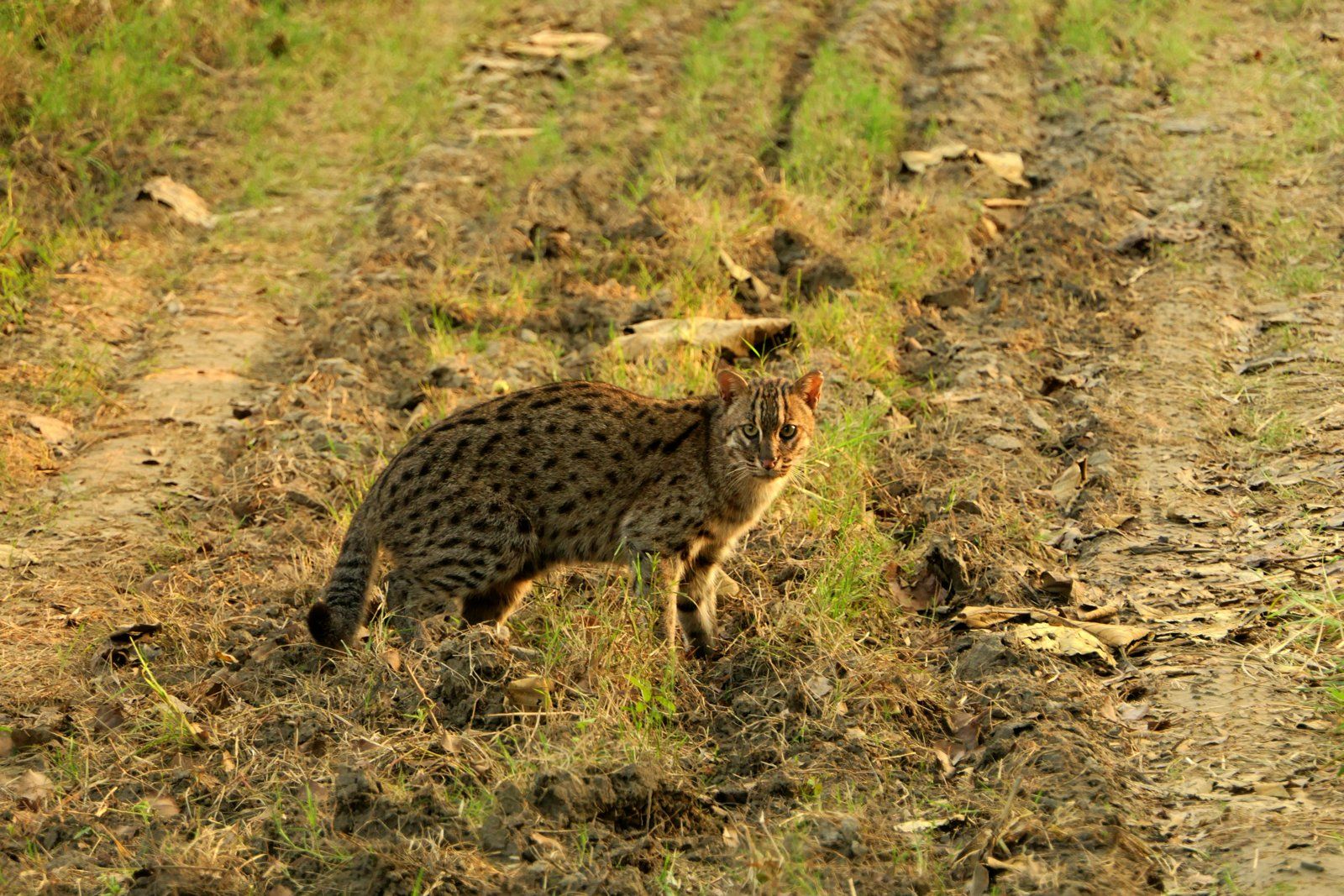
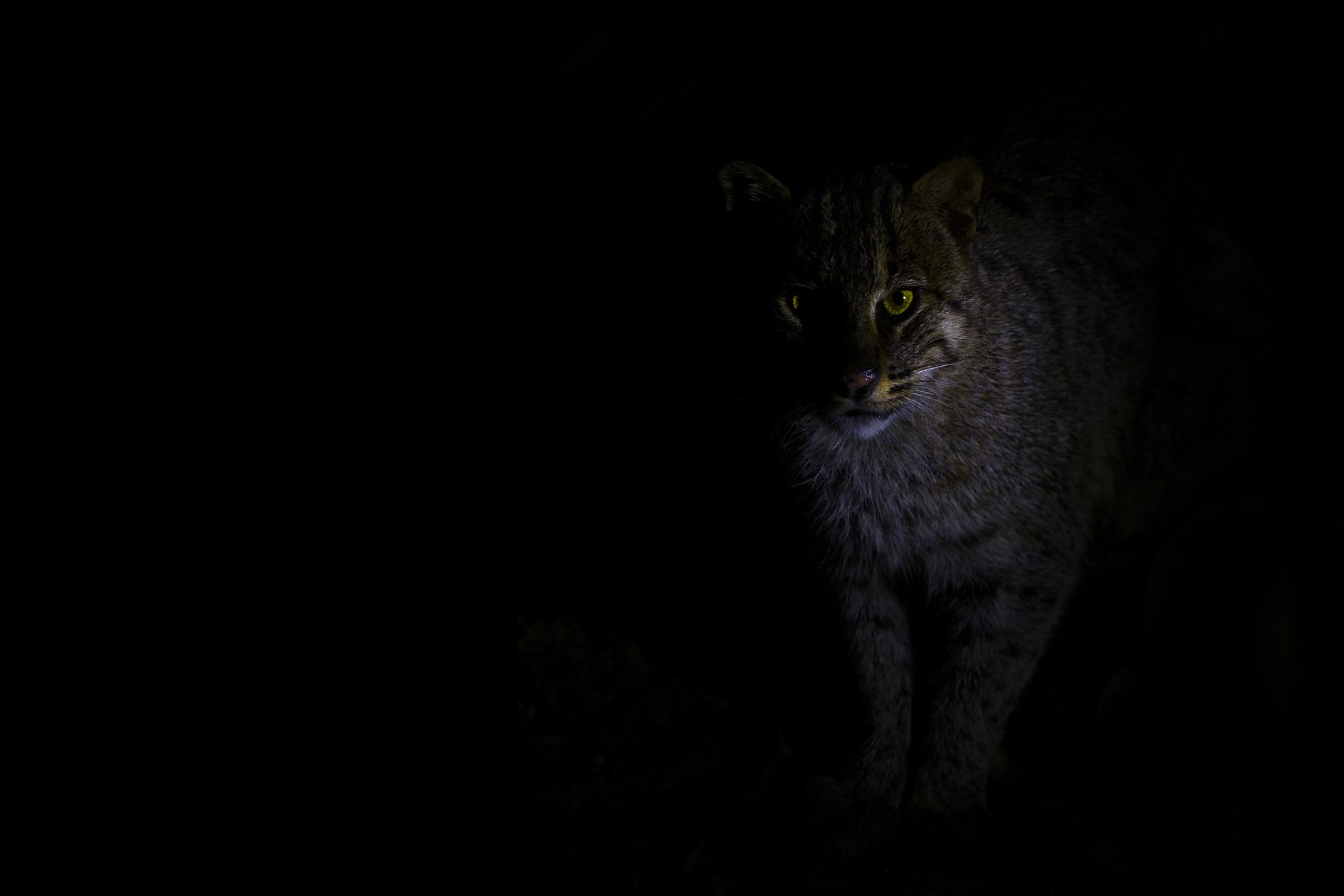
Bhitarkanika holds the largest congregation of saltwater crocodiles found anywhere in India, the mangrove’s tidal creeks sheltering a population that includes some of the largest individual crocodiles recorded in the country, basking on mudbanks in numbers rarely seen elsewhere on the subcontinent. The same mangrove forest shelters water monitor lizard, king cobra and a resident population of fishing cat moving through the tidal creeks at dusk.

Irrawaddy dolphin · Chilika

Dolphins in the lagoon's channel

Chilika’s waters, meanwhile, hold a resident population of the Irrawaddy dolphin — a rare, snub-nosed cetacean found in only a handful of estuarine and coastal locations across Asia — regularly sighted moving through the lagoon’s central channel, alongside significant numbers of spotted deer and golden jackal on the lagoon’s forested fringes.

Birdlife

The Birdlife of the Eastern Wilds

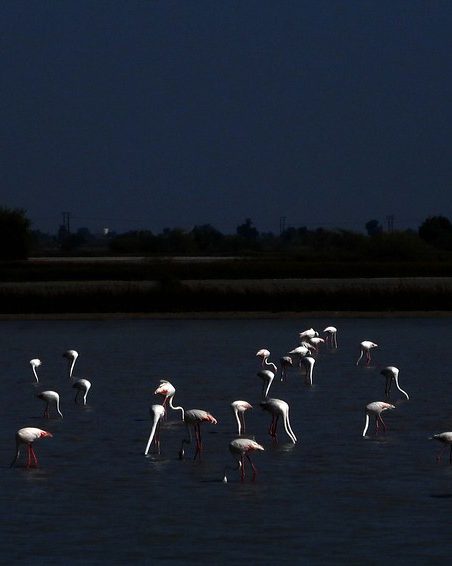
Chilika is, before anything else, one of India’s great bird landscapes.

In the field

Creek, mudflat and lagoon

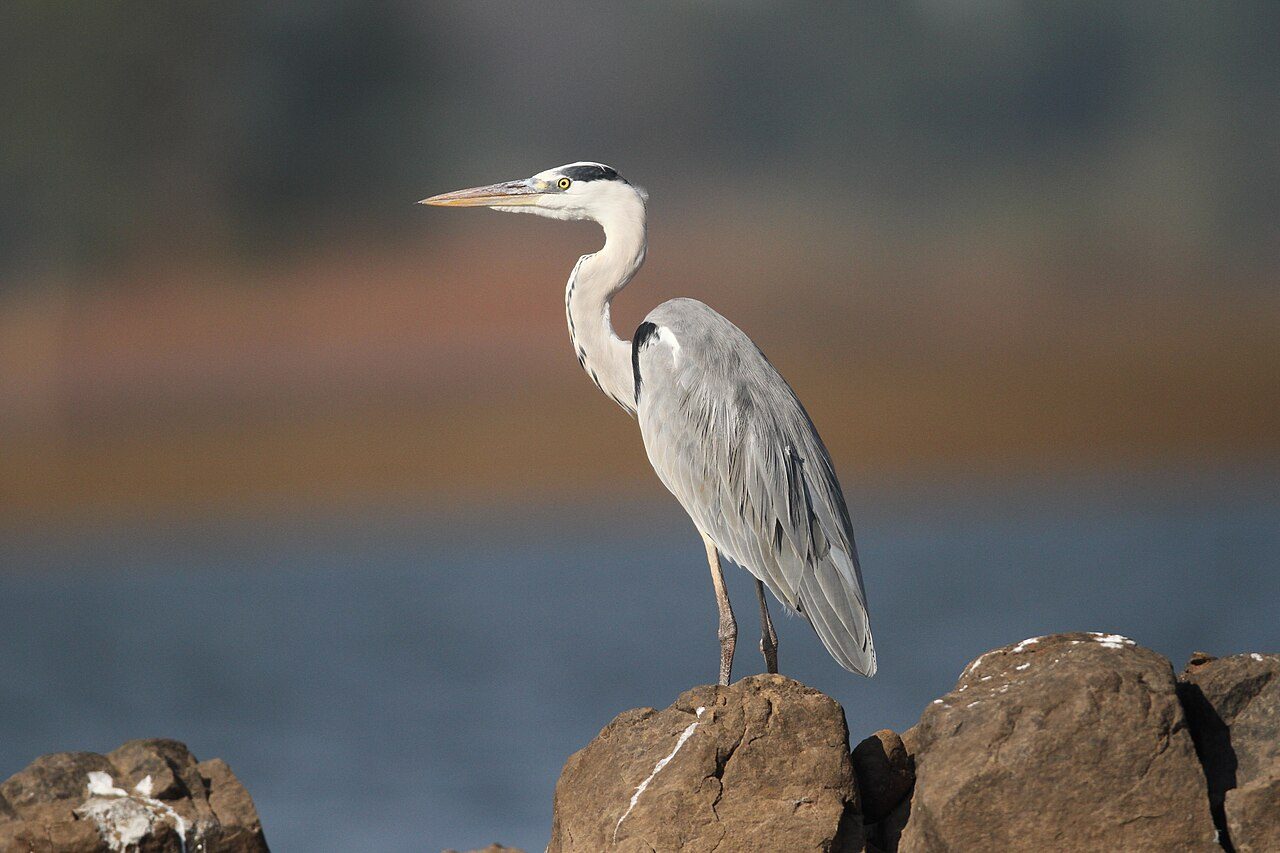
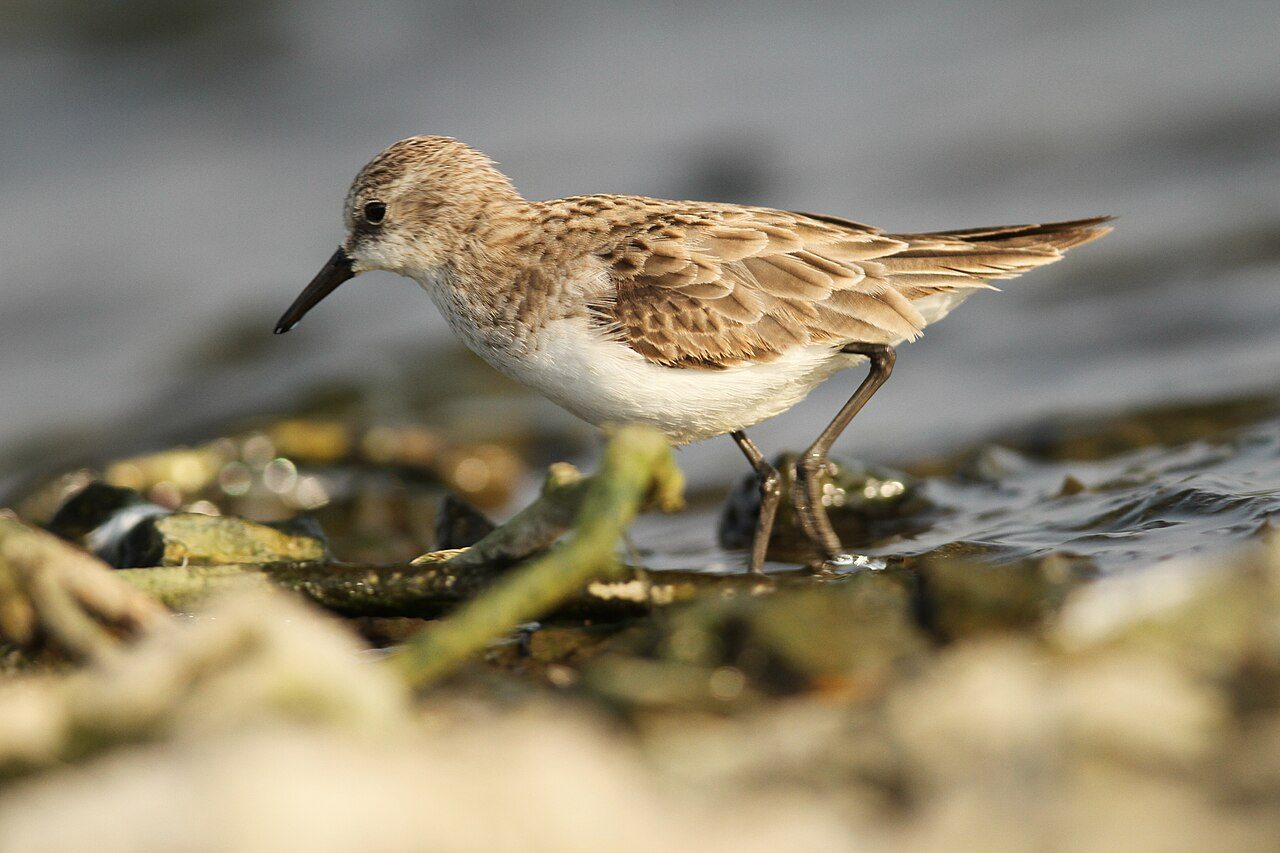
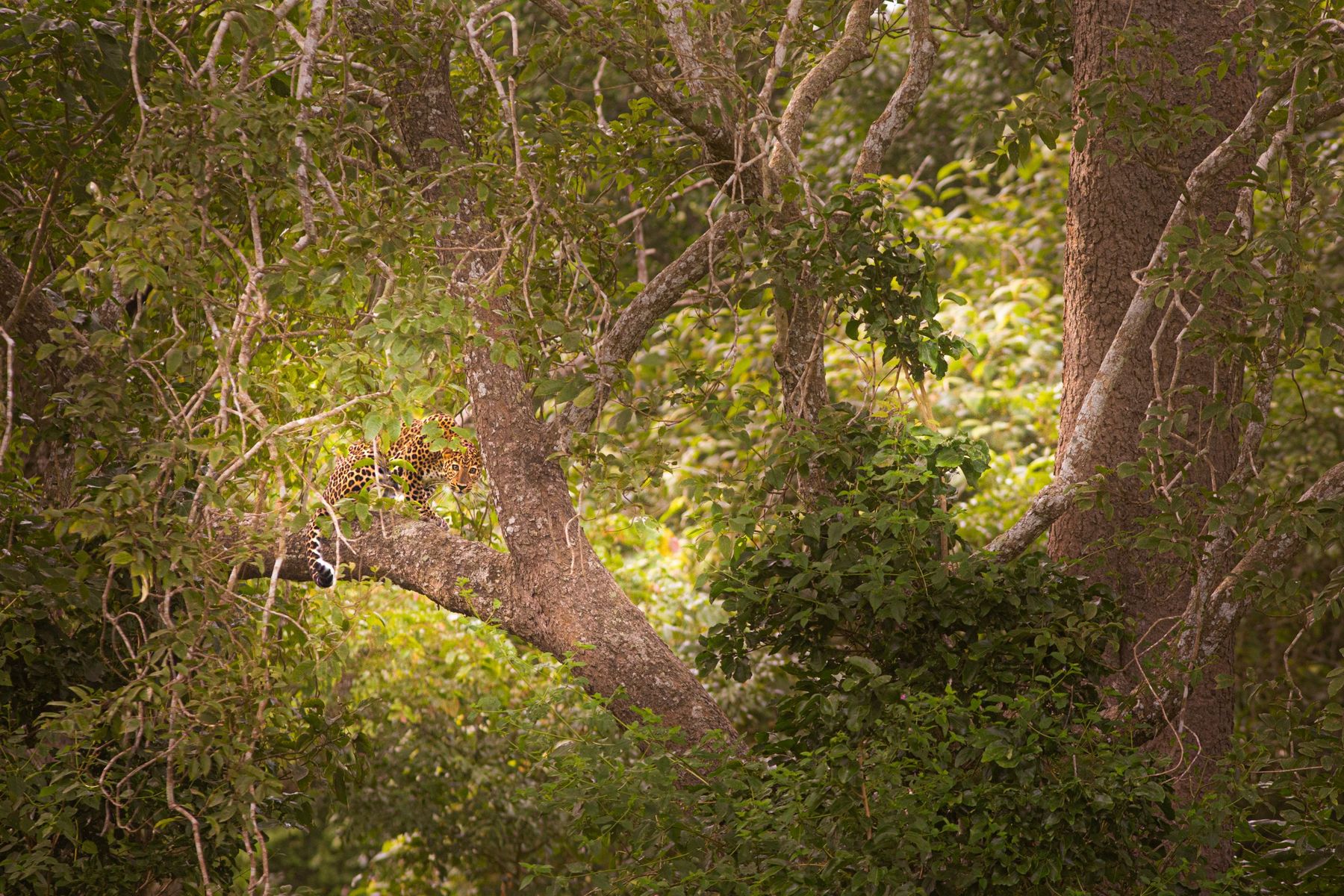
Along this coast the wildlife is shaped by water: wading birds on the lagoon flats, cats that hunt the creeks at night, and reptiles on the mangrove banks.

Experiences

Ways to experience the Eastern Wilds

The case for the Eastern Wilds

What sets the Eastern Wilds apart

The only wild black tigers

Similipal holds the only wild population of melanistic tigers found anywhere on Earth.

India's largest crocodile congregation

Bhitarkanika's tidal creeks shelter the largest congregation of saltwater crocodiles in India.

Asia's largest lagoon

Chilika is Asia's largest coastal lagoon, where the sea mixes with rivers from the Eastern Ghats.

Three ways of travelling

Jeep through sal forest, boat through tidal creeks, and a slower, water-based exploration of an open lagoon.

Science in the field

A single gene mutation, traced to Similipal's isolation, explains why so many of its tigers are black.

A shared pattern

Each place protects something found in this specific form nowhere else in India.

People and place

Life around the wilderness

MayurbhanjSimilipal rises from the plains of Mayurbhanj district, surrounded by cultivated land rather than neighbouring forest.
The lagoon's neighboursChilika's dolphins and birds depend on the lagoon's water quality holding against the pressures of the agriculture and aquaculture around it.
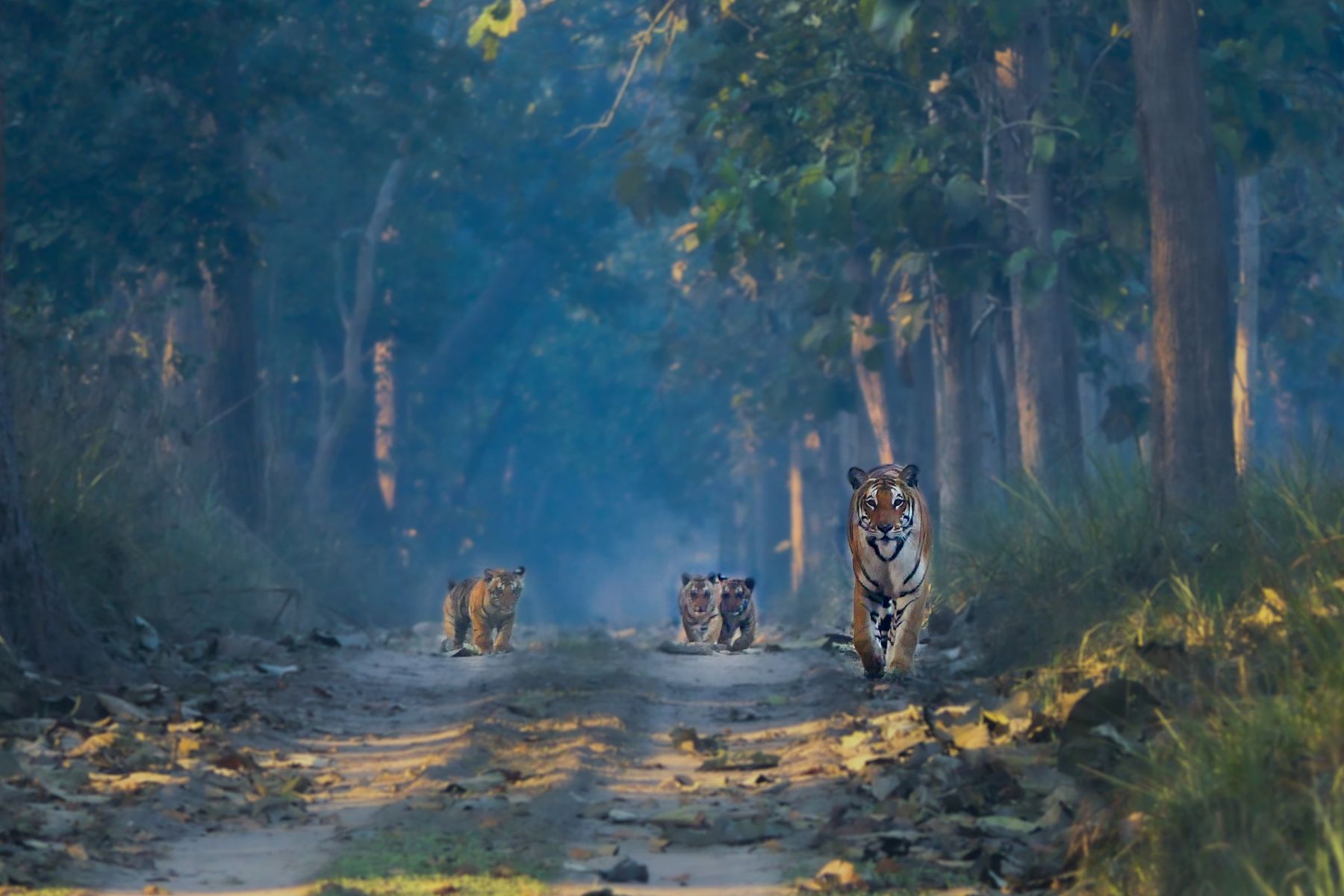
A tigress and cubs on a misty forest road
Conservation

Conservation is part of the journey

Similipal’s melanistic tiger population represents a genuinely unusual conservation challenge: a visually striking, scientifically significant trait that exists specifically because of a population’s genetic isolation, meaning the very thing that makes these tigers remarkable is also a warning sign about their long-term health.

The active translocation programme bringing in tigers from other reserves is a direct, carefully considered response to that problem, aiming to preserve the population’s future without simply breeding out the trait that makes it unique.

Bhitarkanika’s crocodile population and Gahirmatha’s mass sea turtle nesting both represent conservation successes built on strict protection of specific, vulnerable breeding sites, while Chilika’s dolphin and migratory bird populations depend on the lagoon’s water quality and salinity balance remaining stable against the pressures of surrounding agriculture and aquaculture.

How Safari Vista India supports conservation
Odisha

The Places That Make Up the Eastern Wilds

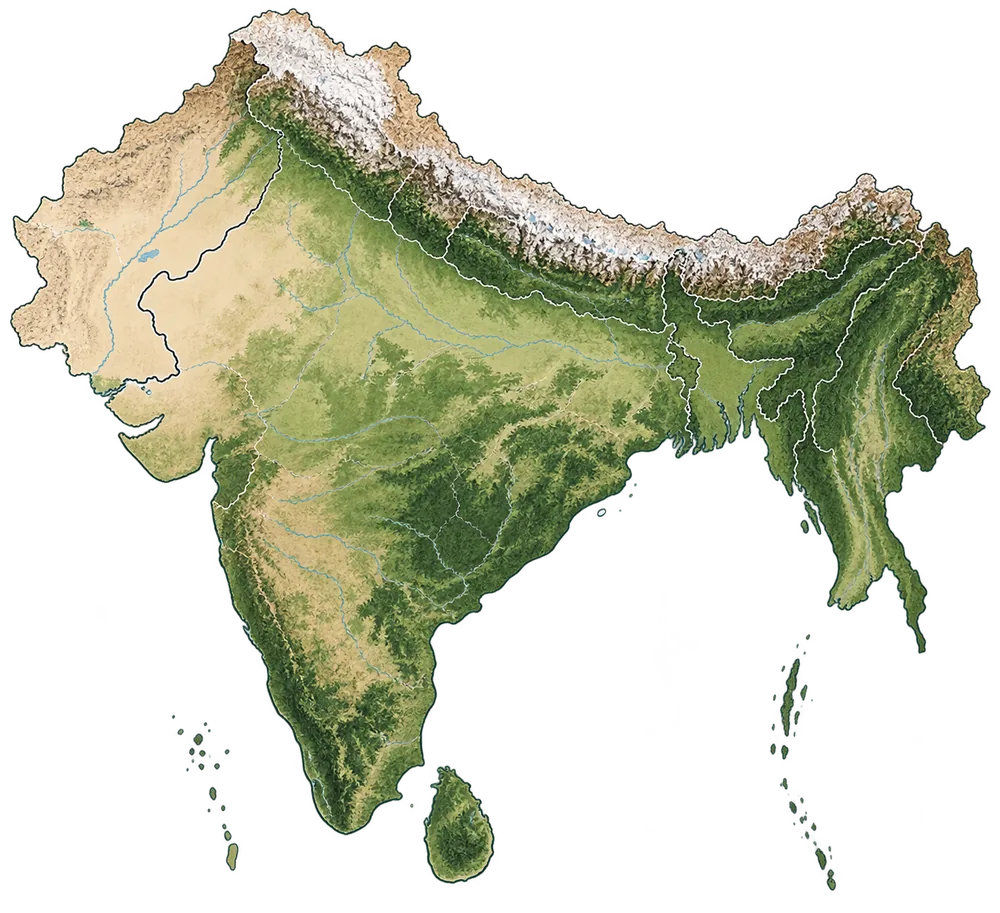
Eastern Wilds
Where the Eastern Wilds lies in the Indian subcontinent. Indicative, not to scale.
The Safari Vista India Way

The Vista Standard

A journey through Odisha’s forest, mangrove and wetland landscape depends on moving comfortably between three genuinely different modes of wildlife travel — jeep safari through Similipal’s sal forest, boat travel through Bhitarkanika’s tidal creeks, and a slower, water-based exploration of Chilika’s open lagoon.

Built the same way as every Safari Vista India journey: one vehicle and boat arrangement, yours alone; a naturalist who understands the genetics behind Similipal’s black tigers as well as the tides governing Bhitarkanika’s creeks; no fixed departures; and one person responsible for the full arc of the journey.

One vehicle. Yours alone.

For the full length of the journey, with no shared seats.

A naturalist, not a driver-guide.

Someone who has spent years reading this landscape, and teaches you to read it too.

No fixed departures.

You travel when the season and your own calendar suit.

Specialist ground handling.

Jeep, boat and the moves between forest, delta and lagoon arranged around each place's own season.

Conservation, included.

Part of how the journey is designed from the outset, not an add-on at checkout.

One point of contact, throughout.

One person from the first conversation to the last morning in the field.

Practical information

Planning a Eastern Wilds journey

November – February

Winter

Cool, dry, comfortable days (15–28°C).

Peak migratory bird congregations at Chilika; comfortable Similipal game drives.

Best for Birders, first-time visitors, Chilika and Nalaban Island.

March – April

Spring

Warming steadily (22–35°C).

Crocodile nesting activity increases at Bhitarkanika; tiger sightings improve at Similipal.

Best for Bhitarkanika crocodile viewing, Similipal tiger safaris.

May – June

Pre-Monsoon

Hot and humid, building toward the rains (30–40°C).

Olive Ridley turtle mass-nesting at Gahirmatha beaches nearby.

Best for Specialist turtle-nesting interest only.

July – October

Monsoon (Closed)

Heavy, sustained rainfall; Similipal's core zone closes.

Forest regeneration period at Similipal; Chilika and Bhitarkanika remain more accessible.

For travellers Not recommended for Similipal; possible for Chilika with caution.

When to go

Similipal’s core zone closes through the monsoon months when heavy rainfall makes forest roads impassable, reopening once conditions allow safe access.

Bhitarkanika’s crocodile nesting season runs through the pre-monsoon months, while Chilika’s great migratory bird congregations are a winter phenomenon specifically, drawing their largest numbers between November and February before the birds depart for their breeding grounds further north.

Time to give the landscape

A focused visit to Similipal for its melanistic tiger population and forest wildlife can be built into three to four days.

Adding Bhitarkanika’s crocodile-rich mangrove creeks and Chilika’s bird-rich lagoon extends a full Eastern Wilds circuit to seven or eight days, allowing enough time to properly experience each landscape’s distinct mode of travel, from jeep to boat and back again.

Three calendars, one journey

Each of the three reserves follows a somewhat different calendar given their very different ecosystems, which is why sequencing a journey across all three benefits from planning around each site’s specific seasonal strengths rather than a single shared window.

Questions

Questions about the Eastern Wilds

Within one state, Odisha, dense sal forest gives way to mangrove delta and then to a vast coastal lagoon. Each of its three places protects something found in this form nowhere else in India: Similipal's black tigers, Bhitarkanika's saltwater crocodiles, and the Irrawaddy dolphins and winter birds of Chilika. A journey moves between jeep and boat to see them. Read more

Similipal holds the only wild population of melanistic, or black, tigers on Earth. They are ordinary Bengal tigers carrying a single gene mutation that darkens their stripes, and the 2022 estimation recorded ten melanistic individuals among sixteen tigers counted. Similipal offers jeep safari through its core zone, which closes in the monsoon, and a focused visit takes three to four days. Read more

Bhitarkanika, where three rivers converge before the Bay of Bengal, holds the largest congregation of saltwater crocodiles in India, including some of the largest individuals recorded in the country. Its tidal creeks are explored by boat, with water monitor lizard, king cobra and fishing cat in the same mangrove forest. The crocodile nesting season runs through the pre-monsoon months. Read more

Chilika is Asia's largest coastal lagoon and, before anything else, one of India's great bird landscapes. Its Nalaban Island sanctuary draws vast winter congregations of flamingo, pelican, ducks and waders, largest between November and February. A resident population of the rare Irrawaddy dolphin is regularly seen in the central channel, and both are best approached by boat. Read more

A focused visit to Similipal for its melanistic tigers and forest wildlife takes three to four days. Adding Bhitarkanika's mangrove creeks and Chilika's lagoon extends a full circuit to seven or eight days, enough to experience each landscape's own mode of travel. Because the three places follow different calendars, the journey is sequenced around each one's seasonal strengths. Read more

The black coat exists because of the population's genetic isolation: cut off from other tiger landscapes for generations, the tigers have inbred. That same isolation threatens their long-term health, so conservationists are translocating tigers from other reserves, including a tigress from Tadoba, to broaden genetic diversity without simply breeding out the trait that makes the population unique. Read more

If this is the India you want to understand — scientifically singular, water-shaped, and found in this exact form nowhere else — the right next step is a conversation.

Begin Your Journey

Tell us how you want to experience India, and we will design the journey around you.