A presence you learn to read
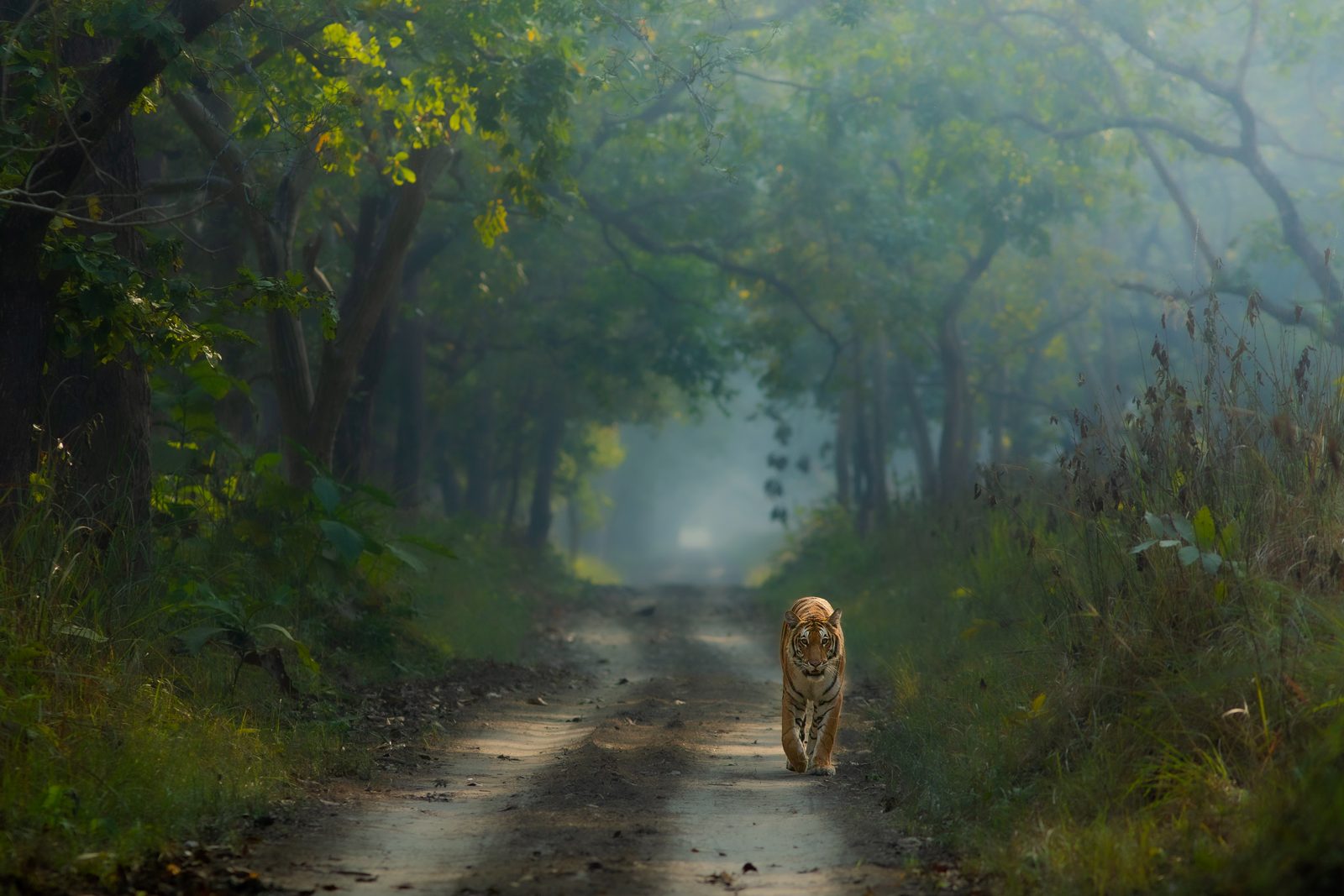
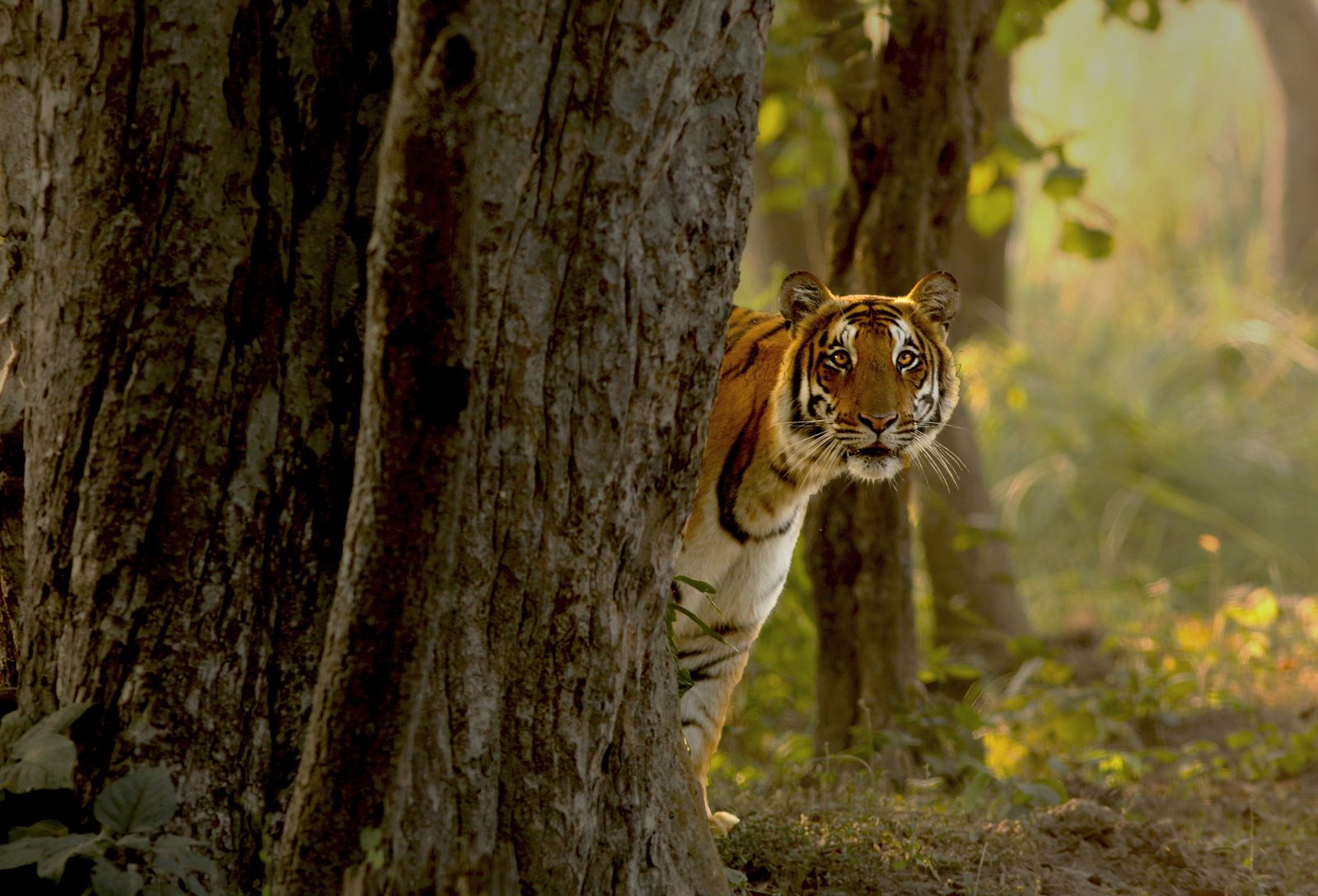
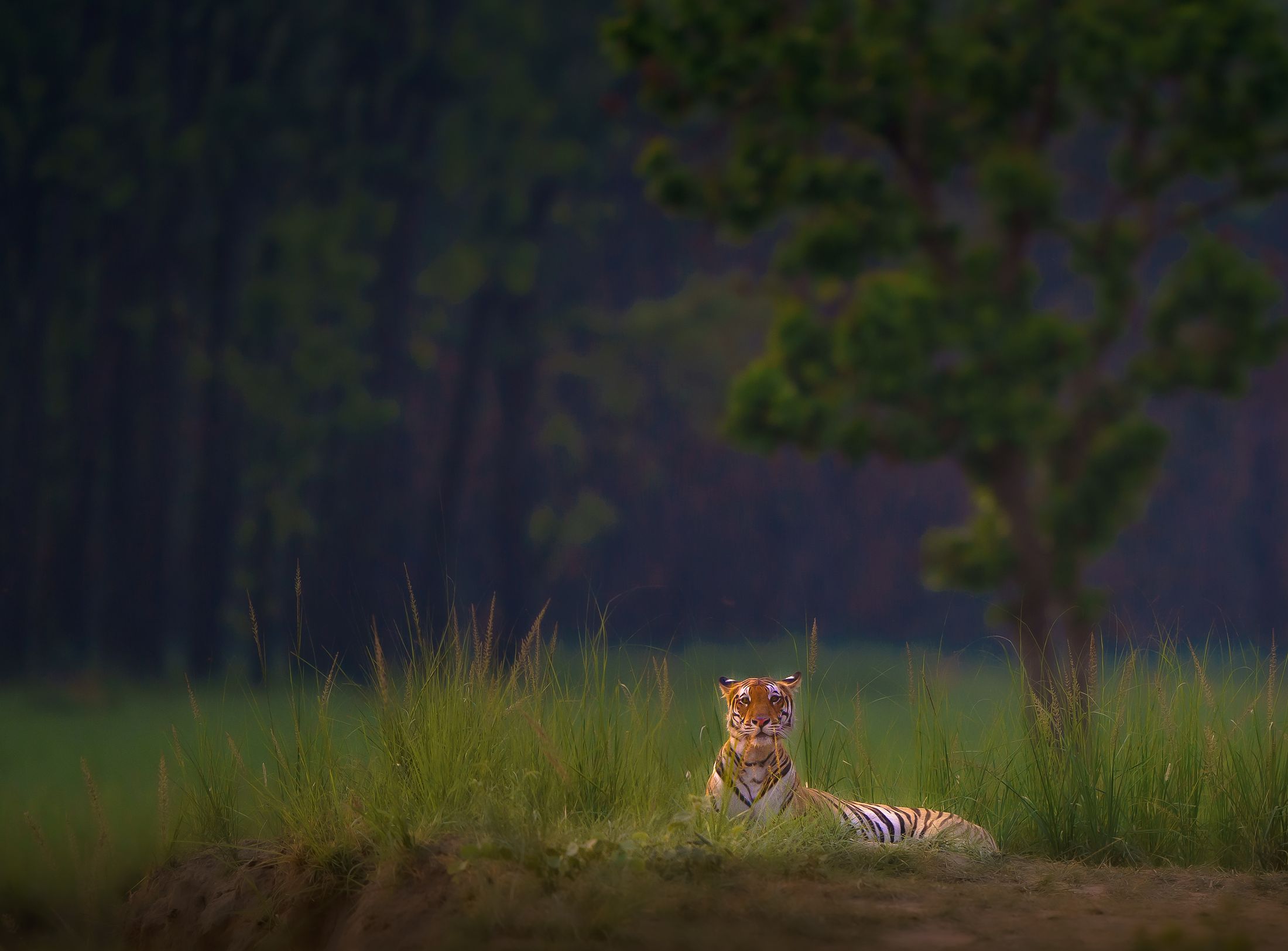
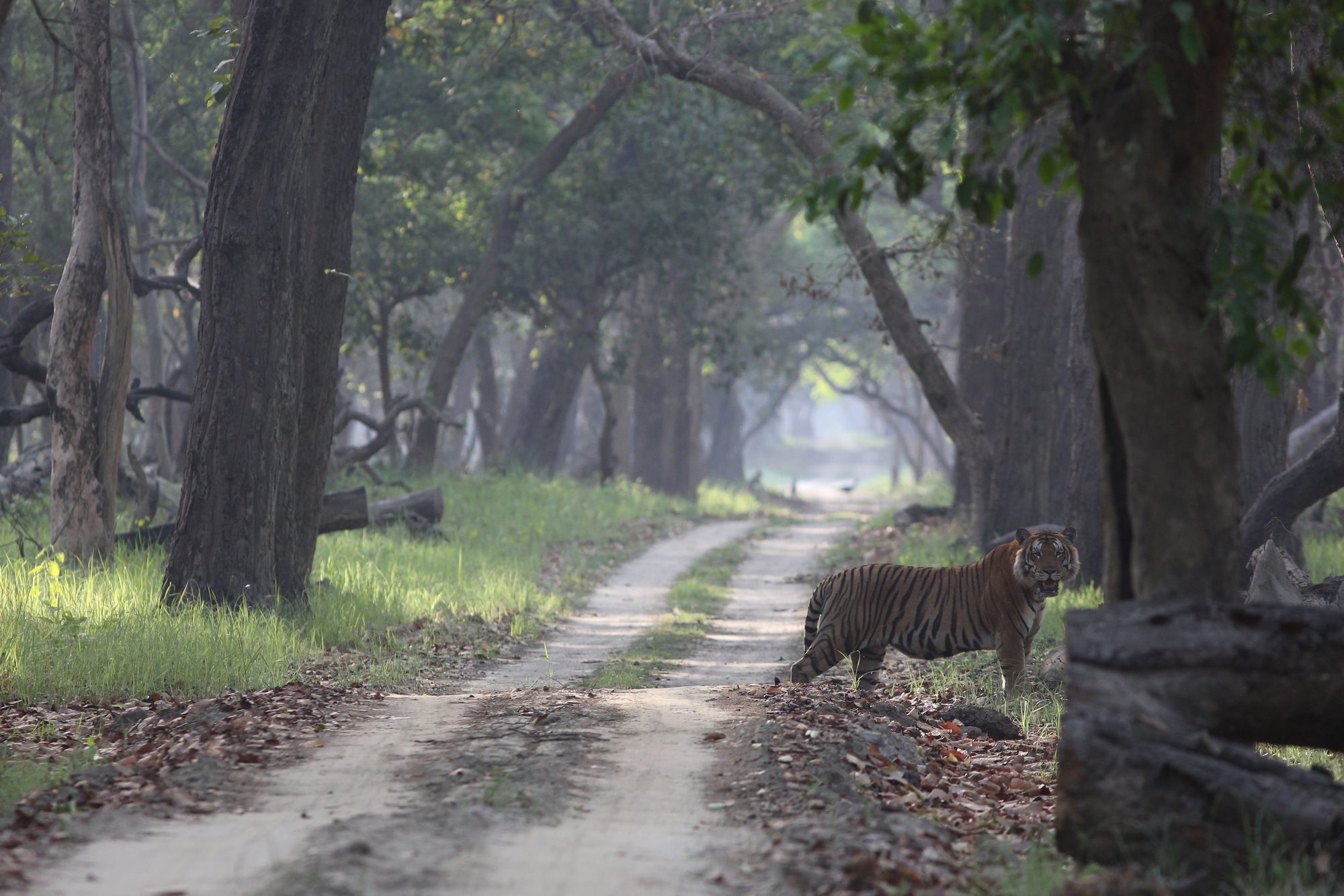
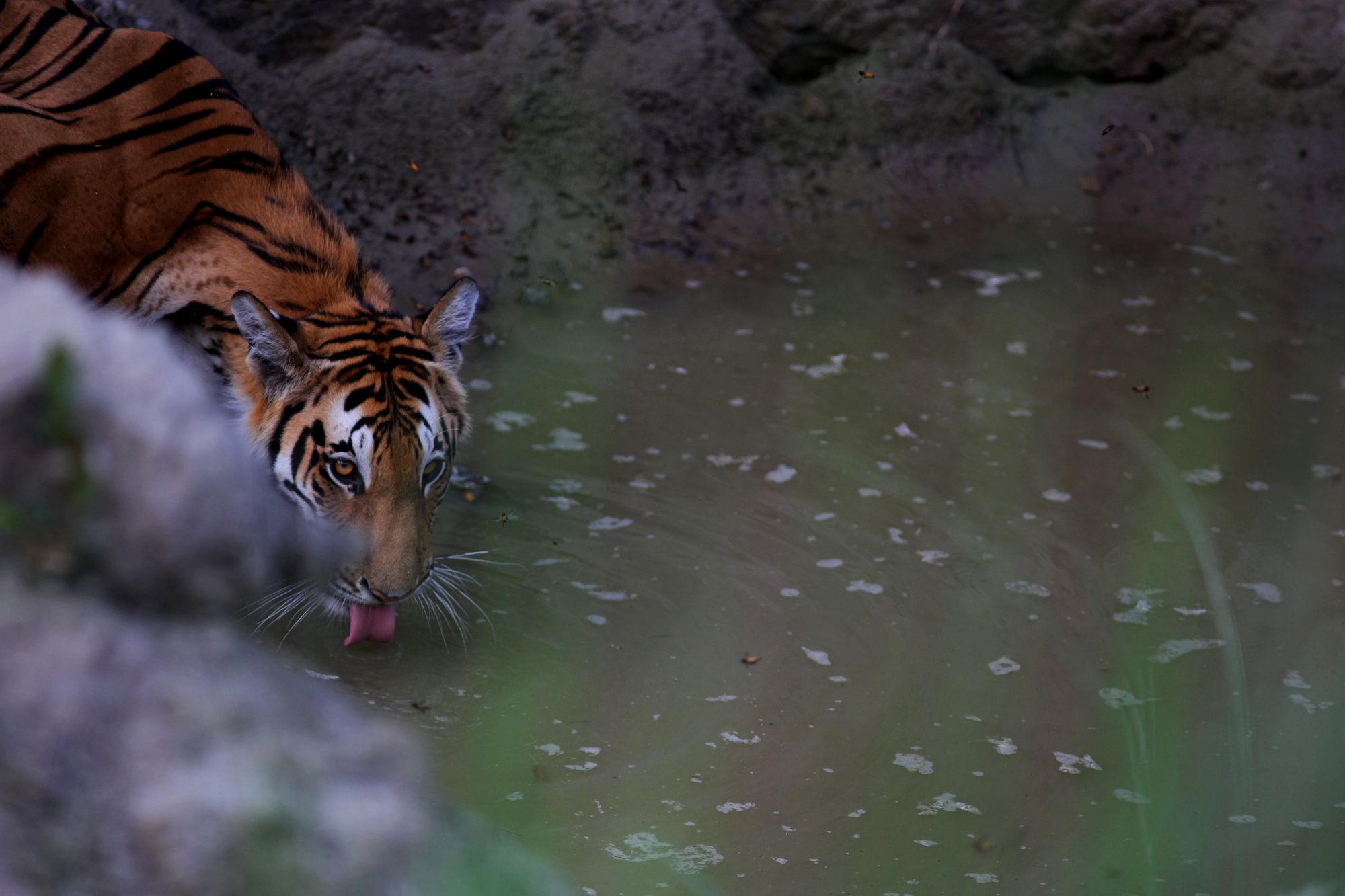
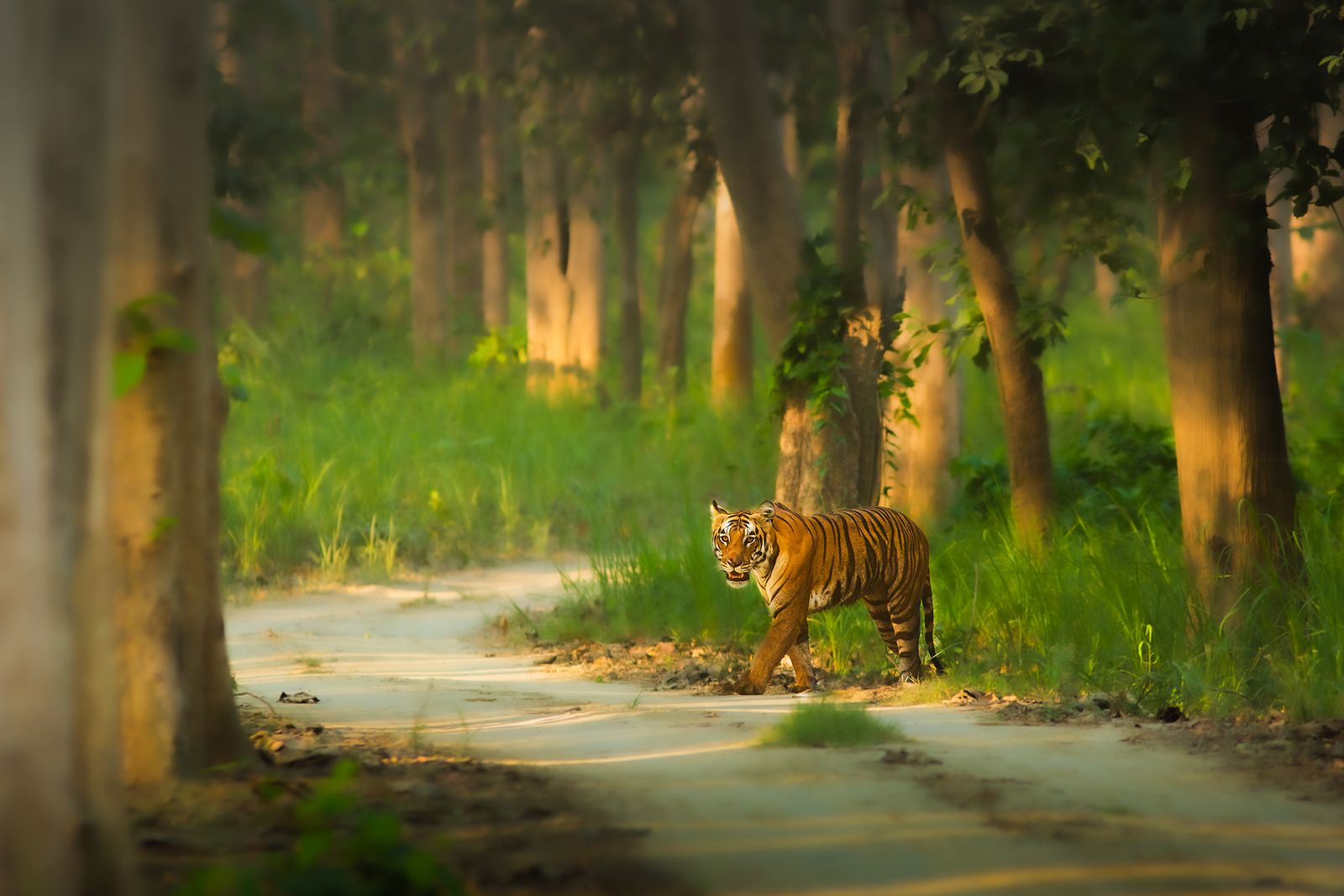
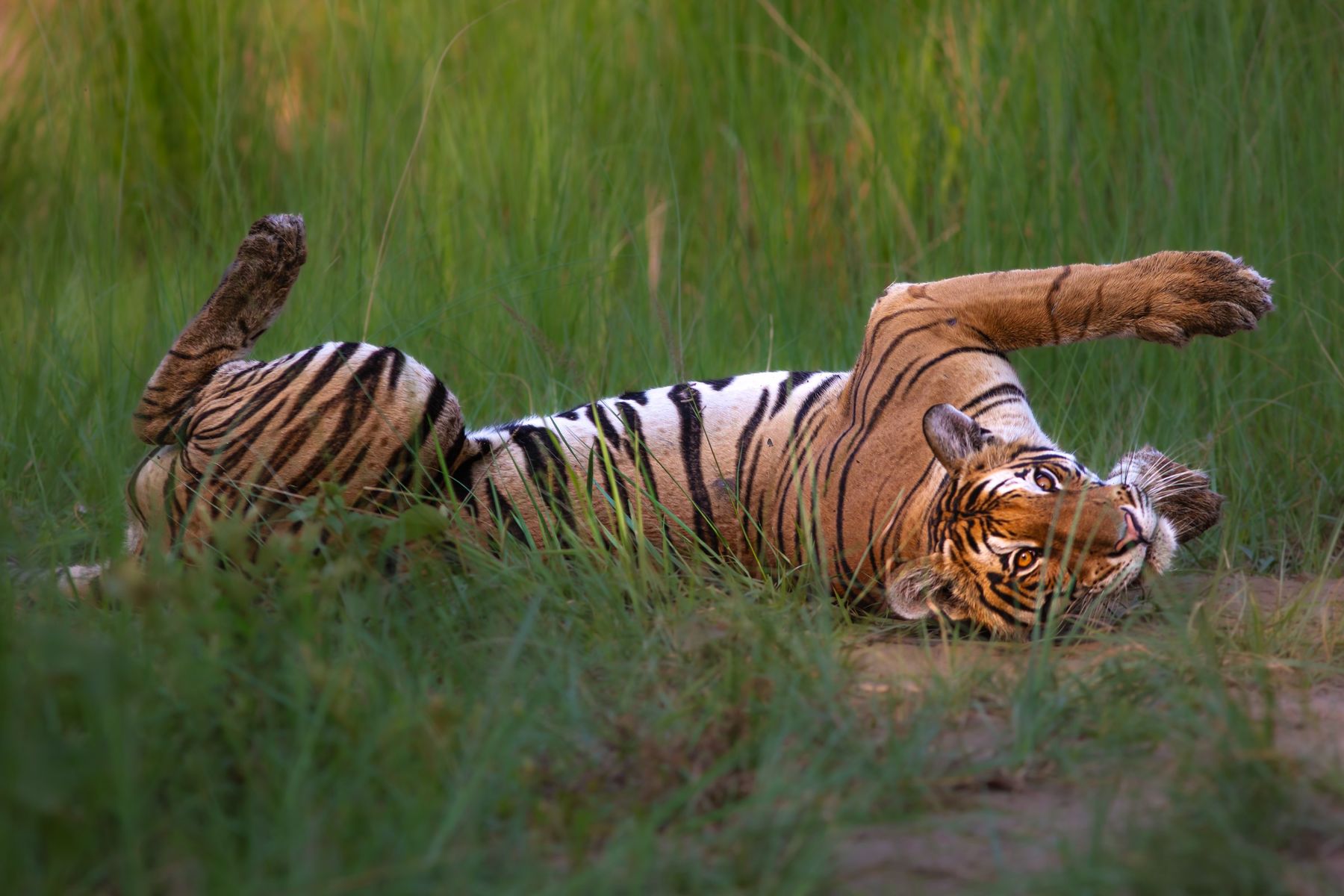
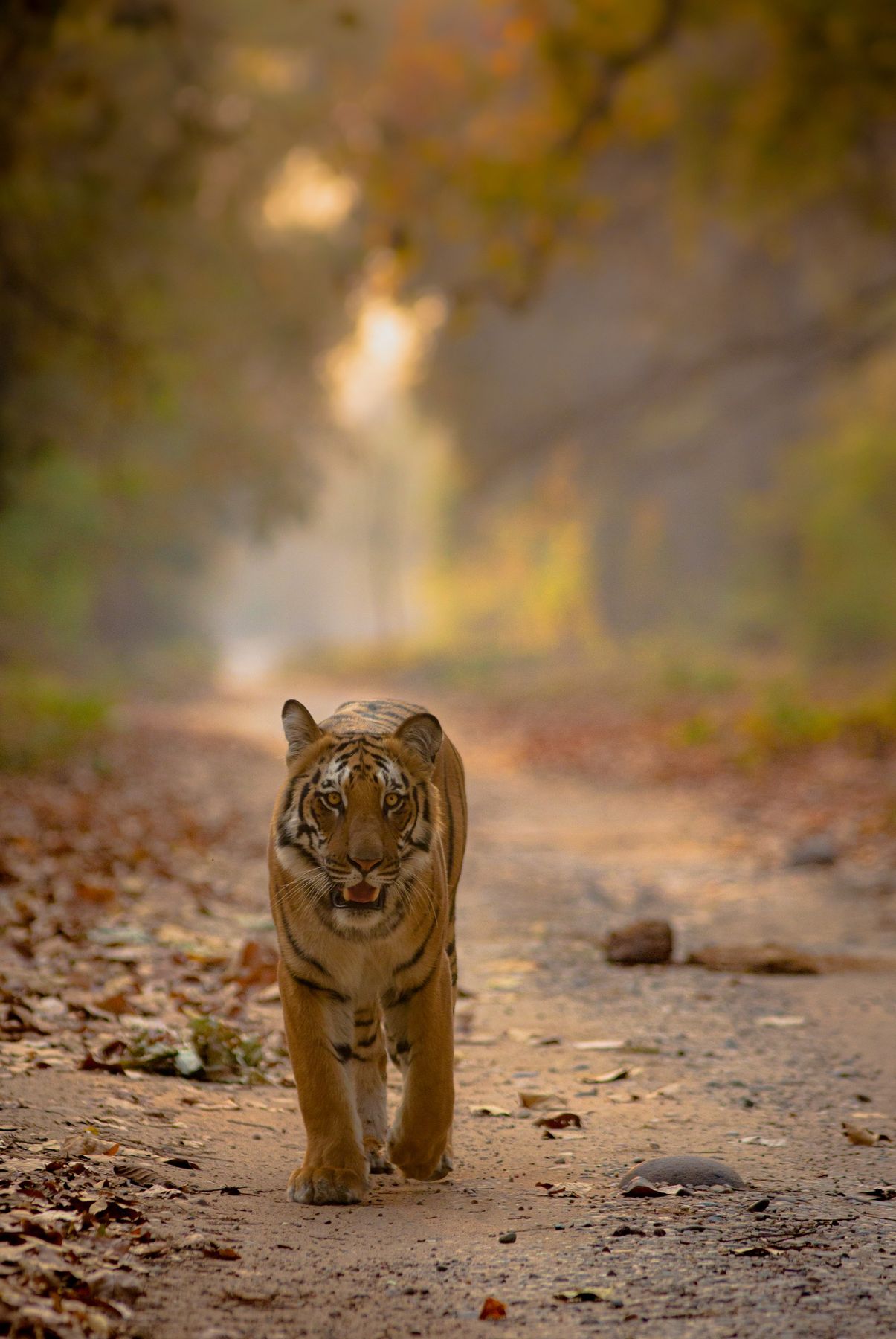
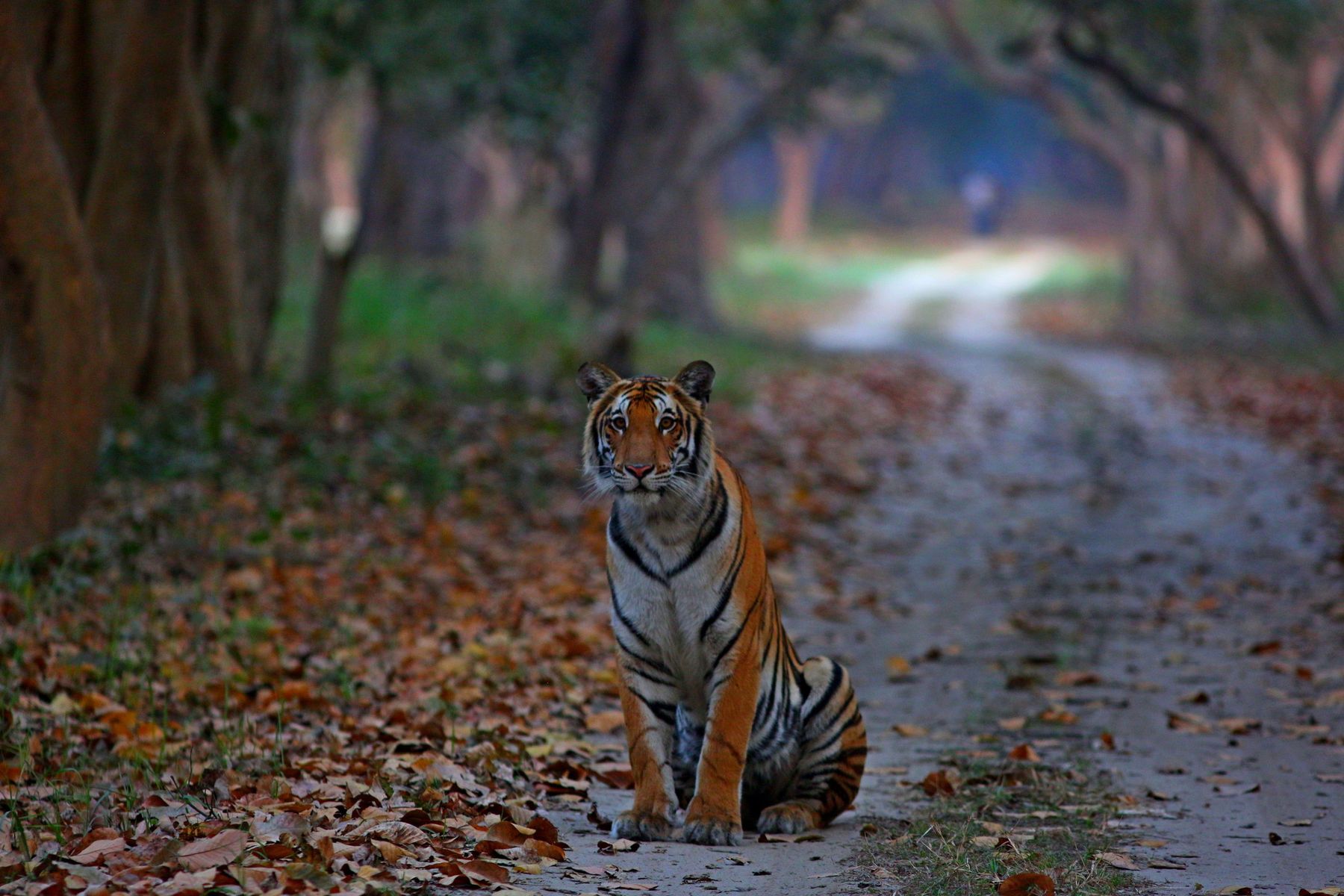
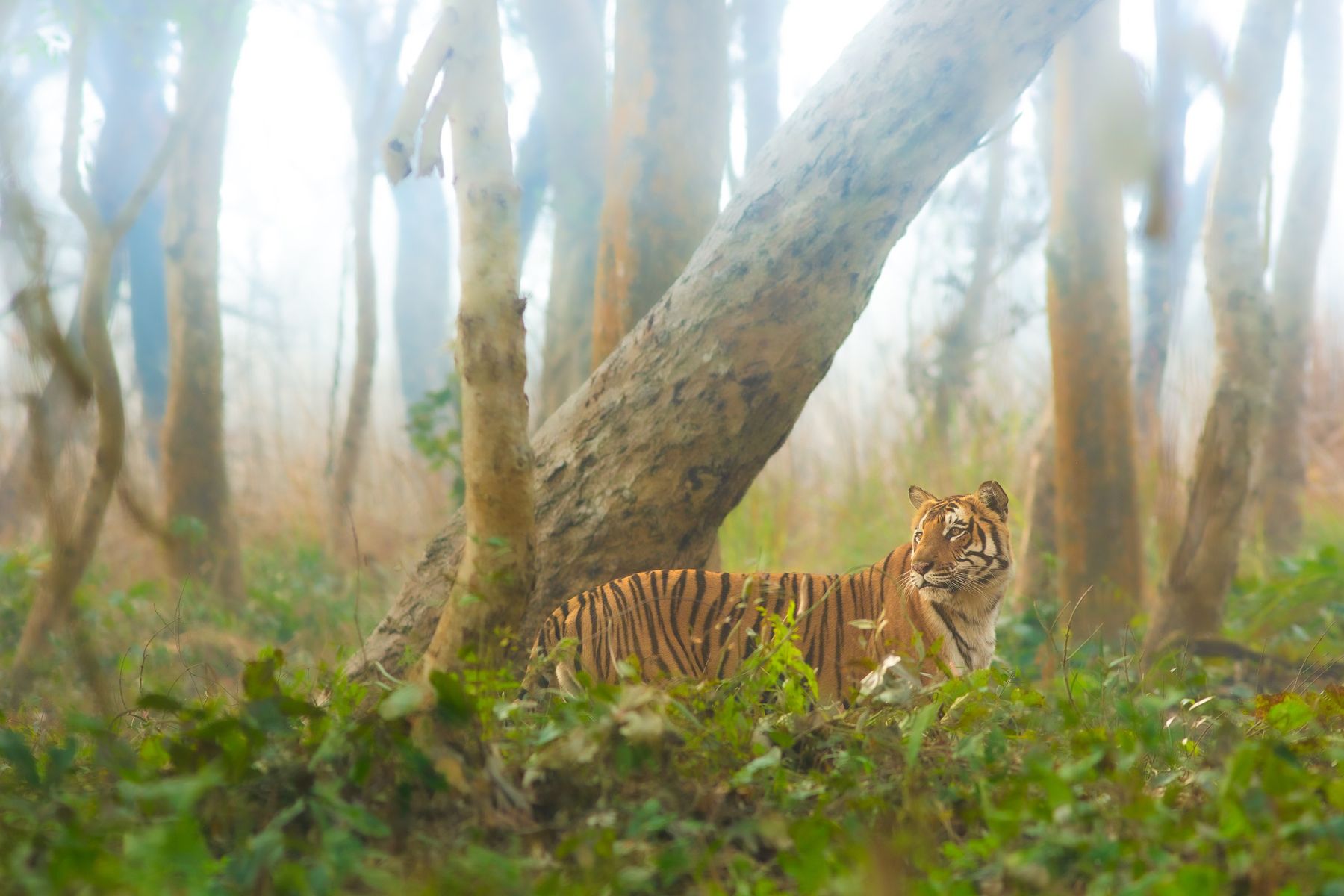
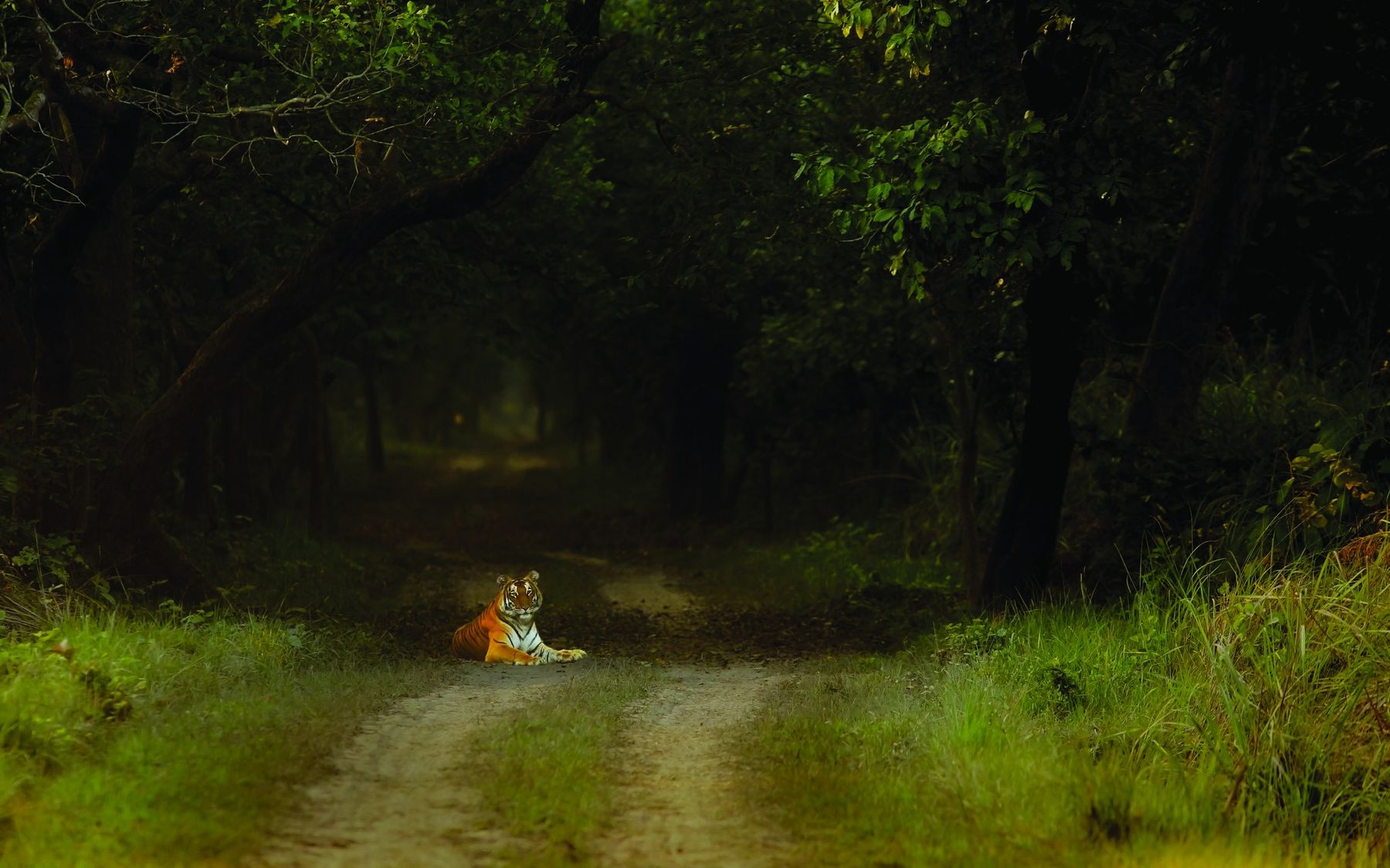
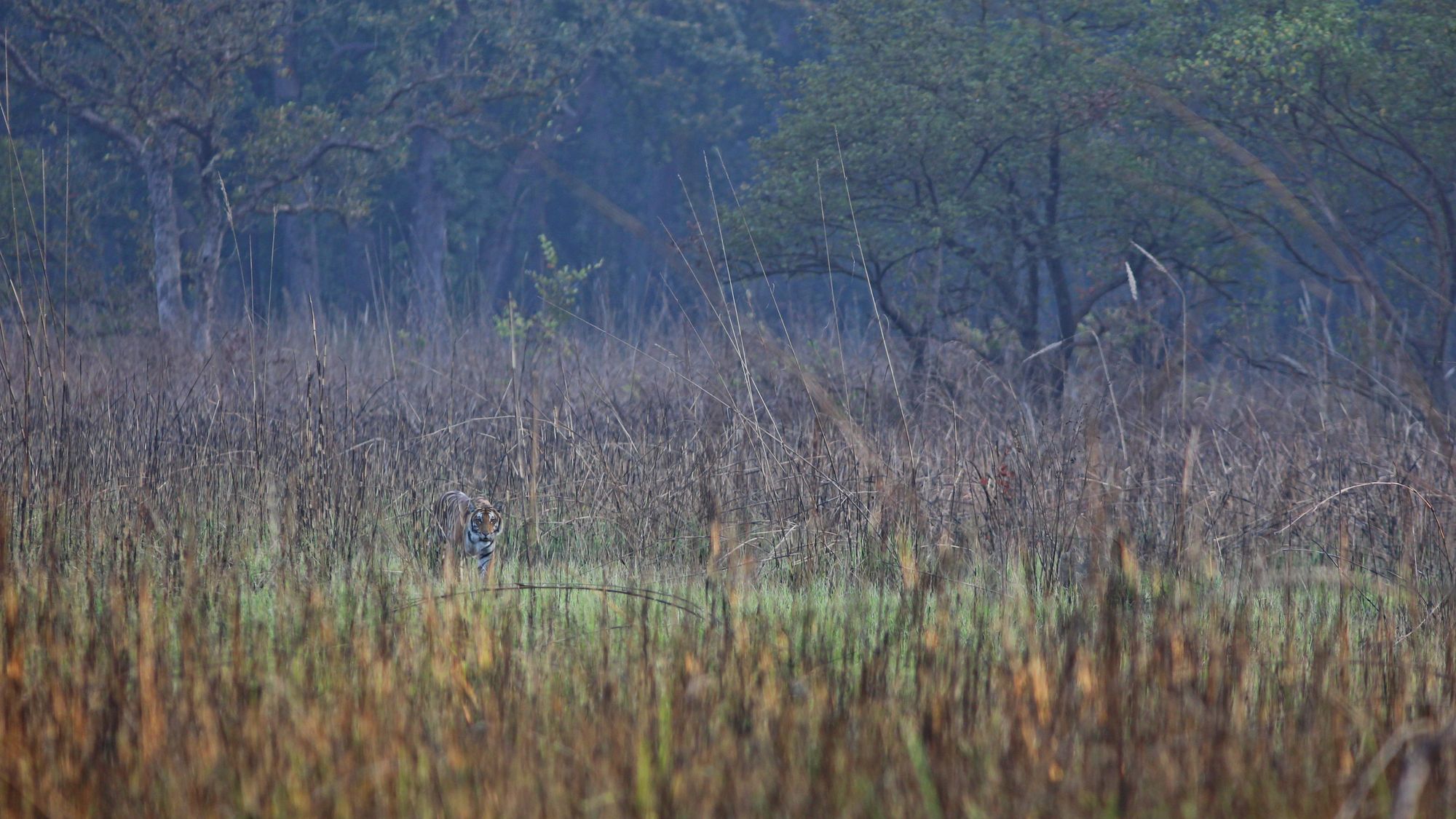
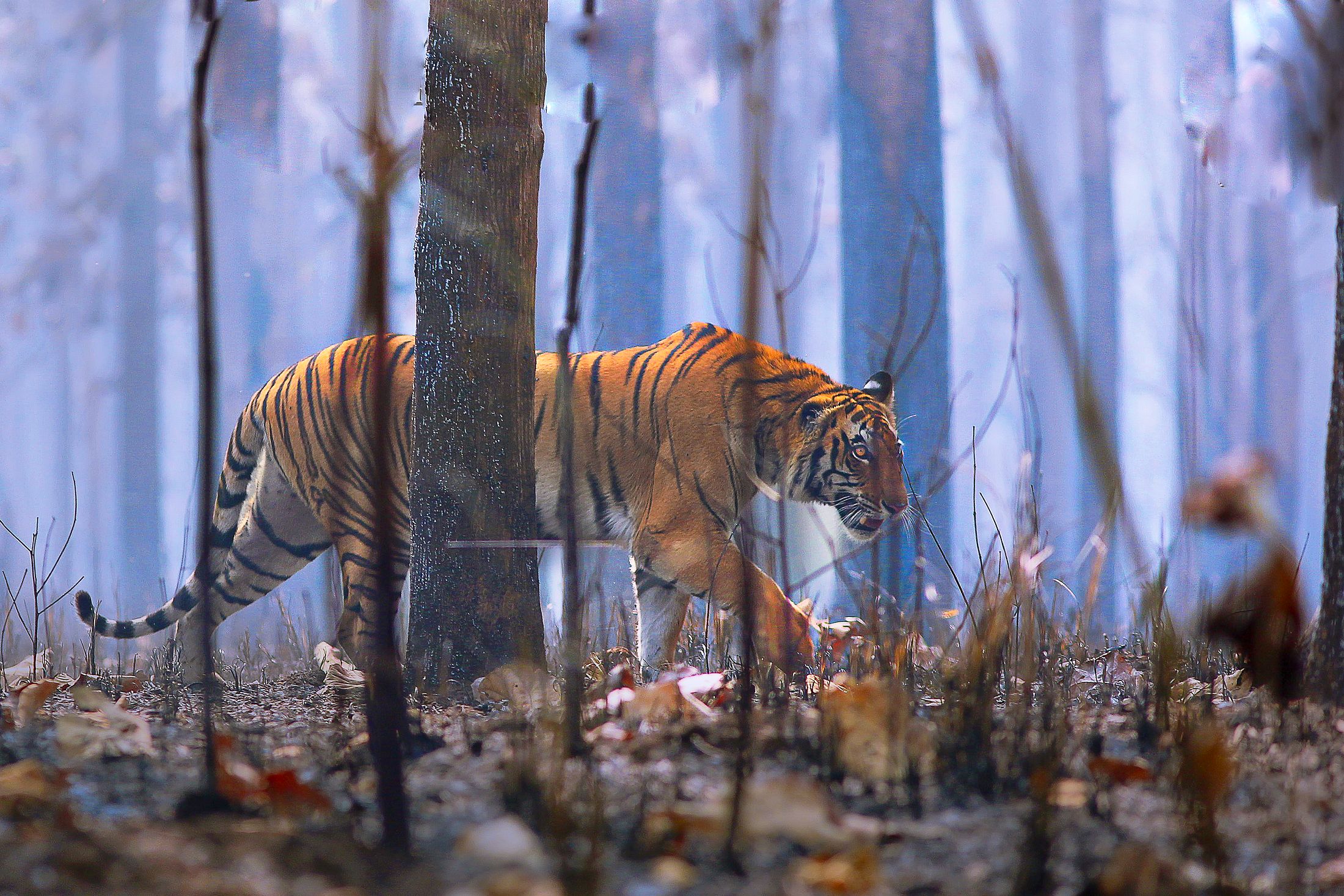
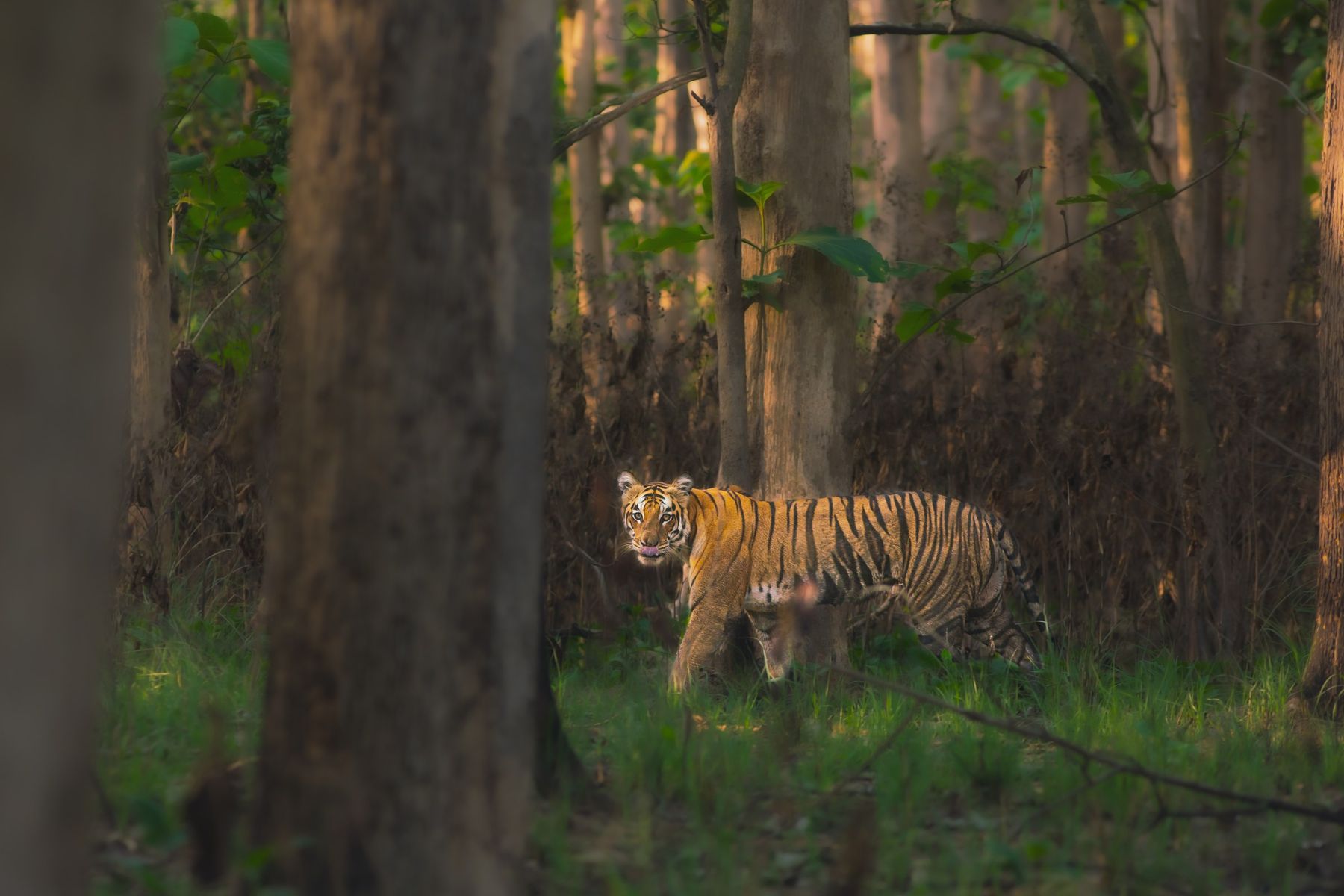
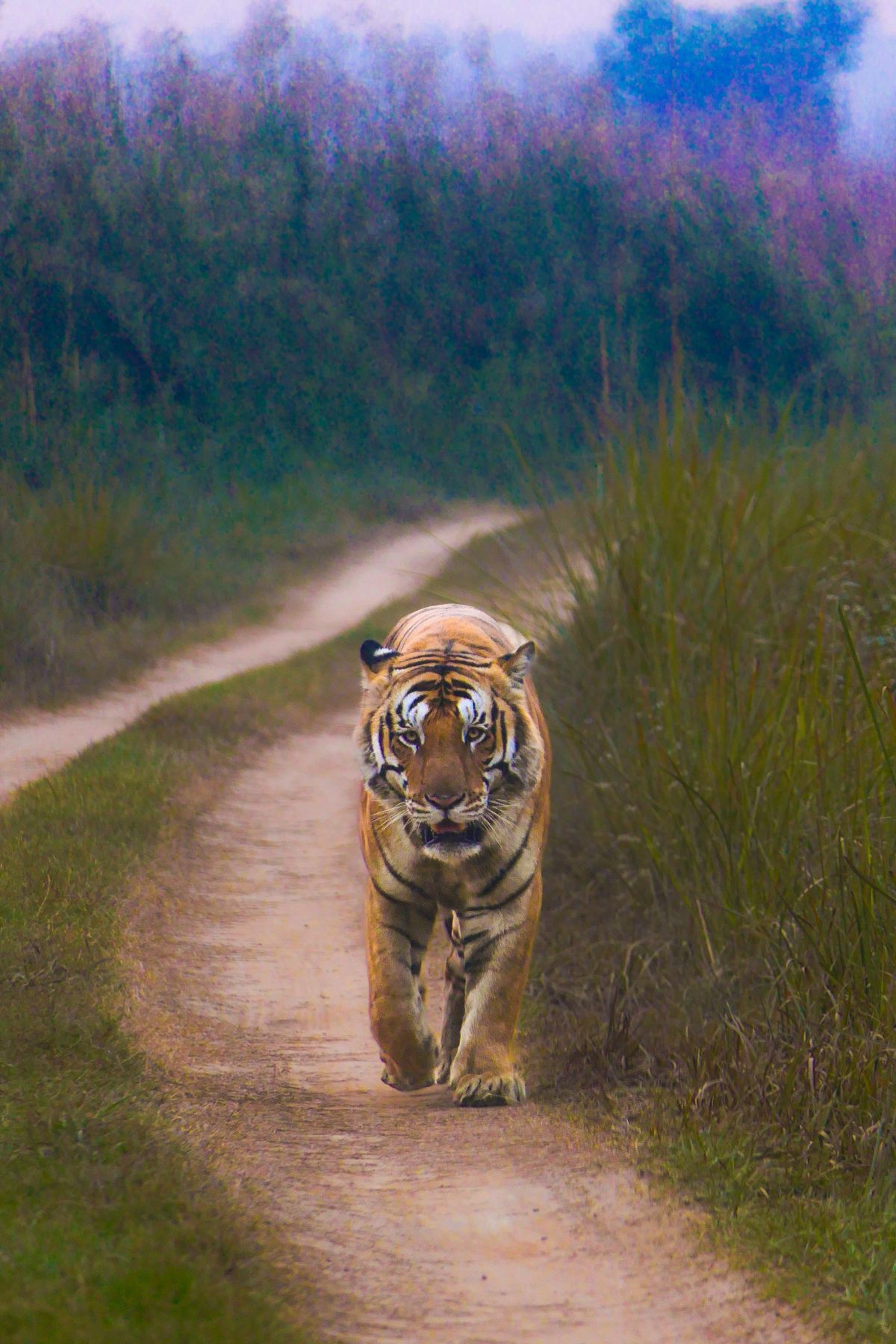
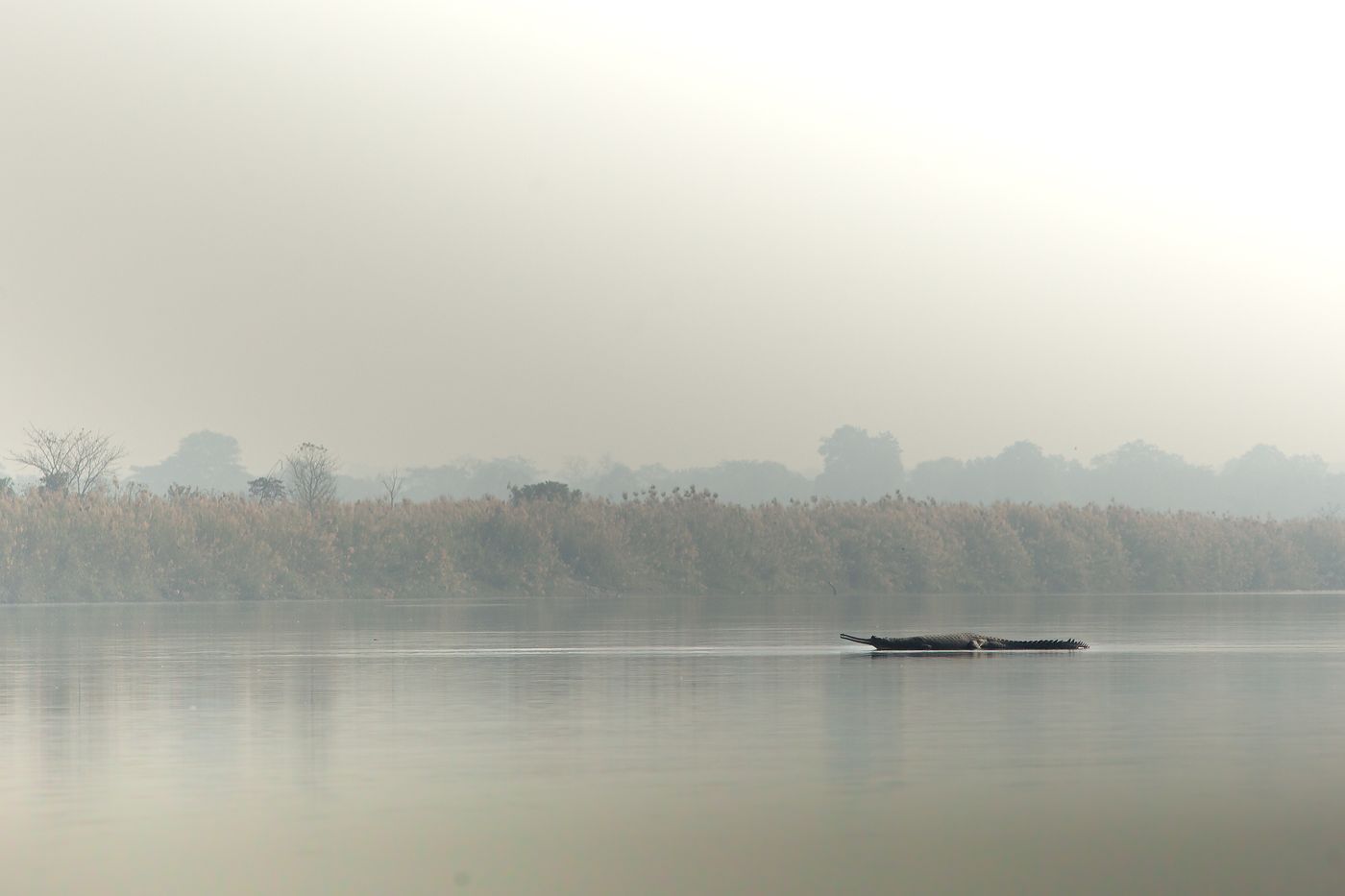
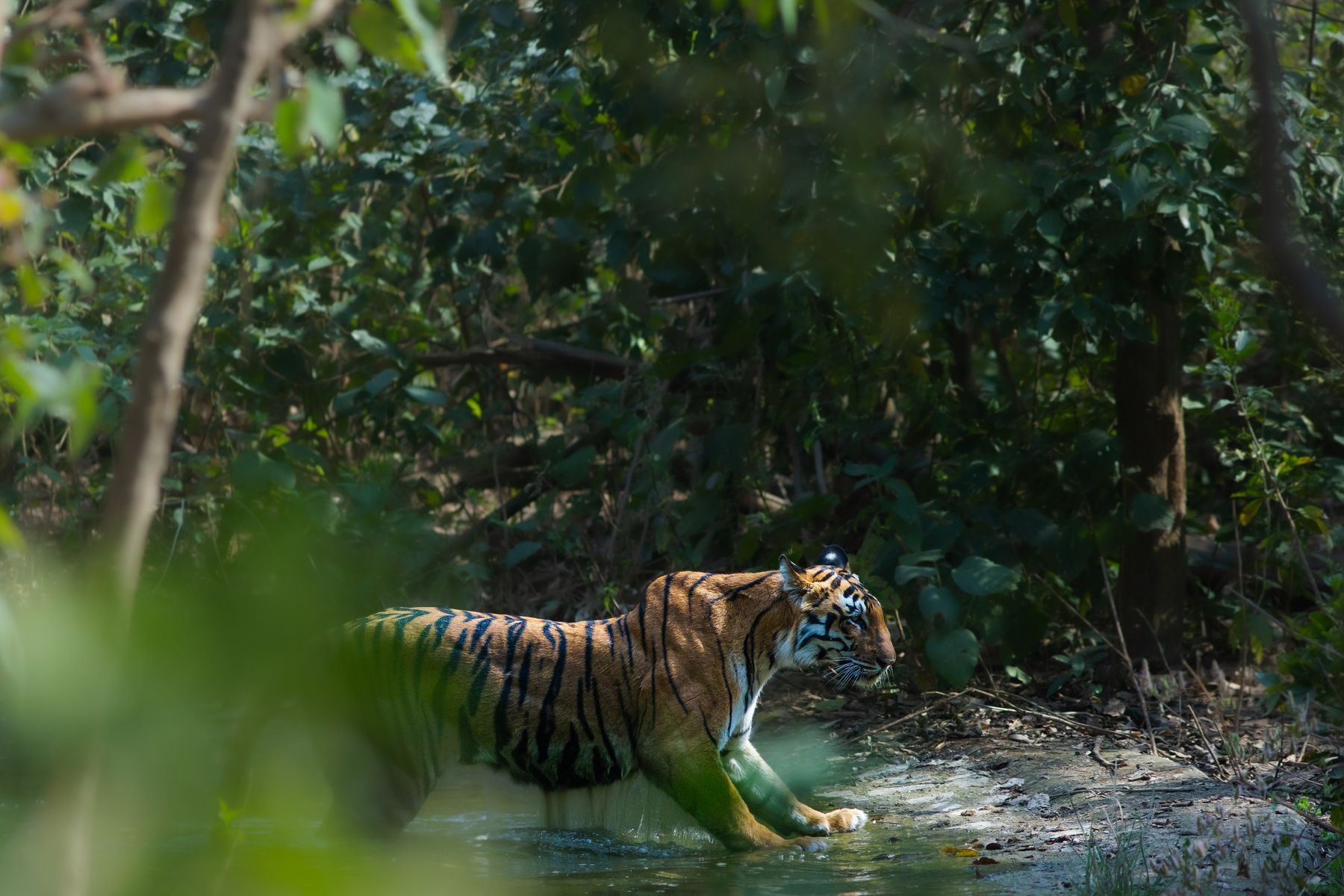
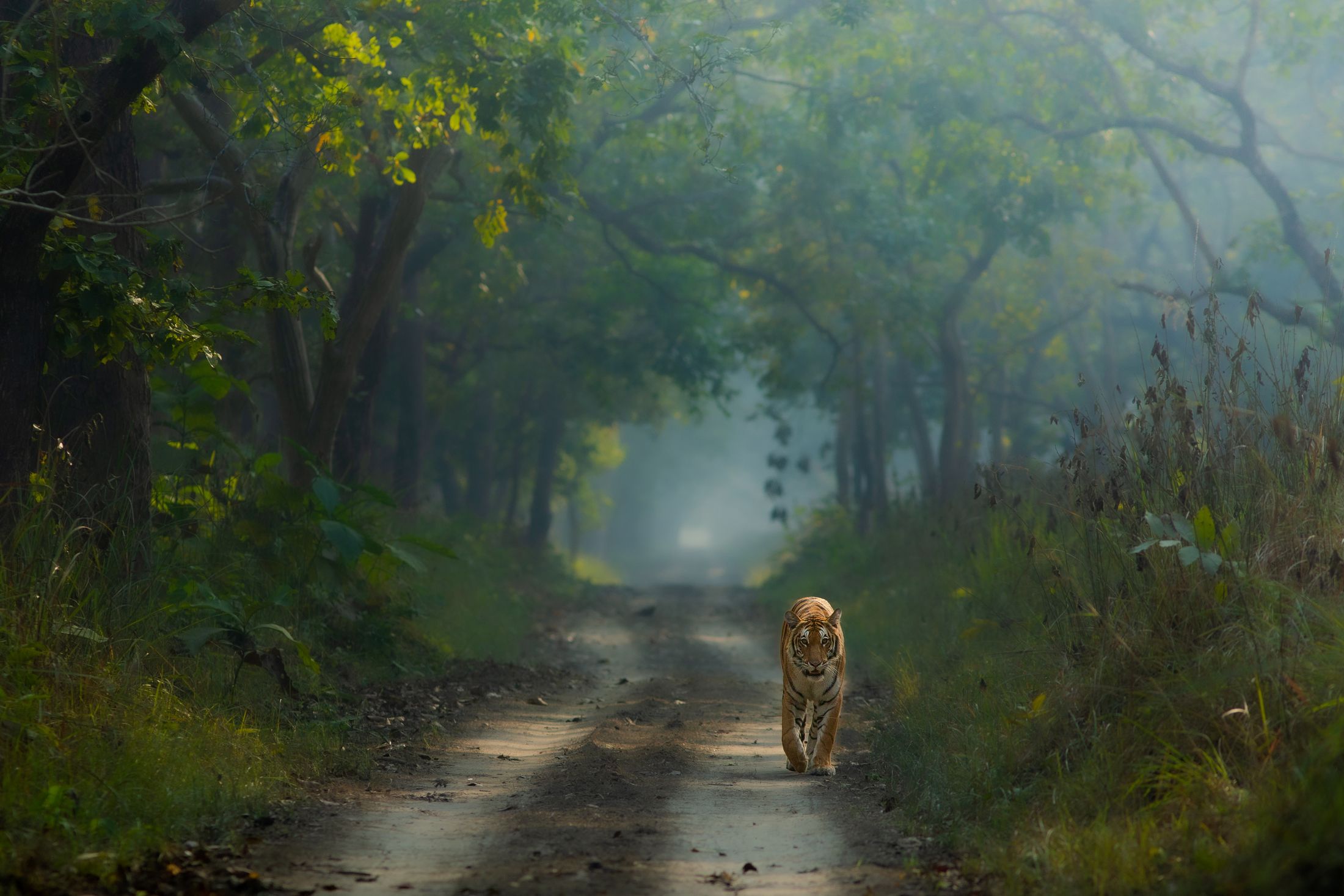
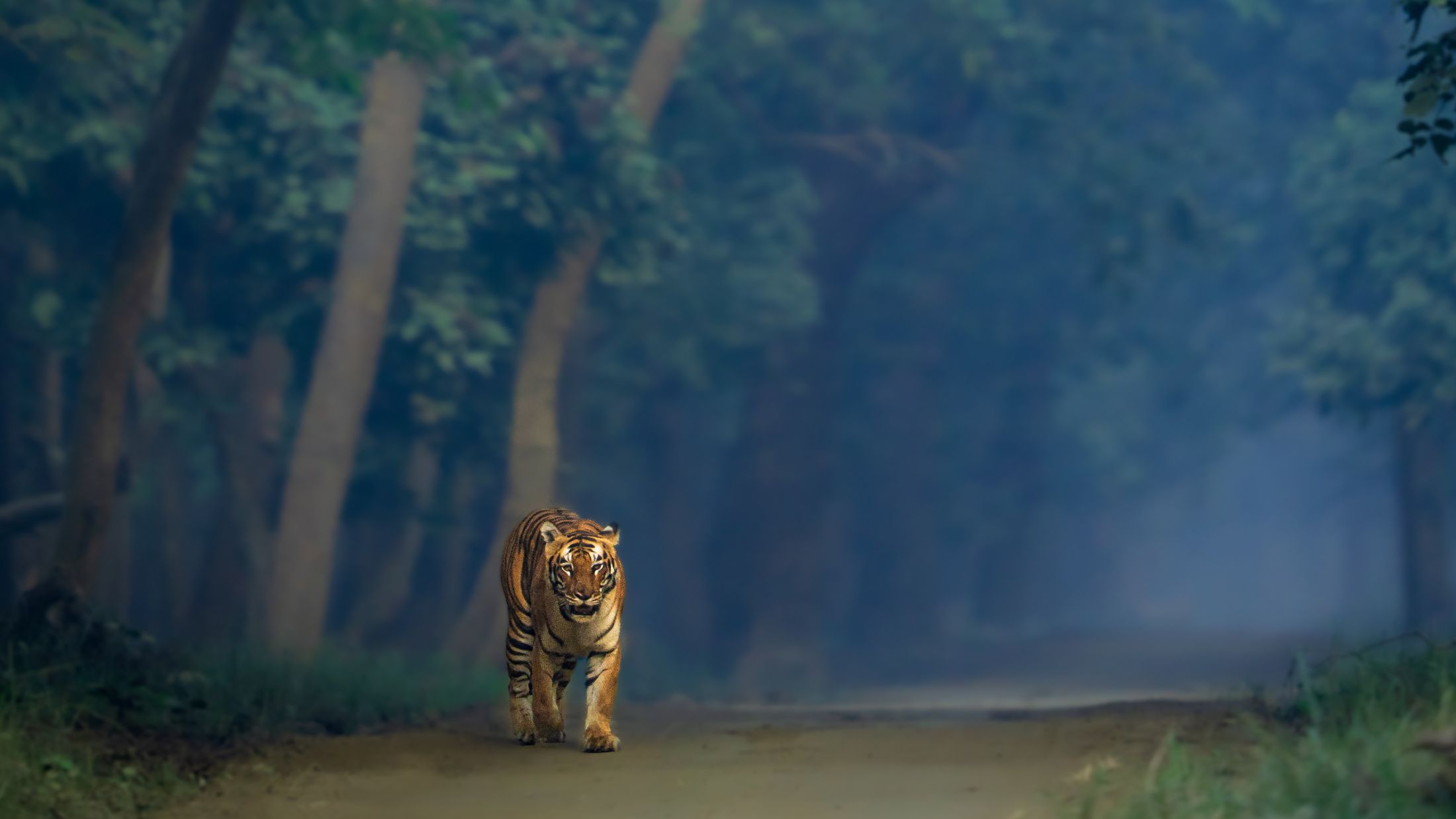
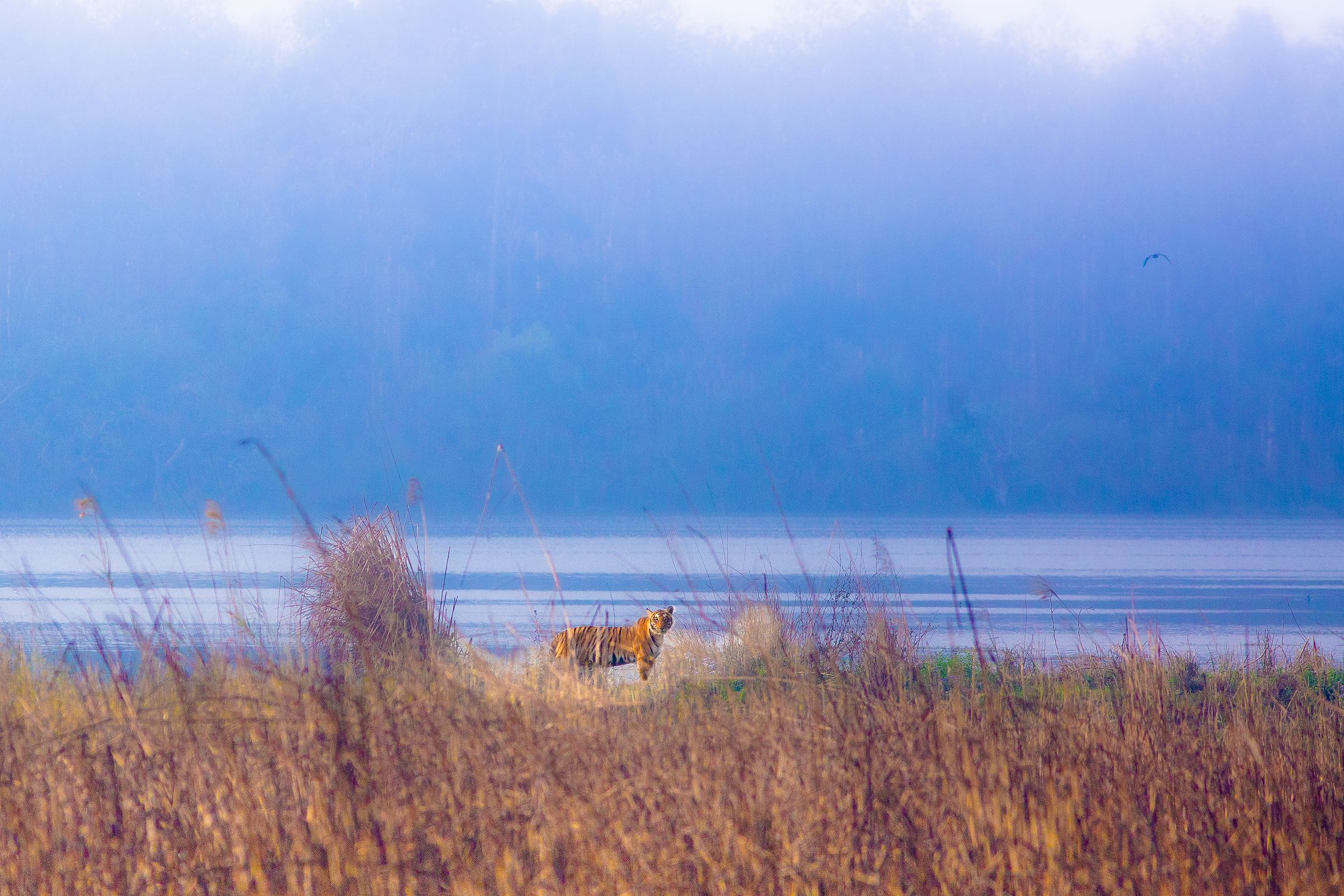
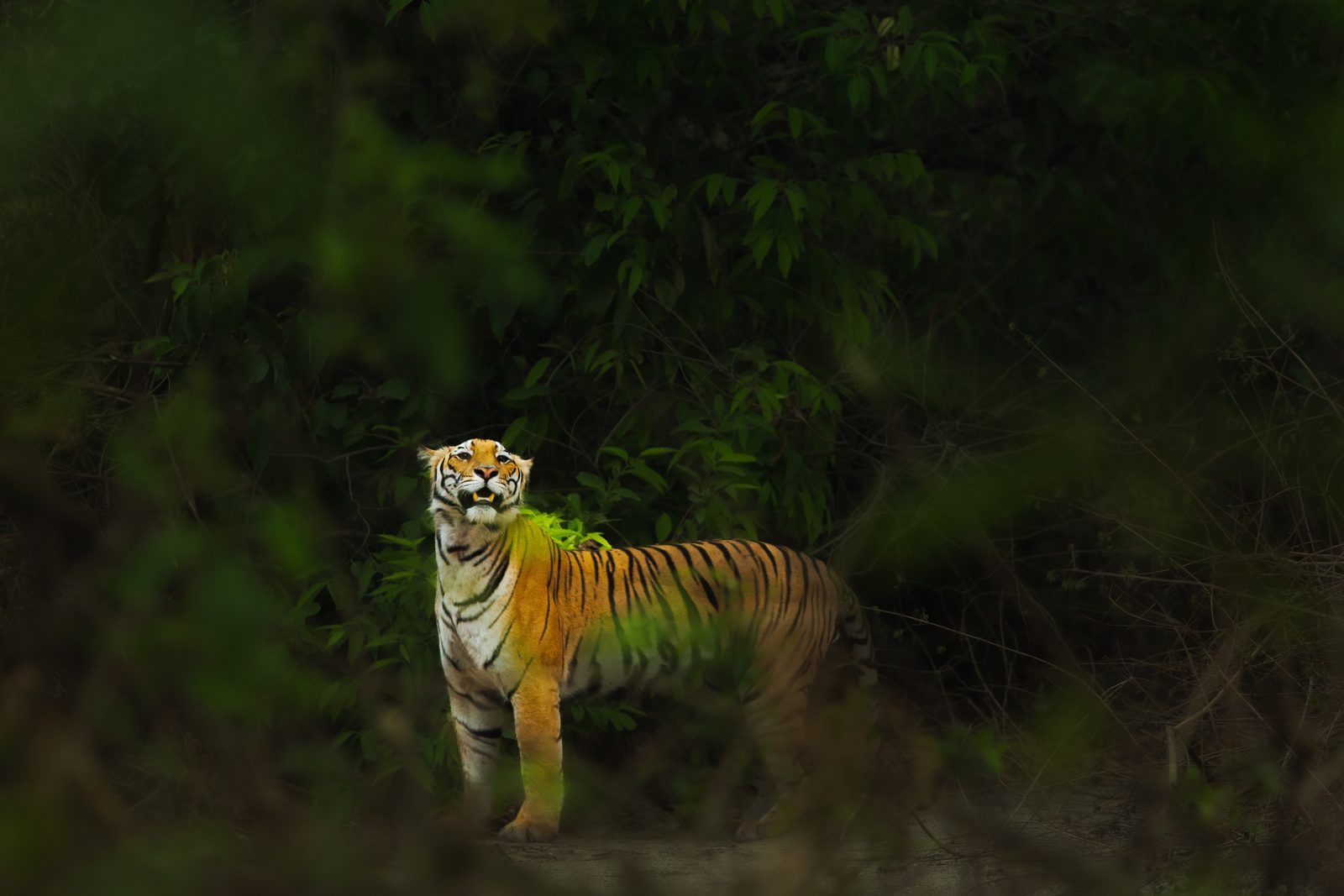
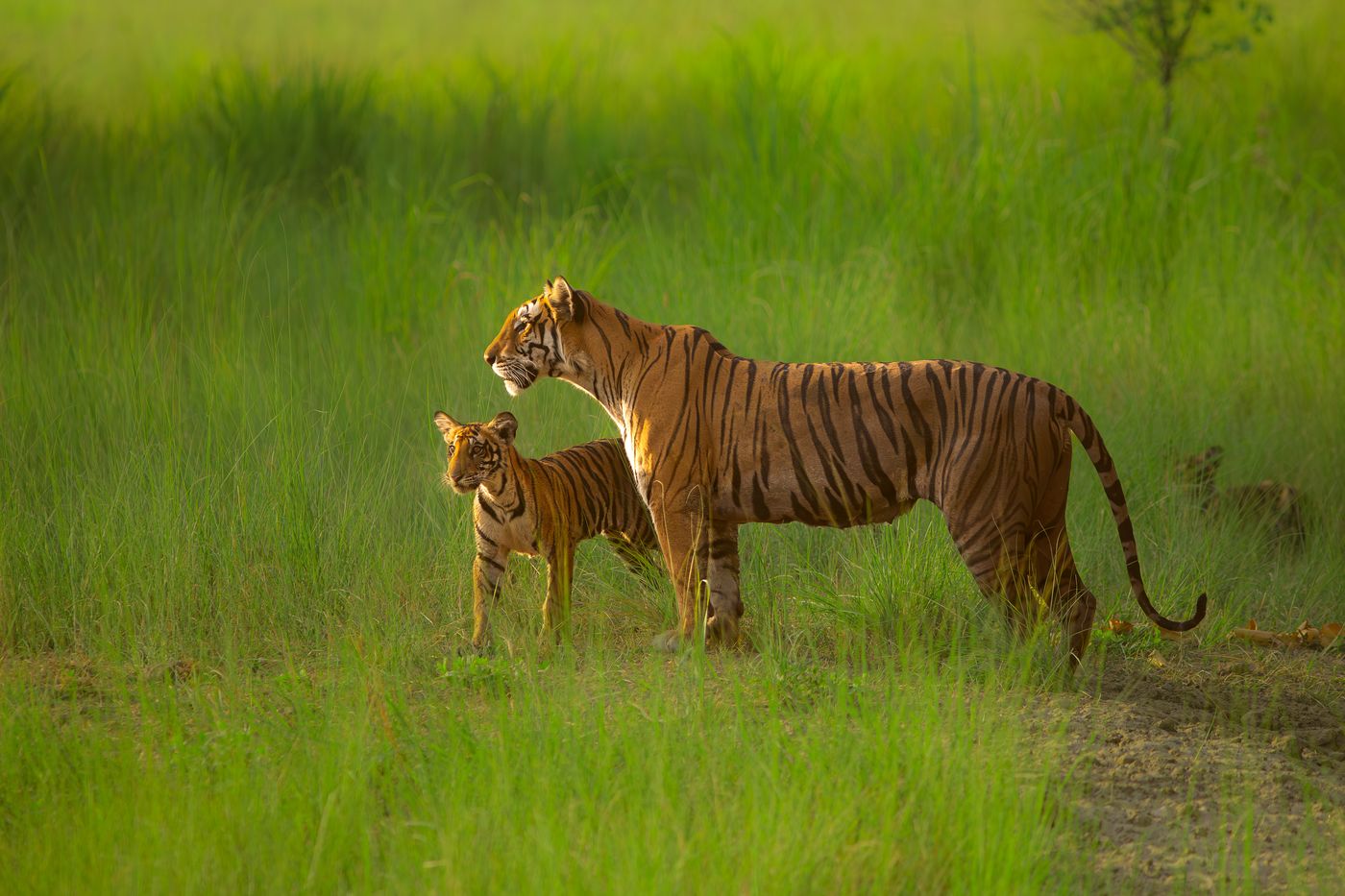
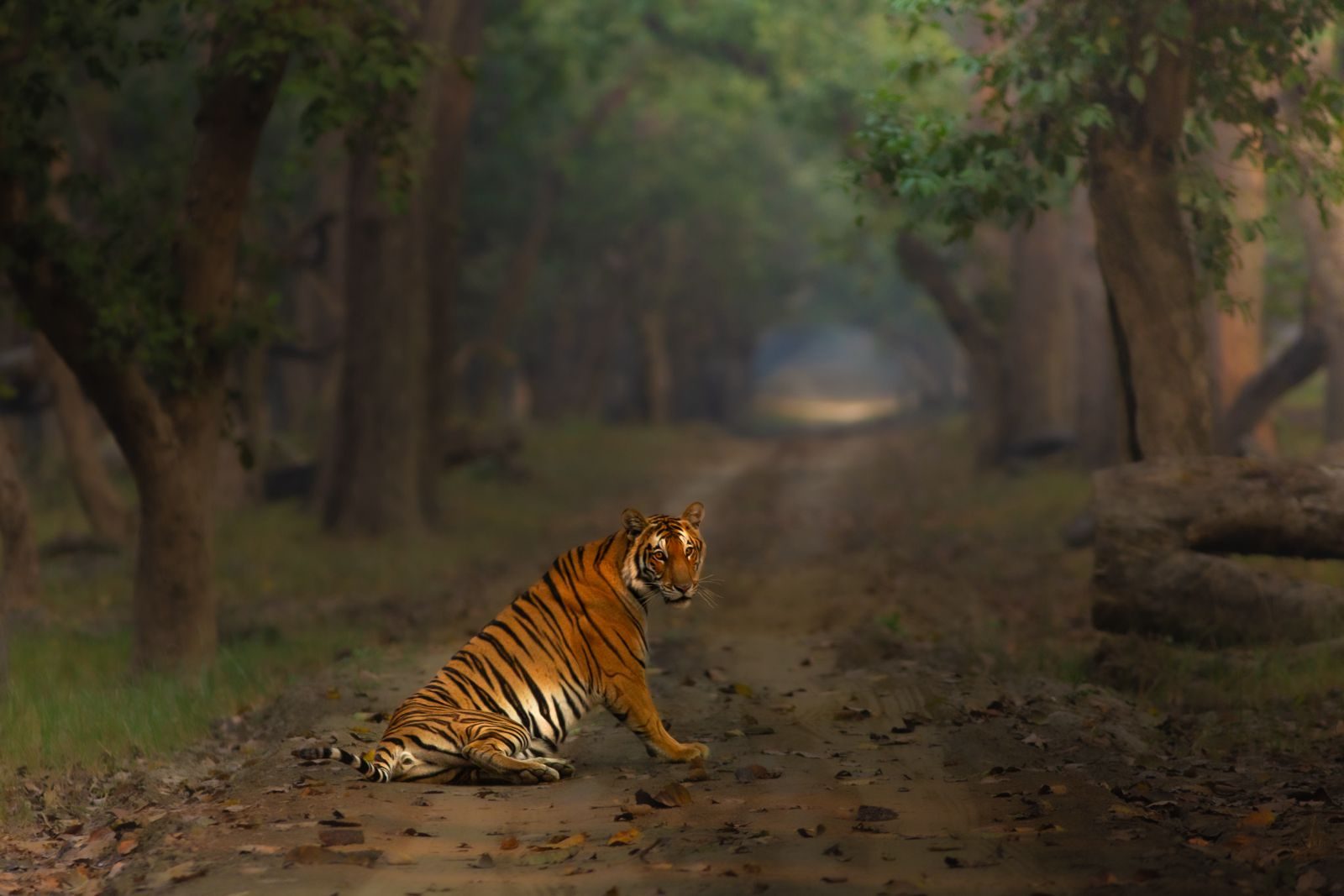
Close to a quarter of India's wild tiger population lives within the wider Terai Arc Landscape, and the reason has less to do with any single reserve's management and more to do with scale. A tiger's territory here is read the way a naturalist reads any forest — not by hoping to see the animal itself, but by learning to see what it leaves behind.
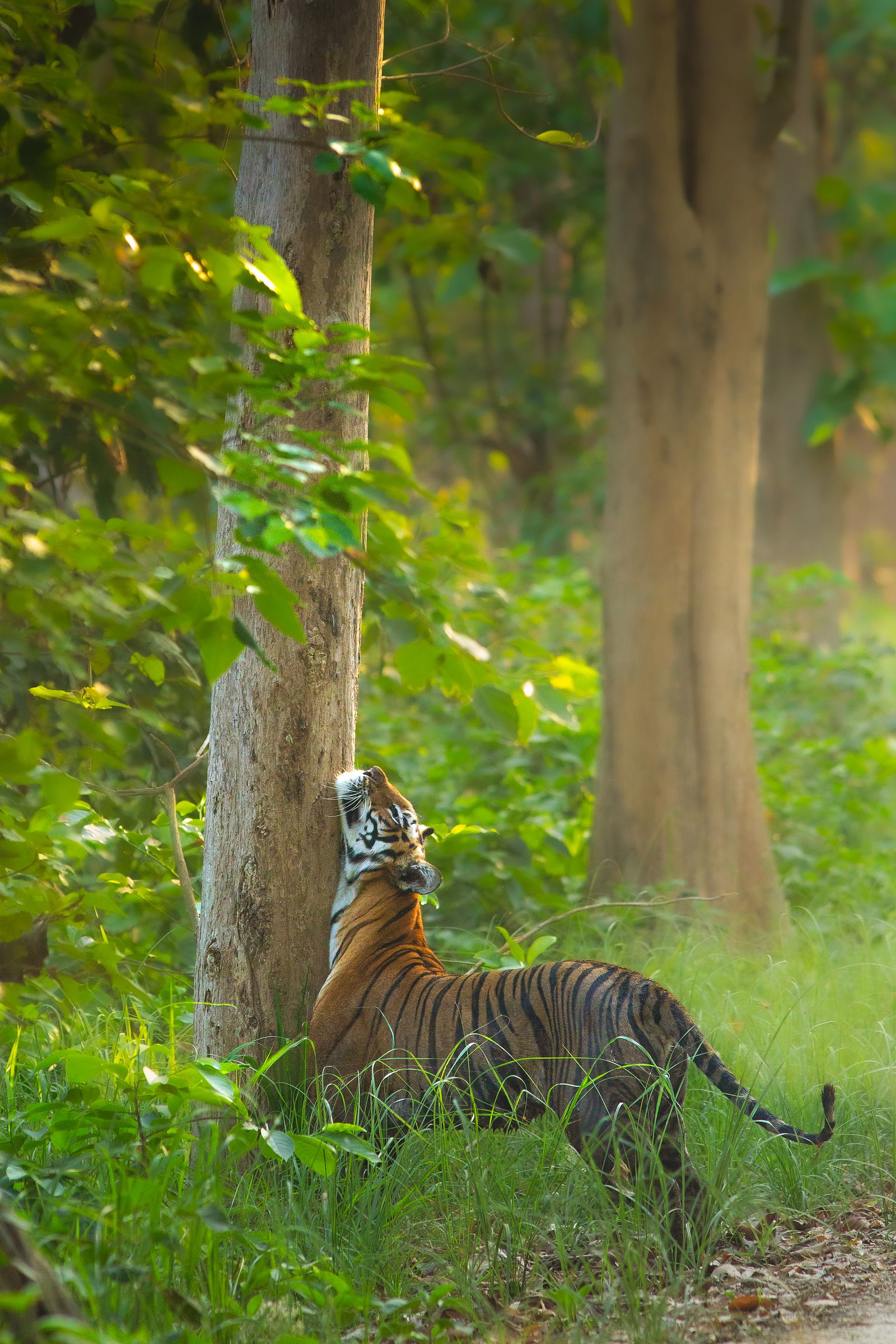
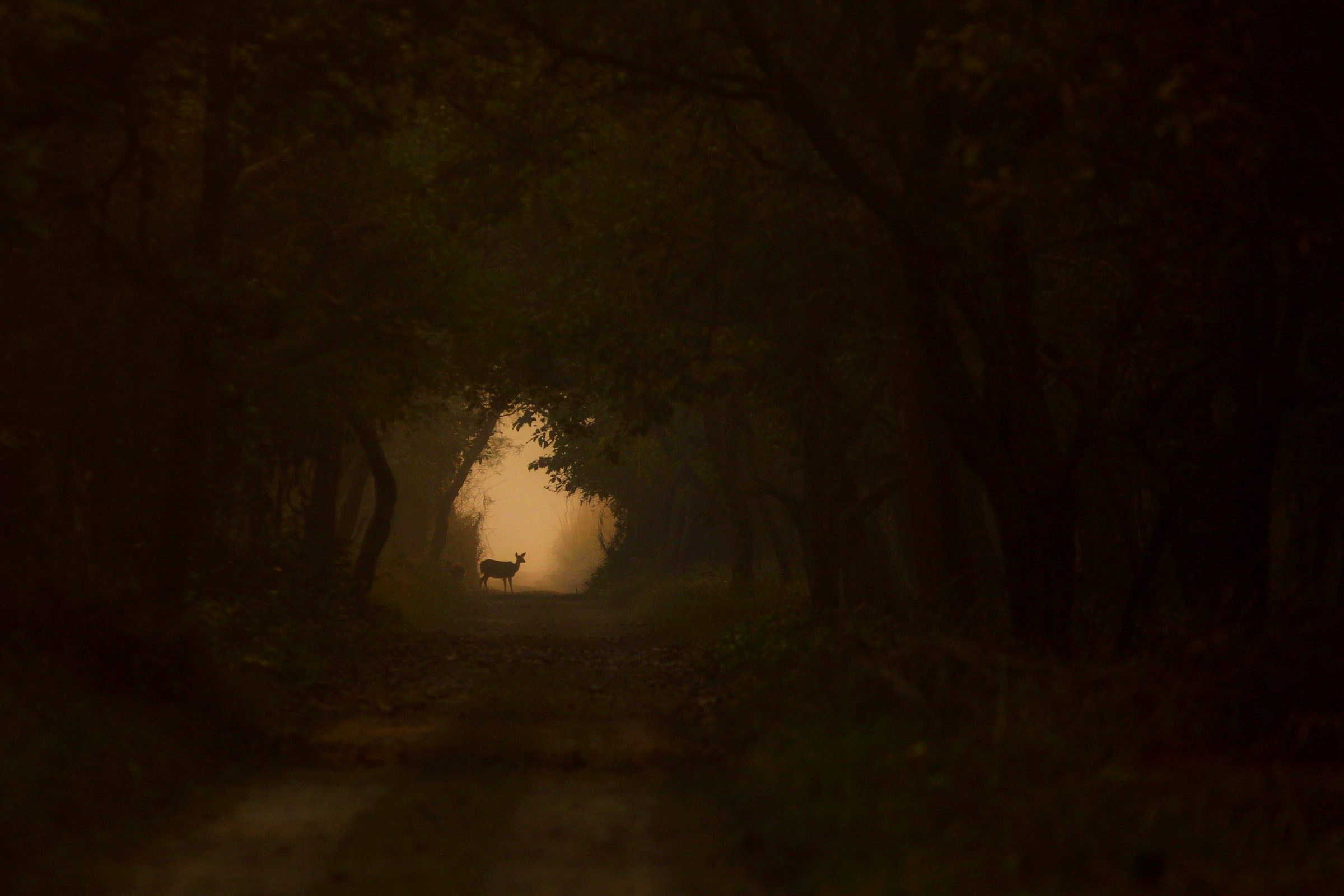
A pugmark pressed fresh into the mud of a forest track before sunrise tells you where an animal walked in the last few hours. A langur's sudden, repeated alarm call from the canopy, followed by silence from every other species in earshot, tells you a predator is moving somewhere close, well before it ever steps into view. A raked scrape on a tree trunk at shoulder height is a territorial signature left for the next tiger that passes this way, sometimes days later.
None of this requires a sighting to be meaningful, and a good naturalist in this landscape will teach you to read a forest this way rather than simply drive you toward a radio call.