Plan Your Journey
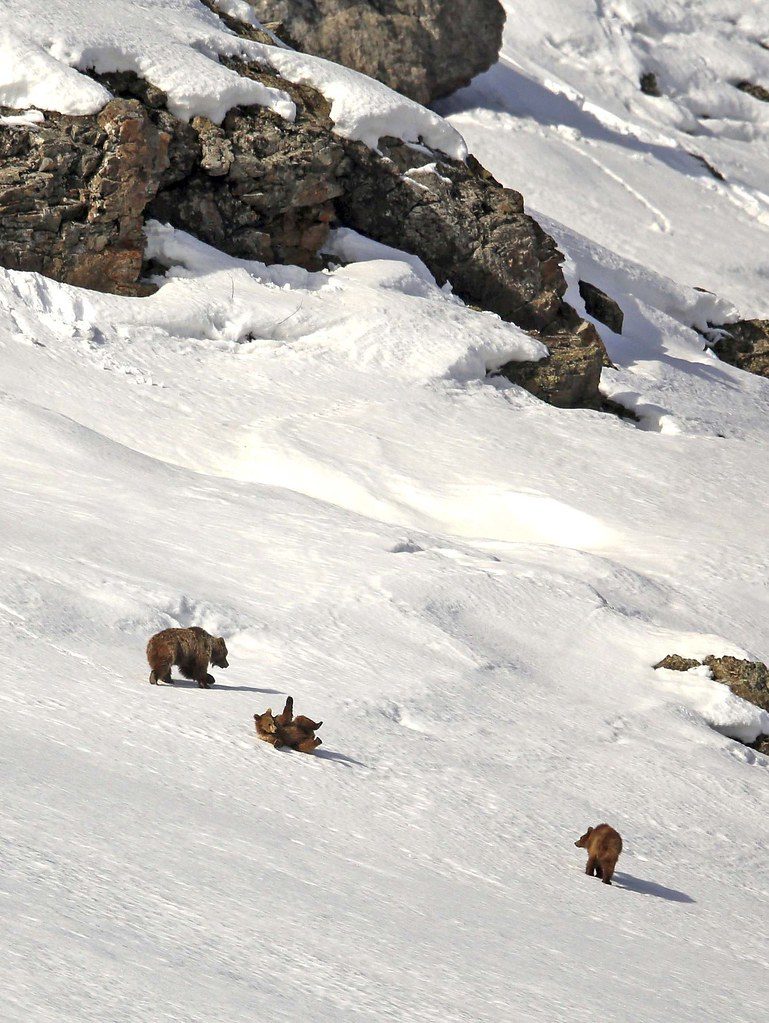
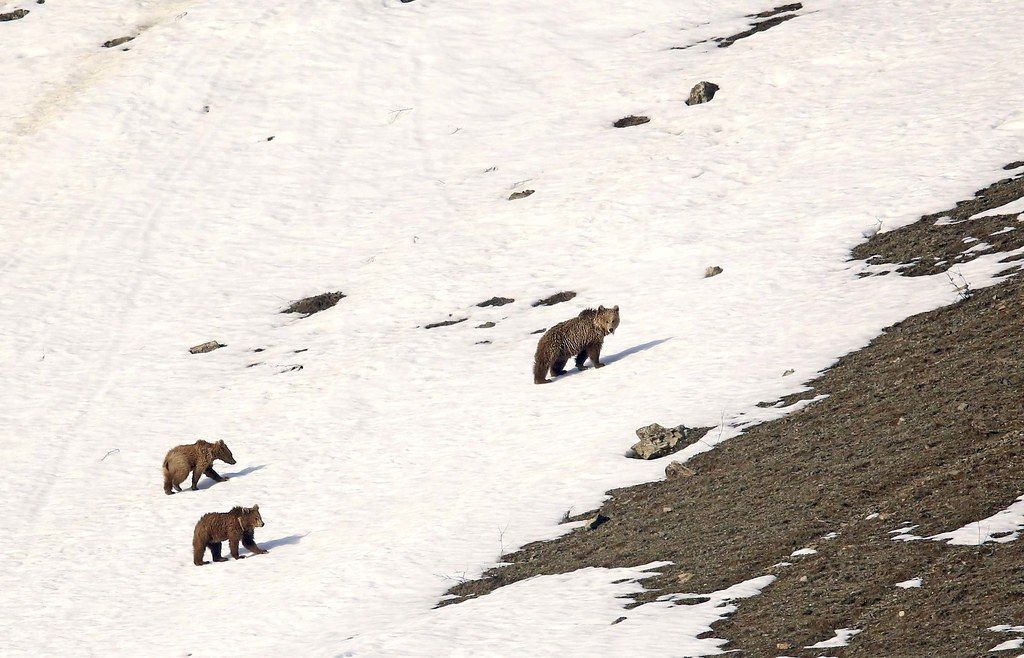
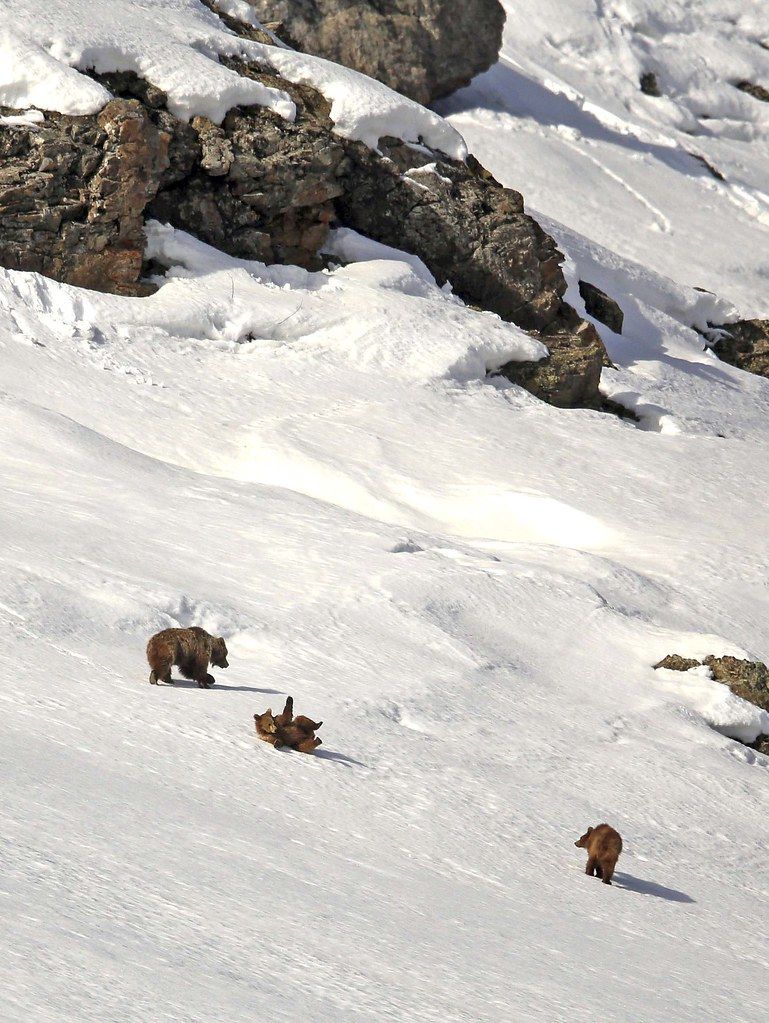
Himalayan brown bears crossing a snowfield below a rocky ridgePhoto: Surya Ramchandran

Home / Journeys / The Trans-Himalayan Wilds

Kashmir & Ladakh · India

The Trans-Himalayan Wilds

India's High-Altitude Cold Desert Landscape

Private journeys from Dachigam's forest over the high passes into Ladakh and the Changthang plateau: snow leopard, hangul, kiang and black-necked crane in a cold, high-altitude desert.

Begin Your Journey

Few landscapes in this collection demand as much physically from a traveller, and few reward that demand as generously.

Beyond Kashmir

A cold, wind-scoured desert

Beyond Kashmir's forested valleys, the land climbs into something the rest of India offers no real equivalent for: a cold, wind-scoured desert running through Ladakh at altitudes where trees stop growing and the air itself thins to a fraction of what it holds at sea level. This is the Trans-Himalaya — the high-altitude zone lying in the rain shadow beyond the main Himalayan range, where snowfall is scarce despite the extreme cold, and where wildlife has adapted to conditions few ecosystems on Earth ask of their resident species.

The journey typically begins lower, in the forested valley around Srinagar, before climbing over the high passes into Ladakh's open, honey-coloured mountains and eventually onto the Changthang plateau itself, bordering Tibet.

The landscape

Beyond the passes, a different land

Dachigam, on the outskirts of Srinagar, sits at the lower, forested edge of this landscape — a valley of walnut, wild cherry and oak rising from around 1,600 metres to over 4,000 metres, still holding enough moisture and vegetation to support the kind of forest ecosystem found nowhere higher up.

Cross the passes beyond Kashmir and the terrain changes entirely. Ladakh sits largely in the rain shadow of the main Himalayan range, receiving a fraction of the precipitation that falls on its southern slopes, and the result is a genuine high-altitude cold desert: bare rock and scree slopes, sparse steppe grassland clinging to valley floors, and rivers fed almost entirely by snowmelt rather than rainfall.

Hemis and the Changthang

Higher, colder and emptier

Hemis National Park, occupying a large stretch of this terrain south of the Indus, is the largest protected area anywhere in the Indian Himalaya and the only Indian national park lying entirely north of the main Himalayan range.

Further east and higher still, the Changthang plateau extends the same cold desert ecosystem toward the Tibetan border, a landscape of open steppe, salt lakes and altitudes rarely dropping below 4,300 metres.

Encounters

The wildlife of the Trans-Himalayan Wilds

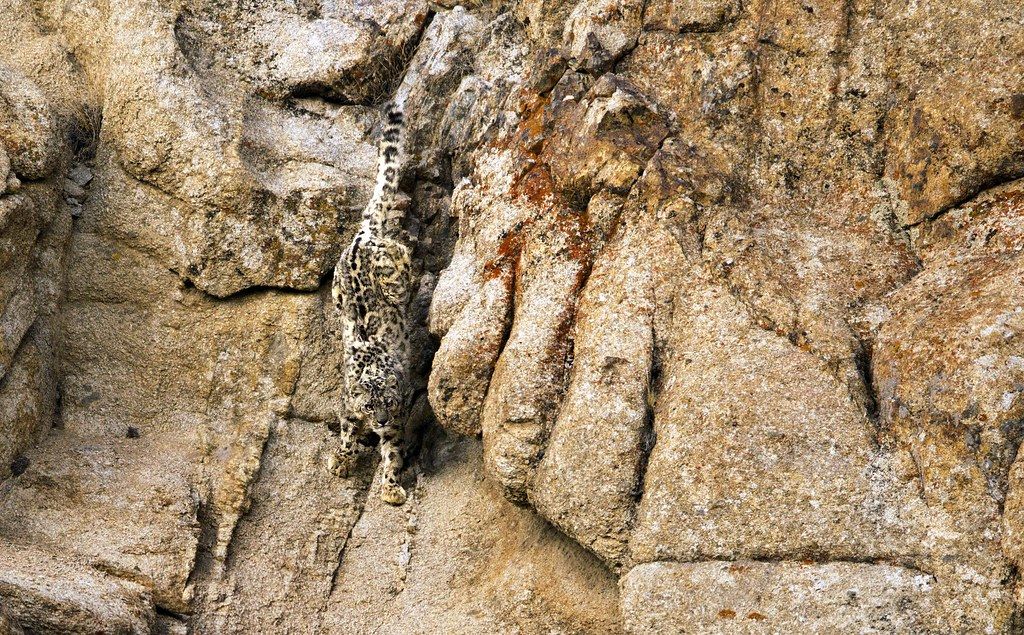
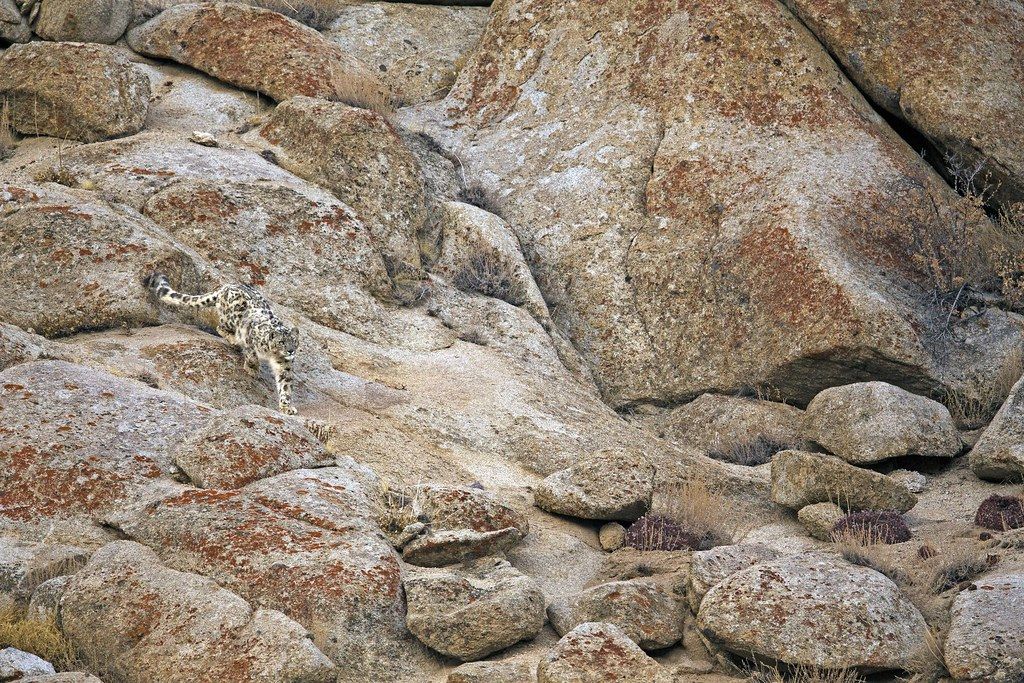
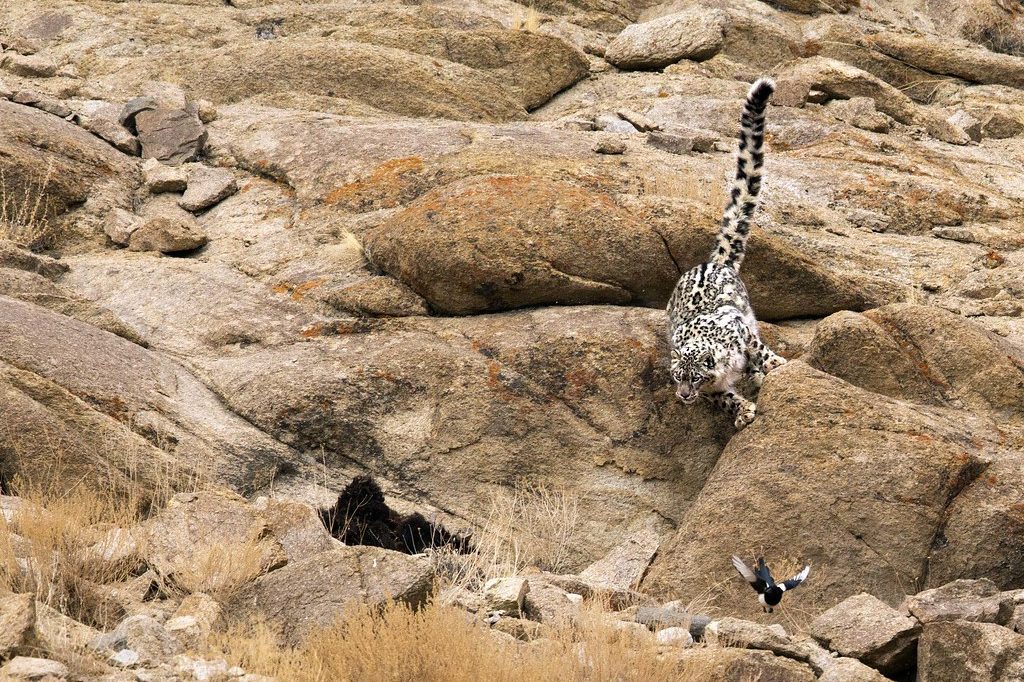
A snow leopard moving down a slope of broken rock, its long tail raisedPhoto: Surya Ramchandran
Snow leopard · Hemis

The highest density on Earth

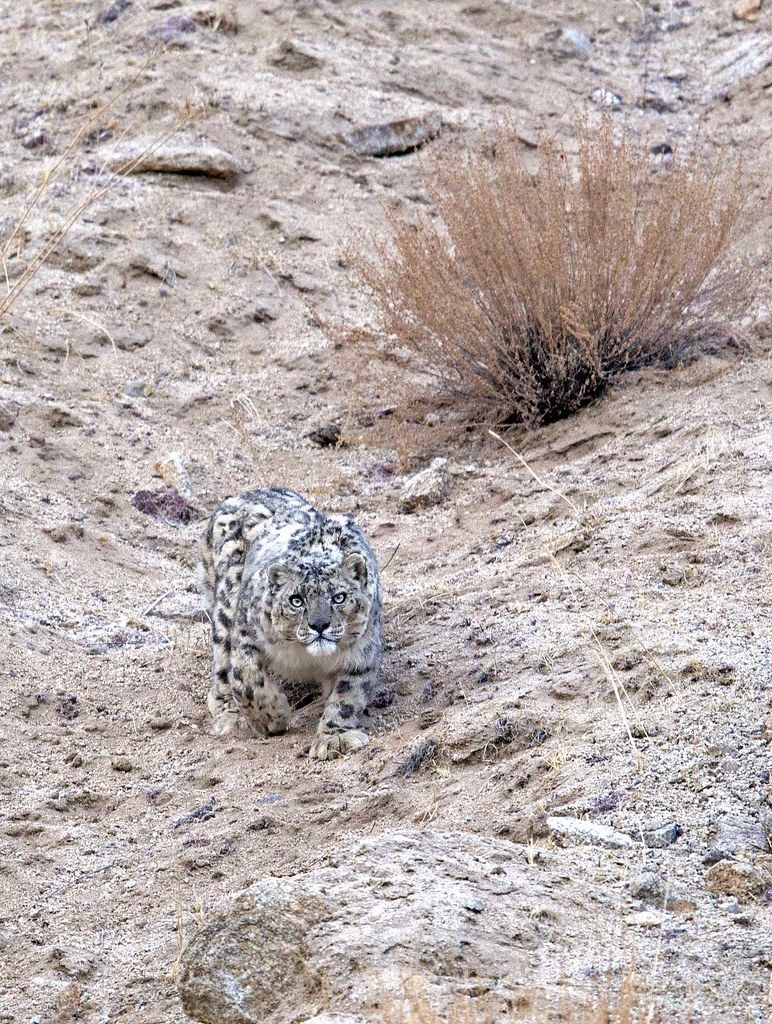
Ladakh's high desert tells an entirely different story, and a genuinely remarkable one: recent, intensive surveys have confirmed it as the highest-density snow leopard landscape anywhere on Earth, with Hemis alone recording just over two individuals per hundred square kilometres, a figure exceeding any previously documented population in Central Asia, including Tibet.

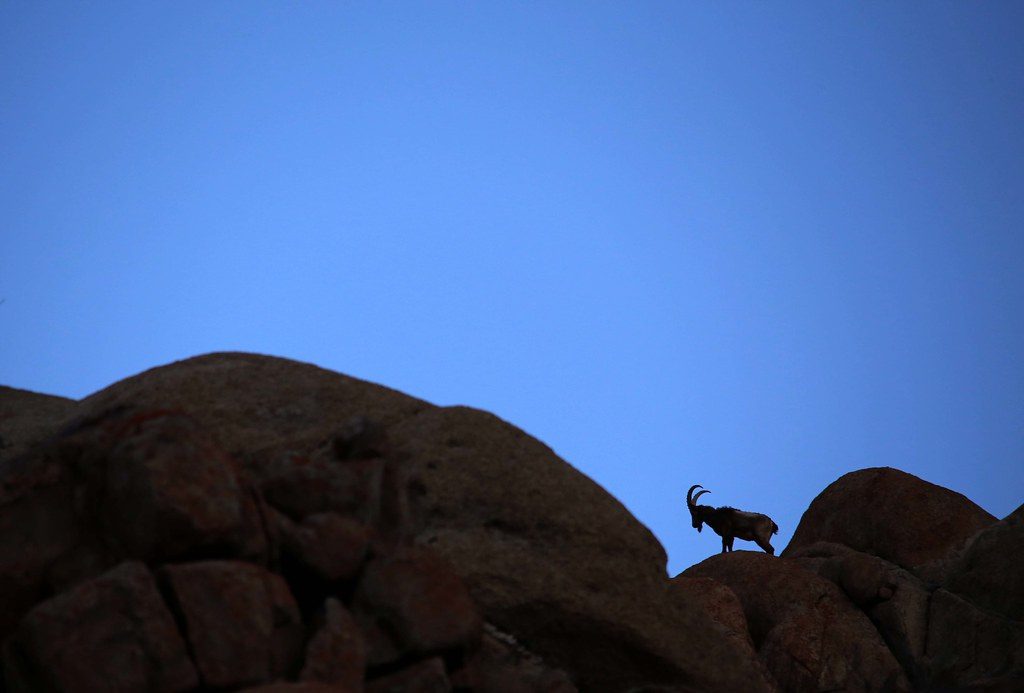
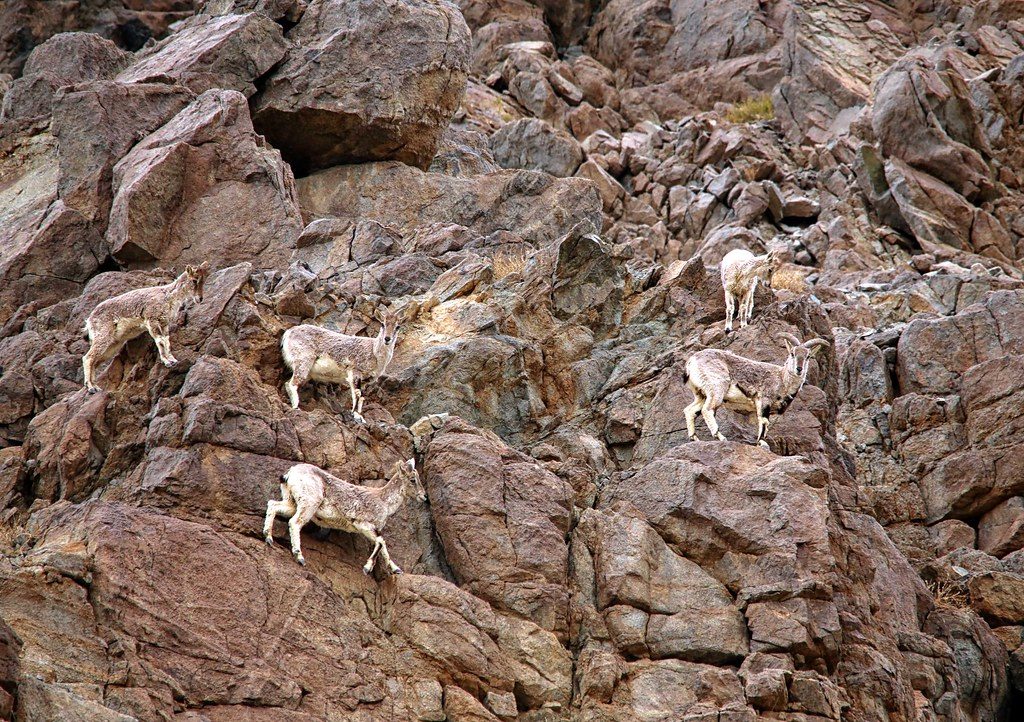
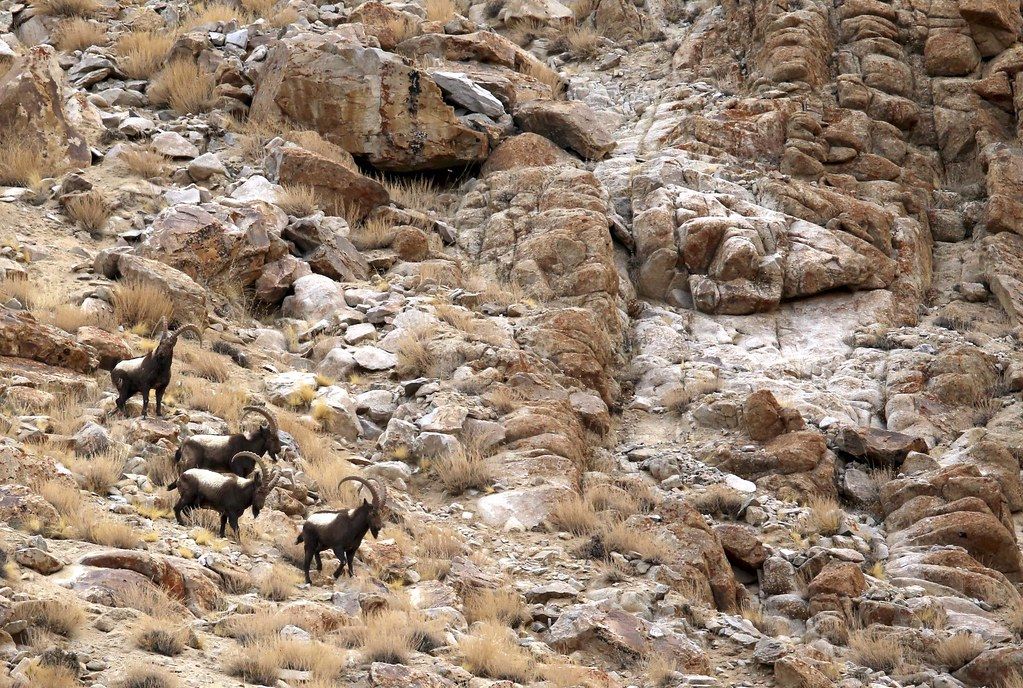
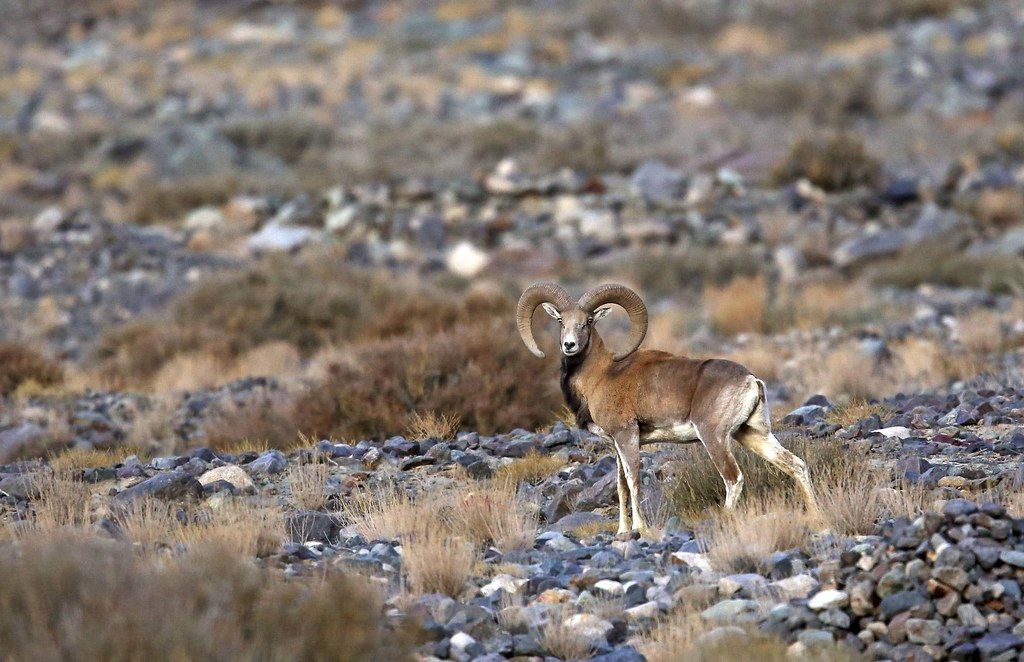
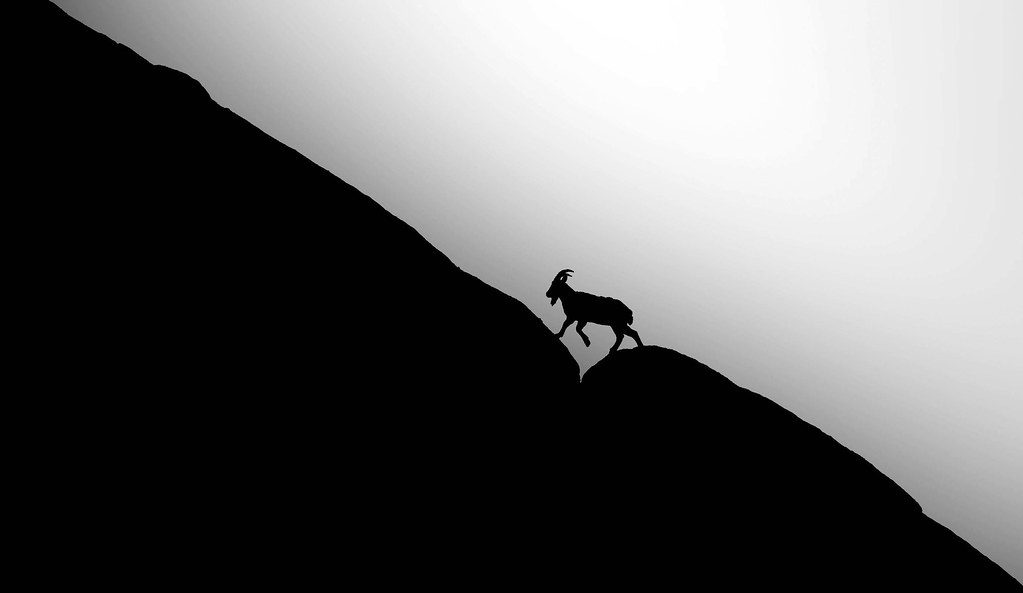
Close to seventy percent of India's entire snow leopard population — around 477 of an estimated national total of 709 — lives within Ladakh, sustained by healthy numbers of blue sheep, Asiatic ibex and Ladakhi urial across the region's steep, broken terrain.
Hangul · Dachigam

Nowhere else to retreat to

Dachigam holds the entire global population, functionally speaking, of the hangul, or Kashmir stag — a subspecies of red deer found nowhere else on Earth, and one of India's most acutely endangered large mammals. Numbers fell from an estimated 3,000 to 5,000 individuals in the 1940s to under 200 by the early 2000s, driven by habitat loss, grazing pressure and decades of regional instability that disrupted conservation efforts.

Recent monitoring has shown a genuine, sustained recovery, with the population now estimated at around 300 — still desperately narrow for a species with nowhere else to retreat to, but a real and closely watched improvement after decades of decline.

Kiang · black-necked crane

Steppe and marsh on the Changthang

The Changthang plateau adds a different register of wildlife entirely, built around its open steppe and seasonal wetlands. The kiang, or Tibetan wild ass, moves across the plateau in loose herds, one of the highest-altitude ungulates on the planet, while the black-necked crane — the only crane species adapted to life at high altitude, and revered in Ladakhi Buddhist tradition — breeds in the region's shallow marshes each summer, one of a small number of confirmed breeding sites for the species anywhere in India.

Tibetan wolf · Eurasian lynx · Pallas's cat

Considerably harder to find

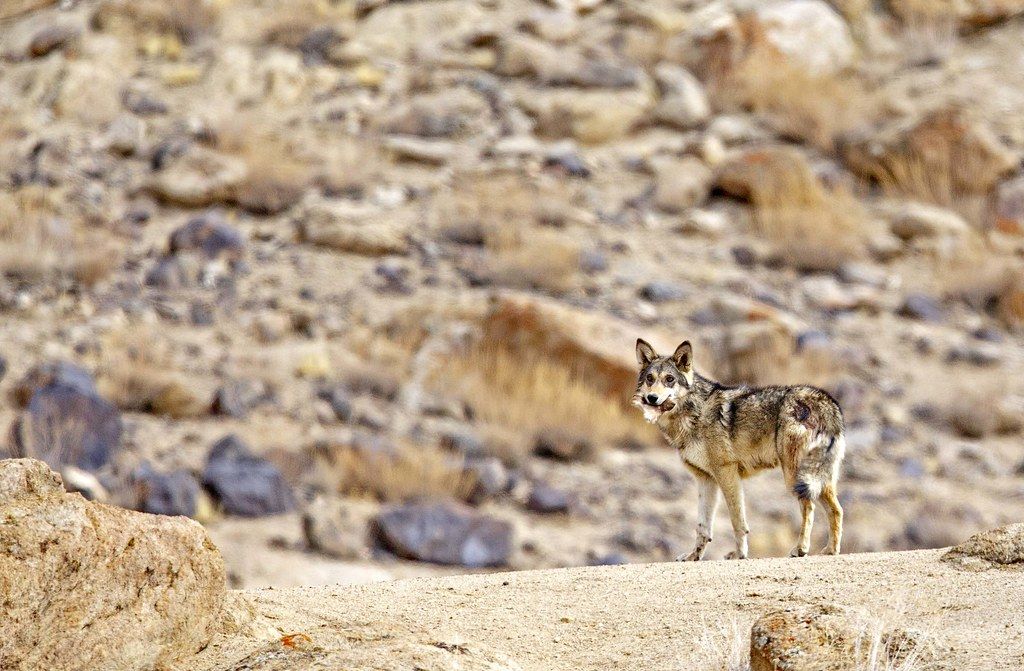
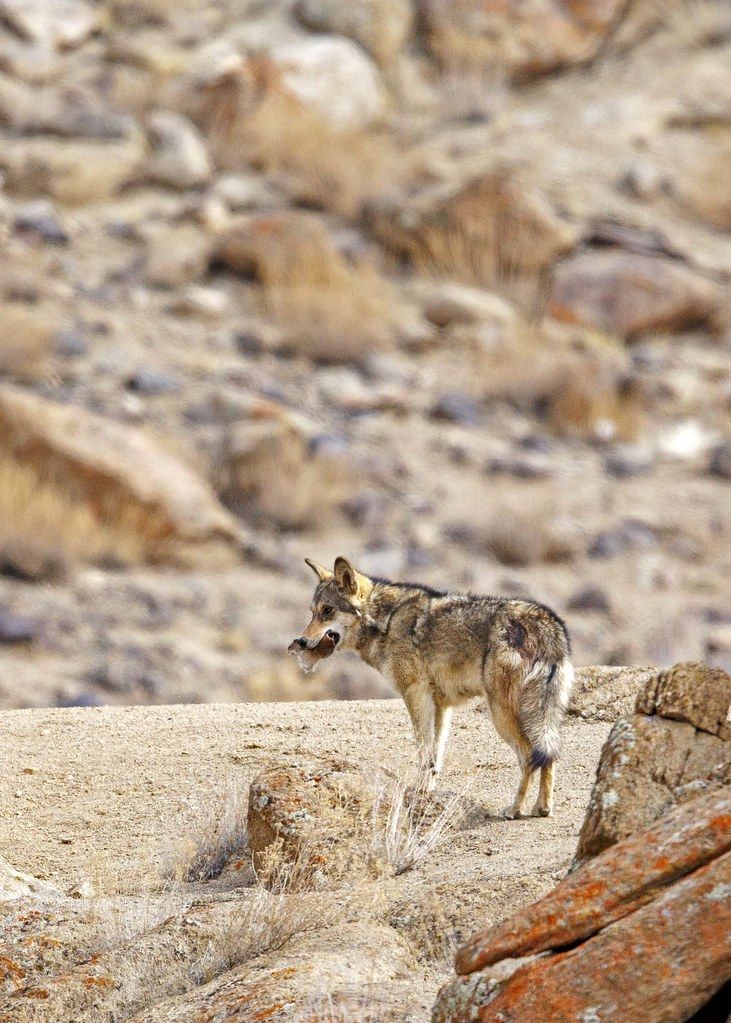
Sharing this same landscape, and considerably harder to find, is the Tibetan wolf, hunting in small, mobile packs across open valleys, and the Eurasian lynx, secretive and largely nocturnal, occupying rockier terrain at slightly lower elevation.

Rarest of all is Pallas's cat, a small, thick-coated wild cat so well camouflaged against the region's rock and scrub that most sightings owe as much to patience and local knowledge as to chance.

The bears of Dachigam

The same forest holds both the Himalayan black bear, common at lower elevations through the warmer months, and the considerably rarer Himalayan brown bear, generally restricted to the park's upper reaches.

Experiences

Ways to experience the Trans-Himalayan Wilds

The case for the Trans-Himalayan Wilds

What sets the Trans-Himalaya apart

The highest density of snow leopards

Recent surveys confirm Ladakh as the highest-density snow leopard landscape anywhere on Earth.

Most of India's snow leopards

Close to seventy percent of India's snow leopards live within Ladakh, sustained by blue sheep, ibex and urial.

A deer with nowhere else to go

Dachigam holds, functionally, the entire global population of the hangul, or Kashmir stag.

A rain-shadow desert

Beyond the main Himalayan range snowfall is scarce despite the extreme cold, and wildlife has adapted to conditions few ecosystems ask of it.

Tourism that works

A rare case where wildlife tourism is a measurable part of why a predator population is growing.

Altitude and patience

Acclimatisation, permits for the Changthang and the patience a snow leopard asks for shape every day here.

In the field

More of what lives here

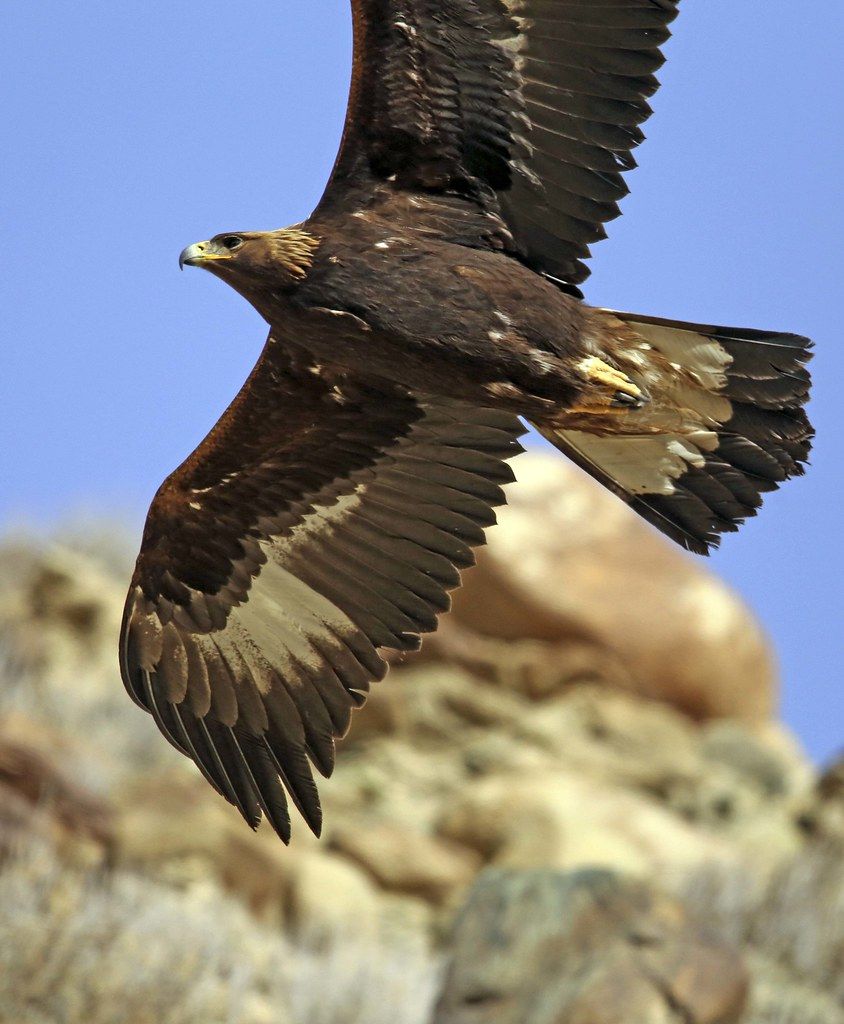
Beyond the snow leopard, the high valleys hold a cast of their own: wolves on the open slopes, wild sheep on the scree, bears and eagles where the ground falls away.

People and place

Life around the wilderness

Buddhist valuesIn Ladakh, Buddhist cultural values that discourage killing predators help sustain the snow leopard population.
HerdersConservation programmes channel tourism revenue directly to the herders whose livestock the cats occasionally take.
A revered craneThe black-necked crane, the only crane adapted to life at high altitude, is revered in Ladakhi Buddhist tradition.
Conservation

Conservation is part of the journey

It is a rare case where wildlife tourism has become a measurable, working part of why a predator population is expanding rather than shrinking.

The hangul's recovery at Dachigam, from under 200 individuals to roughly 300 today, stands as one of the more fragile and closely monitored conservation stories in the entire Himalaya — a single population, confined to a single valley system, with essentially no margin for a setback.

Ladakh's snow leopard numbers, by contrast, represent one of global conservation's more genuinely hopeful current stories: a population thriving specifically because of, rather than despite, its proximity to human communities, sustained by Buddhist cultural values that discourage killing predators and by conservation programmes that channel tourism revenue directly toward the herders whose livestock the cats occasionally take.

How Safari Vista India supports conservation
Kashmir & Ladakh

The Reserves of the Trans-Himalayan Wilds

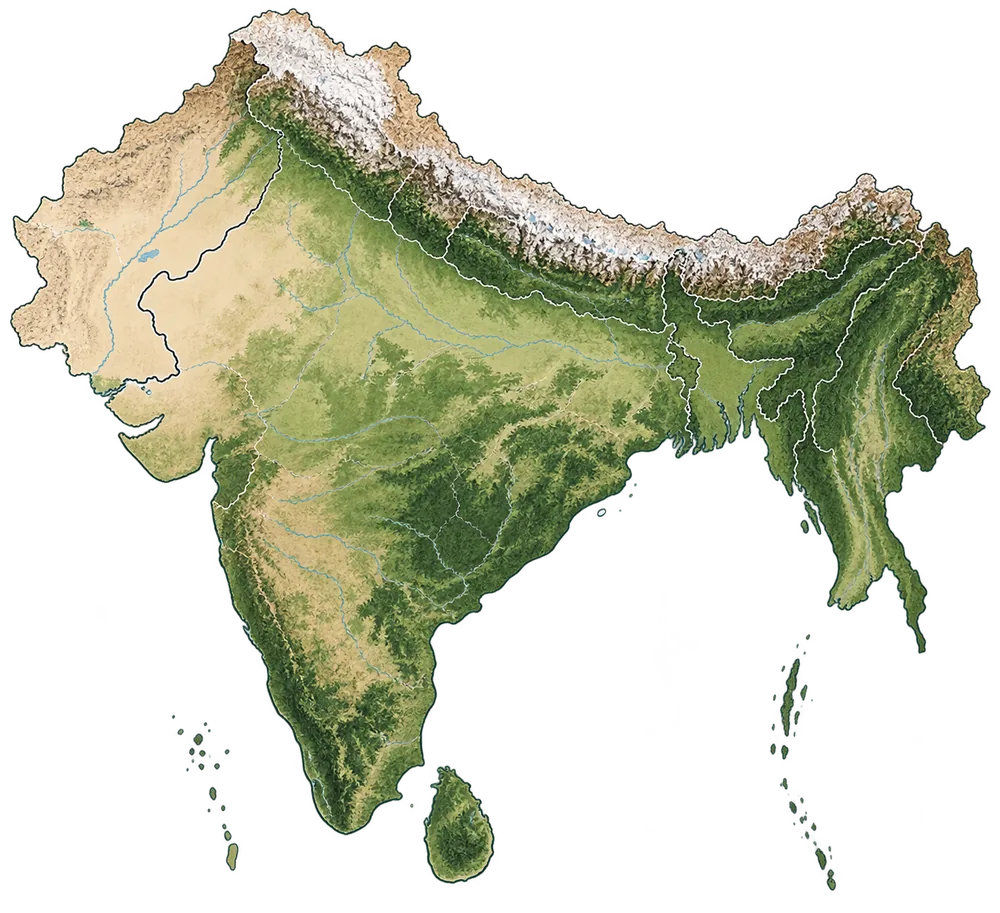
Trans-Himalayan Wilds
Where the Trans-Himalayan Wilds lies in the Indian subcontinent. Indicative, not to scale.
The Safari Vista India Way

The Vista Standard

A journey through the Trans-Himalayan Wilds asks more of both traveller and ground team than almost anywhere else in this collection — altitude acclimatisation, permit logistics for Changthang, and the patience a snow leopard expedition genuinely requires before it delivers a sighting.

Built the same way as every Safari Vista India journey: one vehicle, yours alone; a naturalist and tracking team who understand this landscape's altitude and its animals' behaviour in equal depth; no fixed departures dictating when you travel; and one person responsible for the entire arc of the journey, from Dachigam's forest to a ridgeline above Hemis at first light.

One vehicle. Yours alone.

For the full length of the journey, with no shared seats.

A naturalist, not a driver-guide.

Someone who has spent years reading this landscape, and teaches you to read it too.

No fixed departures.

You travel when the season and your own calendar suit.

Specialist ground handling.

Acclimatisation, Inner Line Permits and the timing of three different seasonal windows arranged around you.

Conservation, included.

Part of how the journey is designed from the outset, not an add-on at checkout.

One point of contact, throughout.

One person from the first conversation to the last morning in the field.

Practical information

Planning a Trans-Himalayan Wilds journey

September – October

Autumn

Clear skies, crisp cold (0–15°C).

Hangul rutting season at Dachigam; peak visibility before winter closure.

Best for Dachigam, Kashmir stag viewing.

December – Early March

Winter

Severe cold (−20–5°C); heavy snow at altitude.

Snow leopard, wolf and lynx move to lower elevations, following prey — the prime tracking window.

Best for Hemis and Ladakh snow leopard expeditions.

April – May

Late Spring

Snowmelt begins; passes start to clear.

Wildlife still at lower elevations; Dachigam reopens after winter closure.

Best for Transitional — lower-altitude viewing only.

June – September

Summer

Short, mild window (10–20°C); high passes open.

Kiang herds active on open steppe; black-necked crane breeding season at Changthang.

Best for Changthang plateau — the only accessible season.

When to go

Dachigam is at its most accessible and its hangul most visible during the rutting season in autumn, with the park closing over the harshest winter months.

Ladakh's snow leopard tracking season runs primarily through the winter, from December into early March, when the cats move to lower elevations following their prey and heavy snow makes tracking and spotting considerably more productive, despite temperatures that regularly fall well below freezing.

The Changthang plateau, by contrast, is only accessible through the short summer window, roughly June to September, when the high passes are clear of snow and the black-necked crane's breeding season is underway.

Time to give the landscape

A hangul-focused visit to Dachigam can be built into a shorter two- or three-day extension from Srinagar.

A genuine snow leopard expedition in Hemis requires considerably more patience and time — most successful trips run seven to ten days, allowing for the acclimatisation, weather delays and simple persistence this landscape demands before rewarding it with a sighting.

Combining Ladakh's snow leopard country with a Changthang extension for the kiang and black-necked crane typically requires twelve to fourteen days in total, factoring in the altitude, travel time between regions and the different seasonal windows each destination depends on.

Questions

Questions about the Trans-Himalayan Wilds

It is a cold, wind-scoured desert in the rain shadow beyond the main Himalayan range, where snowfall is scarce despite the extreme cold and trees stop growing. The journey begins in Dachigam's forested valley near Srinagar, then climbs over the high passes into Ladakh and onto the Changthang plateau, with wildlife adapted to conditions few ecosystems ask of their species. Read more

Ladakh is the highest-density snow leopard landscape anywhere on Earth, and Hemis is the centre of any serious attempt. The season runs from December into early March, when the cats follow their prey lower and snow makes tracking more productive. Expect several days of patient glassing from fixed vantage points with trackers; most successful trips run seven to ten days. Read more

The hangul, or Kashmir stag, is a subspecies of red deer found nowhere else on Earth. Dachigam, on the outskirts of Srinagar, holds functionally its entire global population, now estimated at around 300 after falling under 200. It is most visible during the autumn rut, and a visit can be built into a two or three day extension from Srinagar. Read more

The Changthang extends the cold desert toward the Tibetan border: open steppe, salt lakes and altitudes rarely below 4,300 metres. The kiang, or Tibetan wild ass, moves across it in loose herds, and the black-necked crane breeds in its marshes each summer. It is accessible only from roughly June to September and requires an Inner Line Permit. Read more

Few landscapes ask as much physically of a traveller. Altitude acclimatisation, weather delays and permit logistics for the Changthang all shape the journey, and a snow leopard expedition needs patience before it rewards you with a sighting. Combining Ladakh's snow leopard country with a Changthang extension typically takes twelve to fourteen days in total. Read more

Yes, measurably. Ladakh's snow leopards are thriving in part because of their proximity to people: Buddhist cultural values discourage killing predators, and conservation programmes channel tourism revenue directly to the herders whose livestock the cats occasionally take. It is a rare case where wildlife tourism is part of why a predator population is expanding rather than shrinking. Read more

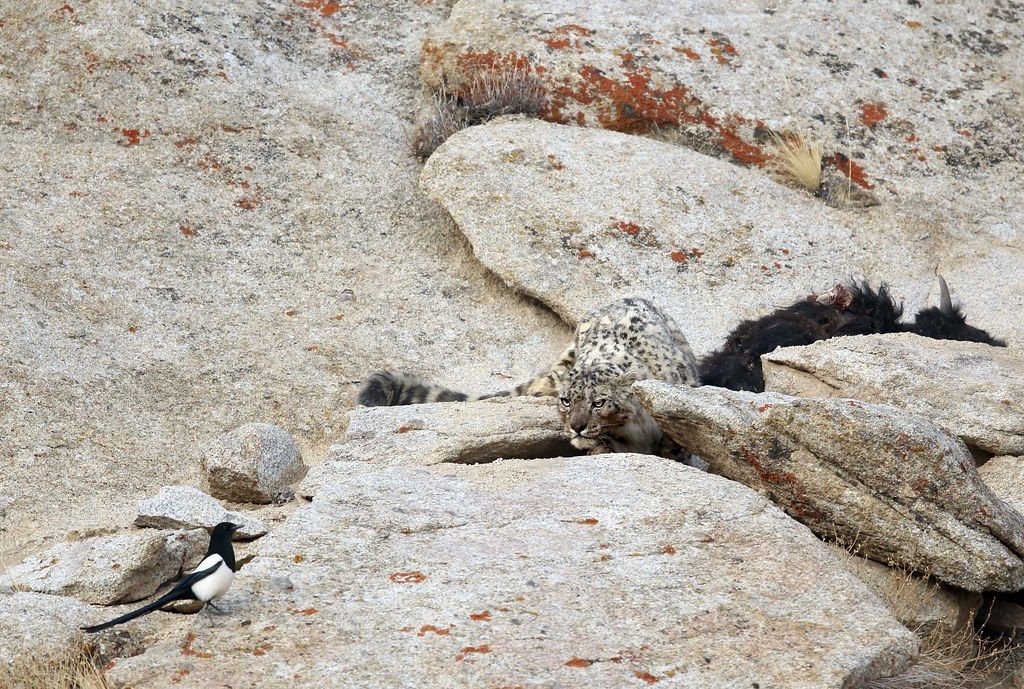
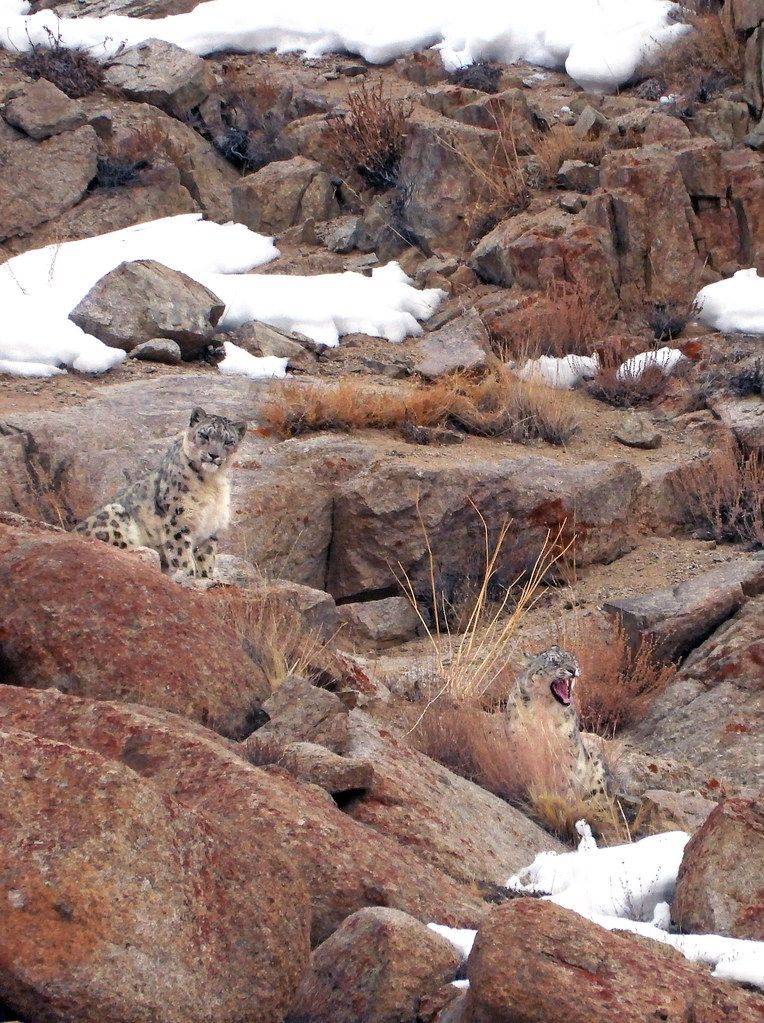
A snow leopard hidden among pale bouldersPhoto: Surya Ramchandran

If this is the India you want to understand — thin air, ancient monasteries, and wildlife built for extremity — the right next step is a conversation.

Begin Your Journey

Tell us how you want to experience India, and we will design the journey around you.