Plan Your Journey
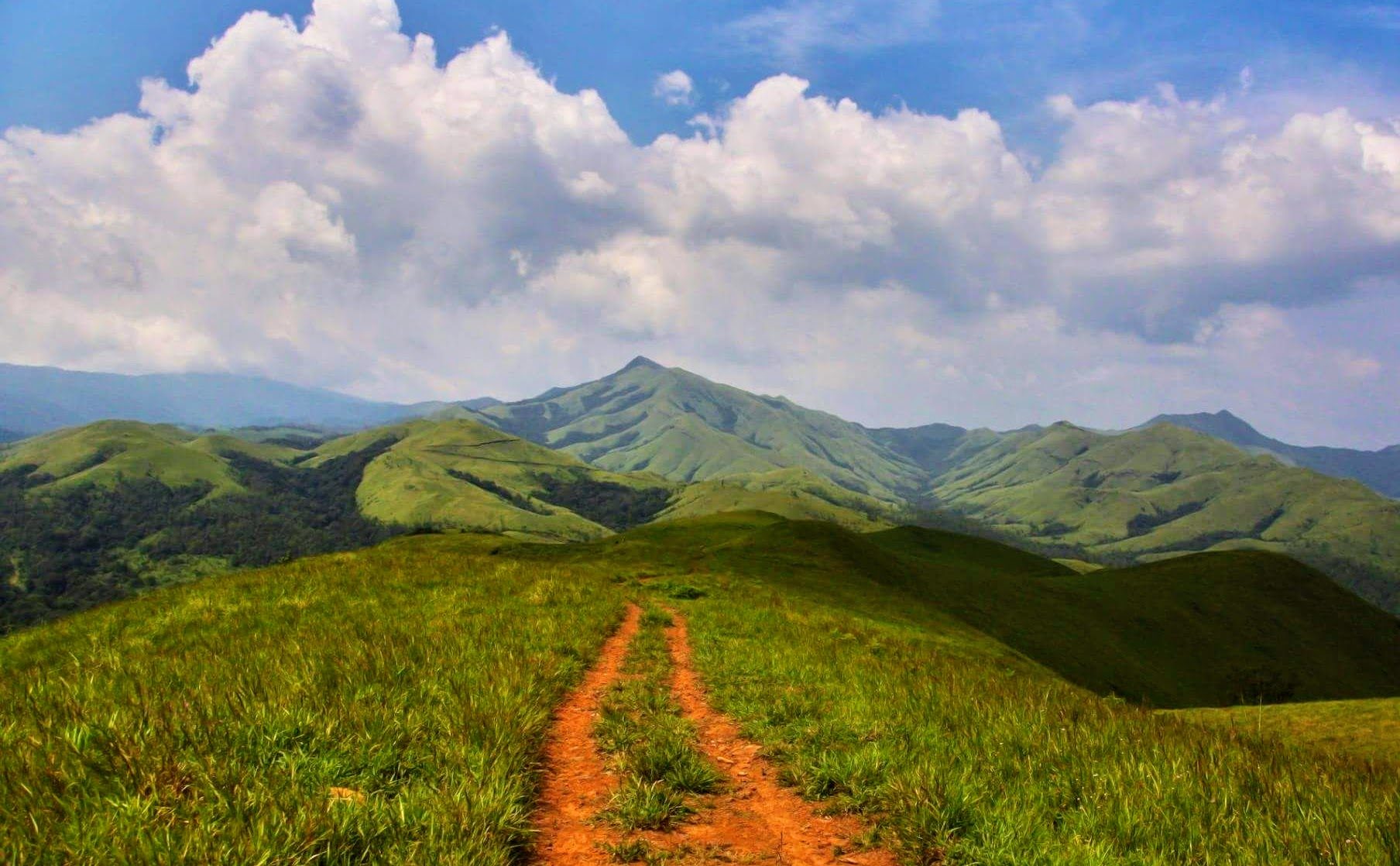
Rolling green grassland ridges under monsoon cloud, a red-earth track leading towards a distant peak

Home / Journeys / The Western Ghats

Karnataka, Kerala & Tamil Nadu · India

The Western Ghats

India's Rainforest and Endemic Wildlife Landscape

Private journeys through rainforest, shola grassland and backwater forest along India's west coast: elephant and tiger at Kabini, the Nilgiri tahr on the high southern slopes, and the slender loris after dark.

Begin Your Journey

The Ghats are considerably older than the Himalaya, and that age is the reason for the biology found here.

South of tiger country

An older, wetter India

South of India's classic tiger country, the land begins to rise into a much older mountain range — the Western Ghats, running along India's west coast and holding, within a narrow band of hill and rainforest, more than 30 percent of every plant, fish, amphibian, reptile, bird and mammal species found in the country. This is rainforest terrain: evergreen canopy, montane grassland known locally as shola, and a level of endemism — species that evolved here and exist nowhere else on Earth — that sets it apart from any other landscape in this collection.

Tens of millions of years of relative geological stability allowed species to specialise and diverge in place, tied permanently to specific hill ranges and rainfall bands rather than moving freely across a younger, less differentiated landscape.

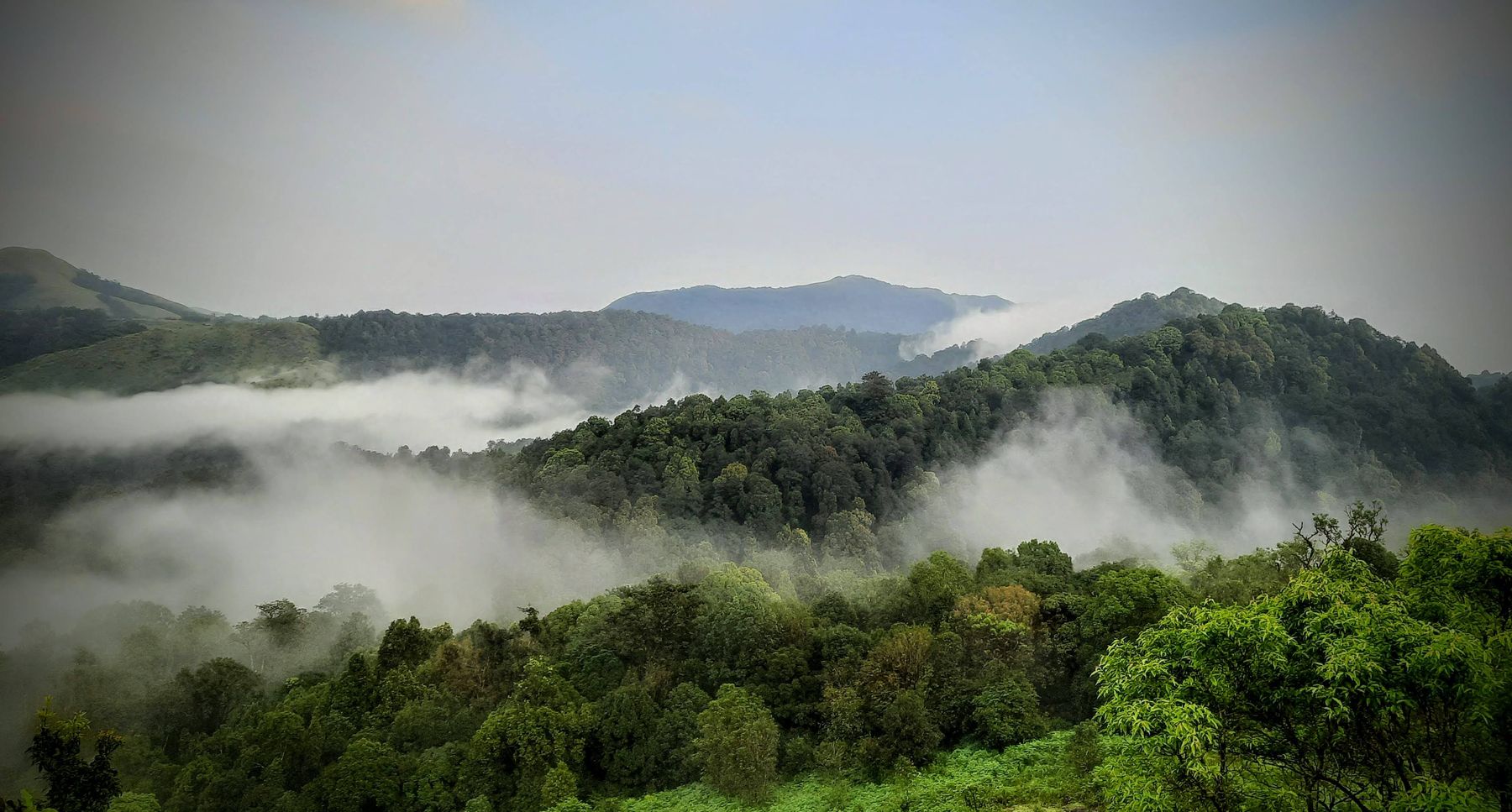
Mist lying in the valleys between forested ridges
The landscape

One range, many forests

In Karnataka, this produces genuinely varied terrain within a single itinerary: moist deciduous forest and bamboo around Nagarhole and Bandipur, dense wet evergreen rainforest at Kudremukh and Bhadra, and — at Biligiri Rangaswamy, or BR Hills — a rare transition zone where dry Deccan scrub meets wet evergreen forest within one contiguous reserve.

The Nilgiri Biosphere Reserve, India's first biosphere reserve under UNESCO's Man and the Biosphere Programme, links Karnataka's Nagarhole and Bandipur with Kerala's Wayanad and Tamil Nadu's Mudumalai into one largely contiguous forest block.

The central Ghats

Among the wettest, densest forest in the range

Separately, but adjoining, Kudremukh's UNESCO World Heritage forest and the Agumbe rainforest sit further north in Karnataka's central Western Ghats — among the wettest, densest evergreen tracts anywhere in the range, and ecologically distinct from the drier Nagarhole-Bandipur landscape further south.

Kudremukh, by contrast, is less a wildlife-safari destination than a genuine wilderness — dense, tropical wet evergreen forest and rolling shola-grassland hills, the second-largest protected area of this forest type anywhere in the Western Ghats, and home to species that depend specifically on undisturbed, continuous rainforest canopy.

Encounters

The wildlife of the Western Ghats

Further south, the same range continues into Kerala and Tamil Nadu, climbing into high-altitude shola grassland that holds some of the Ghats' most restricted endemic species.

Nilgiri tahr · lion-tailed macaque

Found only on these slopes

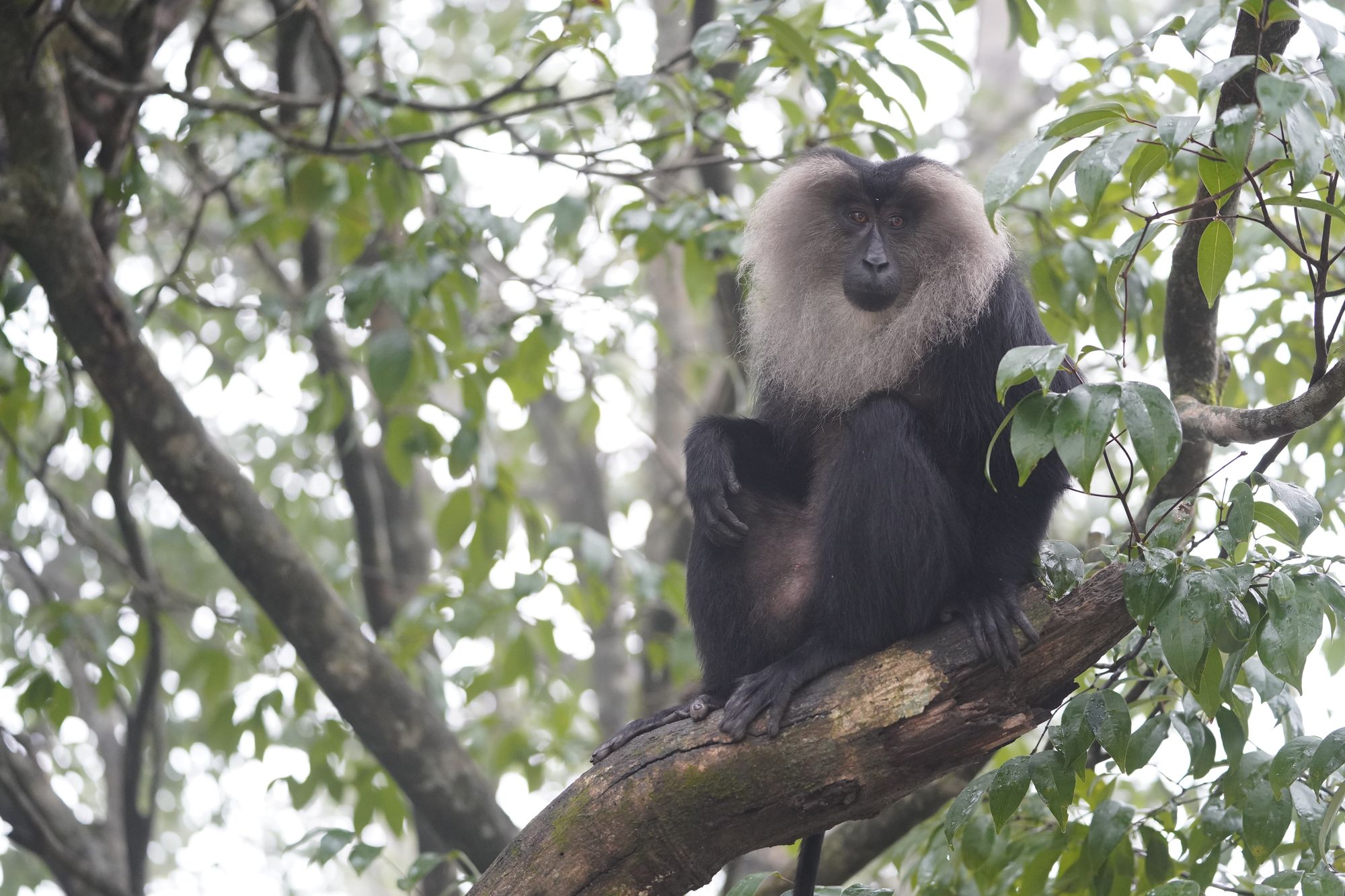
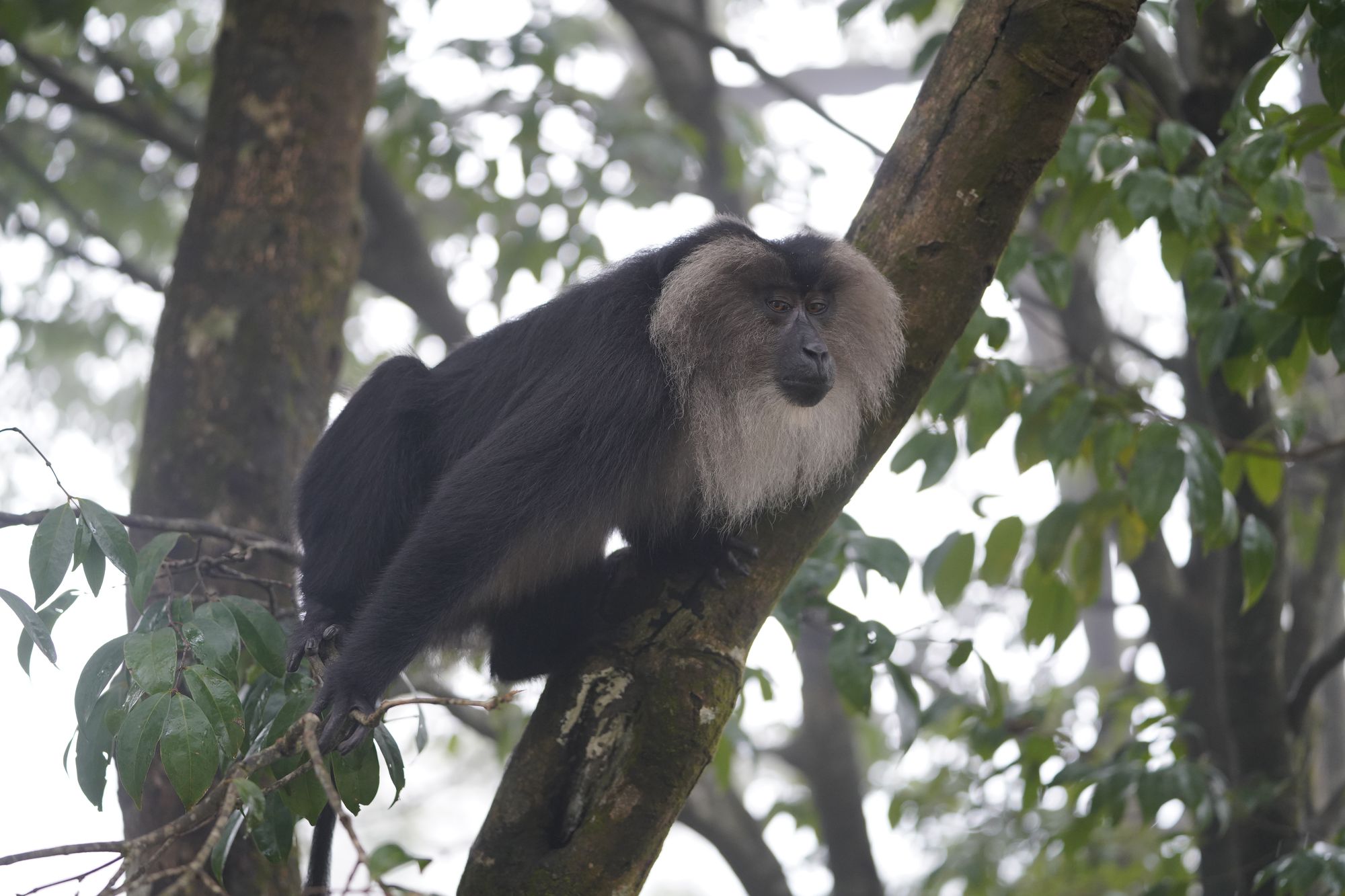
Higher into the Ghats' southern reaches, in Kerala and Tamil Nadu, the mountains hold two of India's most restricted endemic mammals: the Nilgiri tahr, a sure-footed mountain goat found only on these slopes, and the lion-tailed macaque, a strikingly maned primate confined to isolated rainforest pockets and numbering only a few thousand individuals globally.
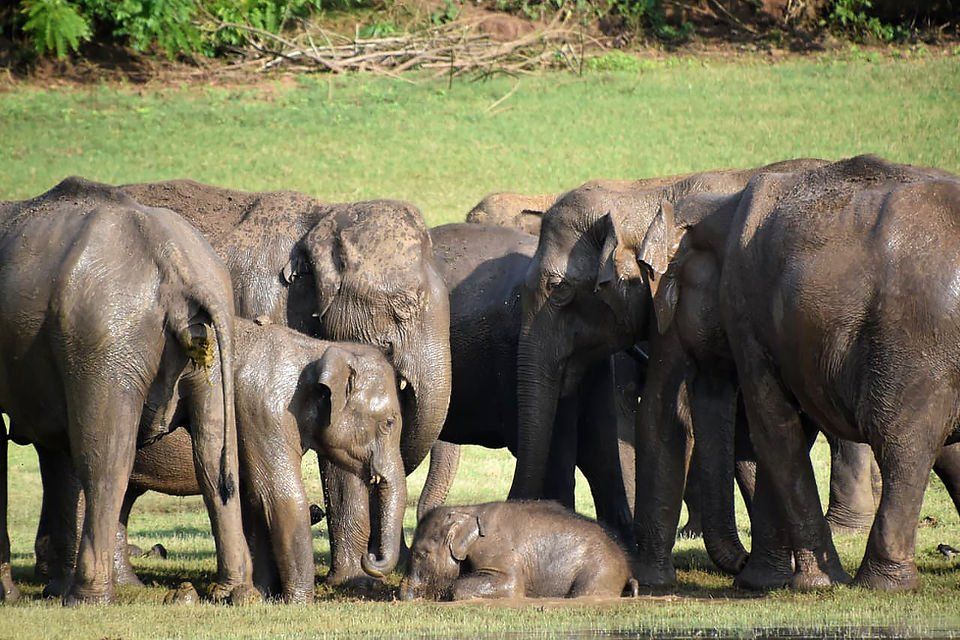
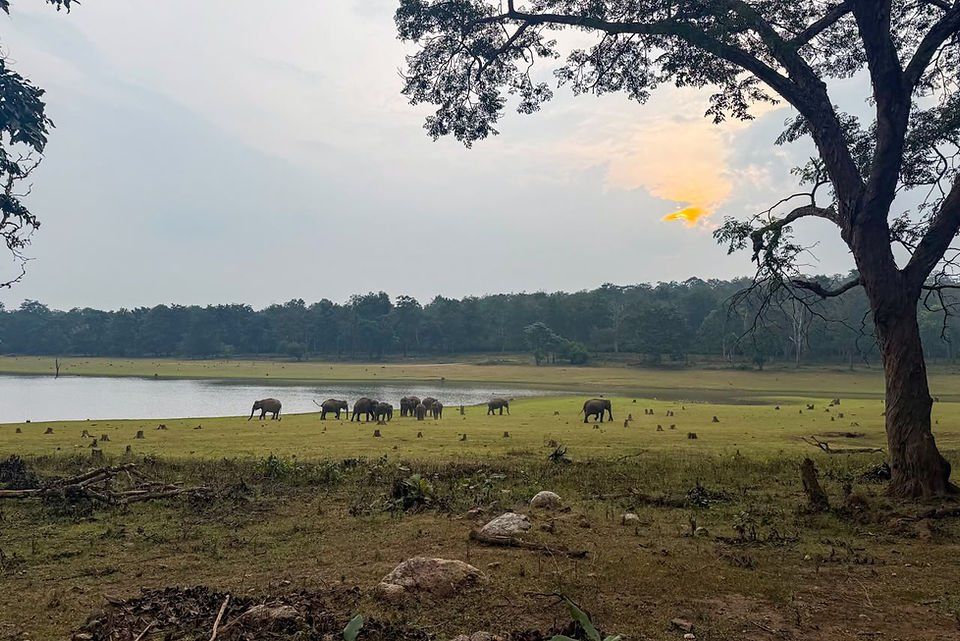
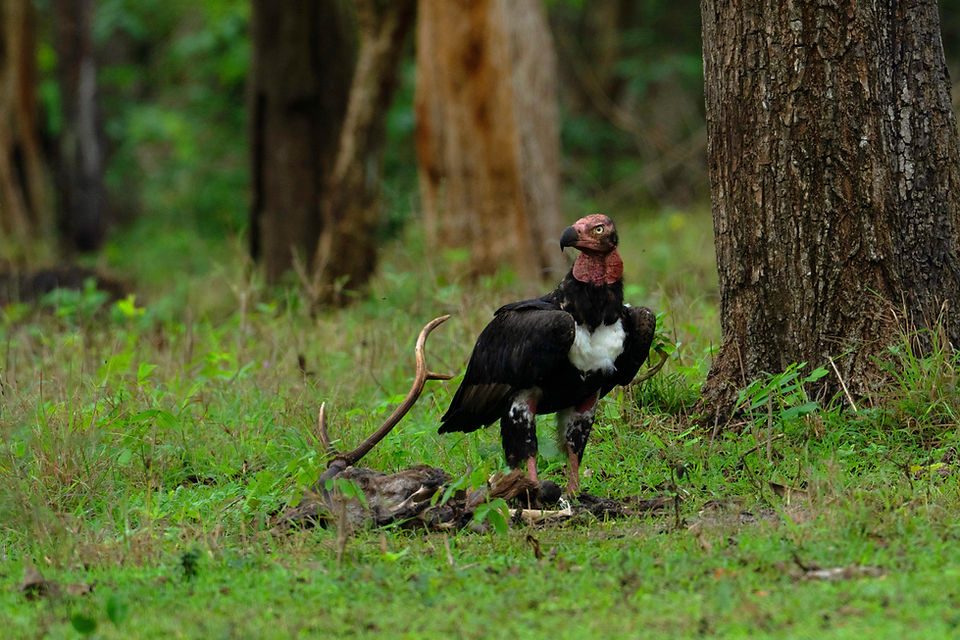
Elephants grazing on open ground beside the Kabini backwatersPhoto: Evolve Back
Asian elephant · tiger

Drawn to the water's edge

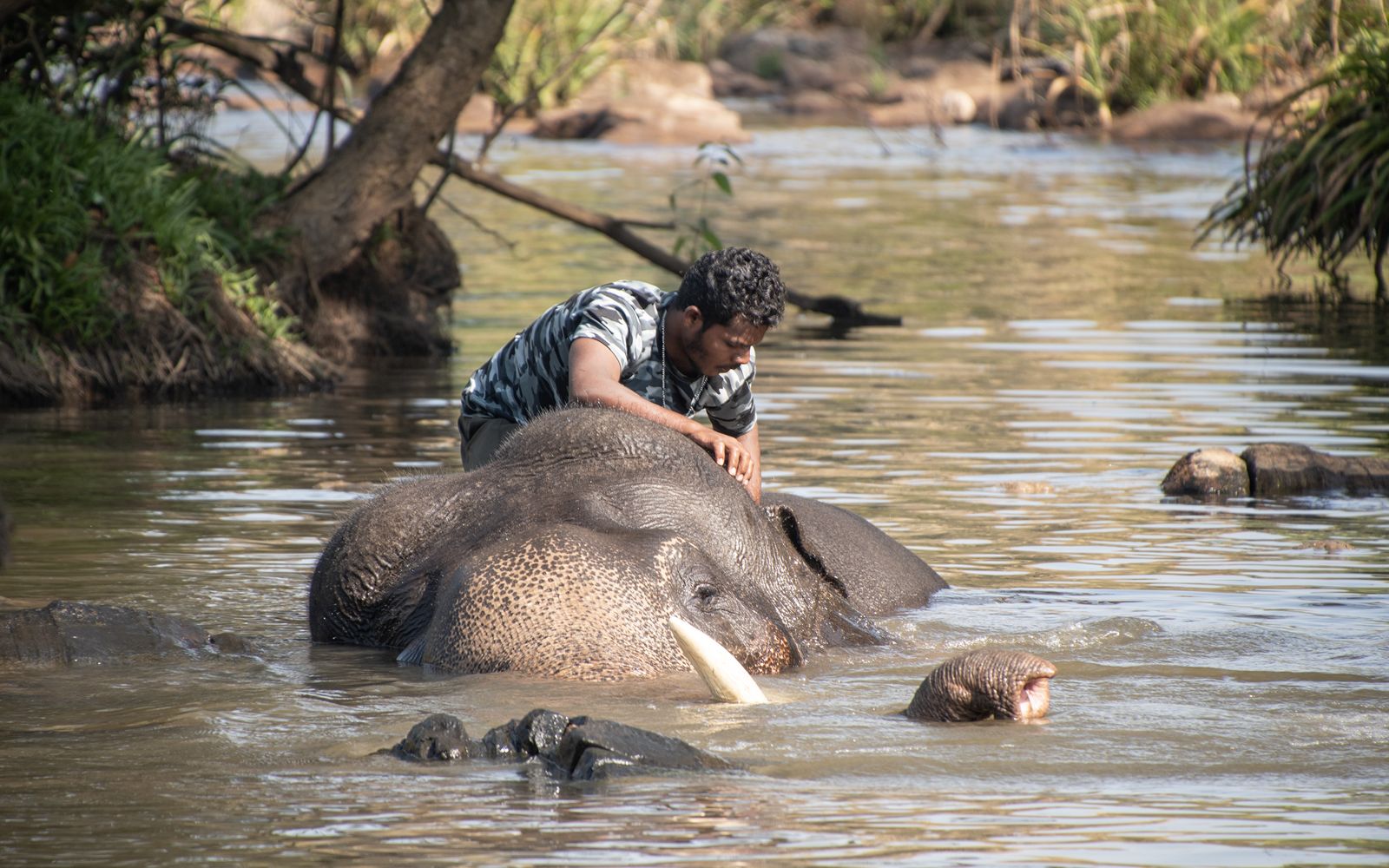
The Nagarhole–Bandipur landscape, centred on the Kabini backwaters, holds one of India's densest and most reliable populations of both elephant and tiger. As the dry season advances and forest water sources shrink, wildlife concentrates predictably toward the reservoir's edge, producing some of the more dependable large-mammal sightings anywhere in the country.

Bhadra Tiger Reserve, less visited and considerably quieter, protects a similar moist-deciduous and evergreen mix around the Bhadra reservoir, with a healthy tiger and elephant population and a fraction of the visitor traffic of its better-known neighbours.

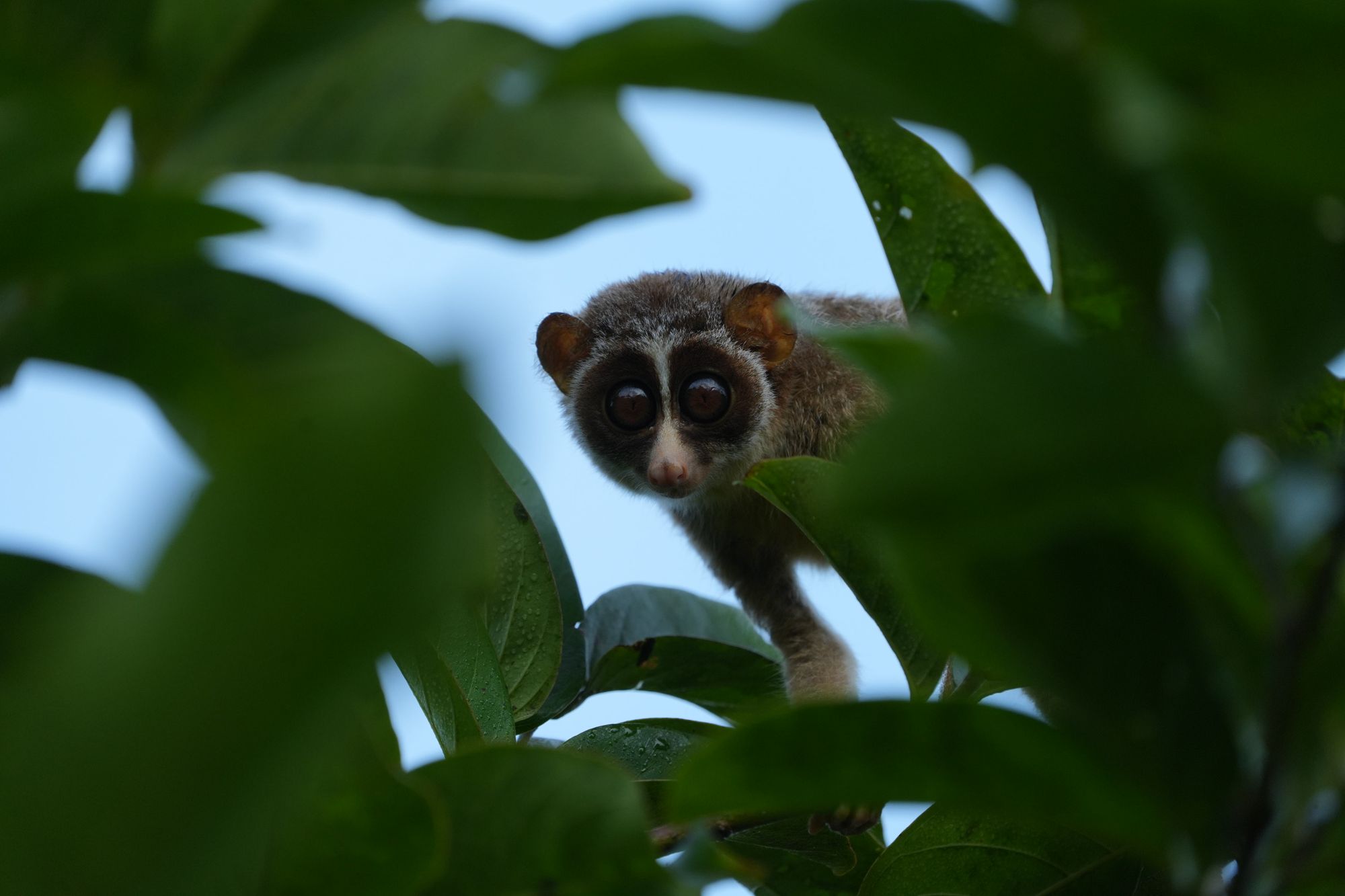
A slender loris looking down through leaves
Slender loris

Found by spotlight, after dark

Much of what makes the Western Ghats scientifically remarkable never appears on a conventional wildlife checklist. The slender loris — a small, wide-eyed nocturnal primate moving through the canopy with a deliberate, almost hesitant gait — is a genuine Western Ghats specialist, its reddish-brown subspecies restricted to the wetter western slopes of Karnataka, Kerala and Tamil Nadu, generally found only with a spotlight after dark and a naturalist who knows exactly where to look.

Sharing the same canopy, the Indian giant squirrel and the considerably rarer large brown flying squirrel forage and glide through Nagarhole and Kudremukh's tall forest, the flying squirrel active only at night and rarely encountered without a deliberate nocturnal search.

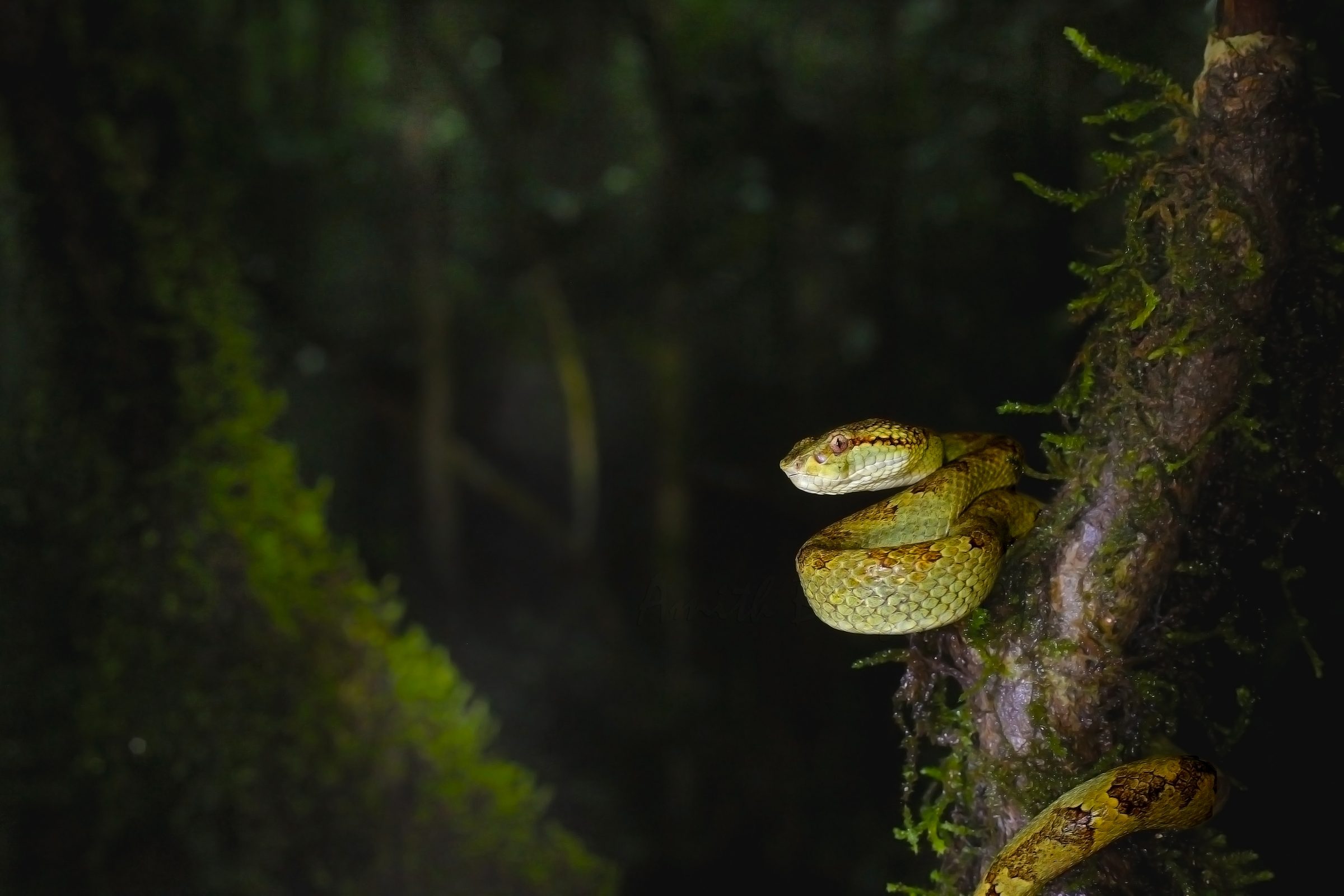
A green pit viper resting on a moss-covered trunk in dark rainforest
King cobra · purple frog · mugger

The smaller and stranger wildlife of the Ghats

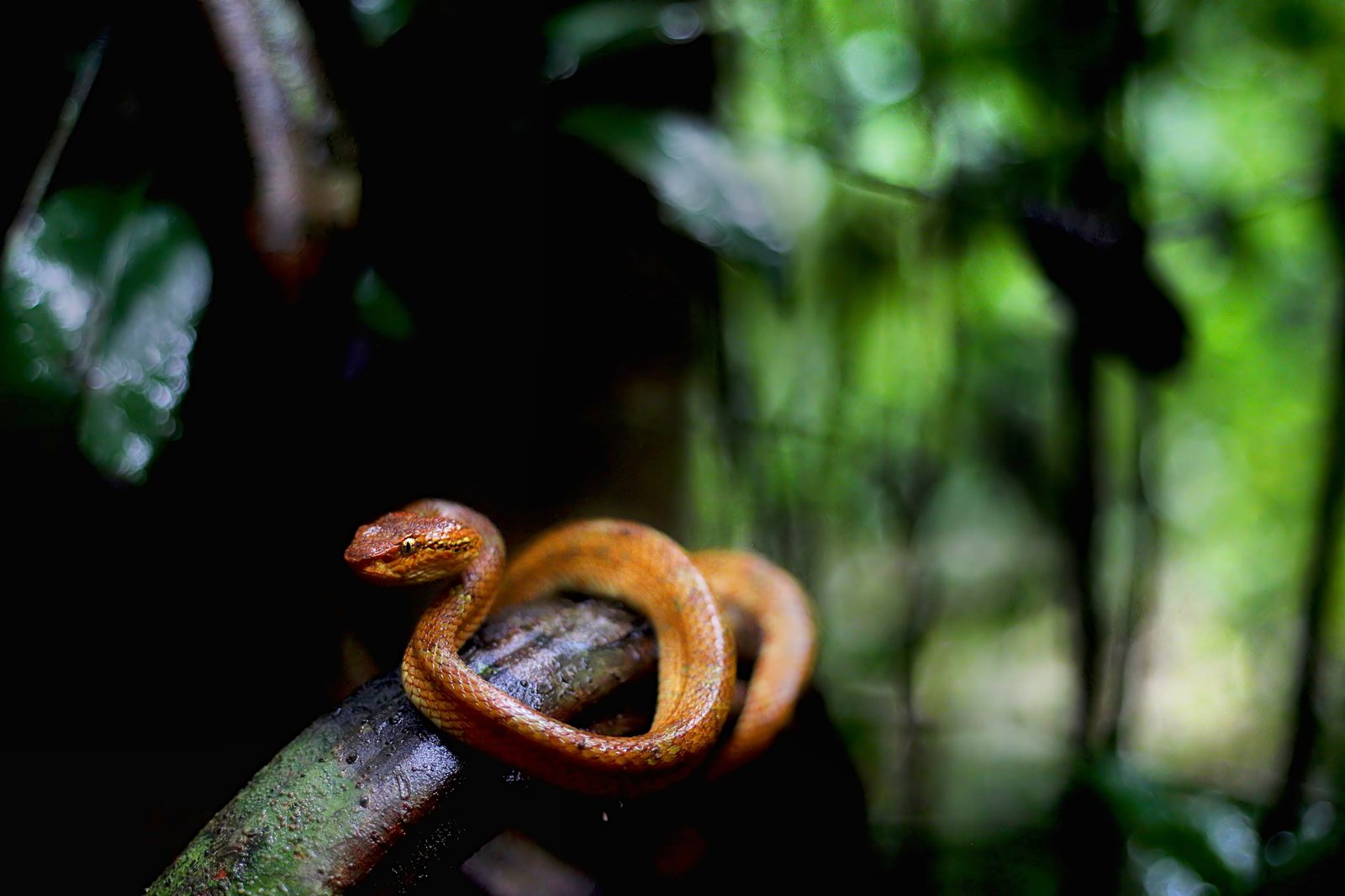
Agumbe, within Karnataka's UNESCO-listed forest tract, has become internationally known among herpetologists as king cobra country — one of the most reliable sites in India for the world's longest venomous snake, alongside the Malabar pit viper, a well-camouflaged, arboreal species found only in this mountain range.

Mugger crocodile persist in the region's rivers and reservoirs, while further south, in Kerala's wetter evergreen forest, the purple frog — a bizarre, burrowing species with no close living relatives, undiscovered by science until 2003 — spends nearly its entire life underground, surfacing for barely two weeks a year to breed in the first heavy monsoon rains.

Why they matter

Collectively, this smaller wildlife is arguably a more accurate measure of what makes the Western Ghats globally significant than any single mammal sighting, precisely because so much of it exists nowhere else on the planet.

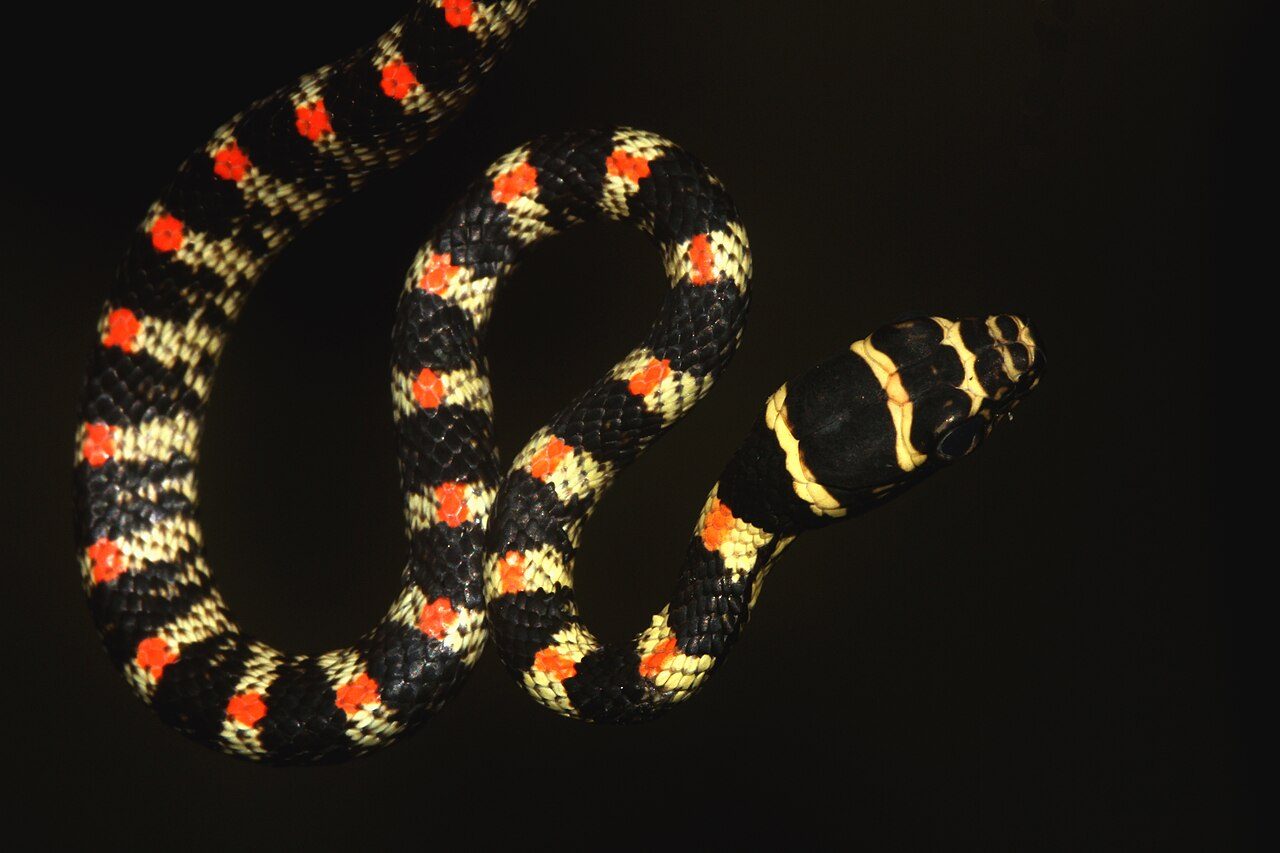
An orange pit viper coiled around a wet branch in dark rainforest
Experiences

Ways to experience the Western Ghats

The case for the Western Ghats

What sets the Western Ghats apart

Older than the Himalaya

Tens of millions of years of geological stability let species specialise in place, tied to particular hill ranges and rainfall bands.

Found nowhere else

A level of endemism unlike any other landscape in this collection, from the Nilgiri tahr to the purple frog.

A third of India's species

Within a narrow band of hill and rainforest, more than 30 percent of every plant, fish, amphibian, reptile, bird and mammal species found in India.

Many forests in one journey

Moist deciduous forest at Nagarhole, wet evergreen rainforest at Kudremukh and dry scrub meeting evergreen at BR Hills, without crossing a state line.

Large mammals and small

Elephant and tiger at Kabini in the same journey as a slender loris found by spotlight after dark.

A World Heritage forest

Ten of the thirty-nine component sites of the Western Ghats World Heritage listing lie within Karnataka.

In the field

More of what lives here

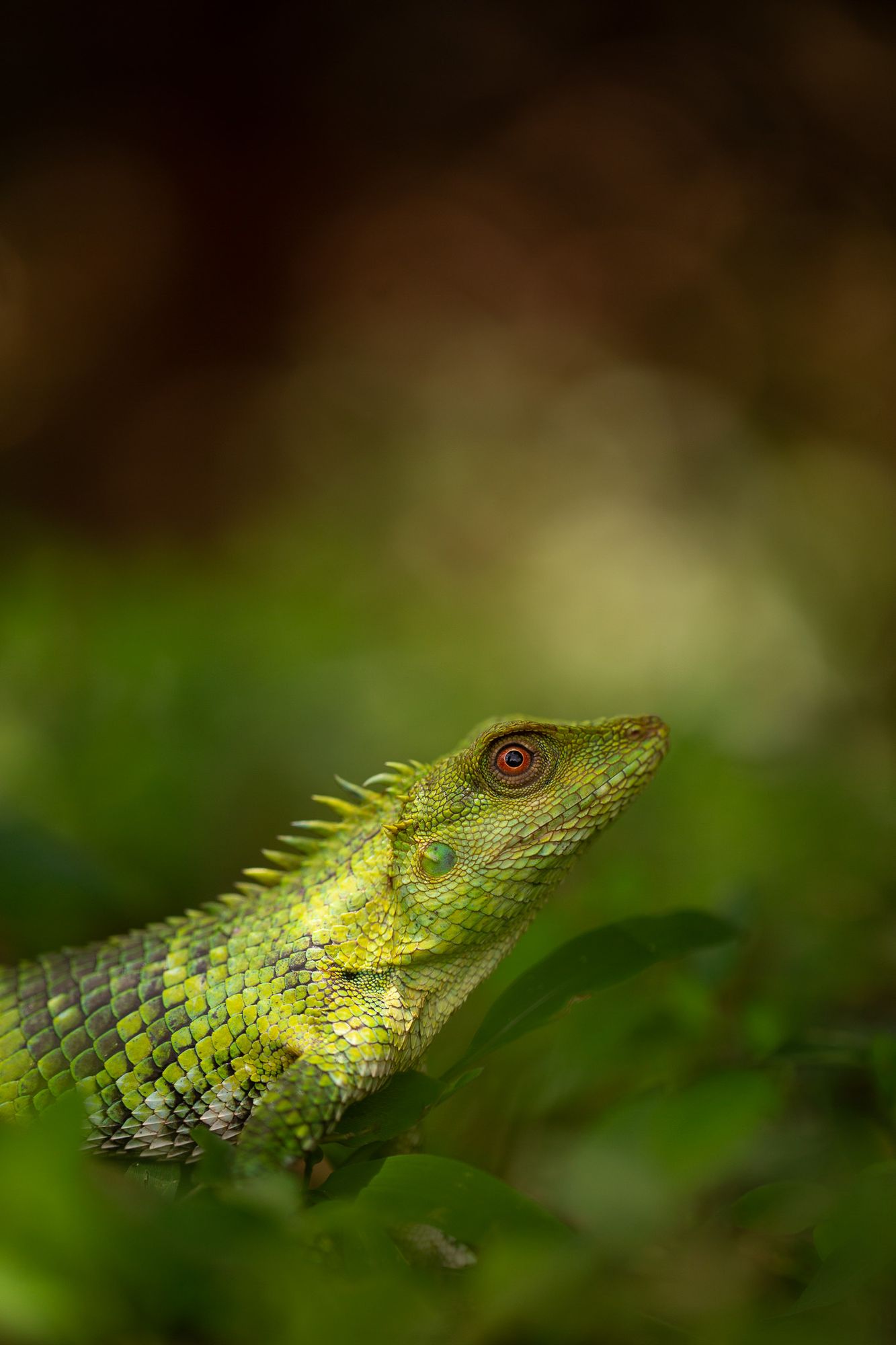
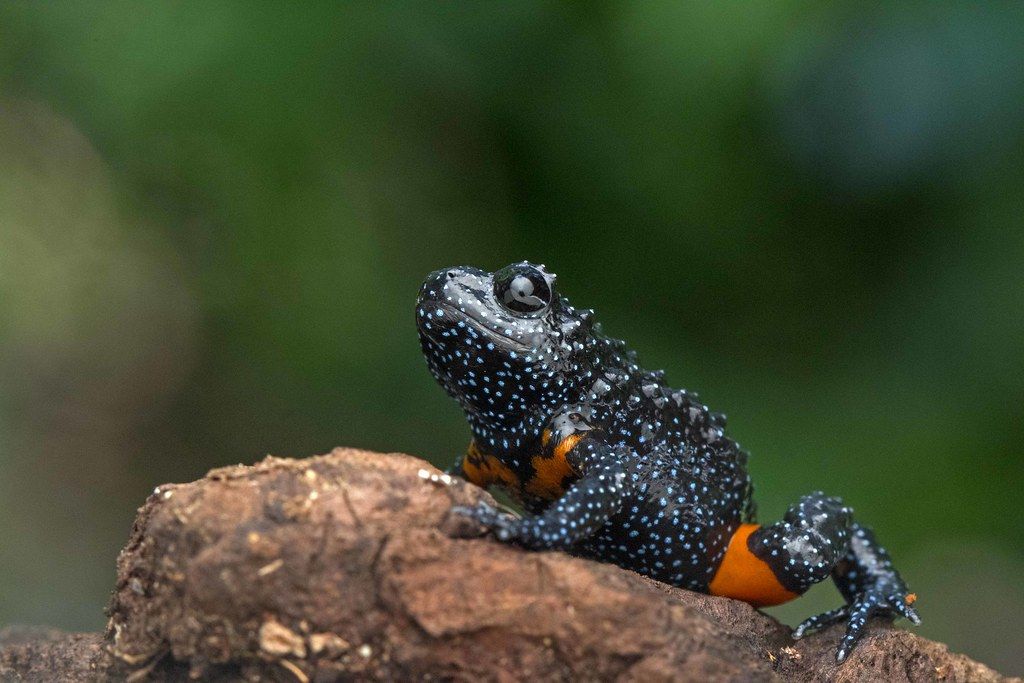
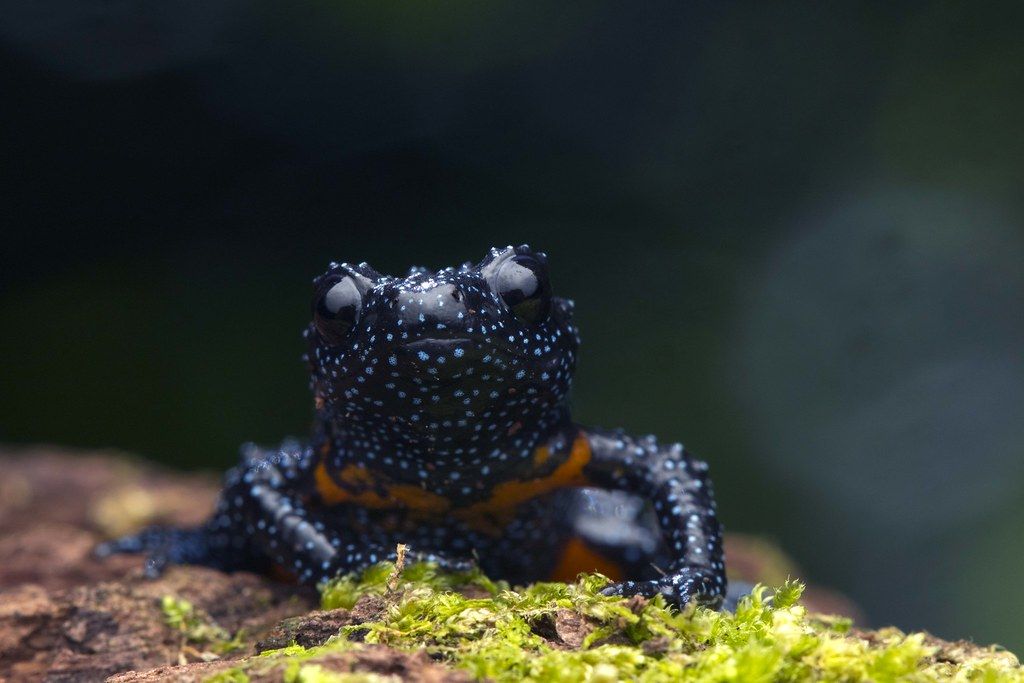
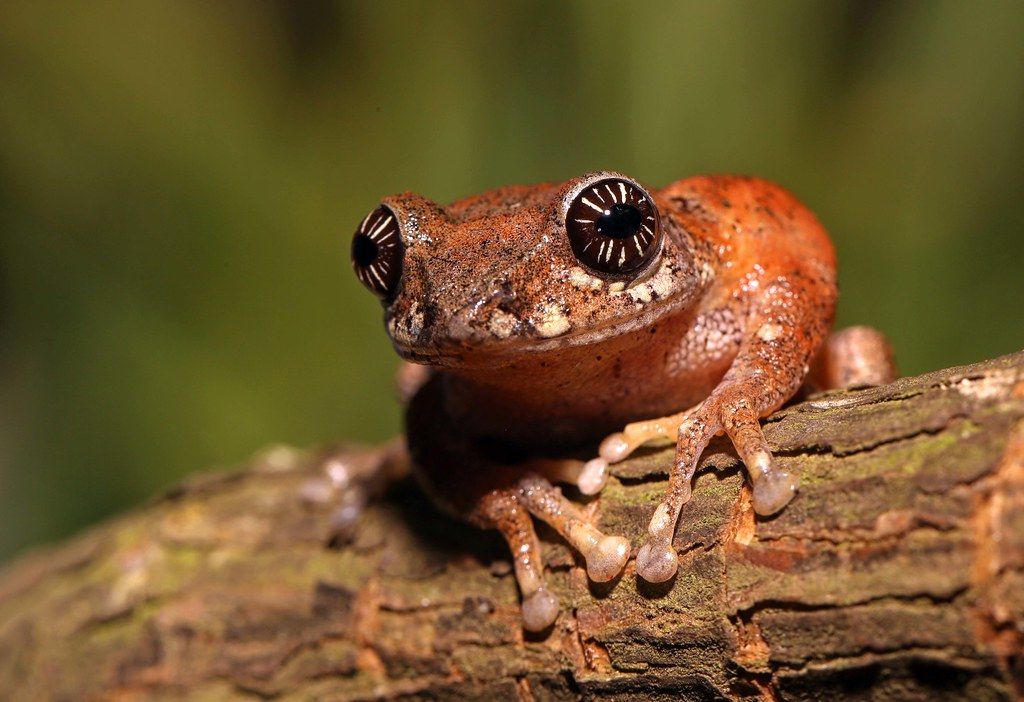
The Ghats are one of the richest places on earth for frogs, many of them found nowhere else: the small life of the forest floor is part of what a night walk here is for.

Heritage along the way

Ruins, rivers and coffee country

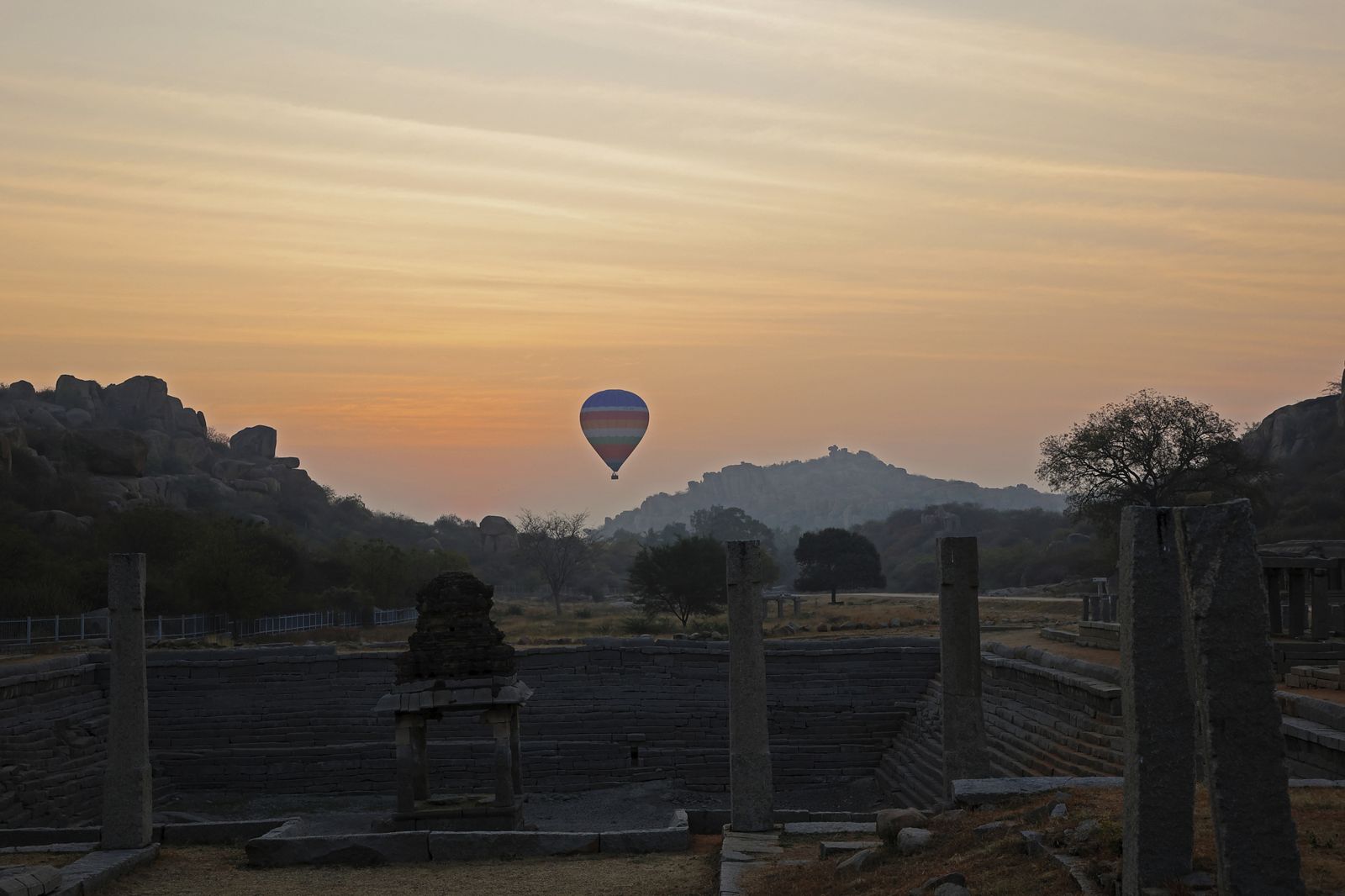
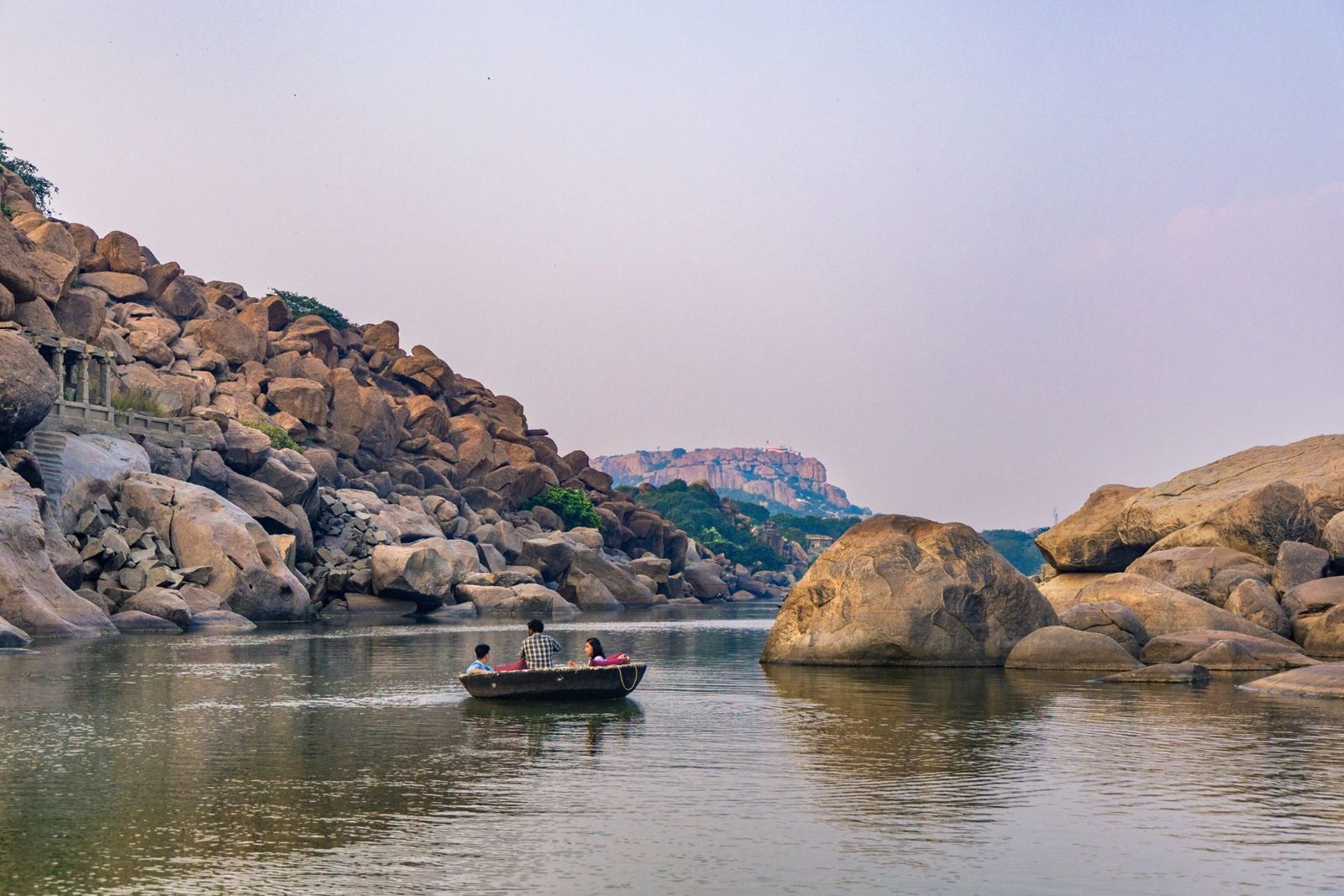
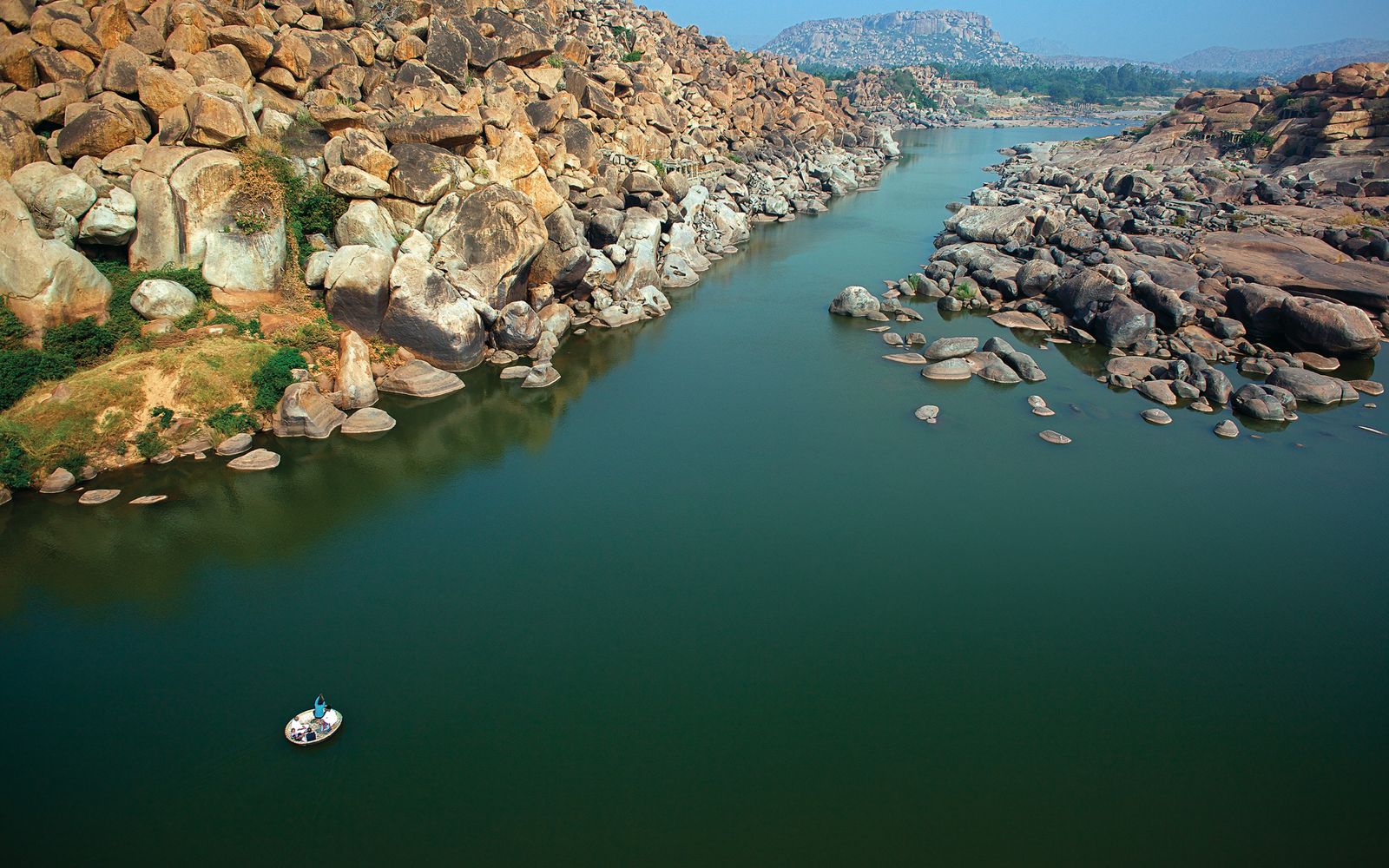
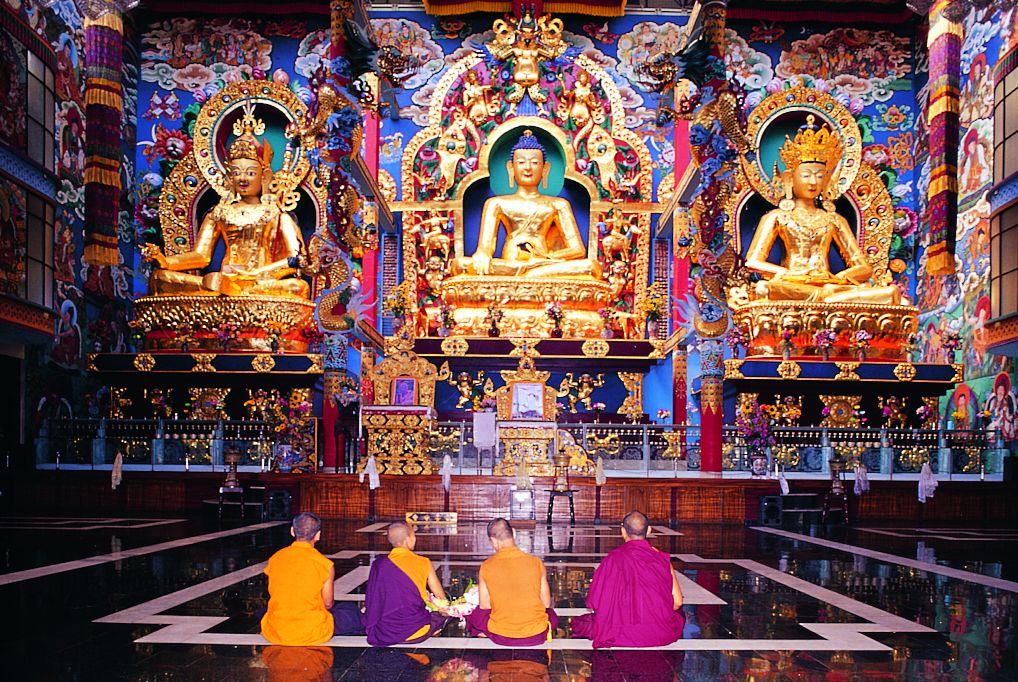
A Western Ghats journey through Karnataka can hold more than forest: the boulder-strewn ruins of Hampi on the Tungabhadra, and the coffee estates and Tibetan monasteries of Kodagu on the way to the Kabini.

Where the day ends

Nights in the forest country

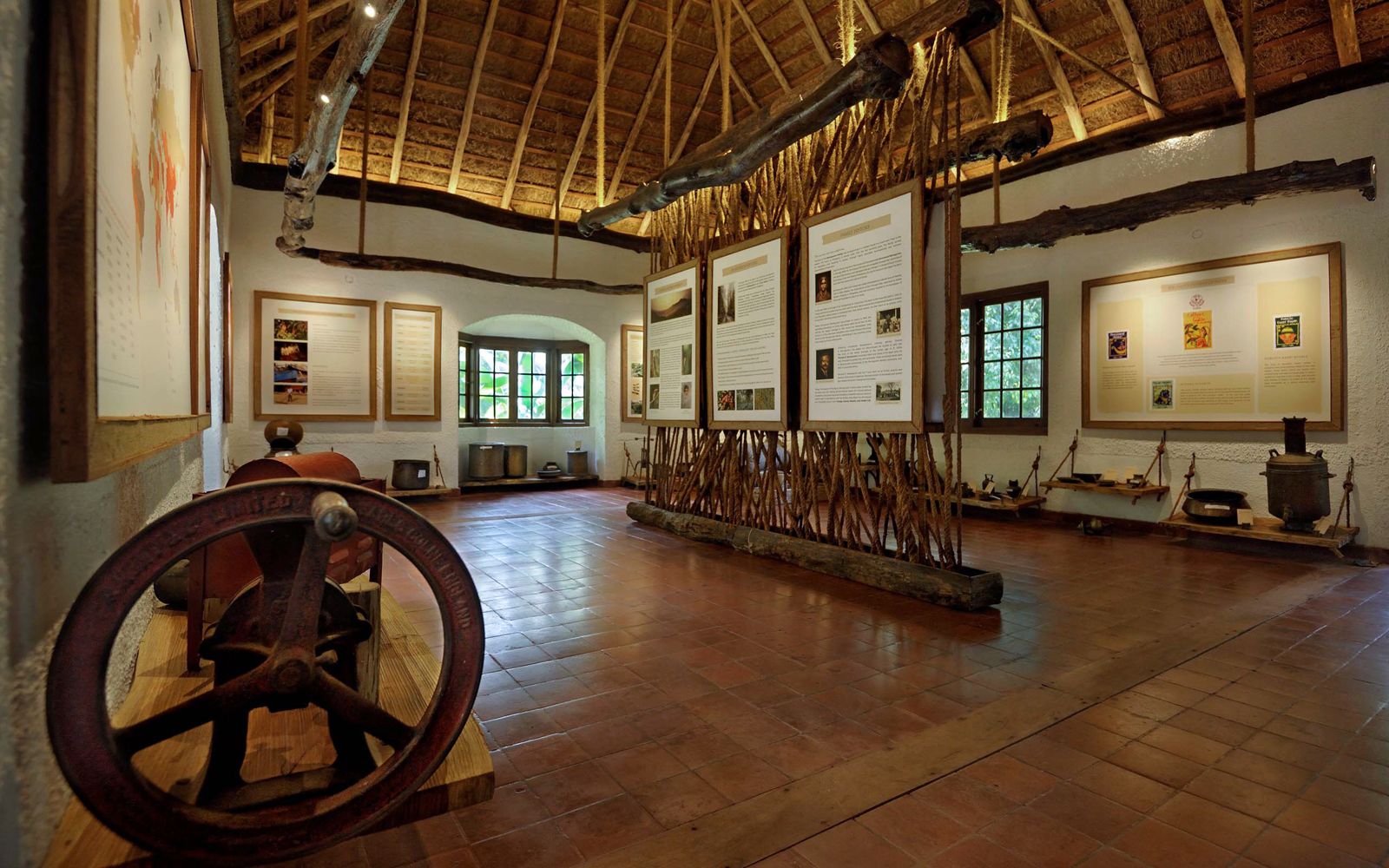
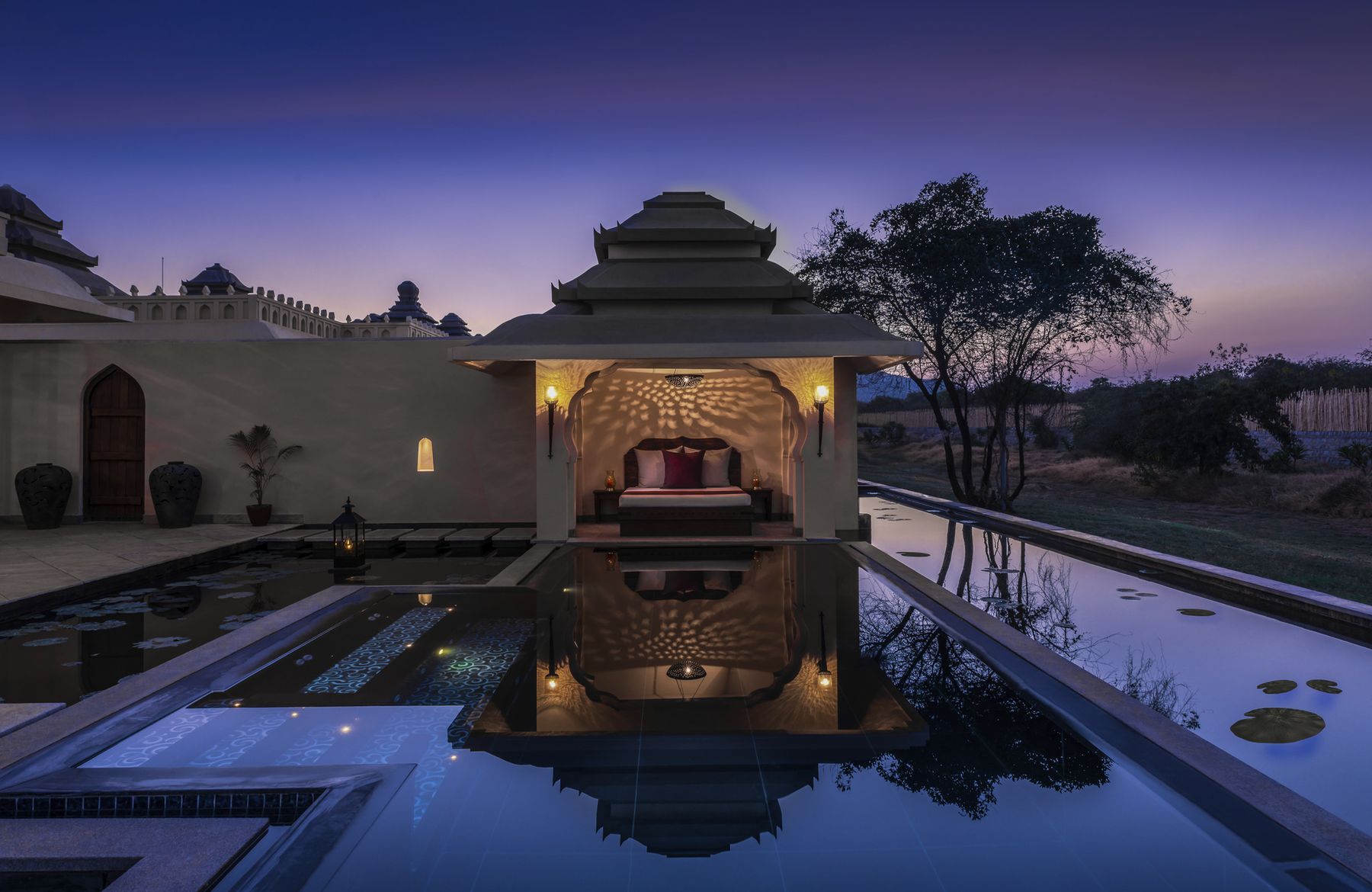
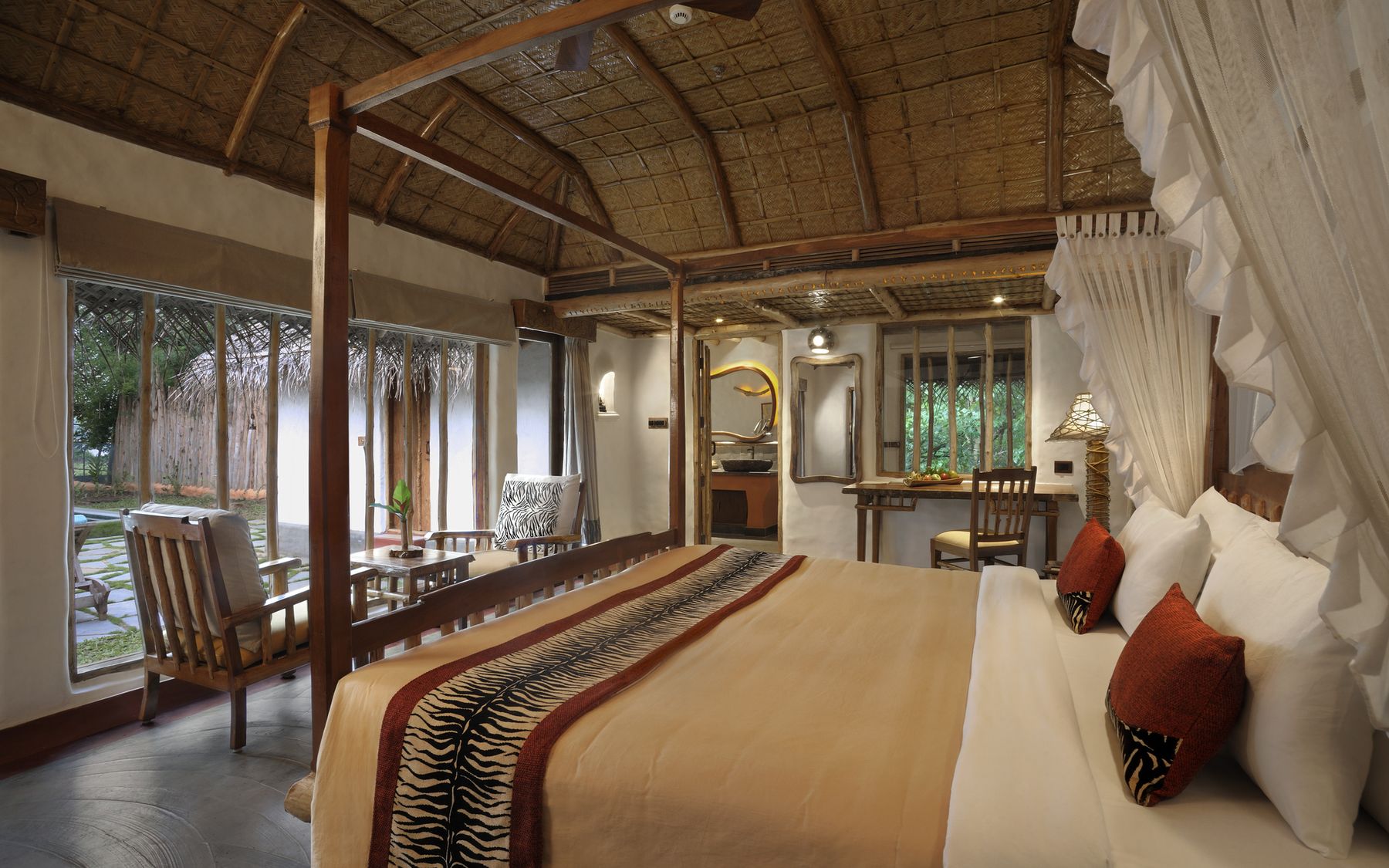
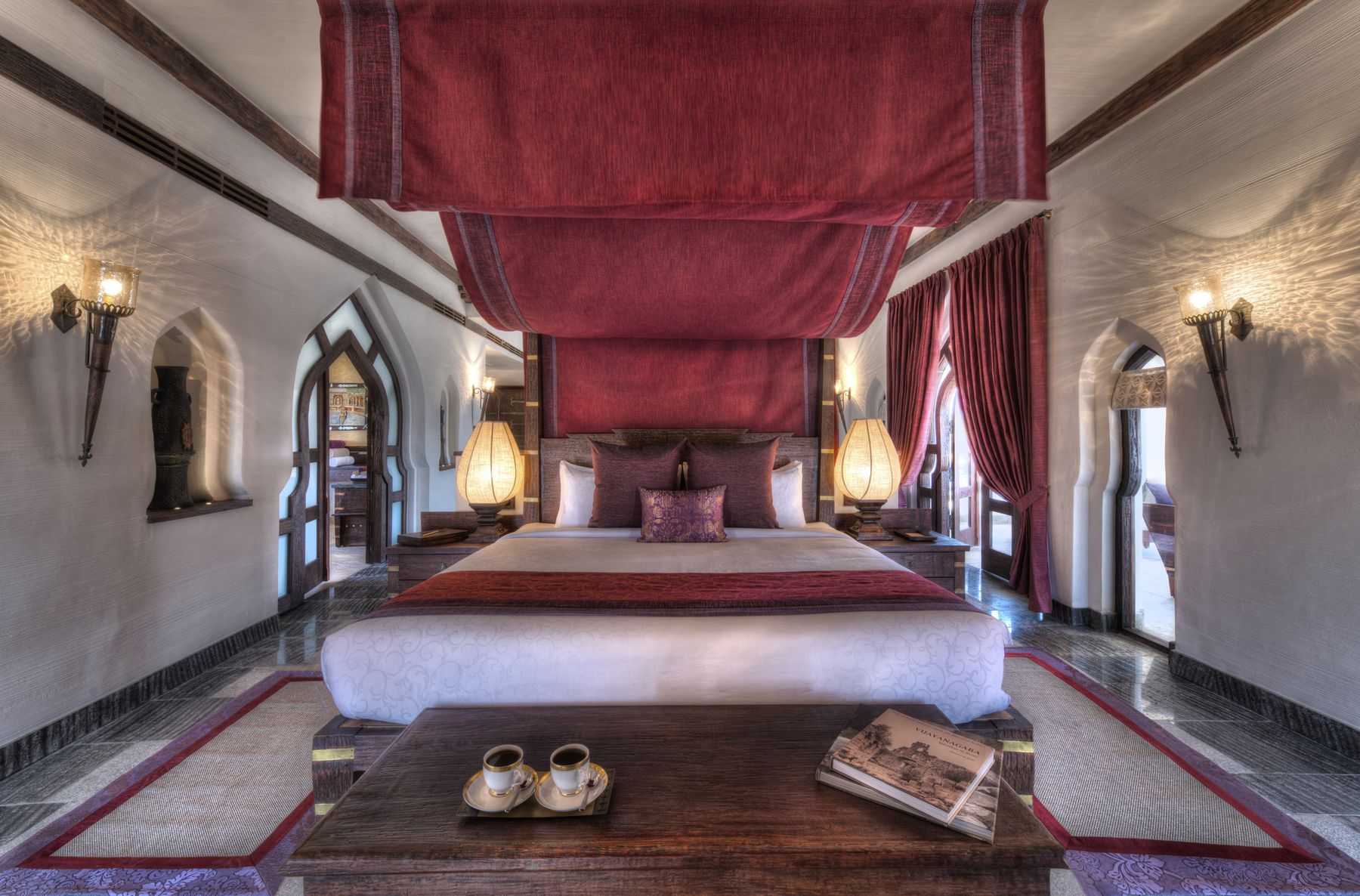
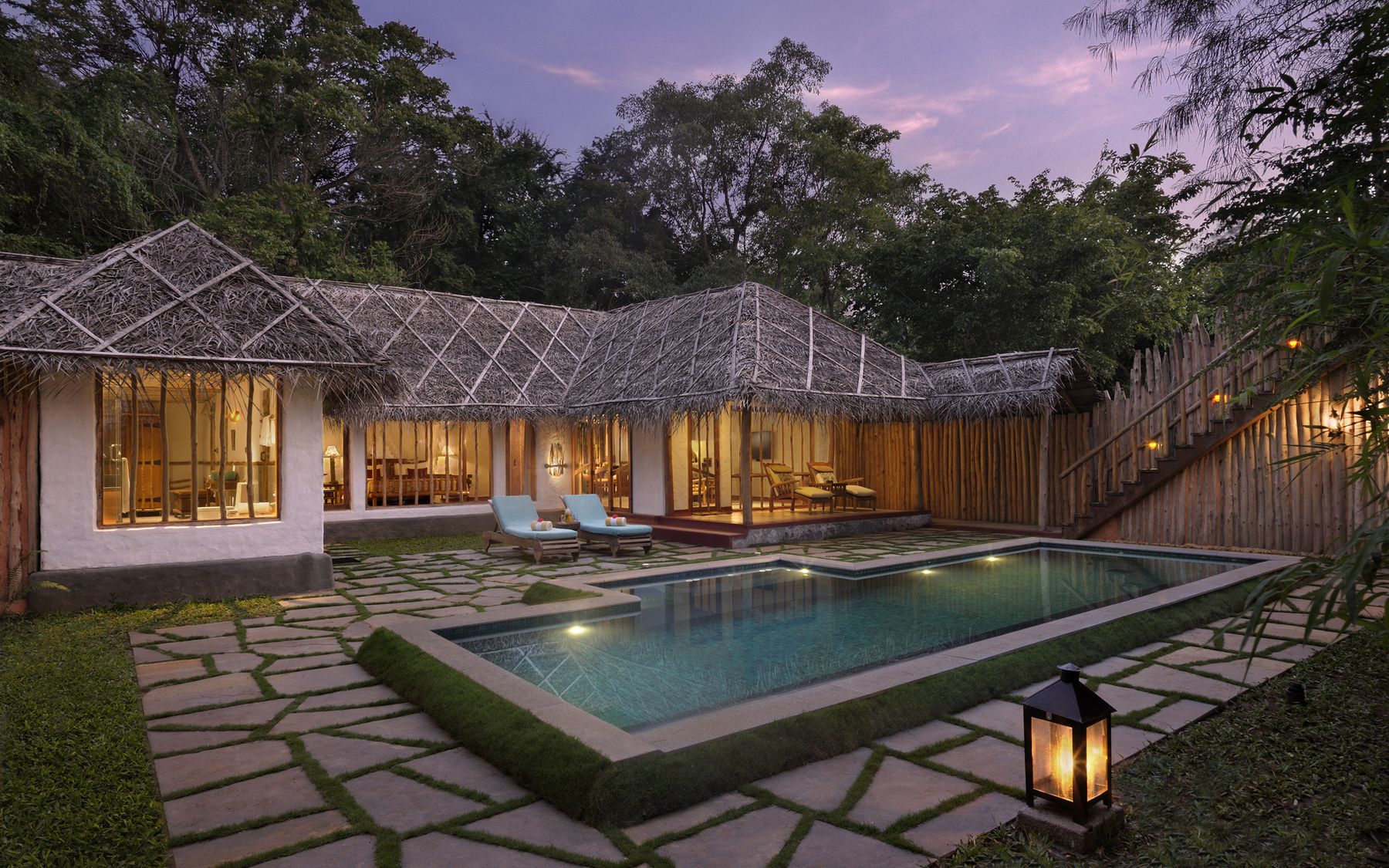
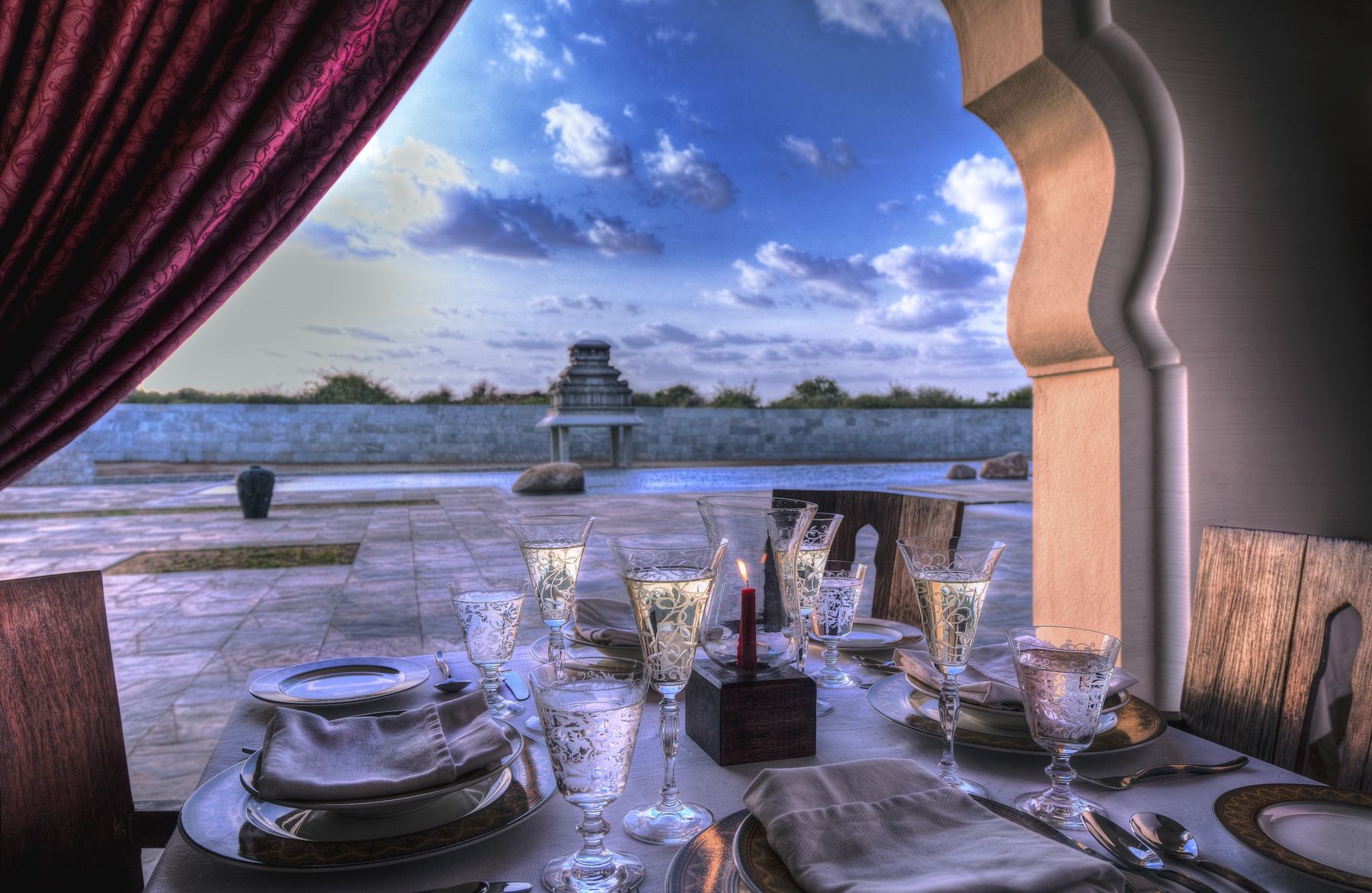
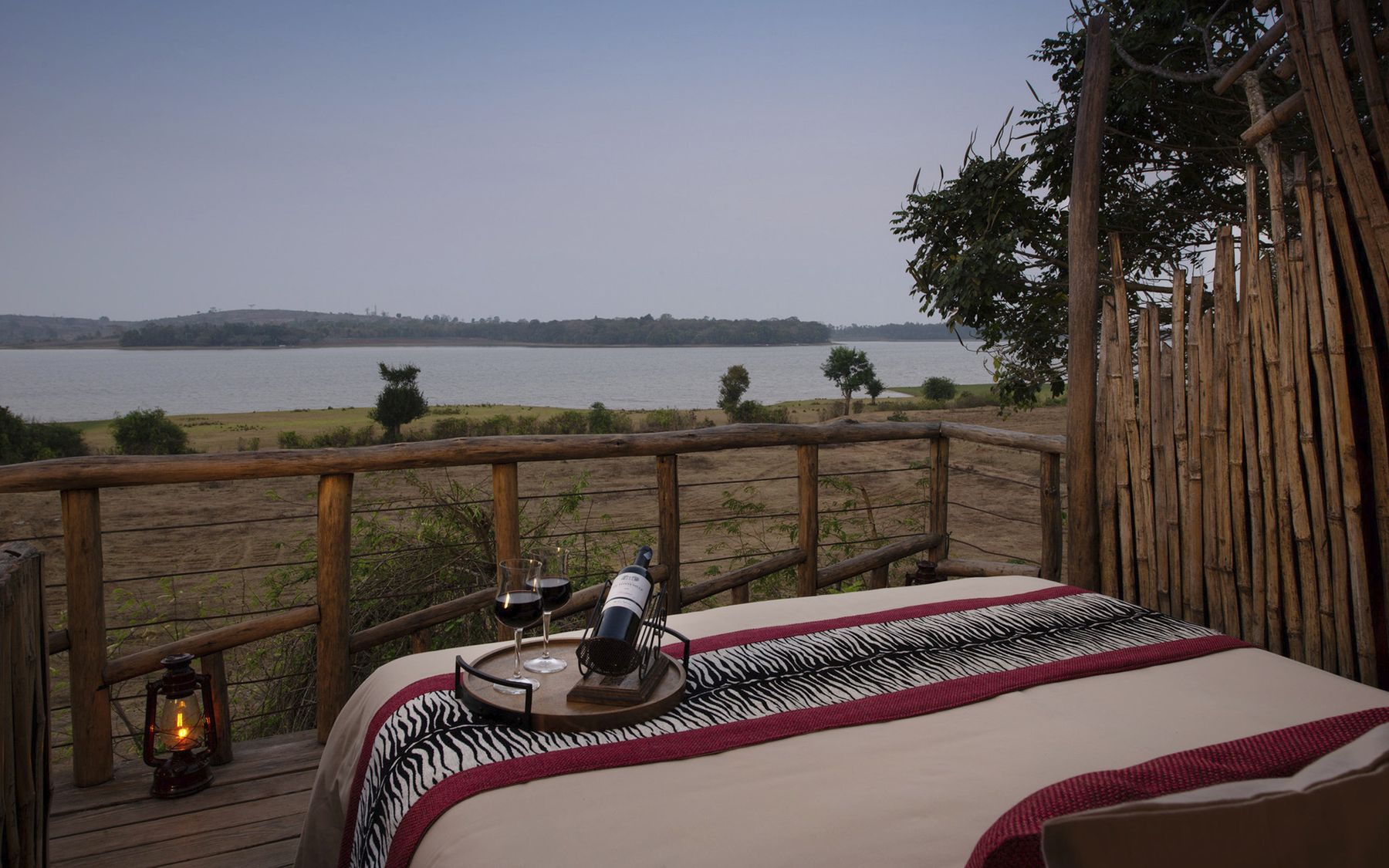
A Western Ghats journey moves between thatched forest cottages and lodges built in the region's own idiom, each chosen for where it sits as much as for how it feels.

These are some of the places we arrange here. Which ones suit you depends on the season and the shape of your journey.

People and place

Life around the wilderness

Man and the BiosphereThe Nilgiri Biosphere Reserve was India's first biosphere reserve under UNESCO's Man and the Biosphere Programme.
Local guidanceIn the evergreen forest of Agumbe and Kudremukh, local guidance decides which trails and zones remain open through the rains.
Conservation

Conservation is part of the journey

Supporting travel into Karnataka's better-protected core reserves directly reinforces the case for keeping this forest intact, rather than allowing further fragmentation of a landscape whose species, in many cases, exist nowhere else to begin with.

Karnataka's Western Ghats reserves collectively protect one of the largest and most varied stretches of this globally significant biodiversity hotspot, and the UNESCO World Heritage status held by Kudremukh and Agumbe reflects a recognition that this forest's value extends well beyond any single park's borders.

The slender loris and flying squirrel populations, dependent on tall, continuous forest canopy, are especially vulnerable to the kind of piecemeal habitat loss that has already isolated species like the Nilgiri tahr and lion-tailed macaque into small, disconnected populations elsewhere in the Ghats.

Both are species that had nowhere else to evolve, and now have nowhere else to survive.

How Safari Vista India supports conservation
Karnataka, Kerala & Tamil Nadu

The Forests and Reserves of the Western Ghats

Karnataka holds the largest and most accessible share of this landscape, and ten of the thirty-nine component sites that make up the Western Ghats' UNESCO World Heritage listing sit within the state — among them Kudremukh National Park and the Agumbe forests, both recognised for the same outstanding, ancient biodiversity that runs the length of this mountain chain.

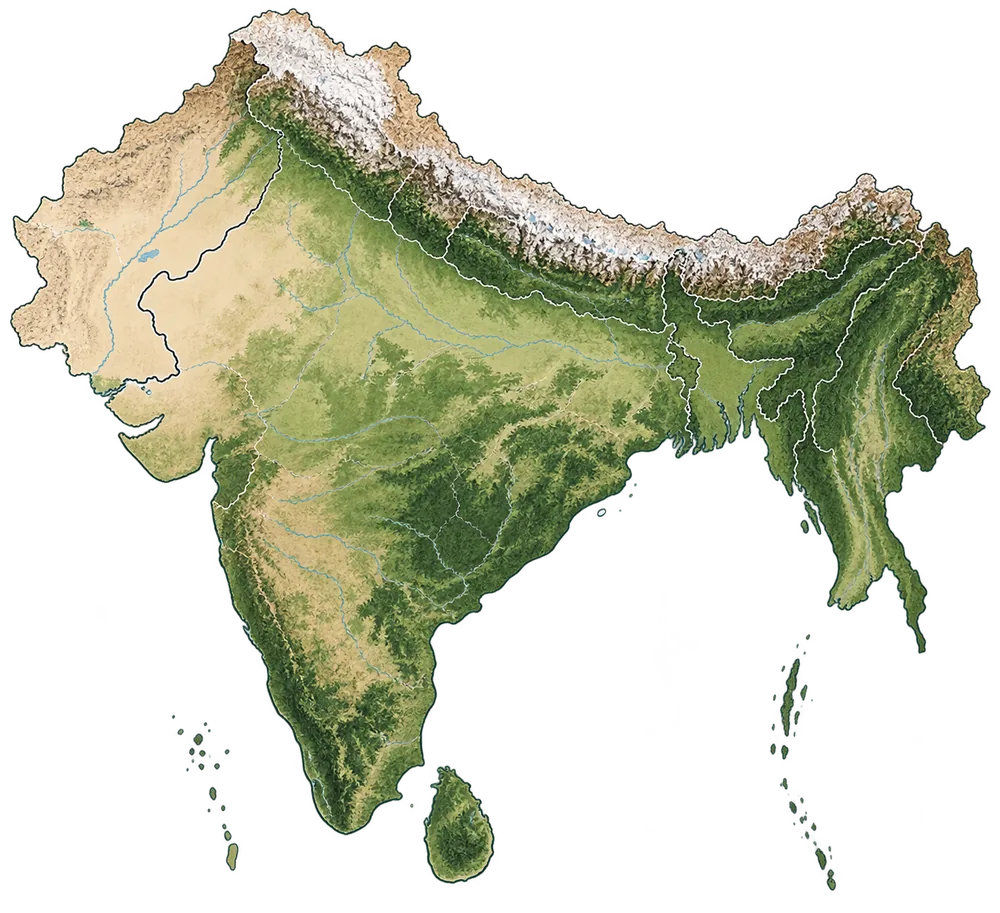
Western Ghats
Where the Western Ghats lies in the Indian subcontinent. Indicative, not to scale.
Journey design

Beyond Karnataka

Karnataka's Western Ghats sit naturally within a broader South India itinerary, and the state's own geography allows for considerable variety within a single trip — dry-forest tiger country at Nagarhole and Bandipur, quieter wilderness at Bhadra, and dense rainforest at Kudremukh and Agumbe, without needing to cross state lines at all.

For travellers with more time, extending south into Kerala and Tamil Nadu adds the high-altitude Nilgiri tahr and lion-tailed macaque habitat, and Periyar's distinct boat-safari experience.

The Safari Vista India Way

The Vista Standard

A journey through Karnataka's Western Ghats rewards a naturalist who treats the forest at multiple scales at once — reading elephant movement around Kabini in the same trip as spotlighting for a slender loris after dark, or knowing exactly which stretch of Agumbe forest gives the best chance of a king cobra sighting.

Built the same way as every Safari Vista India journey: one vehicle, yours alone; a naturalist with genuine depth across this landscape's large mammals and its smaller, stranger residents alike; no fixed departures; and one person responsible for the full arc of the trip.

One vehicle. Yours alone.

For the full length of the journey, with no shared seats.

A naturalist, not a driver-guide.

Someone who has spent years reading this landscape, and teaches you to read it too.

No fixed departures.

You travel when the season and your own calendar suit.

Specialist ground handling.

Reserve permits, night walks and the drive from Kabini to the rainforest arranged so each forest shows its own character.

Conservation, included.

Part of how the journey is designed from the outset, not an add-on at checkout.

One point of contact, throughout.

One person from the first conversation to the last morning in the field.

Practical information

Planning a Western Ghats journey

November – February

Winter

Cool, pleasant (12–28°C); clear skies.

Comfortable game drives; strong general birding.

Best for First-time visitors, general wildlife viewing.

March – May

Summer

Warming steadily (20–35°C); water sources shrinking.

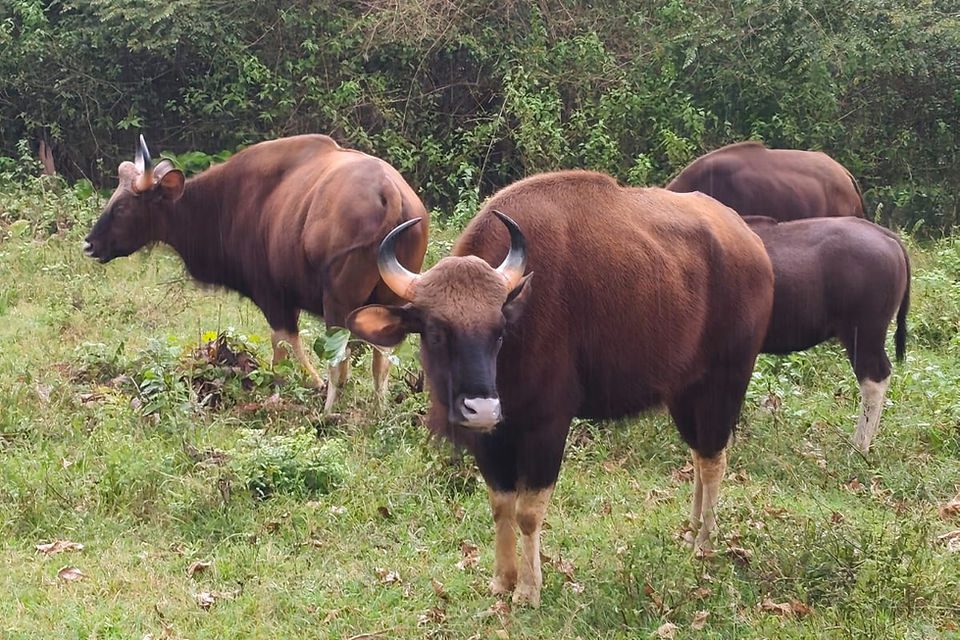
Elephant and gaur concentrate strongly around Kabini and Bhadra's reservoirs.

Best for Elephant and tiger sightings at Nagarhole-Bandipur-Bhadra.

June – September

Monsoon

Heavy, sustained rainfall, especially at Agumbe and Kudremukh.

Purple frog breeding emergence; king cobra activity increases at Agumbe; forest at its most lush.

Best for Specialist herpetologists and botanists.

October

Post-Monsoon

Rainfall easing; landscape at its greenest.

Waterfalls full; wildlife dispersed through refreshed forest.

Best for Photographers wanting a lush, green landscape.

When to go

Karnataka's drier reserves — Nagarhole, Bandipur, Bhadra — generally remain open through the monsoon, while Agumbe and Kudremukh's evergreen forest receives considerably heavier rainfall and is best visited with local guidance on which trails and zones remain accessible.

Time to give the landscape

A focused visit to Nagarhole and Bandipur, built around the Kabini backwaters, delivers strong wildlife viewing in four to five days. Adding Bhadra for a quieter tiger-reserve experience, or Kudremukh and Agumbe for rainforest trekking and herpetology, extends a Karnataka-focused journey to eight or nine days and gives a far more complete picture of how dramatically this single mountain range changes character across a relatively short distance.

Questions

Questions about the Western Ghats

The Ghats are considerably older than the Himalaya, and tens of millions of years of stability let species evolve in place. The result is a level of endemism found nowhere else in India: within a narrow band of hill and rainforest live more than 30 percent of the country's plant and animal species, many of which exist nowhere else on Earth. Read more

The Nilgiri tahr, a sure-footed mountain goat found only on these slopes, lives in the Ghats' southern reaches in Kerala and Tamil Nadu. Its stronghold is the high-altitude grassland around Munnar and Eravikulam. Including it means extending a Karnataka journey south, which also brings in lion-tailed macaque habitat and Periyar's boat safari. Read more

Yes. The Nagarhole and Bandipur landscape, centred on the Kabini backwaters, holds one of India's densest and most reliable populations of both. As the dry season advances and forest water shrinks, wildlife concentrates at the reservoir's edge. Bhadra Tiger Reserve offers the same ecosystem with a healthy tiger and elephant population and far fewer vehicles. Read more

The slender loris is a small, wide-eyed nocturnal primate, and its reddish-brown subspecies is restricted to the wetter western slopes of Karnataka, Kerala and Tamil Nadu. It is generally found only with a spotlight after dark, with a naturalist who knows exactly where to look. The large brown flying squirrel likewise needs a deliberate night search. Read more

At Kudremukh and Agumbe, in Karnataka's central Ghats, the forest is dense, wet evergreen rainforest with UNESCO-recognised biodiversity. It suits trekking, birding and herpetology rather than a conventional jeep safari: Malabar trogon and grey hornbill in the canopy, and at Agumbe one of India's most reliable sites for the king cobra and the Malabar pit viper. Read more

November to February is cool and comfortable, with strong general birding, and suits first-time visitors. From March to May, as water sources shrink, elephant and gaur concentrate around the Kabini and Bhadra reservoirs. The monsoon from June to September suits specialist herpetologists and botanists, and October brings the greenest landscape and full waterfalls. Read more

A focused visit to Nagarhole and Bandipur, built around the Kabini backwaters, gives strong wildlife viewing in four to five days. Adding Bhadra, or Kudremukh and Agumbe for rainforest trekking and herpetology, extends a Karnataka journey to eight or nine days and shows how dramatically this single range changes over a short distance. Read more

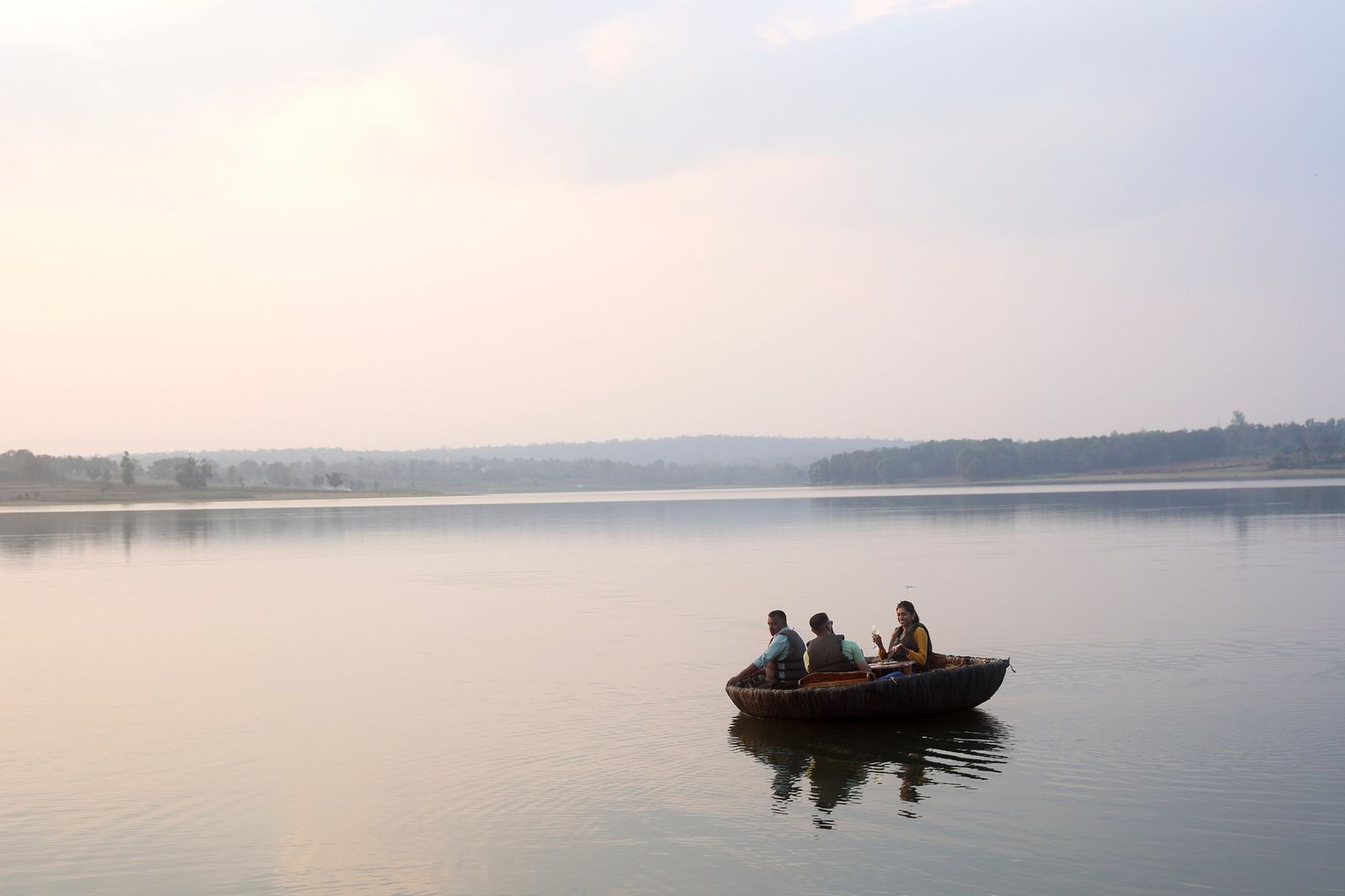
A coracle crossing calm water at duskPhoto: Evolve Back

If this is the India you want to understand — older, wetter, and layered with species found nowhere else on the planet — the right next step is a conversation.

Begin Your Journey

Tell us how you want to experience India, and we will design the journey around you.