Plan Your Journey
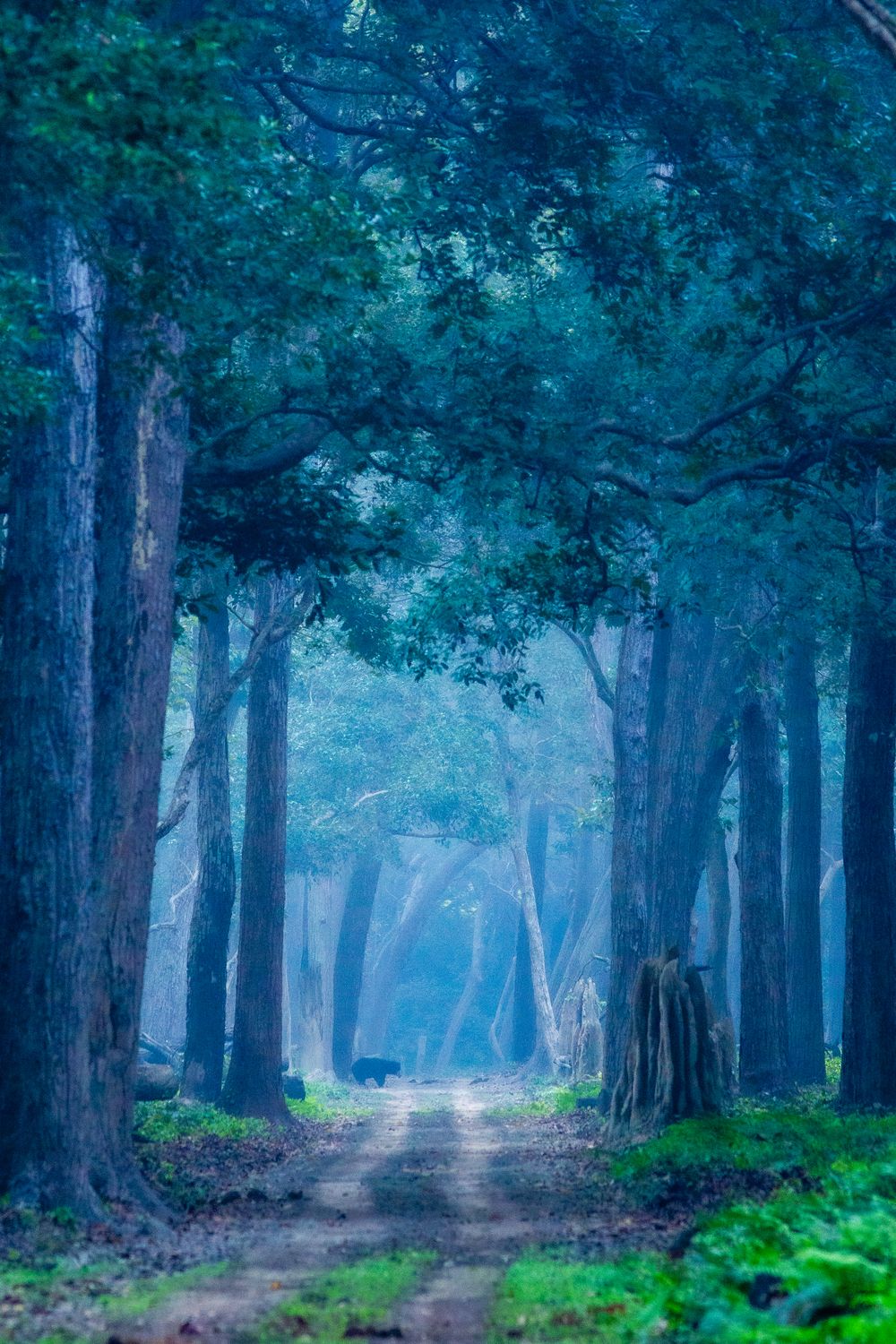
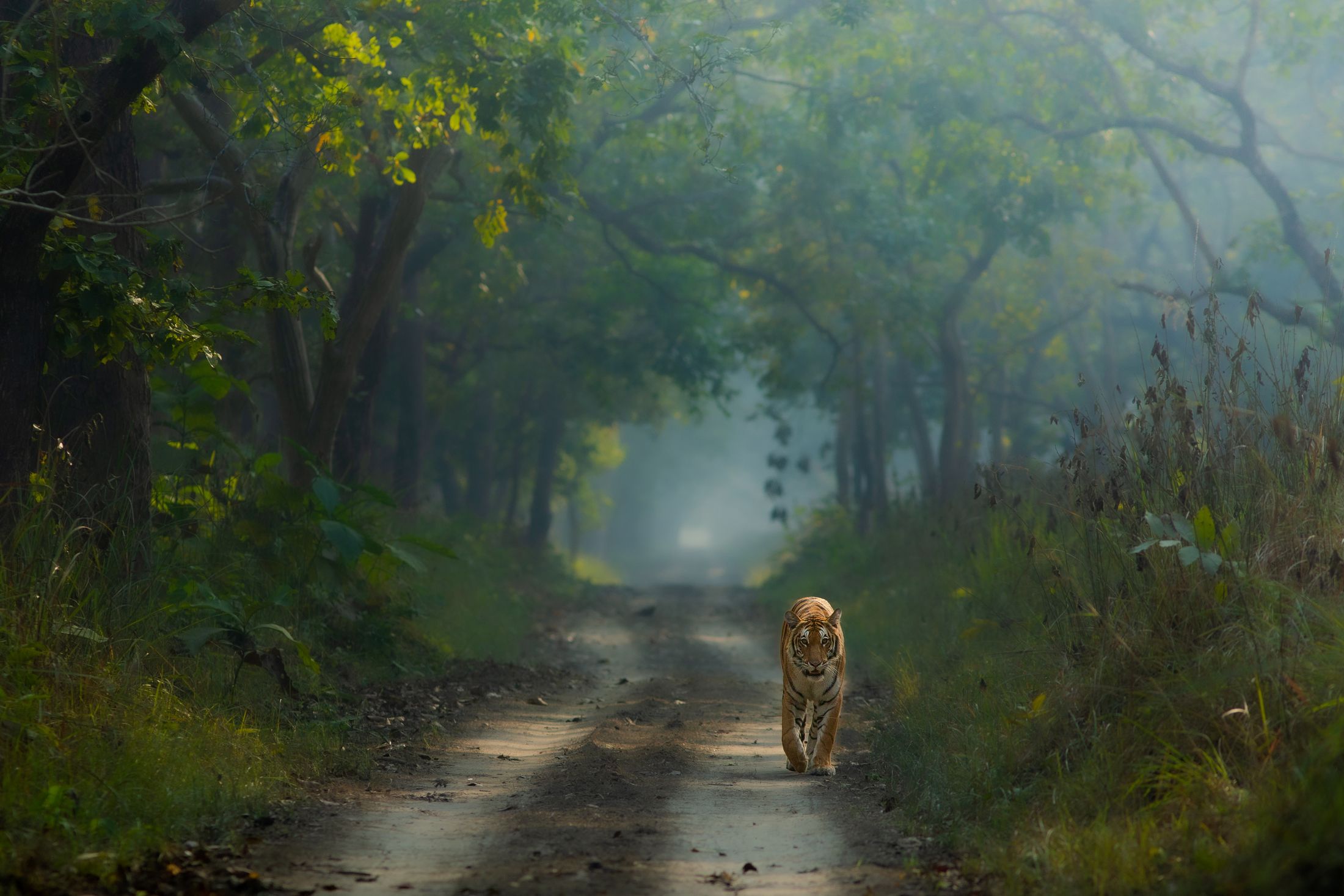
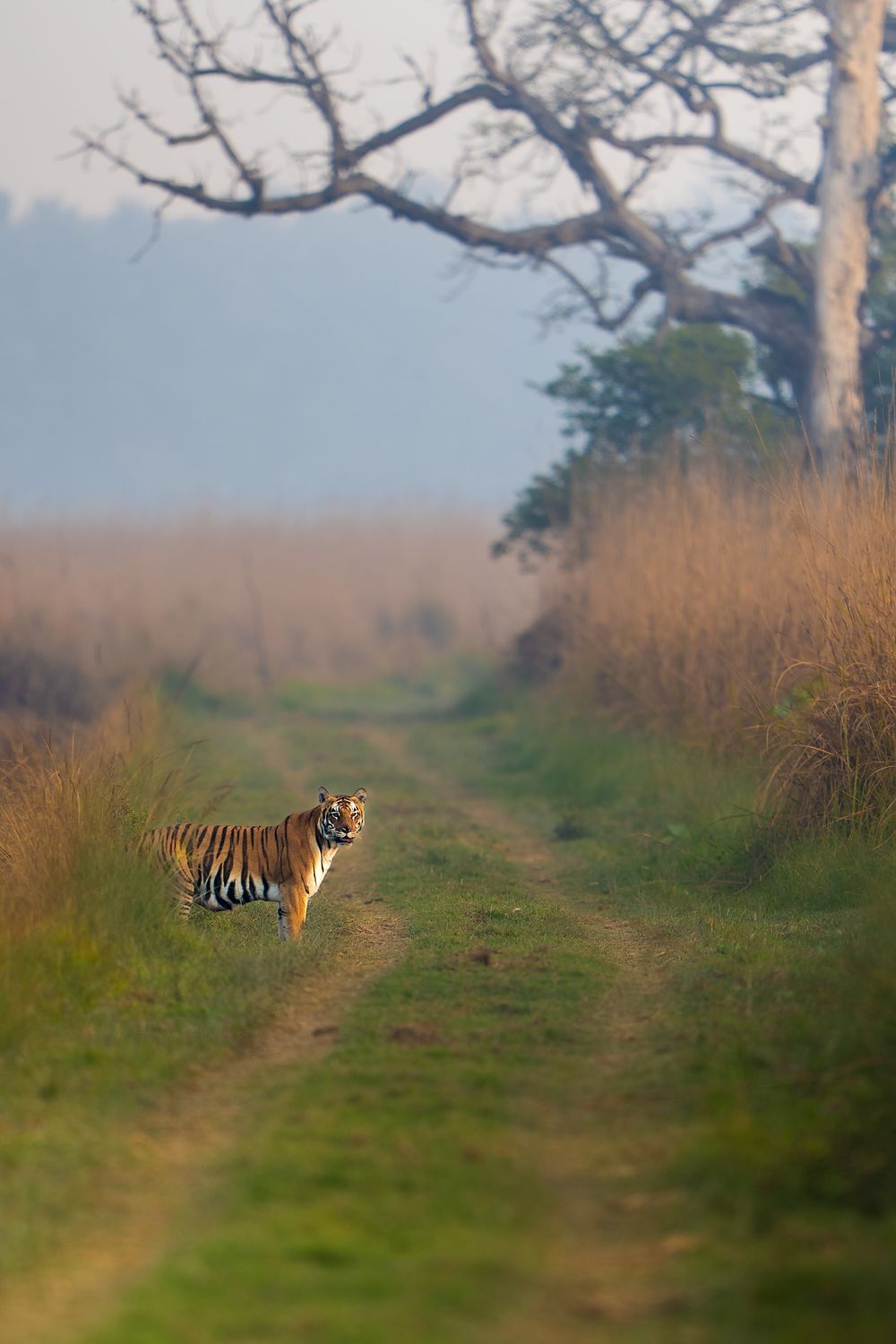
A tiger on a misty forest track at first light

Home / Journeys / Wilderness on Foot — Nepal

Nepal

Wilderness on Foot — Nepal

Nepal's Walking Safari Country

Private journeys on foot beside a trained naturalist through sal forest and elephant grass in Nepal's Terai: rhino at Chitwan, tiger tracking at Bardia and the great barasingha herds of Shuklaphanta.

Begin Your Journey

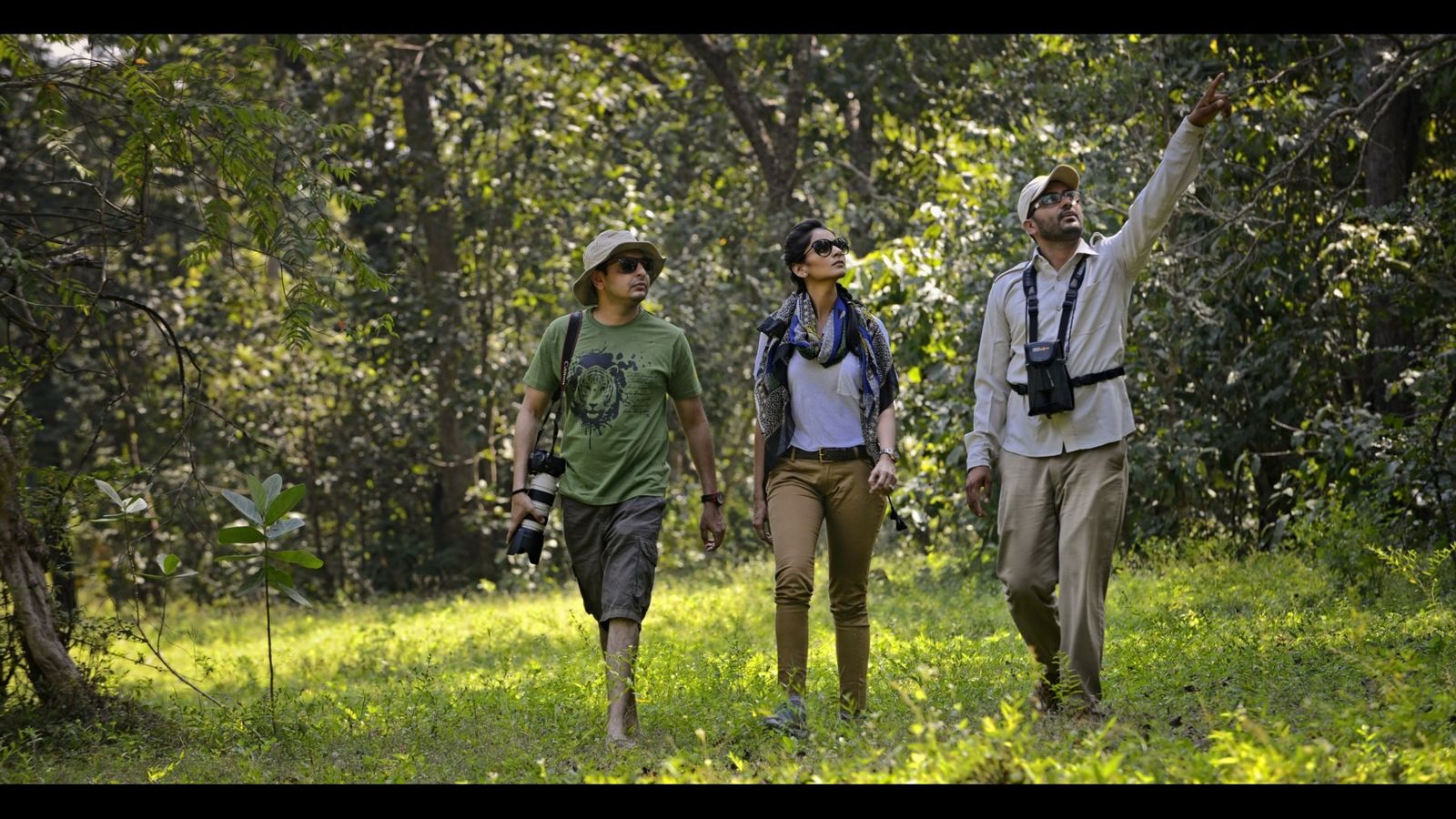
This is rhino, tiger and swamp deer country approached at a different pace entirely — on foot, beside a trained naturalist, through grass tall enough to hide the animal you are tracking until you are considerably closer to it than a vehicle would ever allow.

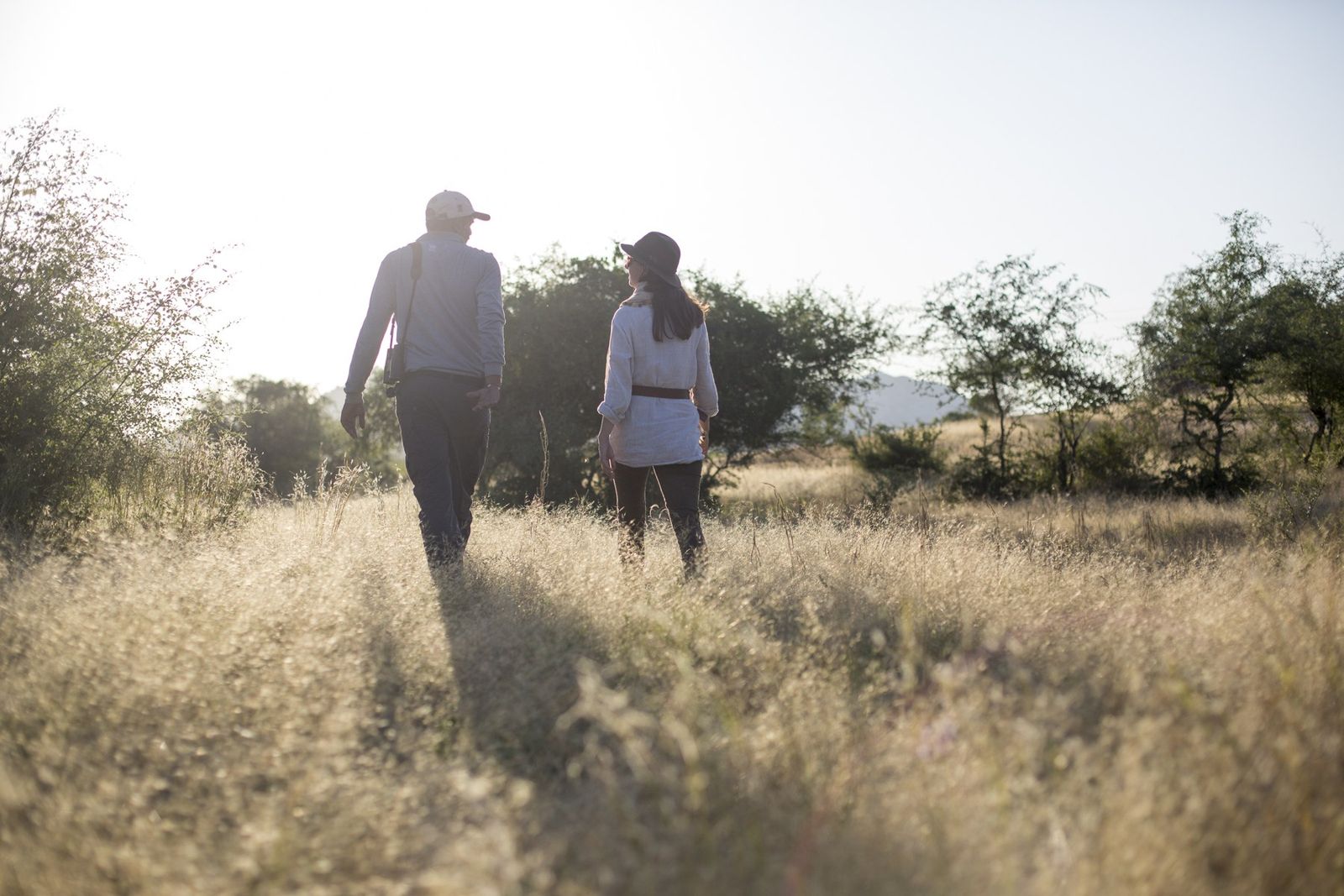
Two people walking through tall dry grass in early lightPhoto: SUJÁN
Nepal's Terai

Walking as a central way of seeing

In the subtropical lowlands of Nepal’s inner and far-western Terai, three national parks protect a landscape of sal forest, tall elephant grass and braided river channels descending from the Himalaya — and offer something genuinely distinct in how that landscape is explored.

Chitwan, Bardia and Shuklaphanta are built around walking as a legitimate, central way of encountering wildlife, alongside jeep and canoe, rather than treating it as a novelty activity on the margins of a conventional vehicle-based safari.

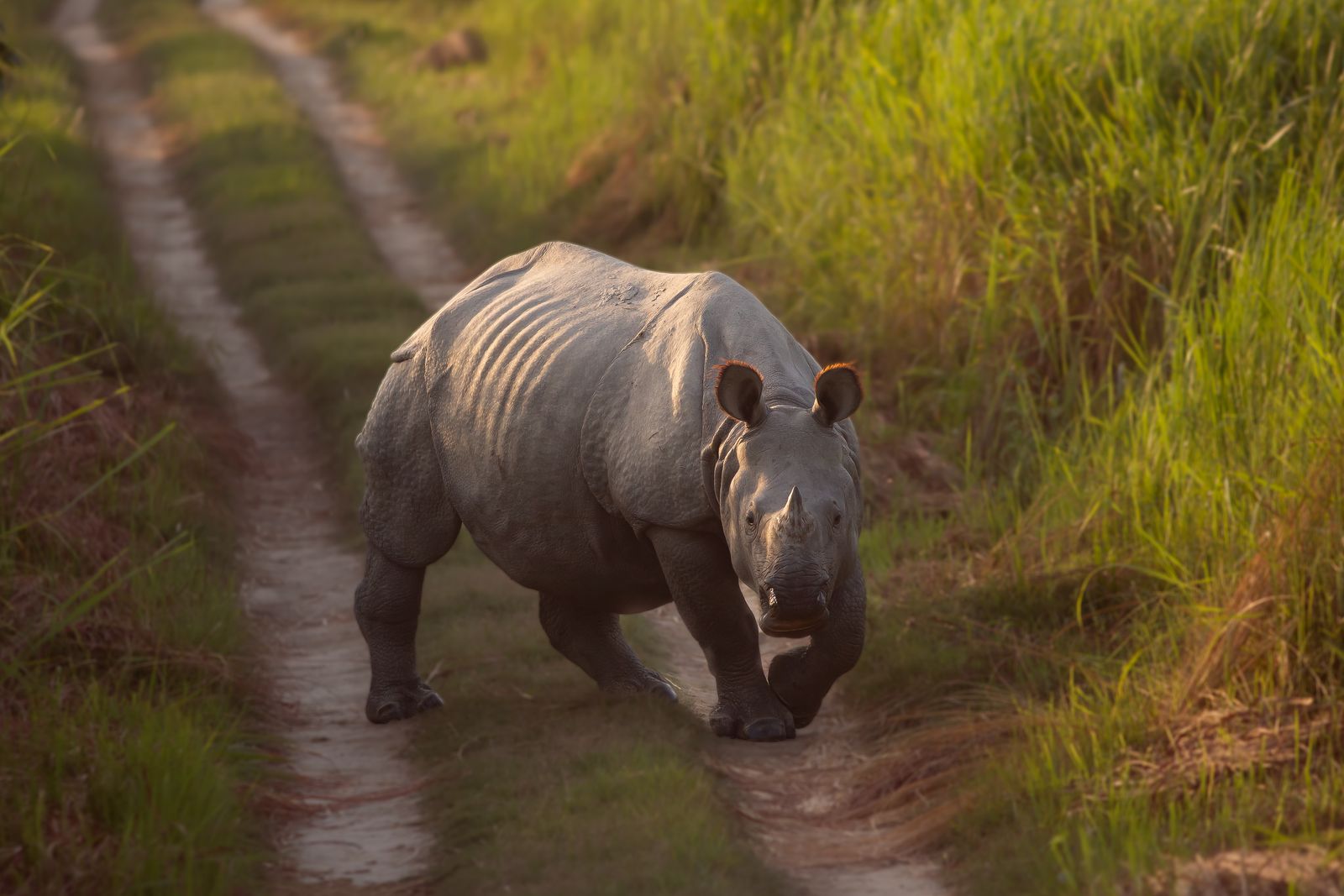
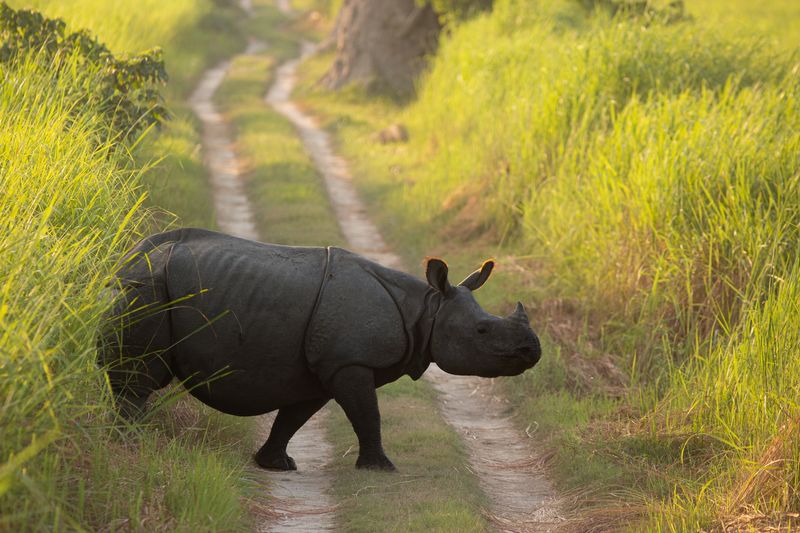
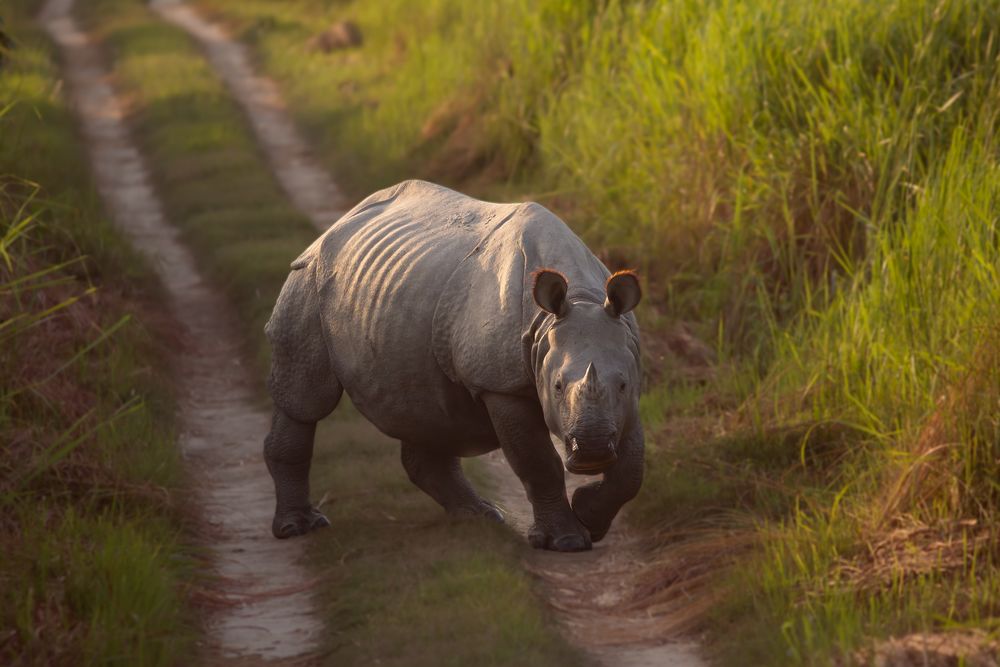
A rhinoceros crossing a track through tall grass
The landscape

Three parks along the foothills

Chitwan, Nepal’s first national park and a UNESCO World Heritage Site, sits in the inner Terai roughly 160 kilometres south of Kathmandu, its nearly 1,000 square kilometres covered largely by sal forest interspersed with riverine grassland along the Rapti, Reu and Narayani rivers.

Bardia, considerably further west and reached via a short flight to Nepalgunj, protects the largest and least-disturbed stretch of Terai wilderness remaining anywhere in Nepal, its sal forest and open grassland cut through by the Karnali River as it descends from the mountains. Shuklaphanta, further west again in the far corner of Nepal’s Kanchanpur district, bordered by the Mahakali River that forms the country’s western frontier with India, protects a different kind of terrain entirely: a vast, continuous grassland — among the largest in all of Asia — occupying roughly a third of the park, with mature sal forest covering most of the remainder.

One ecology, three characters

Each park with its own character

All three share the same essential Terai ecology found along this Himalayan foothill belt, but each has developed its own distinct character: Chitwan as the most visited and infrastructure-rich, Bardia as the wilder, tiger-focused middle ground, and Shuklaphanta as the quietest and least-discovered of the three, still largely unknown even to many travellers who have already visited Nepal’s more famous parks.

Encounters

The wildlife of Nepal

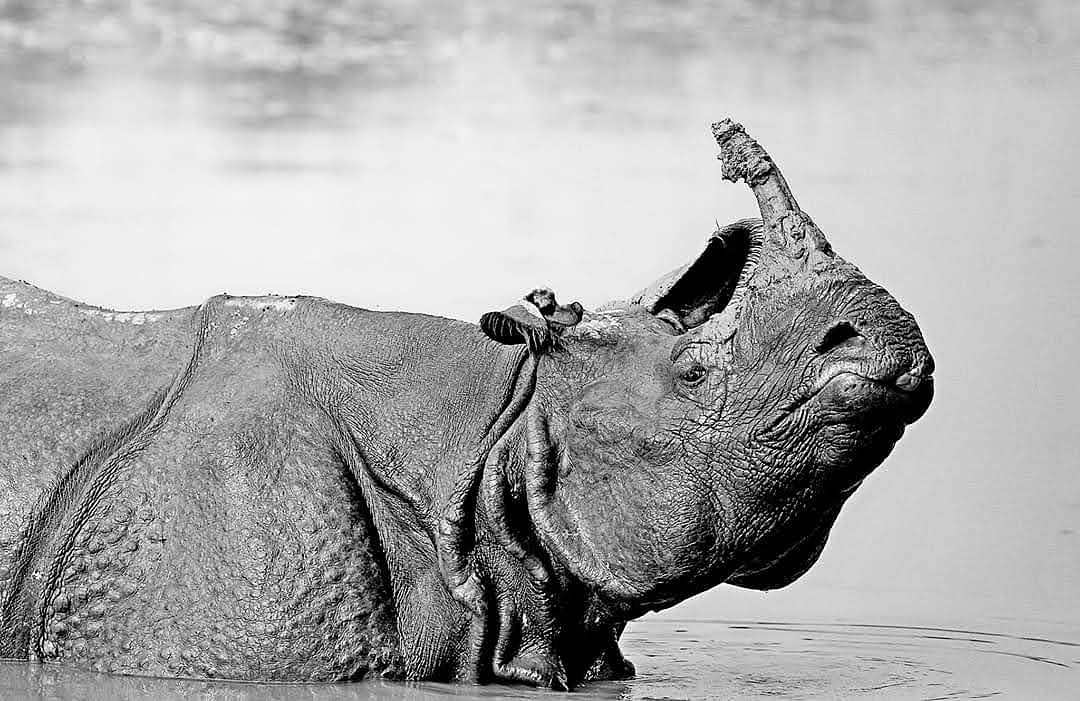
A greater one-horned rhinoceros in grassland
Greater one-horned rhinoceros · Chitwan

A source population for other parks

Chitwan’s conservation story centres on the greater one-horned rhinoceros, and it is among the more successful rhino recovery efforts anywhere in Asia — a population rebuilt through decades of dedicated protection to the point where Chitwan has become a source population for rhino translocations to other parks, including Bardia.

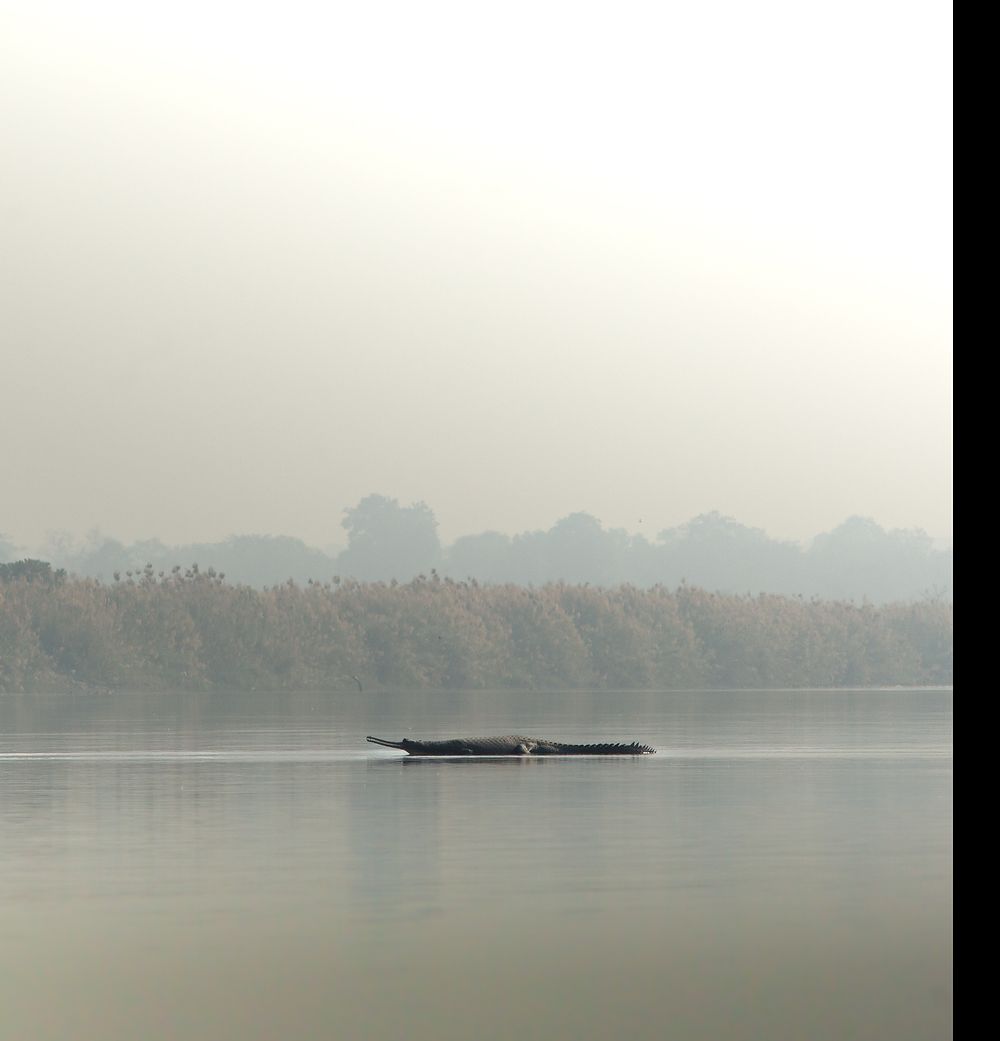
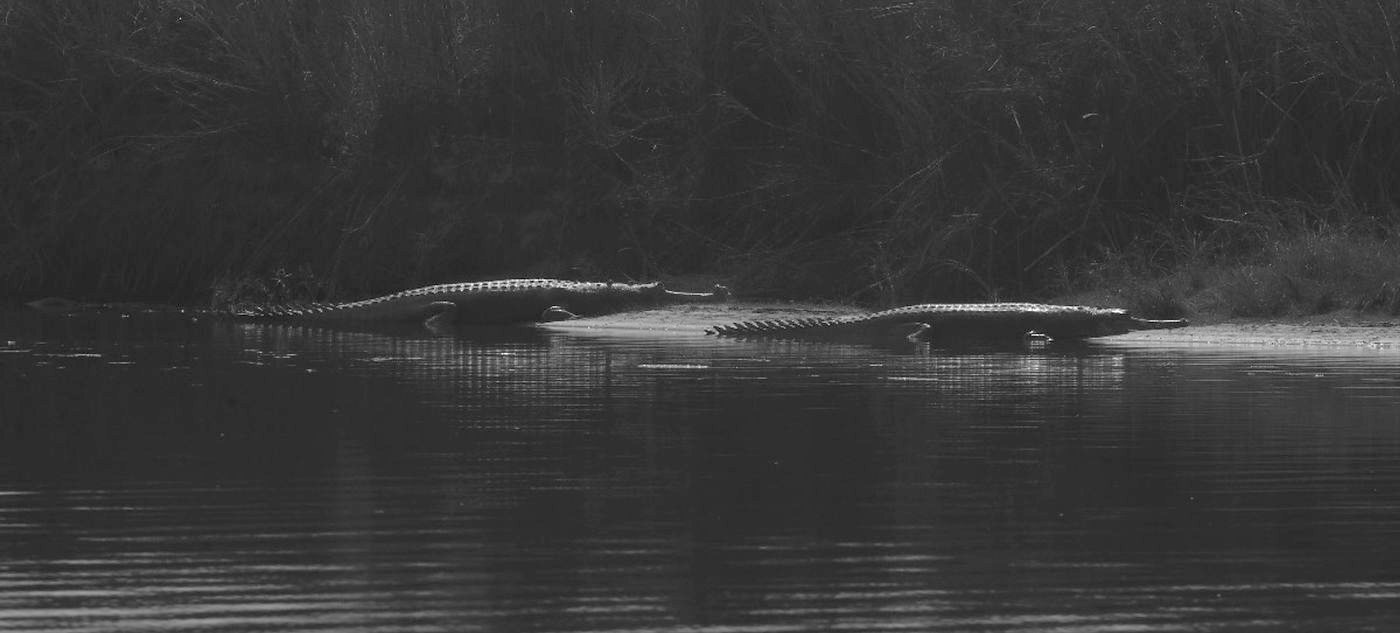
Chitwan’s forest also holds Royal Bengal tiger, Asian elephant, gaur — the world’s largest wild cattle — sloth bear, and a healthy population of gharial, protected in part through an active breeding and release programme on the Rapti River that now shelters roughly a quarter of the species’ entire remaining wild population.
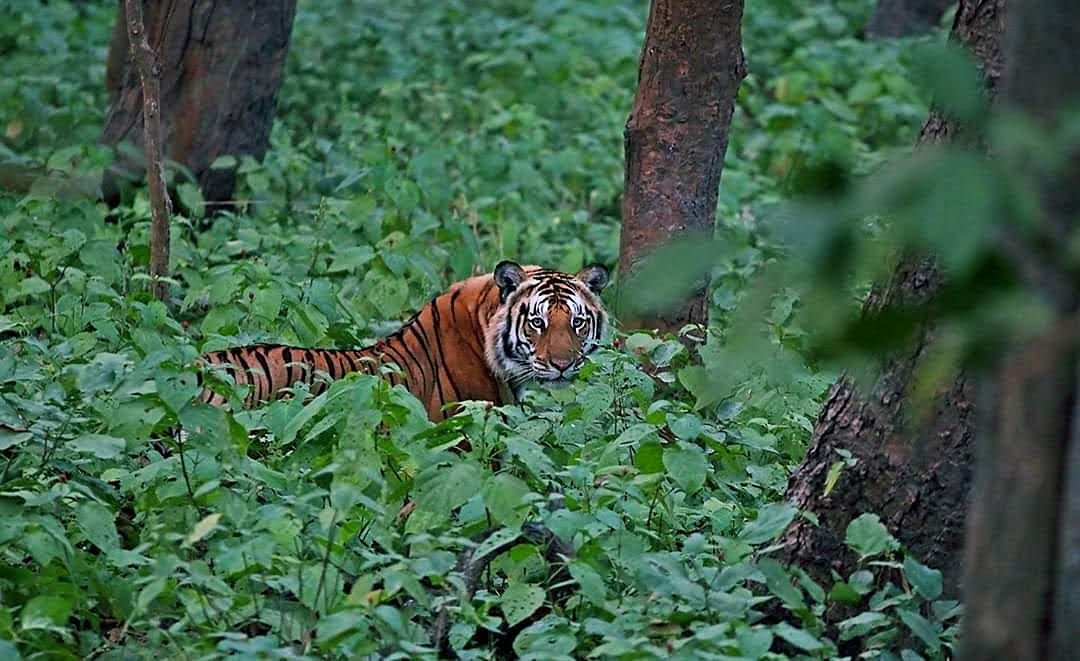
A tiger half hidden in forest undergrowth
Tiger · Bardia

Tracking over several days

Bardia has built its reputation specifically around tiger viewing, its lower visitor numbers and larger, less fragmented habitat giving it a genuine edge for sustained tracking over several days, while wild elephant herds, increasingly recorded in recent years, add a further dimension, and the Karnali River holds a resident population of the Gangetic dolphin.

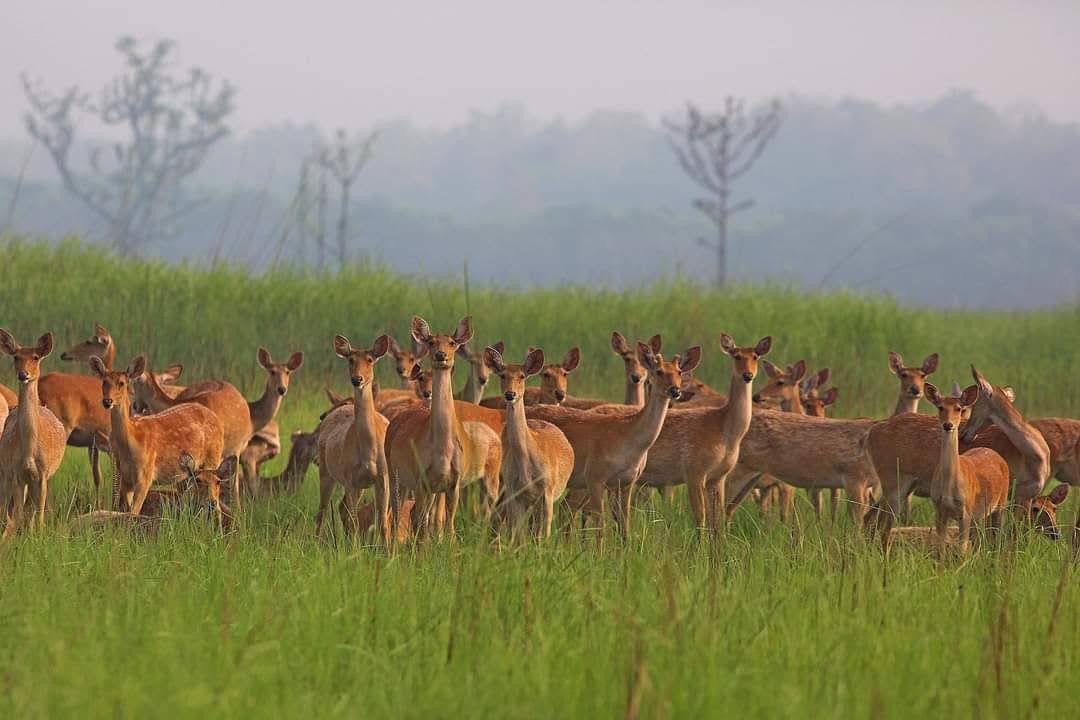
A herd of swamp deer standing alert in tall grass
Barasingha · Shuklaphanta

Herds by the hundreds

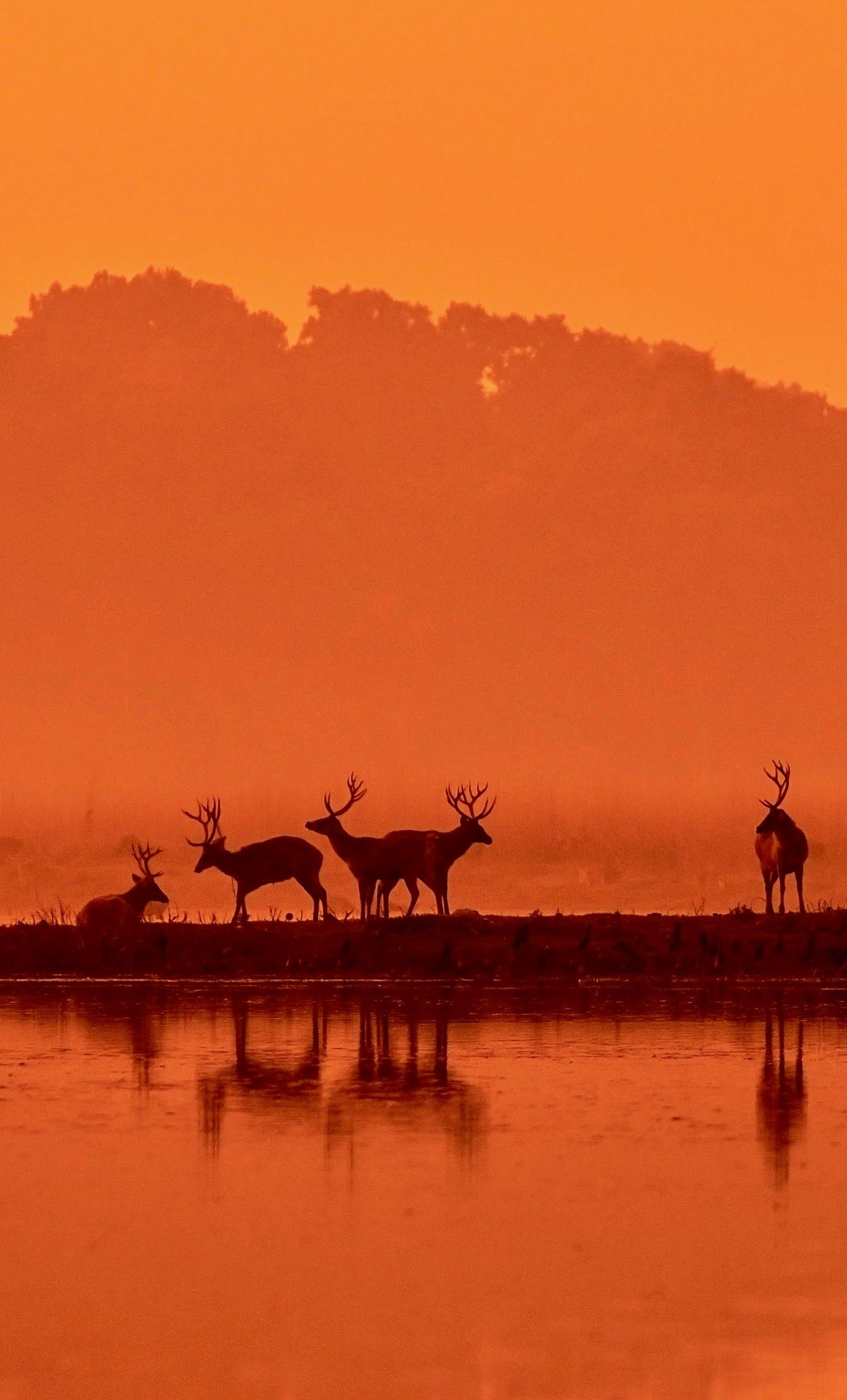
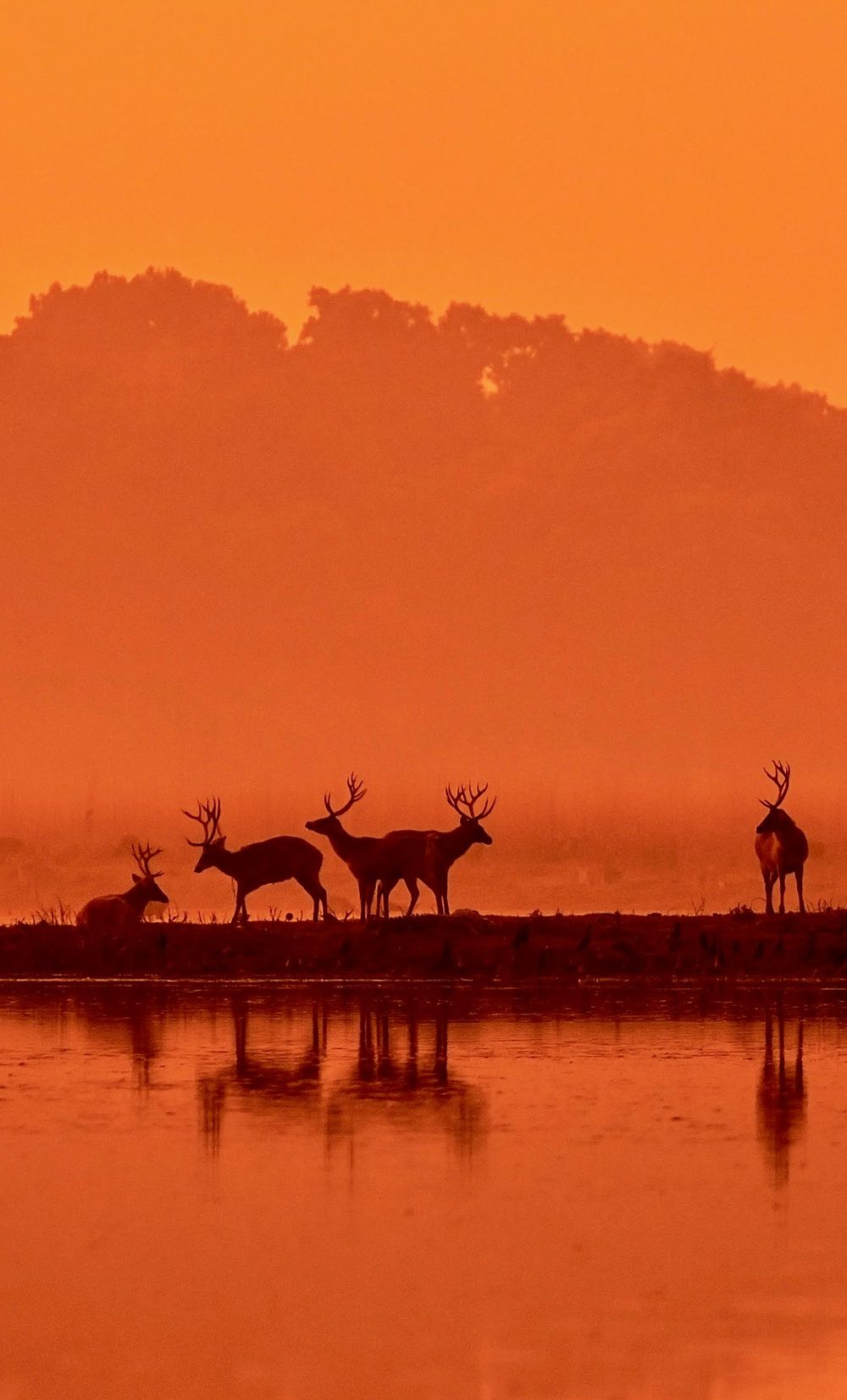
Shuklaphanta, meanwhile, holds something found nowhere else on Earth in this concentration: the largest herds of swamp deer, or barasingha, found anywhere in the world, congregating by the hundreds across the park’s open grassland in a spectacle genuinely unmatched elsewhere in the species’ range.

The same grassland and forest mosaic supports Bengal tiger, Asian elephant, leopard and marsh mugger crocodile along the Mahakali’s banks, in a landscape so lightly visited that sightings here carry a sense of discovery considerably harder to find in Nepal’s more established parks.

Birdlife

The Birdlife of Nepal

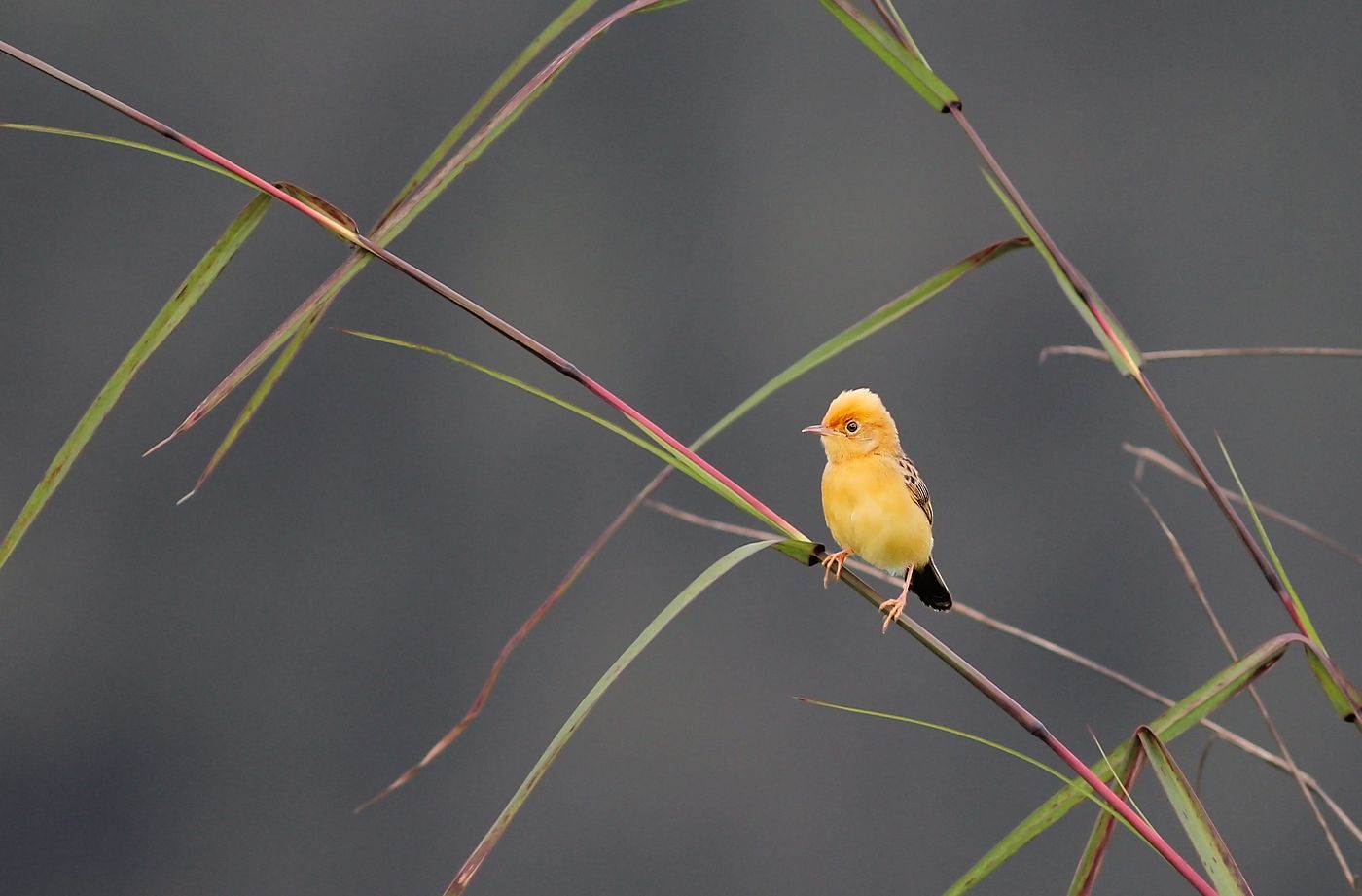
Chitwan alone has recorded more than 500 bird species, a figure that places it among the richest birding destinations anywhere in South Asia.

Experiences

Ways to experience Nepal

The case for Nepal

What sets Nepal apart

Walking at the centre

Walking is a legitimate, central way of encountering wildlife here, not a novelty on the margins of a vehicle safari.

The largest barasingha herds

Shuklaphanta holds the largest herds of swamp deer found anywhere in the world.

A rhino source population

Chitwan's rhino recovery is robust enough that the park supplies rhinos to establish groups elsewhere, including Bardia.

A stronghold for gharial

The Rapti shelters roughly a quarter of the gharial's entire remaining wild population.
Over 500 bird species

Chitwan alone has recorded more than 500 bird species, among the richest birding anywhere in South Asia.

The least-disturbed Terai

Bardia protects the largest and least-disturbed stretch of Terai wilderness remaining in Nepal.

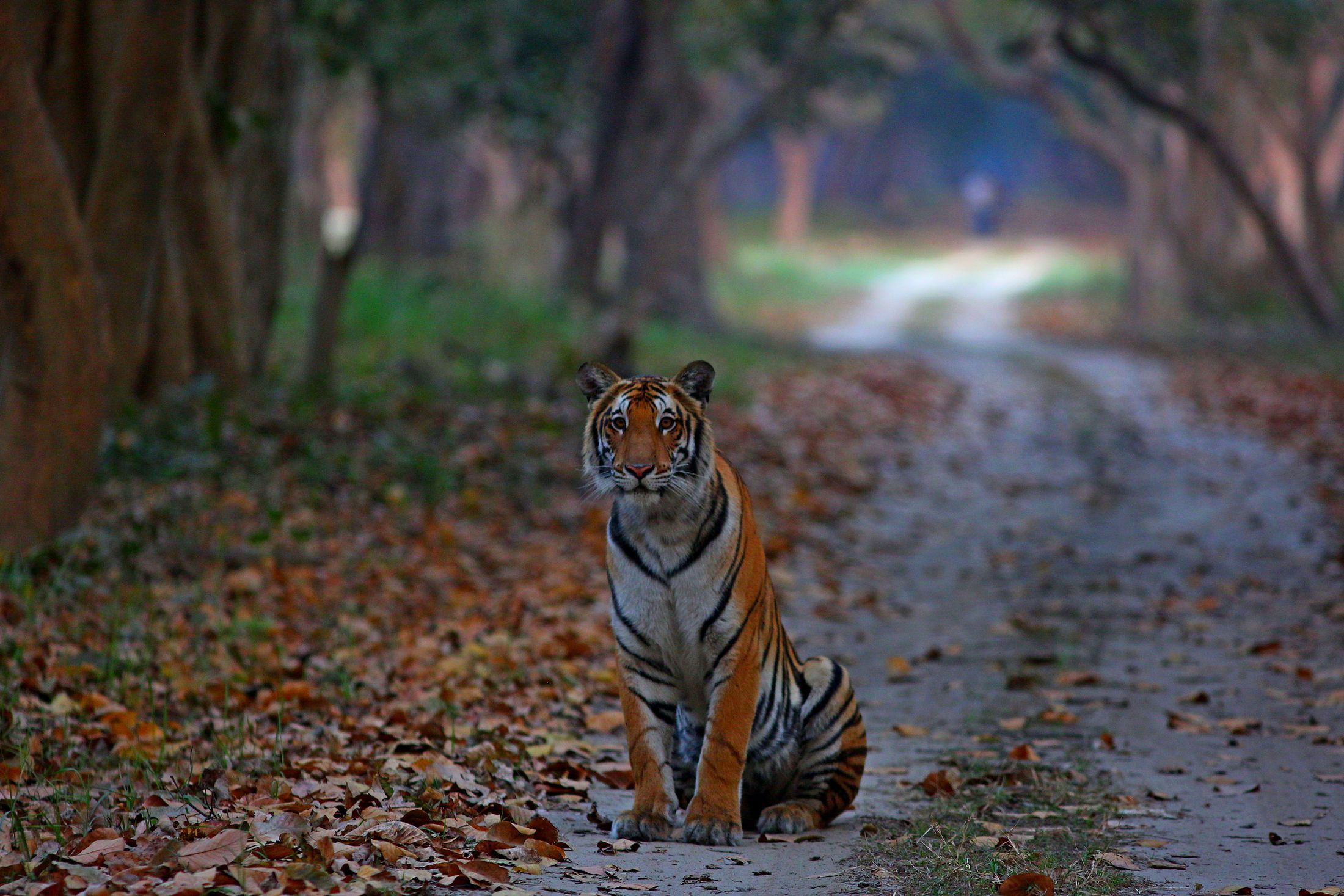
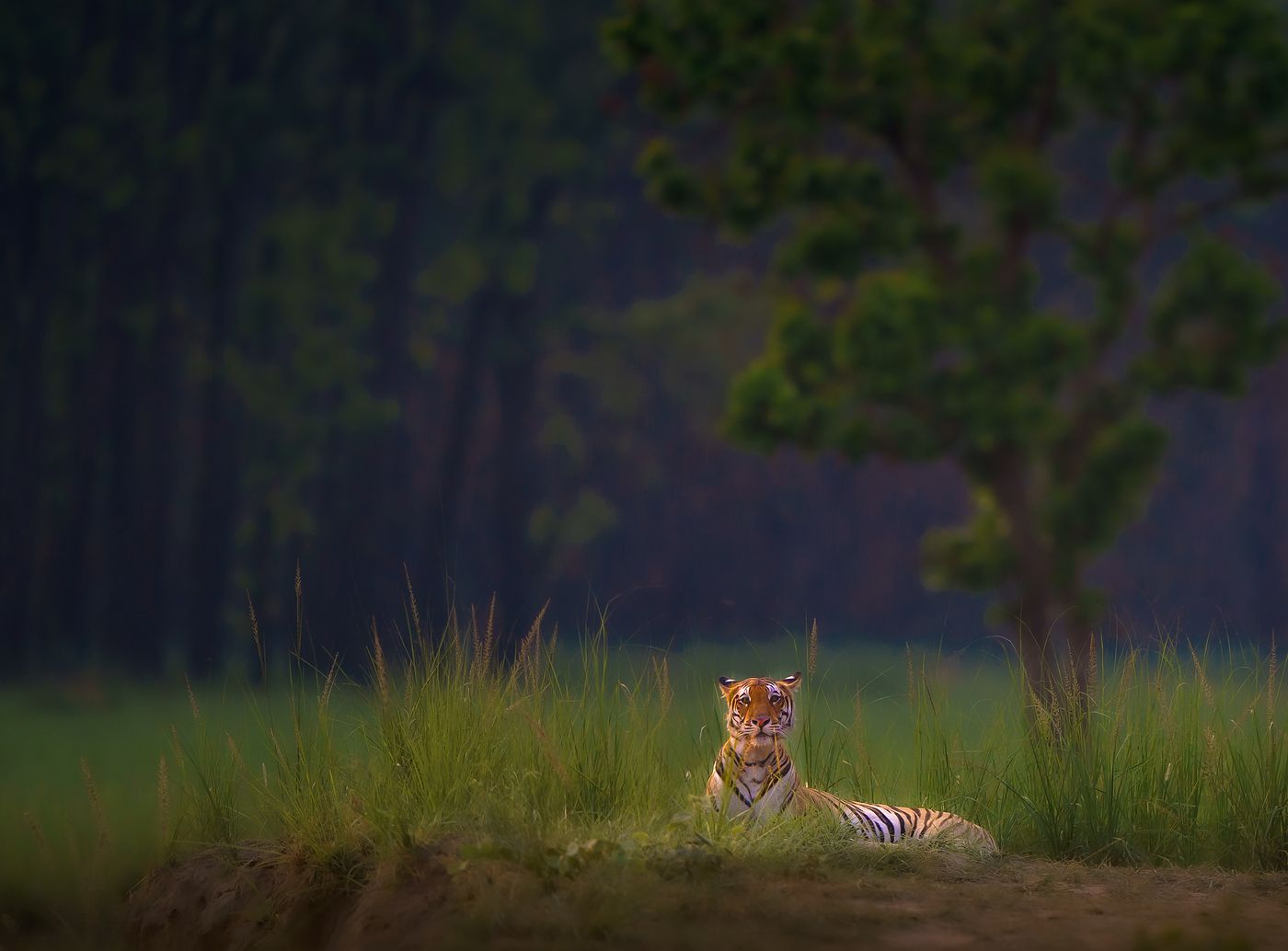
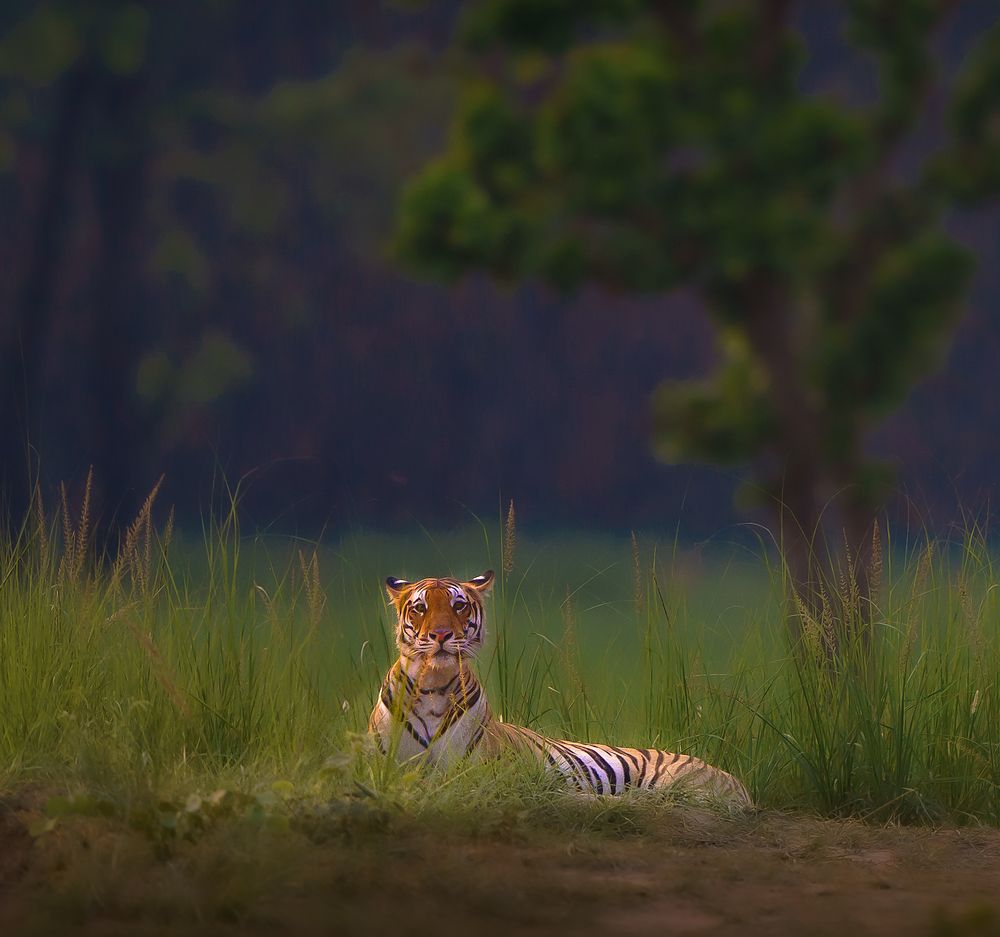
A tiger sitting on a leaf-strewn forest road in late light
People and place

Life around the wilderness

TharuA visit to Chitwan can combine walking, jeep and canoe safari with time in a Tharu village.
Community homestaysAt Shuklaphanta, accommodation is limited to a handful of jungle camps and community homestays near the entrance.
Sauraha and ThakurdwaraChitwan centres on the village of Sauraha, and Bardia on the smaller village of Thakurdwara.
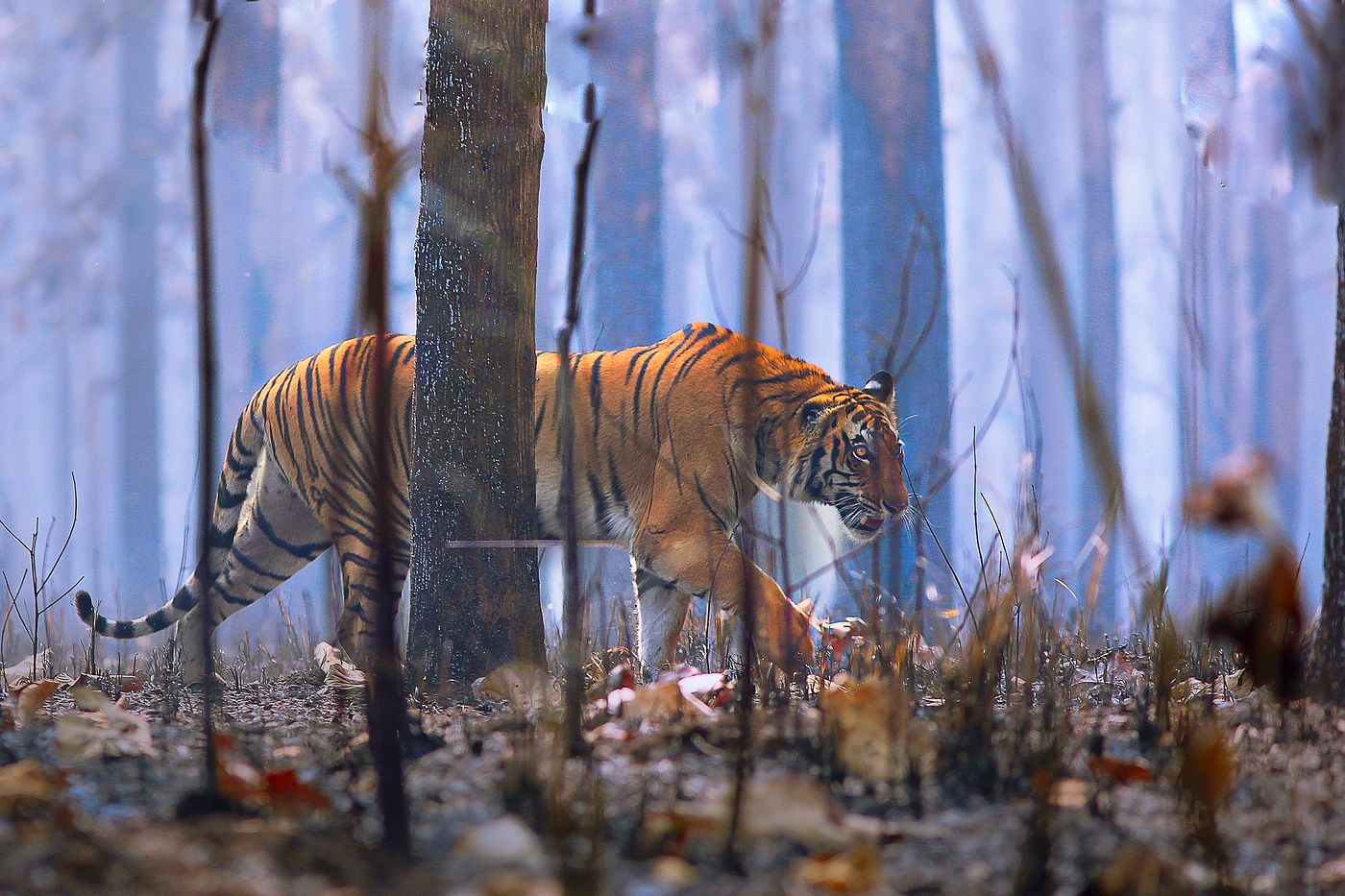
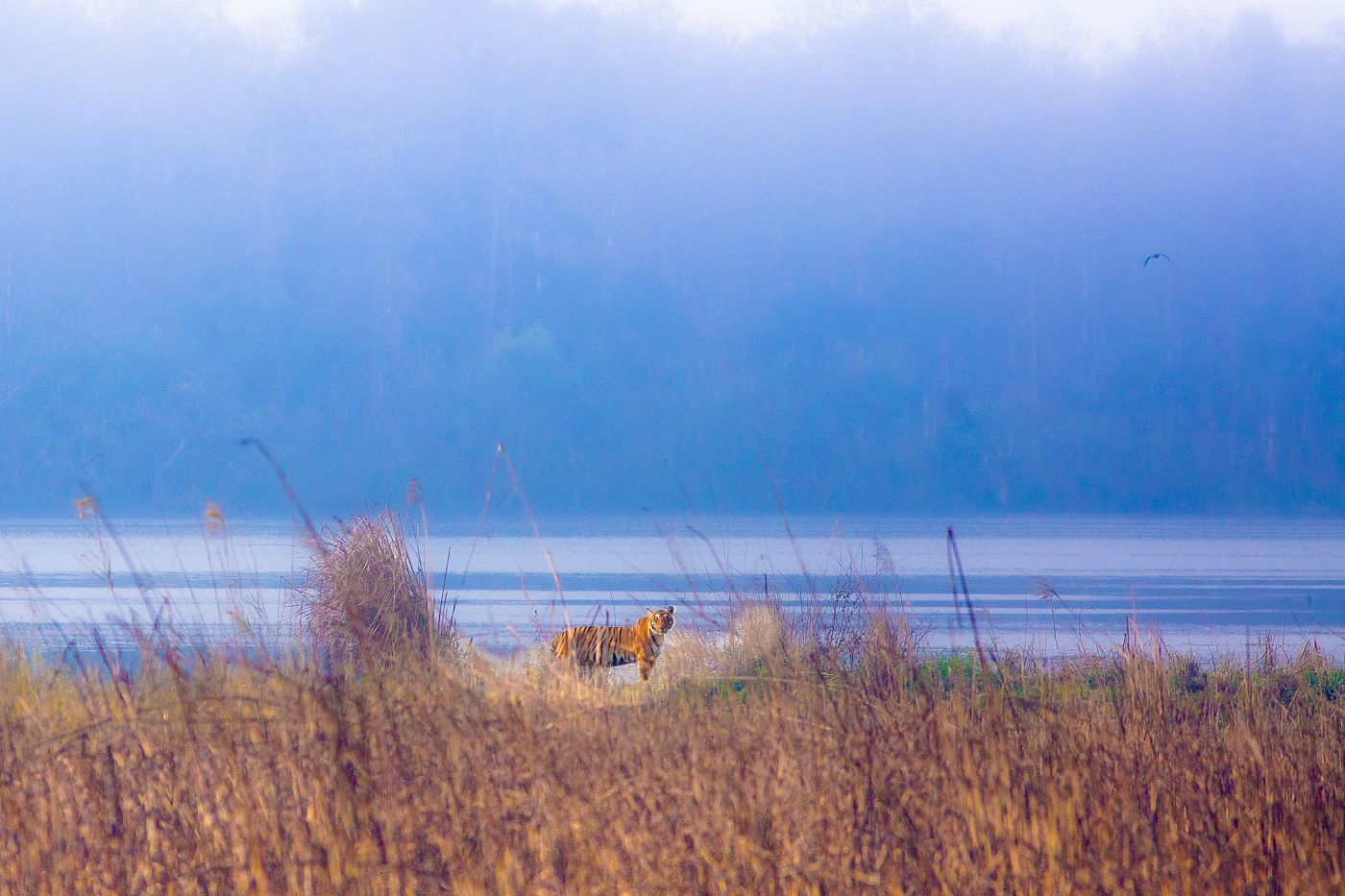
A tiger walking through misty sal forest
Conservation

Conservation is part of the journey

Chitwan’s rhino recovery stands as one of the clearer conservation successes in the Himalayan foothill region, robust enough that the park now functions as a source population for establishing second, geographically separate groups elsewhere.

Shuklaphanta’s barasingha population represents an equally significant, if less widely known, conservation achievement — the largest surviving concentration of a species that has lost most of its historical range across the Terai, protected here specifically because this park’s grassland has remained large and undisturbed enough to sustain herds at this scale.

Bardia’s wild elephant records in recent years suggest a population slowly recolonising habitat it may not have used in generations, and across all three parks, the continued protection of large, connected grassland and forest remains the single factor determining whether these recoveries hold or reverse.

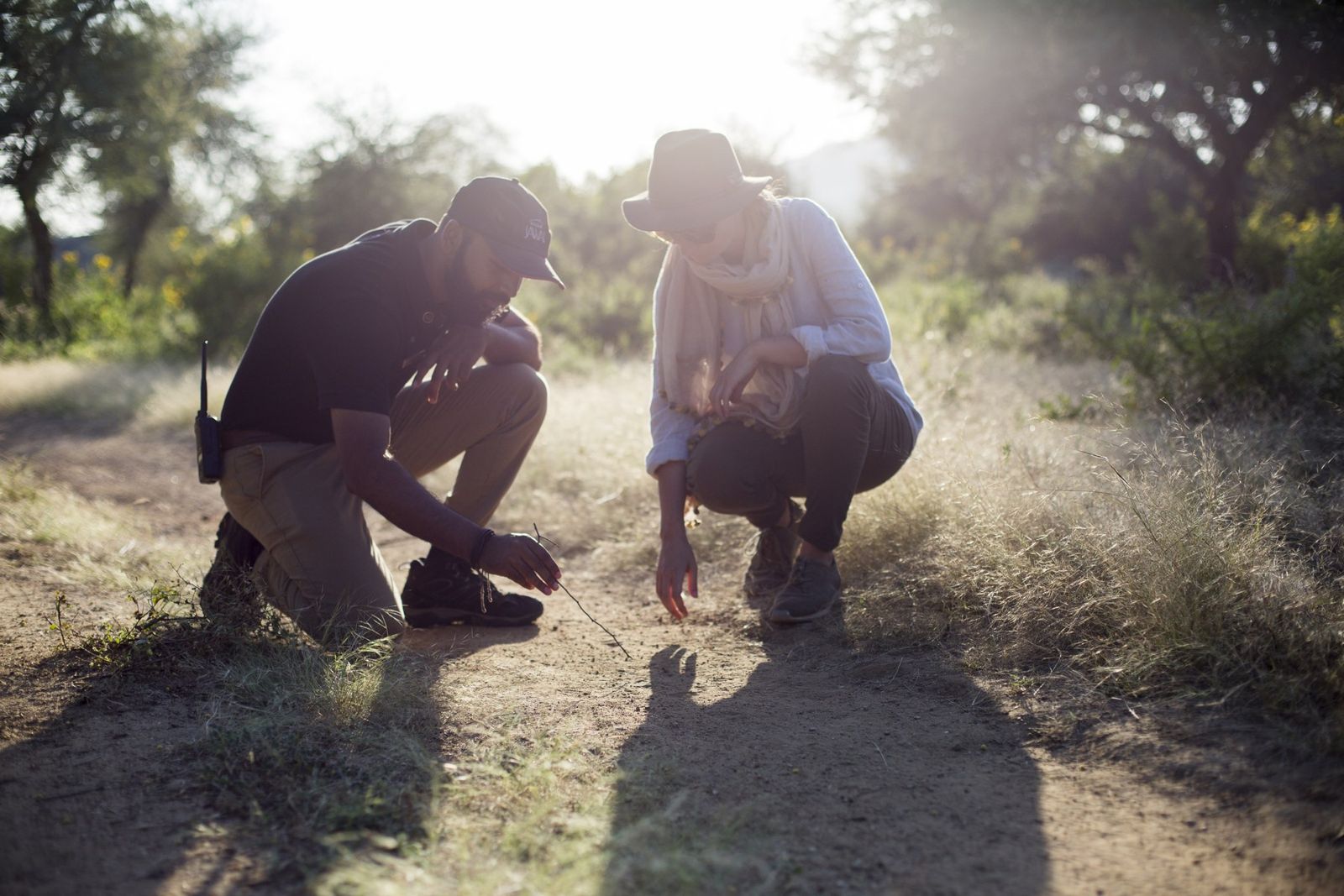
A guide crouching with a traveller to read tracks in the dustPhoto: SUJÁN
How Safari Vista India supports conservation
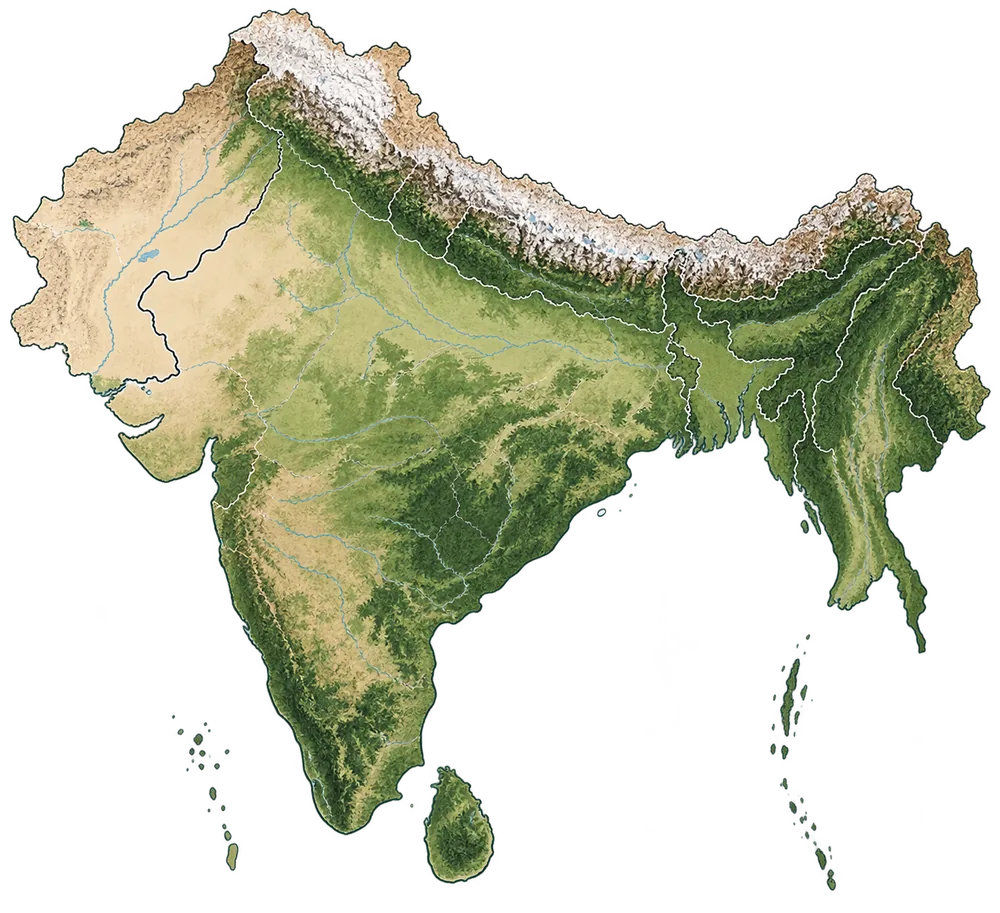
Nepal's inner and far-western Terai

The Parks of Wilderness on Foot

Wilderness on Foot
Where Wilderness on Foot — Nepal lies in the Indian subcontinent. Indicative, not to scale.
Journey design

Nepal rarely stands alone

Chitwan and Bardia extend the same Himalayan foothill ecosystem as India's Terai Arc across the border, and travellers with more time often pair the two.

The Safari Vista India Way

The Vista Standard

A journey through Nepal’s walking safari country depends on naturalist guides trained specifically for close, on-foot encounters with potentially dangerous wildlife, and on knowing precisely which of these three parks rewards which traveller’s interest — Chitwan’s completeness, Bardia’s tiger focus, or Shuklaphanta’s quiet, barasingha-filled remoteness.

Built the same way as every journey: one guide and vehicle arrangement, yours alone; genuine depth of knowledge across all three parks’ distinct characters; no fixed departures; and one person responsible for the full arc of the journey, from a walking safari through Chitwan’s grassland to a barasingha herd grazing Shuklaphanta’s plains at dusk.

One vehicle. Yours alone.

For the full length of the journey, with no shared seats.

A naturalist, not a driver-guide.

Someone who has spent years reading this landscape, and teaches you to read it too.

No fixed departures.

You travel when the season and your own calendar suit.

Specialist ground handling.

Walking guides trained for close, on-foot encounters, and the flights and drives between three very different parks.

Conservation, included.

Part of how the journey is designed from the outset, not an add-on at checkout.

One point of contact, throughout.

One person from the first conversation to the last morning in the field.

Practical information

Planning a Nepal journey

November – February

Winter

Cool, dry, comfortable (10–25°C); clear visibility.

Strong general wildlife activity; peak birding season.

Best for First-time visitors, birders, walking safaris.

March – April

Spring

Warming steadily (18–32°C); grasses cut or burned for visibility.

Excellent sighting conditions as grassland opens up.

Best for Tiger and rhino tracking at Bardia; barasingha herds at Shuklaphanta.

May – June

Pre-Monsoon

Hot and humid (28–38°C); water sources shrinking.

Wildlife concentrates around remaining water.

Best for Experienced travellers prioritising sightings.

July – September

Monsoon (Closed)

Heavy, sustained rainfall; rivers flood.

Most park areas closed or inaccessible.

For travellers Not open for safari travel.

When to go

All three parks broadly reopen in October as floodwaters recede and grassland becomes passable again, following the same seasonal rhythm found across the wider Terai belt this landscape belongs to.

Time to give the landscape

A focused visit to Chitwan, combining walking, jeep and canoe safari with time in a Tharu village, is well suited to three to four days.

Adding Bardia for its tiger-focused tracking extends a Nepal wilderness journey to seven or eight days, and a further extension to Shuklaphanta, best reserved for travellers specifically drawn to its barasingha spectacle and its sense of genuine remoteness, adds another three to four days given the additional travel distance into Nepal’s far west.

Questions

Questions about Nepal

In Nepal's lowland Terai, Chitwan, Bardia and Shuklaphanta are built around walking as a central way of encountering wildlife, alongside jeep and canoe, rather than as a novelty. You approach rhino, tiger and swamp deer on foot beside a trained naturalist, through grass tall enough to hide the animal until you are closer than a vehicle would ever allow. Read more

Walking here depends on naturalist guides trained specifically for close, on-foot encounters with potentially dangerous wildlife, and Chitwan's walking safaris are conducted by highly trained guides. Choosing the right park for the right traveller matters too: Chitwan for completeness, Bardia for tiger tracking, and Shuklaphanta for quiet, barasingha-filled remoteness. Read more

Bardia has built its reputation around tiger viewing. Its lower visitor numbers and larger, less fragmented habitat give it a genuine edge for sustained tracking over several days. Reached by a short flight to Nepalgunj, it is a quieter, more rugged version of the Chitwan experience, and adding it extends a journey to seven or eight days. Read more

Yes. Chitwan's conservation story centres on the greater one-horned rhinoceros, one of the more successful rhino recoveries in Asia, robust enough that Chitwan now supplies rhinos to other parks, including Bardia. Chitwan also holds tiger, elephant, gaur, sloth bear and gharial, and suits a focused three to four day visit. Read more

Shuklaphanta, in Nepal's far west, holds the largest herds of swamp deer, or barasingha, found anywhere in the world, gathering by the hundreds across one of the largest continuous grasslands in Asia. It is the least developed of the three parks, with a small number of guides and accommodation limited to jungle camps and community homestays. Read more

Yes. Chitwan and Bardia extend the same Himalayan foothill ecosystem as India's Terai Arc across the border, and travellers with more time often pair the two. All three Nepal parks broadly reopen in October as floodwaters recede, following the same seasonal rhythm found across the wider Terai belt. Read more

Swamp deer on open grassland at sunrise

If this is the way you want to experience the Terai — on foot, at close range, led by people who have spent years reading this exact ground — the right next step is a conversation.

Begin Your Journey

Tell us how you want to experience India, and we will design the journey around you.