
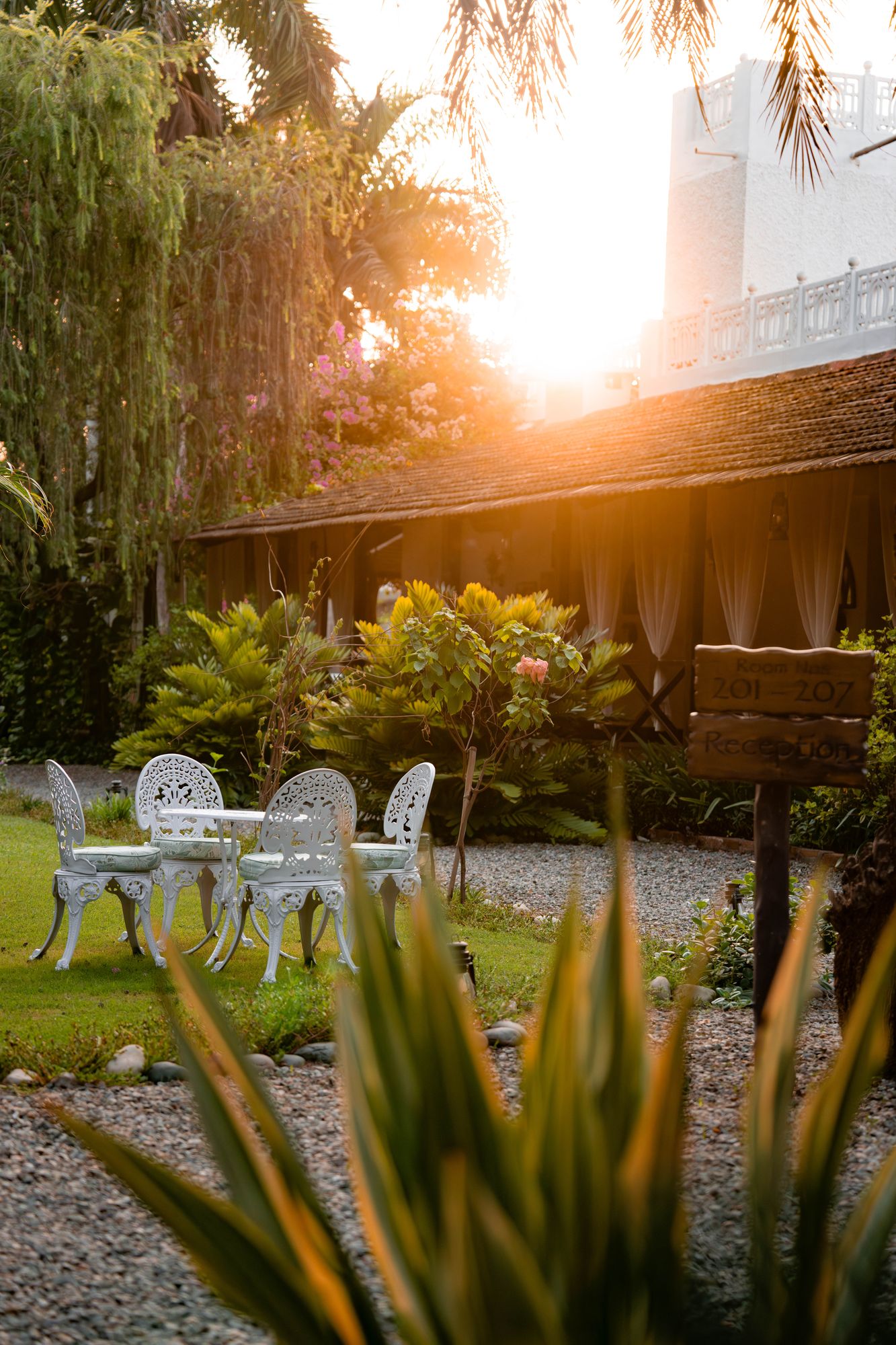
How accommodation is chosen, and what separates a good lodge from a great one.
A lodge shapes the rhythm of every safari day. Its position, character and relationship with the surrounding landscape matter as much as the room itself.
Lodges & Accommodation
Where do I stay on an Indian wildlife safari?
Accommodation is chosen according to the landscape, access, character and the nature of the journey.
Safari Vista India looks beyond a room and considers how a lodge sits within its surroundings, how it connects with the wilderness and how well it supports the overall experience.
What makes a good safari lodge?
A good safari lodge combines thoughtful hospitality with a genuine relationship to its landscape.
Location, access, architecture, food, service, privacy, natural-history interpretation and environmental responsibility all matter. Luxury should feel connected to place rather than imposed upon it.
How important is the location of my lodge?
Very important.
Time spent travelling unnecessarily between a lodge and the forest reduces time available for the wilderness. A well-positioned lodge can also shape the rhythm of the entire day.
We consider location as part of the safari experience, not simply an accommodation choice.
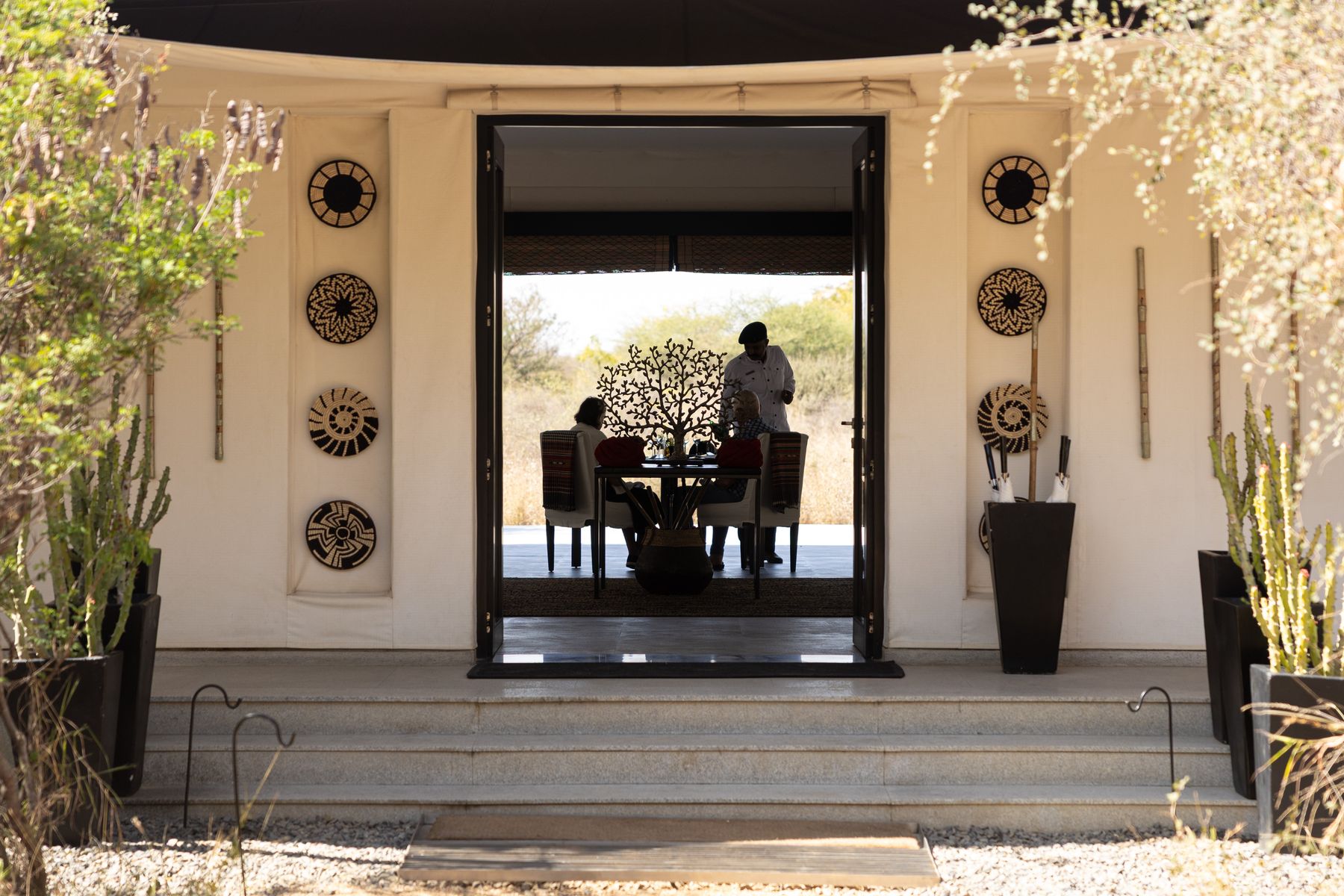
Should I stay inside or outside a national park?
There is no universal answer.
Staying close to or within the appropriate access zone can make early starts easier and reduce road time, while some lodges outside protected areas offer distinctive landscapes, architecture and experiences of their own.
The right choice depends upon the destination, regulations and what you value most.
What does a typical safari lodge experience include?
Life at a good safari lodge is built around the rhythm of the wilderness.
Mornings begin early, followed by time in the field, breakfast and a period of rest during the warmer part of the day. Afternoons lead back into the landscape, followed by evenings around the lodge, often with food, conversation and time to reflect on what you have seen.
The lodge becomes part of the journey rather than simply a place to sleep.
What facilities can I expect at a luxury safari lodge?
Facilities vary considerably between properties.
Depending on the lodge, you may find private or spacious rooms, excellent dining, lounges, pools, spa facilities, natural-history libraries, outdoor spaces and thoughtful guest services.
We select accommodation for its relationship with the journey rather than relying on a standard list of amenities.
Do safari lodges accommodate dietary requirements?
Many established safari lodges can accommodate dietary requirements when informed in advance.
We collect your requirements during the planning process and communicate them to the relevant properties before arrival. This is particularly important for allergies or medically necessary restrictions.
Are safari lodges suitable for families?
Many are, but suitability depends upon the property and the age of the children.
Room configuration, swimming pools, meal flexibility, activities, safety considerations and the rhythm of safari drives all need to be considered.
We recommend properties according to the family rather than assuming one lodge will suit everyone.
How does the lodge contribute to conservation?
A well-run wilderness lodge can contribute through employment, local sourcing, habitat protection, waste and water management, community partnerships and direct conservation initiatives.
We look at the relationship between a property and its surrounding landscape when considering accommodation.
Plan with a specialist
Have a question this chapter didn’t answer?
Every enquiry is answered directly by an India specialist.
Begin the Conversation