
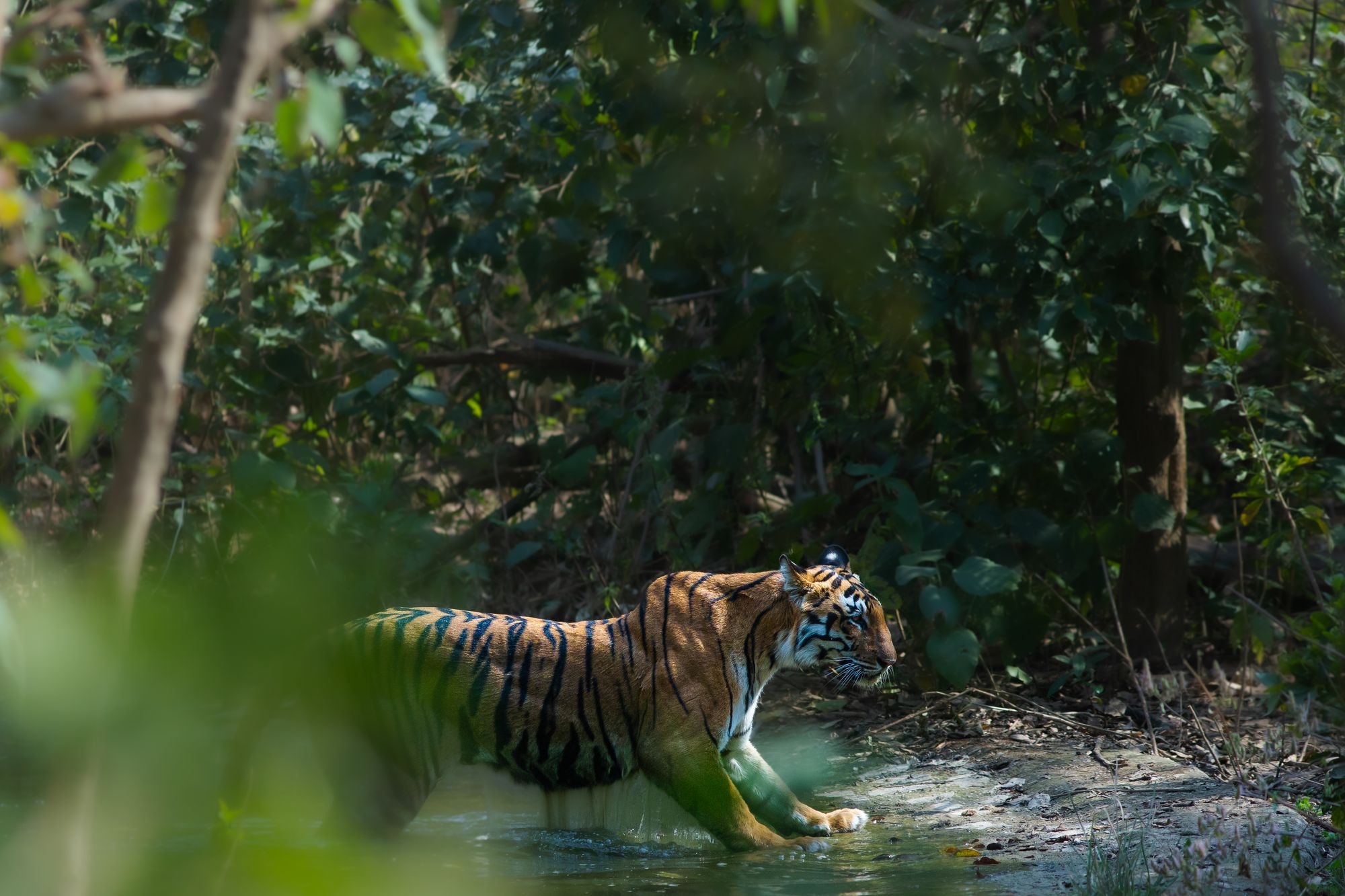
Practical advice for photographing wildlife from a private vehicle.
Good wildlife photography depends less on equipment than on patience, light and restraint. The ethics of the photograph matter as much as the kit used to make it.
Wildlife Photography
What camera equipment should I take on safari?
A camera body with a good telephoto lens is the foundation for wildlife photography.
A second body can be useful for serious photographers, allowing a telephoto and wider lens to remain ready without changing equipment in dusty conditions. Spare batteries, memory cards, lens cloths and protection from dust are equally important.
The ideal kit depends on your photographic ambitions and the species you hope to photograph.
What camera should I take on an Indian safari?
There is no requirement to own a professional camera.
Modern mirrorless and DSLR systems can produce excellent results, and the right lens and familiarity with your equipment often matter more than the price of the body.
Bring equipment you already know how to use confidently.
Do I need a professional camera for an Indian safari?
No.
A professional camera can provide advantages in autofocus, low-light performance and reach, but a well-used enthusiast camera can create exceptional wildlife photographs.
The quality of an encounter is not determined by the equipment in your hands.
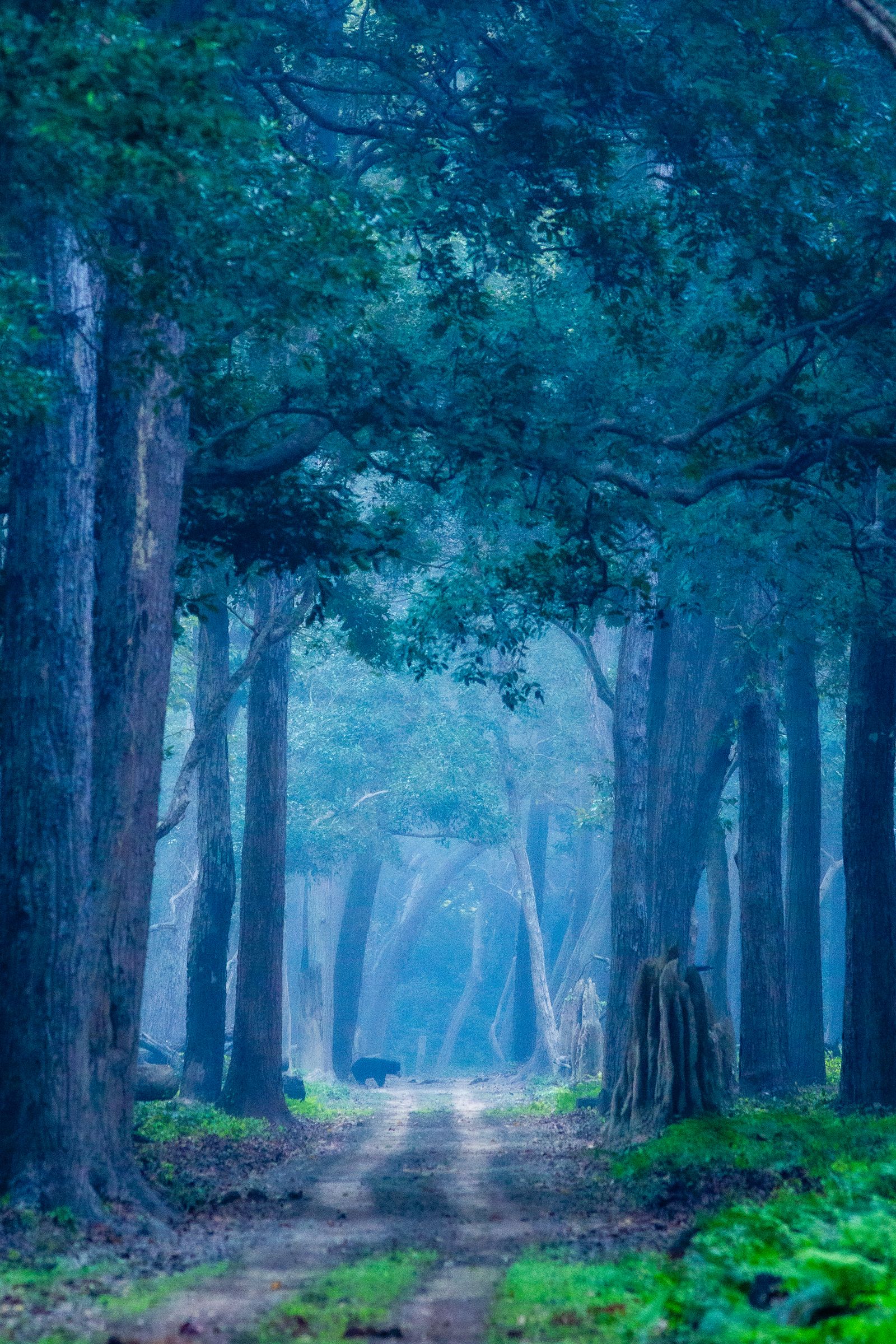
What should I know about photographing wildlife from a safari vehicle?
Your position, light and the behaviour of the animal matter more than constant shooting.
Keep your equipment ready, anticipate movement and listen to your naturalist. Avoid sudden movements and unnecessary noise inside the vehicle.
Often the strongest photograph comes after several minutes of simply watching.
How can I photograph wildlife without disturbing it?
Allow the animal to remain the subject rather than turning it into a performance.
Never call, whistle or gesture to attract an animal for a photograph. Do not pressure a driver to move closer when an animal is resting or showing signs of disturbance.
Ethical photography begins with accepting that the animal's welfare comes before the image.
What are the ethics of wildlife photography in India?
Ethical wildlife photography means photographing without altering an animal's behaviour.
That includes maintaining appropriate distance, respecting protected-area regulations, avoiding baiting or calling animals, keeping noise low and accepting missed photographs when getting the image would compromise the animal's welfare.
The photograph should document an encounter, not manufacture one.
What is ethical wildlife photography?
Ethical wildlife photography is rooted in observation rather than interference.
The photographer remains a visitor in the animal's world. Patience, distance, silence and respect are as important as shutter speed and focal length.
Can I use a drone on an Indian safari?
Drone use is highly regulated and is not something travellers should assume is permitted within protected areas.
Rules can vary according to the location and applicable authorities. Safari Vista India will advise you according to the regulations governing your particular journey.
Should I bring a beanbag or other photography support?
A beanbag can be useful for photographers using long lenses from a vehicle.
It provides a stable platform without taking up the space of a full tripod. Whether you need one depends on your equipment and photographic style.
How do I protect camera equipment from dust, heat and humidity?
India's wildlife landscapes can expose equipment to dust, heat, moisture and sudden changes in temperature.
Use protective bags, keep lenses capped when not in use, carry cleaning cloths and avoid unnecessary lens changes in dusty environments. In humid regions, appropriate moisture protection becomes particularly important.
Plan with a specialist
Have a question this chapter didn’t answer?
Every enquiry is answered directly by an India specialist.
Begin the Conversation