
The Specialist’s Calendar
A world of wildlife. A calendar of extraordinary moments.
There are moments in the natural world that cannot be recreated on demand. A million falcons gathering before a long ocean crossing. A snow leopard moving through a frozen mountain valley. Sea turtles emerging from the Arabian Sea to nest on Odisha’s coastline. Tiny, elusive amphibians inhabiting one of the oldest and most biologically distinctive mountain ranges in the world.
These are not simply wildlife destinations. They are encounters with nature at a particular point in its cycle.
The Specialist’s Calendar by Safari Vista India is a collection of journeys built around these moments. Each begins with a species, a seasonal event or a natural-history question, and develops around the places, timing and expertise needed to explore it meaningfully.
Our planning draws on seasonal patterns, field knowledge and the availability of people with a deep understanding of the subject. The precise itinerary takes shape around the opportunity rather than forcing nature into a fixed departure schedule.
The aim is not to promise the extraordinary. It is to recognise when, where and how it may be possible to experience it.
The Journeys
01 — The Great Gathering
October–November is the principal seasonal window to consider.
At Doyang in Nagaland’s Wokha district, the arrival of Amur falcons transforms a quiet landscape into an extraordinary migratory staging ground. These small raptors travel from their breeding grounds in eastern Asia towards southern Africa, crossing vast distances and relying on stopover sites to rest and replenish their energy.
The experience is about more than watching birds gather. It is an opportunity to understand one of the great migratory journeys of the avian world, the importance of stopover habitats and the remarkable conservation story of communities that helped bring an end to the mass hunting of these birds.
The journey can be developed around the seasonal roosting period, with local interpretation and time to observe the surrounding landscape. The timing of peak concentrations varies, so dates should be chosen using the latest available information.
At the roost, quiet observation is essential. Local restrictions and any designated silence zones must be respected.
Best suited to: Birdwatchers, wildlife photographers and travellers fascinated by migration and conservation.
02 — Life Before Winter
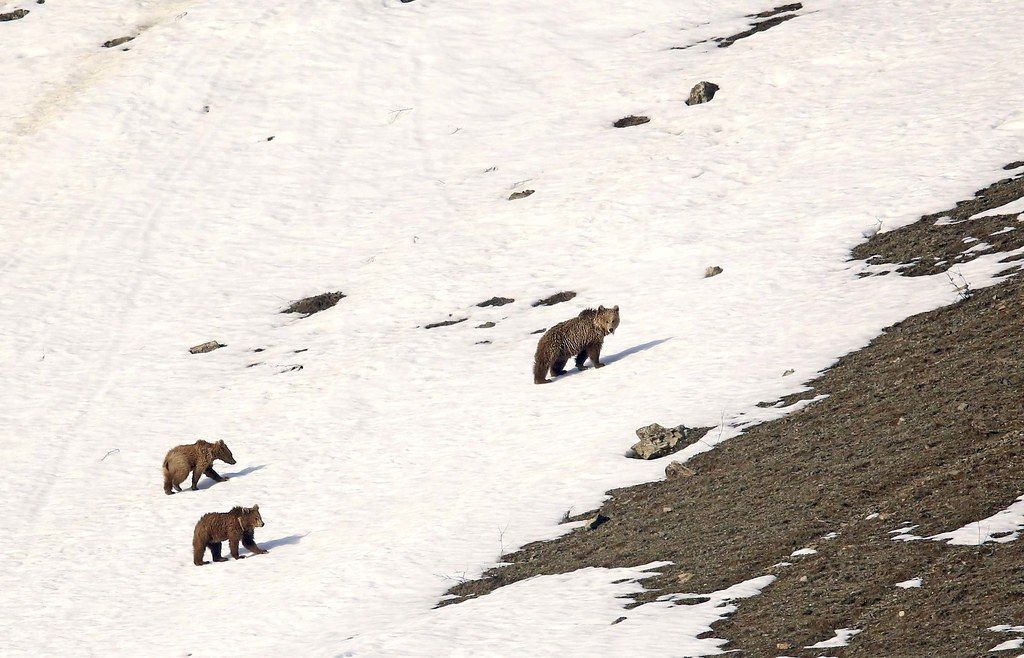 Photo: Surya Ramchandran
Season and location depend on the specific experience being developed.
In the high Himalaya, the Himalayan brown bear lives within a landscape of short summers, severe winters and limited food availability. Its seasonal life is inseparable from the ecology of mountain meadows, alpine valleys and the communities that share this environment.
Rather than presenting hibernation as a spectacle to be witnessed, this journey explores the bear’s seasonal ecology: how it uses its habitat, how its feeding patterns respond to the changing availability of food, and how it survives the transition into winter.
Depending on the chosen location and field conditions, the experience may focus on responsible wildlife observation, habitat interpretation and the wider natural history of the region. It requires careful consideration of access, weather, local expertise and the welfare of the animals.
This is a journey for travellers who appreciate that understanding an elusive species can be as rewarding as seeing one.
Best suited to: Wildlife enthusiasts, natural-history travellers and photographers interested in high-altitude ecosystems.
03 — In Search of the Mountain Ghost
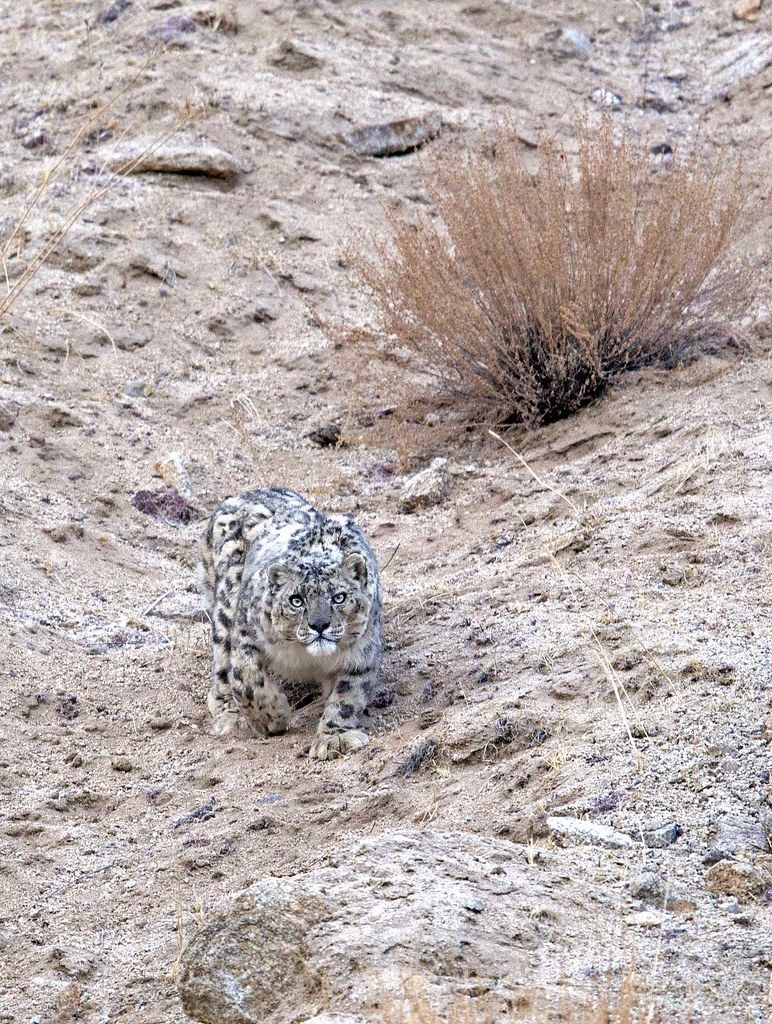 Photo: Surya Ramchandran
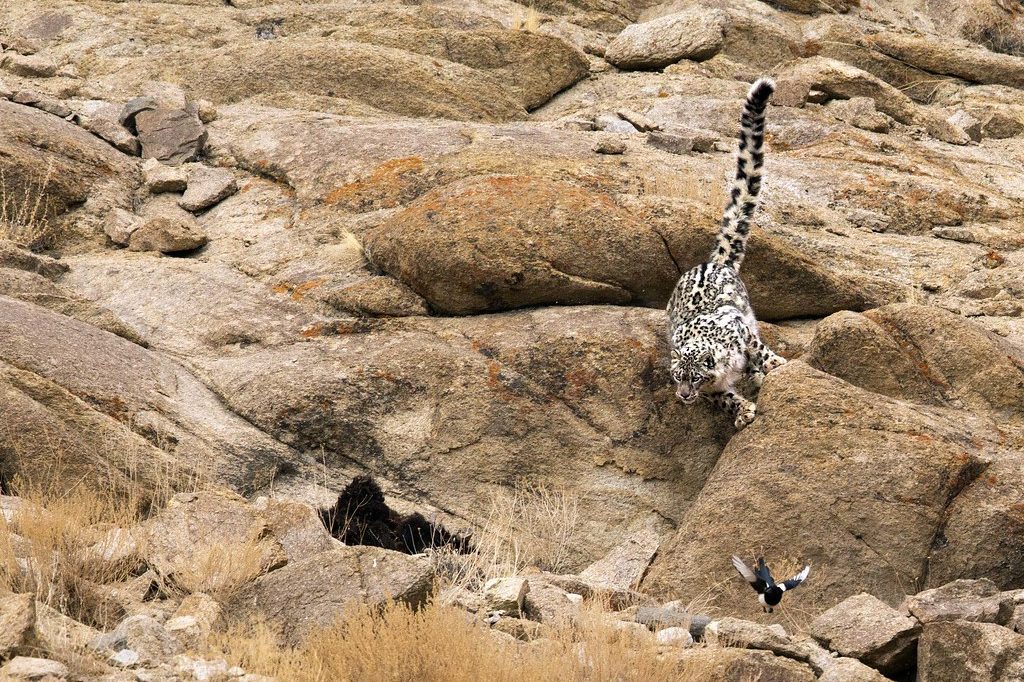
Winter is the principal season for a snow leopard journey in Ladakh, commonly planned between December and March.
In the cold, high-altitude valleys of Ladakh, the search for a snow leopard begins long before the cat appears. Field teams scan ridgelines and cliffs, look for movement across distant slopes and interpret the landscape for signs of life.
A snow leopard journey is an exercise in patience and observation. The animal may remain invisible for hours, even when its habitat is in view. Yet the experience reveals much more than the possibility of a sighting: blue sheep and ibex moving across steep terrain, the adaptations of wildlife to extreme cold, and the relationship between predators, prey and mountain communities.
The itinerary is developed around suitable valleys, local field knowledge, weather and access. Time is allowed for observation rather than treating every outing as a race between locations.
The altitude, cold and demanding terrain require preparation, and the journey must remain flexible. A sighting is never guaranteed.
Best suited to: Dedicated wildlife travellers, photographers and people willing to spend time understanding a landscape.
04 — The Return to the Shore
The main nesting opportunities are generally associated with February–April, although activity and timing vary by location and year.
Along Odisha’s coastline, Olive Ridley turtles return to the beaches where the next generation begins. At important nesting sites such as Rushikulya and Gahirmatha, the annual reproductive cycle can include mass-nesting events known as arribadas.
The scale of these gatherings is remarkable, but their significance goes far beyond the spectacle. The turtles’ survival depends on nesting beaches, offshore conditions and the protection of a migratory species exposed to threats across its life cycle.
This journey is planned around the seasonal nesting period and the current information available from local authorities and conservation partners. Depending on the timing and permitted access, the experience may focus on nesting activity, coastal ecology and the conservation measures that protect the beaches and surrounding waters.
Bhubaneswar can serve as a gateway for the journey, but the actual destination depends on the nesting site selected. Access to beaches and nesting areas may be restricted, and mass nesting cannot be guaranteed.
The experience is designed around the turtles’ needs, not around obtaining a close-up photograph.
Best suited to: Wildlife enthusiasts, families interested in conservation and travellers drawn to marine natural history.
05 — The River’s Next Generation
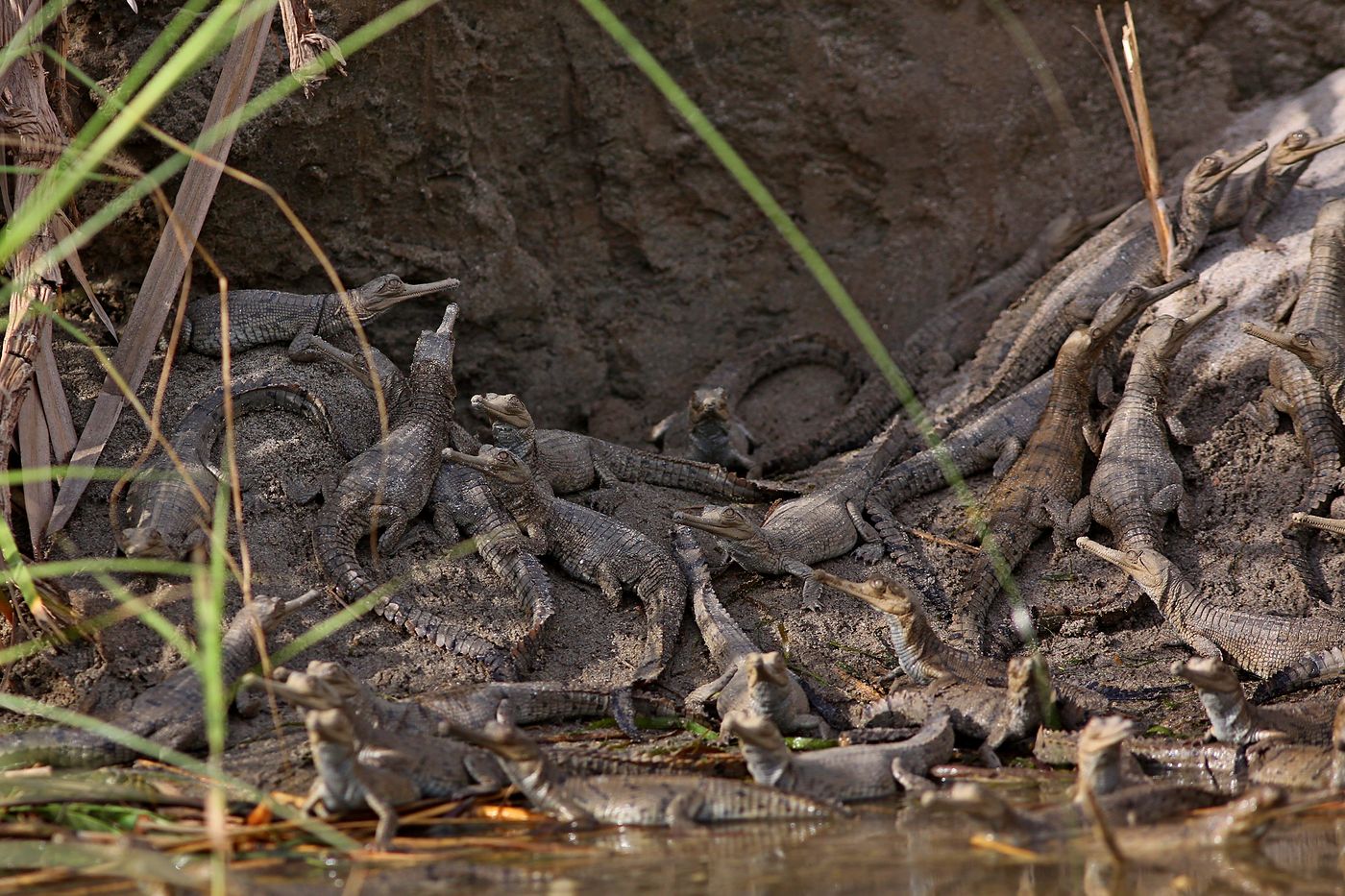
Breeding activity begins earlier in the year; nesting and hatching opportunities fall across different stages of the season.
The Girwa River in Katarniaghat Wildlife Sanctuary supports one of the important remaining wild breeding populations of the gharial, a critically endangered crocodilian adapted to life in flowing rivers.
Its life cycle is closely linked to the river’s sandbanks. Adults bask along exposed banks and islands; females nest in suitable sandy areas; and the young eventually make their way to the water. The timing of these events is influenced by the breeding cycle, river conditions and other environmental factors.
A journey centred on gharials offers a chance to look closely at a species whose future depends on the health of its river habitat. The experience can combine river-based observation, natural- history interpretation and an understanding of the conservation challenges facing gharials, including habitat alteration and the vulnerability of nesting sites.
The precise timing of any visit should be developed with local field knowledge. Nest locations and hatchlings must not be approached or disturbed, and the opportunity to observe hatching cannot be promised.
For travellers interested in reptiles and river ecology, this is a very different kind of wildlife journey: quieter, more specialised and centred on the survival of a species rather than a conventional safari checklist.
Best suited to: Reptile enthusiasts, conservation-minded travellers and wildlife photographers interested in freshwater ecosystems.
06 — The Hidden Life of the Forest
Timing must be selected with specialist advice on habitat, seasonal conditions and access.
The Galaxy Frog (Melanobatrachus indicus) is one of the unusual amphibians associated with the wet evergreen forests of the Western Ghats. Its dark body, marked with contrasting pale spots, gives it a distinctive appearance, but finding one is not simply a matter of walking through the forest.
Amphibian encounters depend on a different kind of attention. The observer must understand the microhabitats in which a species lives, recognise suitable environmental conditions and learn to look for life that may be overlooked by someone searching only for larger animals.
This specialist experience is designed around the ecology of amphibians and the extraordinary biodiversity of the Western Ghats. With suitable local expertise, the journey can explore forest habitats, the relationship between moisture and amphibian activity, and the importance of protecting small, specialised species.
The Galaxy Frog is an elusive subject, and the experience should be planned around responsible field observation rather than a promised encounter. No handling, habitat disturbance or disclosure of sensitive locations should be part of the experience.
Best suited to: Herpetology enthusiasts, naturalists, wildlife photographers and travellers interested in lesser-known biodiversity.
07 — Primates of India
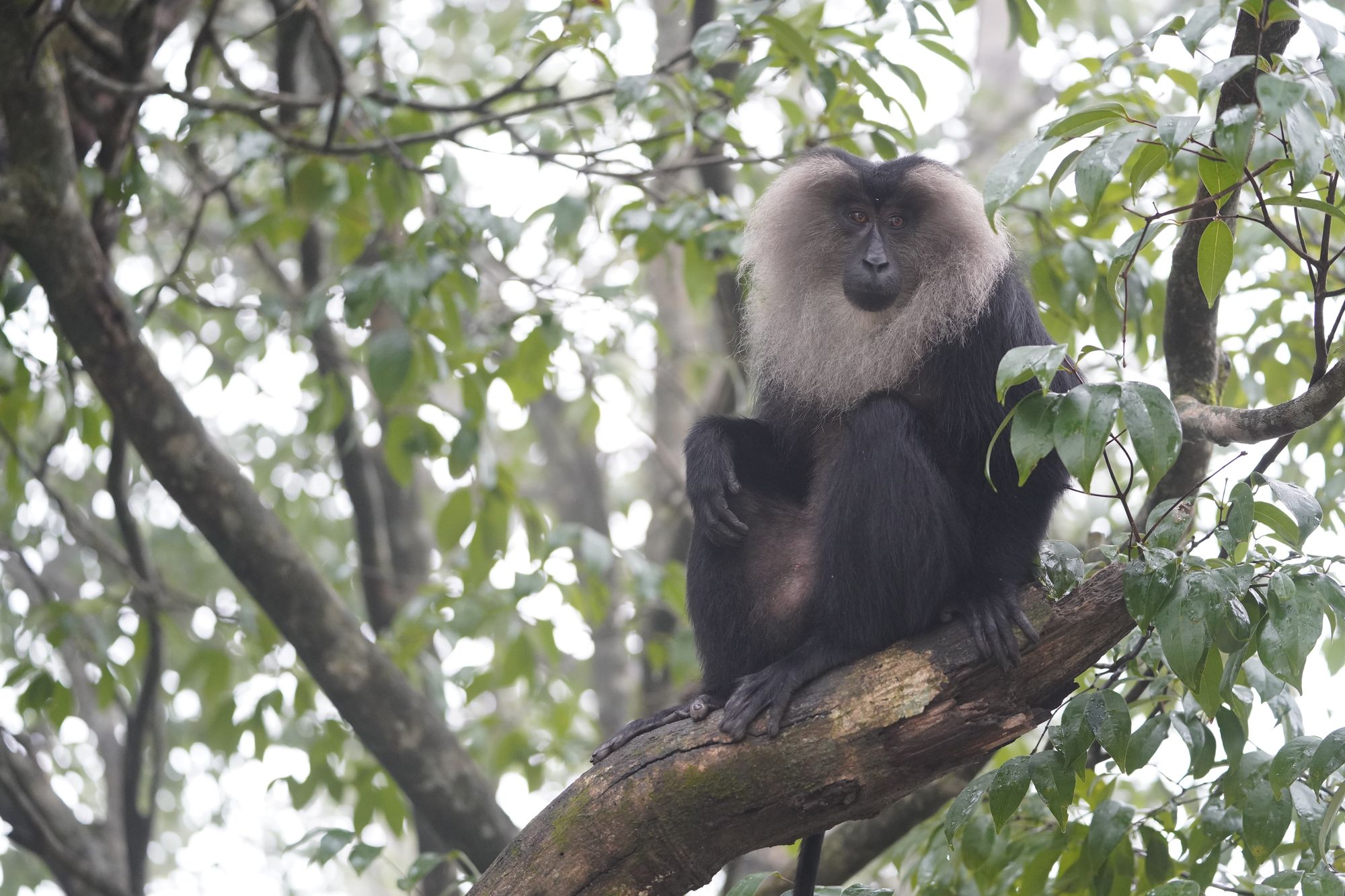
Destination and season depend on the primate species selected.
India’s primates are not a single wildlife story. They belong to different landscapes and occupy different ecological niches, from the evergreen forests of the Western Ghats to the forests of Northeast India.
A journey could be developed around the lion-tailed macaque and Nilgiri langur of the southern Western Ghats, or the hoolock gibbons, capped langurs and other primates of the Northeast. The species selected will determine the destination, season, field approach and length of the journey.
Rather than treating primates as incidental sightings, the experience is designed to explore their social behaviour, vocalisations, feeding patterns, habitat requirements and relationships with the wider forest ecosystem. Depending on the chosen species, observation may involve forest walks, time at suitable observation points and interpretation from knowledgeable local naturalists.
This is a journey for travellers who want to spend time with a particular group of animals and understand how it lives. It can be developed around one species or as a wider exploration of the diversity of India’s primates.
Best suited to: Naturalists, primate enthusiasts, wildlife photographers and travellers seeking a more focused alternative to a conventional safari.
08 — The Tiger Family
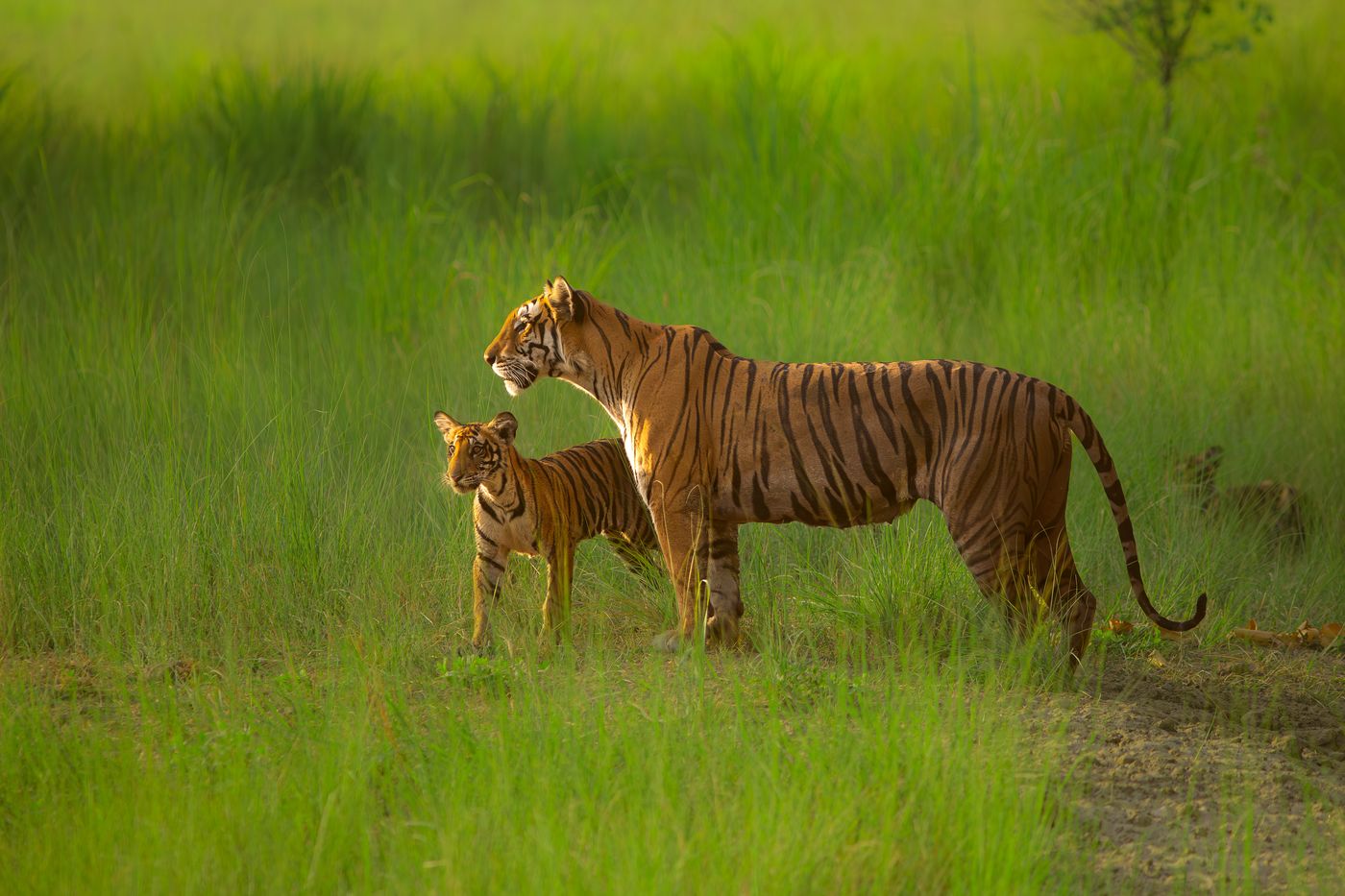
Timing and destination are assessed individually, based on the purpose of the journey and available field information.
A tigress raising cubs offers a rare glimpse into the life of one of India’s most iconic predators. Her movements, the cubs’ development and the family’s use of its territory are part of a complex natural story that unfolds largely out of sight.
This journey is conceived around understanding tiger ecology and the possibility of observing family behaviour in the wild. Destination selection considers the landscape, the quality of available naturalist knowledge, current access conditions and the practical realities of wildlife observation.
The focus is not on promising a particular tigress or a guaranteed sighting of cubs. Individual animals move, hide and behave according to their own needs, and sensitive information about den sites or vulnerable young animals must never be used to force an encounter.
Where appropriate opportunities arise, the journey can offer a deeper understanding of maternal care, territorial behaviour and the ecological relationships that sustain tiger populations.
The experience is best approached with patience and realistic expectations. A responsible tiger journey must allow the animals to remain wild and undisturbed.
Best suited to: Tiger enthusiasts, photographers and travellers interested in behaviour rather than sightings alone.
How a Specialist’s Calendar Journey Takes Shape
First, the natural event
We begin with the species, behaviour or seasonal phenomenon that interests you. This determines which landscape, period and type of field experience are worth considering.
Then, the field intelligence
We assess available seasonal information, the local knowledge needed to plan the journey, the practical access conditions and the specialist support that can realistically be arranged.
Finally, the journey itself
The itinerary, accommodation, transfers, guiding and duration are developed around the chosen experience. Where a natural event is particularly variable, the plan may need to retain flexibility until closer to departure.
We recommend enquiring well in advance. The aim is to confirm the practical arrangements around three months before travel where feasible, although some journeys require earlier commitments or more recent decisions based on field conditions.
Frequently asked questions
How far in advance should I enquire?
As early as possible, particularly for journeys requiring specialist field support, remote accommodation or travel during a short seasonal window. We recommend beginning the conversation several months in advance.
Are the dates fixed?
No. We propose a suitable travel window based on seasonal patterns and available field information. Exact dates depend on the species, location, access conditions and the natural event itself.
Can you guarantee the wildlife event or sighting?
No. Migration, nesting, hatching, animal movements and sightings are natural events that cannot be guaranteed. Our commitment is to careful planning, honest expectations and responsible arrangements.
Will a specialist be with me?
Specialist involvement depends on the chosen journey and the availability of suitable field practitioners. We will explain the proposed guiding arrangements before confirming the experience.
Can the journey be designed around one particular species?
Yes. You can enquire about a single species or natural event. The journey will be considered around its habitat, seasonal opportunities and the practical arrangements needed to observe it responsibly.
Can I combine more than one experience?
Potentially, depending on geography, timing and the length of the journey. Combining several wildlife events may reduce the time available for each, so we will assess whether the combination is practical and worthwhile.
Are these journeys suitable for photographers?
They can be, but photographic opportunities depend on the species, conditions and access. We can discuss photography-specific requirements, while ensuring that wildlife welfare and conservation rules take priority.
How are costs determined?
Each journey is individually quoted. Costs depend on destination, duration, accommodation, transfers, guiding, specialist involvement, permits and the level of logistical support required.
What happens if the natural event does not occur?
We will explain the nature of the opportunity and any relevant booking conditions before confirmation. Alternative activities or adjustments may be considered where practical, but a substitute sighting or event cannot be promised.
Begin Your Enquiry
Tell us which species, migration or natural event has captured your interest. We will assess the seasonal opportunity and discuss how a journey can be developed around it.
Every journey is individually developed. Routes, accommodation, specialists, transfers and experiences are subject to feasibility, seasonal conditions, availability and confirmation.
Begin your journey