
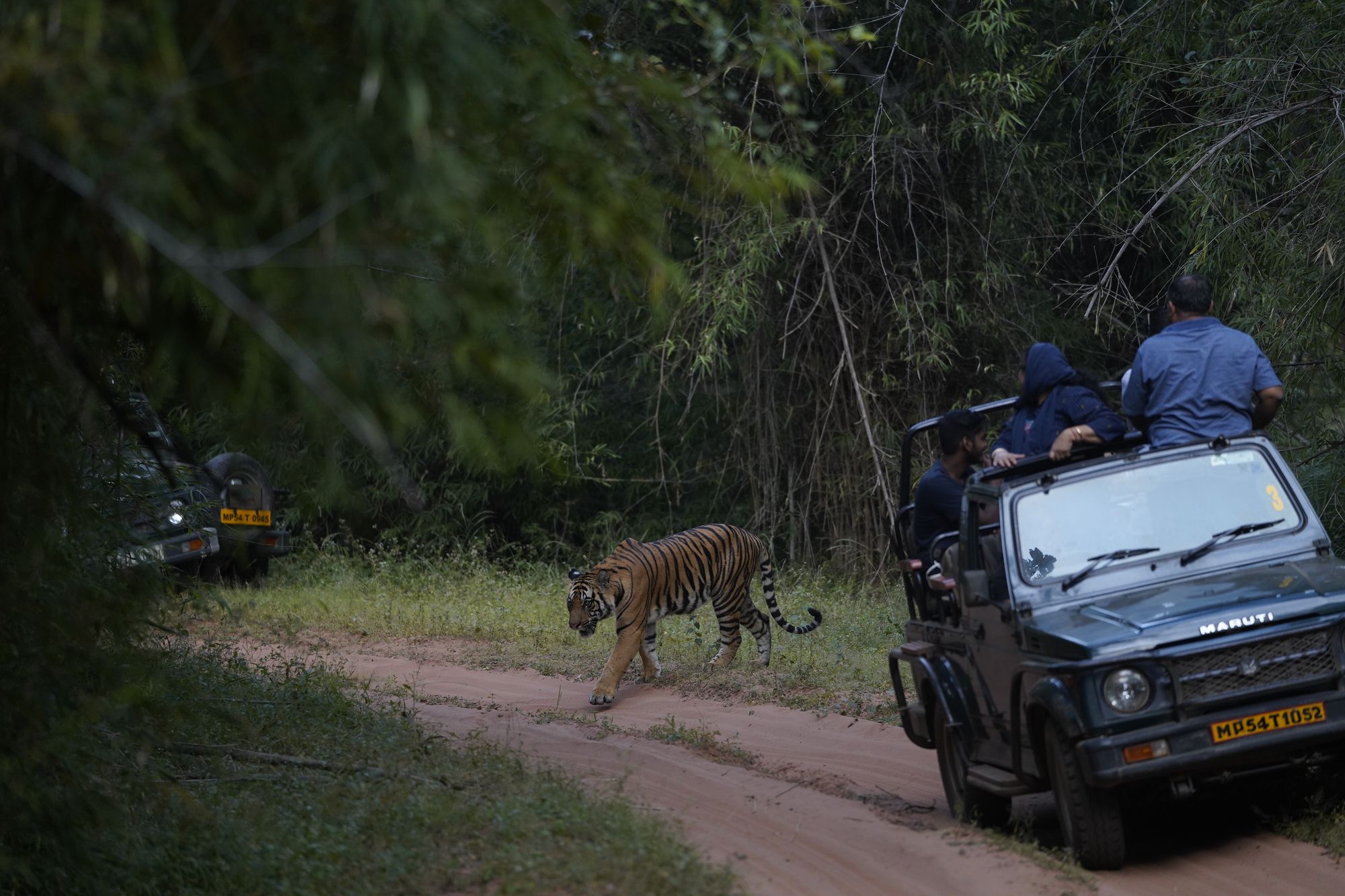
Game drives, walking safaris, boat safaris and the experiences beyond the vehicle.
Most time in the field is spent in your own vehicle, from dawn and again in the afternoon. What happens on a drive, how long it lasts, and how to behave when wildlife comes close are set out here.
Walking, boats and more on the journey pages
Your Safari Experience
What happens during a typical safari drive?
A safari begins long before the first animal appears.
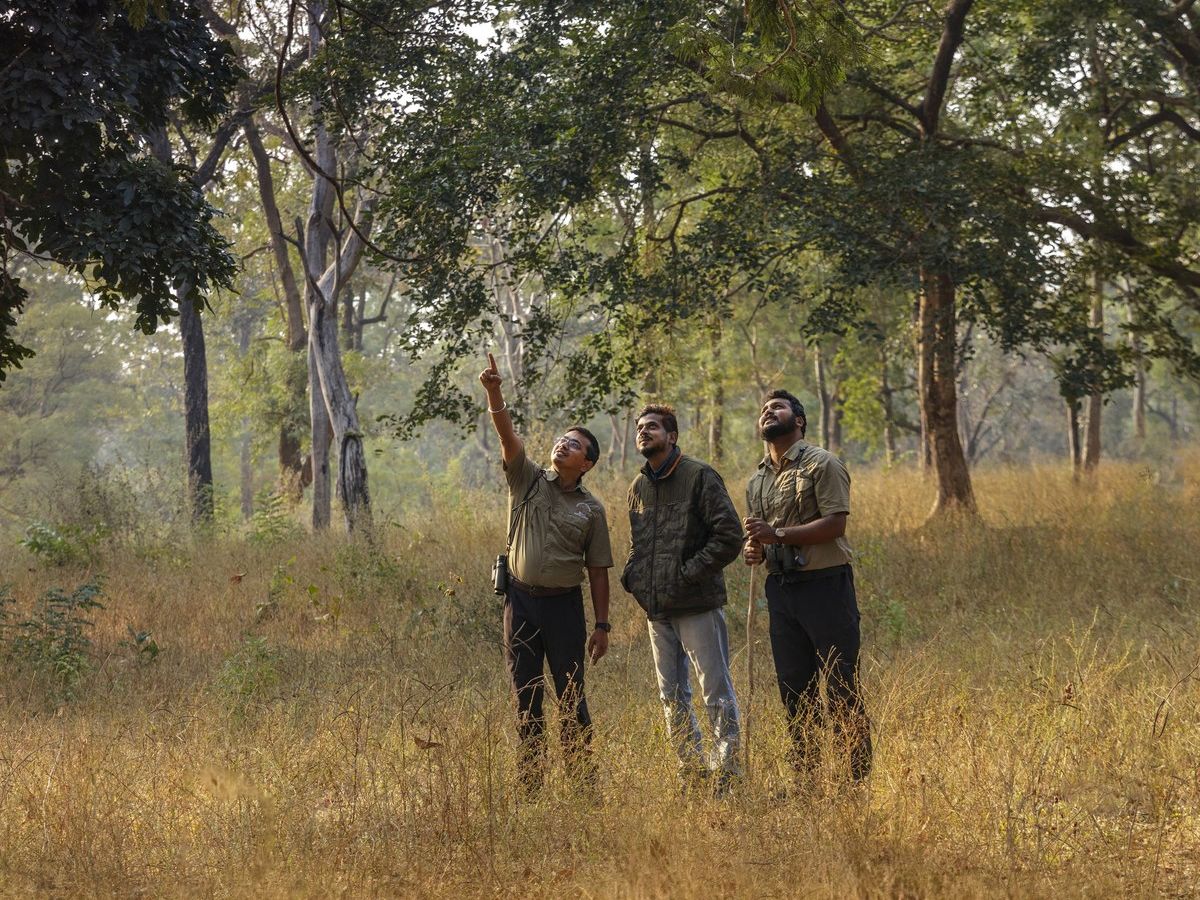
You enter the forest with your naturalist, observing tracks, calls, movement, light and changes in habitat. Some drives involve long periods of quiet observation; others can unfold quickly when wildlife activity develops.
There is no script. The landscape determines the experience.
How early do safari drives begin?
Morning drives generally begin around dawn, although exact timings depend on the destination, season and local regulations.
The early hours are often particularly rewarding because the forest is cooler, quieter and full of activity.
How long does a safari drive last?
Safari durations vary according to the protected area, entry and exit regulations and the type of safari being undertaken.
The intention is to make the most of the permitted time without turning the experience into a race. Your naturalist will help you understand the rhythm of the day and what to expect in that particular landscape.
How close can we get to wild animals?
Wildlife determines the distance.
We never approach an animal simply to obtain a closer photograph. The vehicle remains at a respectful distance according to the behaviour of the animal, the terrain and the regulations of the protected area.
A responsible encounter is one in which the animal remains undisturbed.
What are the rules for approaching wildlife?
Every protected area has regulations governing vehicles, routes, distances, timing and visitor behaviour.
These rules exist to protect wildlife and maintain the character of the wilderness. Your naturalist and driver will ensure that your safari follows the applicable regulations.
Can I get out of the safari vehicle?
Generally, guests may only leave the vehicle in designated and authorised areas.
A protected forest is not a place where visitors can simply step out whenever they wish. Your naturalist will advise you when it is safe and permitted to do so.
What should I do if an animal approaches our vehicle?
Remain calm, quiet and seated.
Do not call out, make sudden movements or attempt to attract the animal's attention. Your naturalist will manage the situation and advise you on where to look and how to behave.
Often the most extraordinary encounters happen when the vehicle becomes almost completely still.
What happens if we don't see a tiger?
Nothing has gone wrong.
A tiger is wild, and no ethical safari can guarantee an encounter. The absence of a tiger can still reveal tracks, alarm calls, prey species, birds, other mammals and the ecological relationships that make the forest what it is.
We believe in honest wildlife travel: sightings are opportunities, not promises.
Plan with a specialist
Have a question this chapter didn’t answer?
Every enquiry is answered directly by an India specialist.
Begin the Conversation