
Almost every safari company describes itself as committed to conservation. The phrase has become so common that it often means very little. We would rather explain exactly what we do, so that you can judge it for yourself.
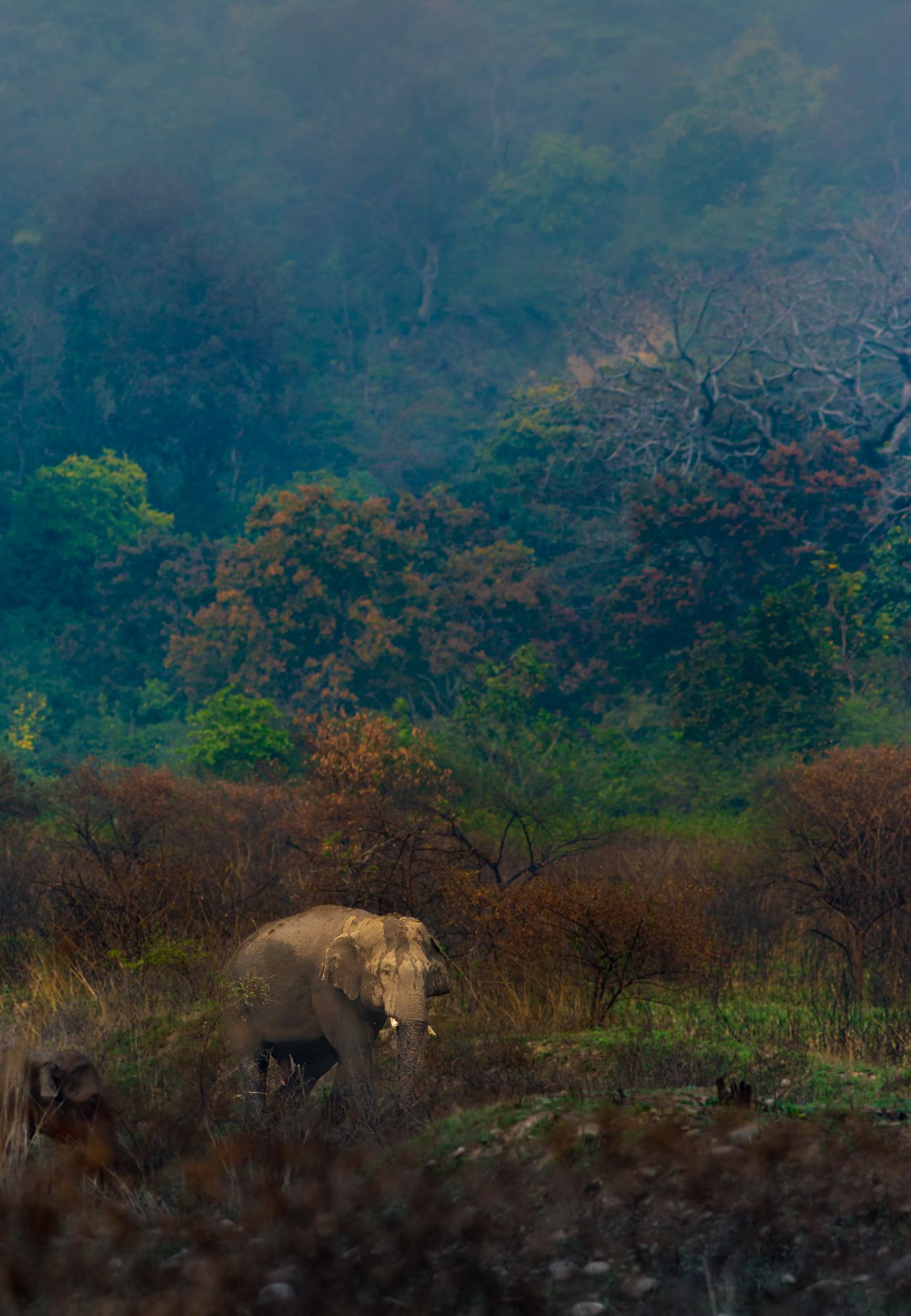
The forests do not need more visitors. They need better ones.
Why tourism can help, or harm
Wildlife tourism can fund the protection of India’s reserves, support the communities that live alongside them and build local expertise. It can also add pressure through overcrowded zones, unplanned growth around park boundaries and a focus on volume.
The difference lies less in how much a journey costs than in how it is run. That is why our commitment begins with how we design journeys: private vehicles, no fixed departures and naturalists who understand the landscape, rather than more vehicles in the same zones.
Five percent of net profit
We set aside five percent of net profit for conservation. It is calculated on profit rather than revenue, so it cannot be inflated simply by pricing journeys higher, and it is set aside on every booking.
Where it is directed
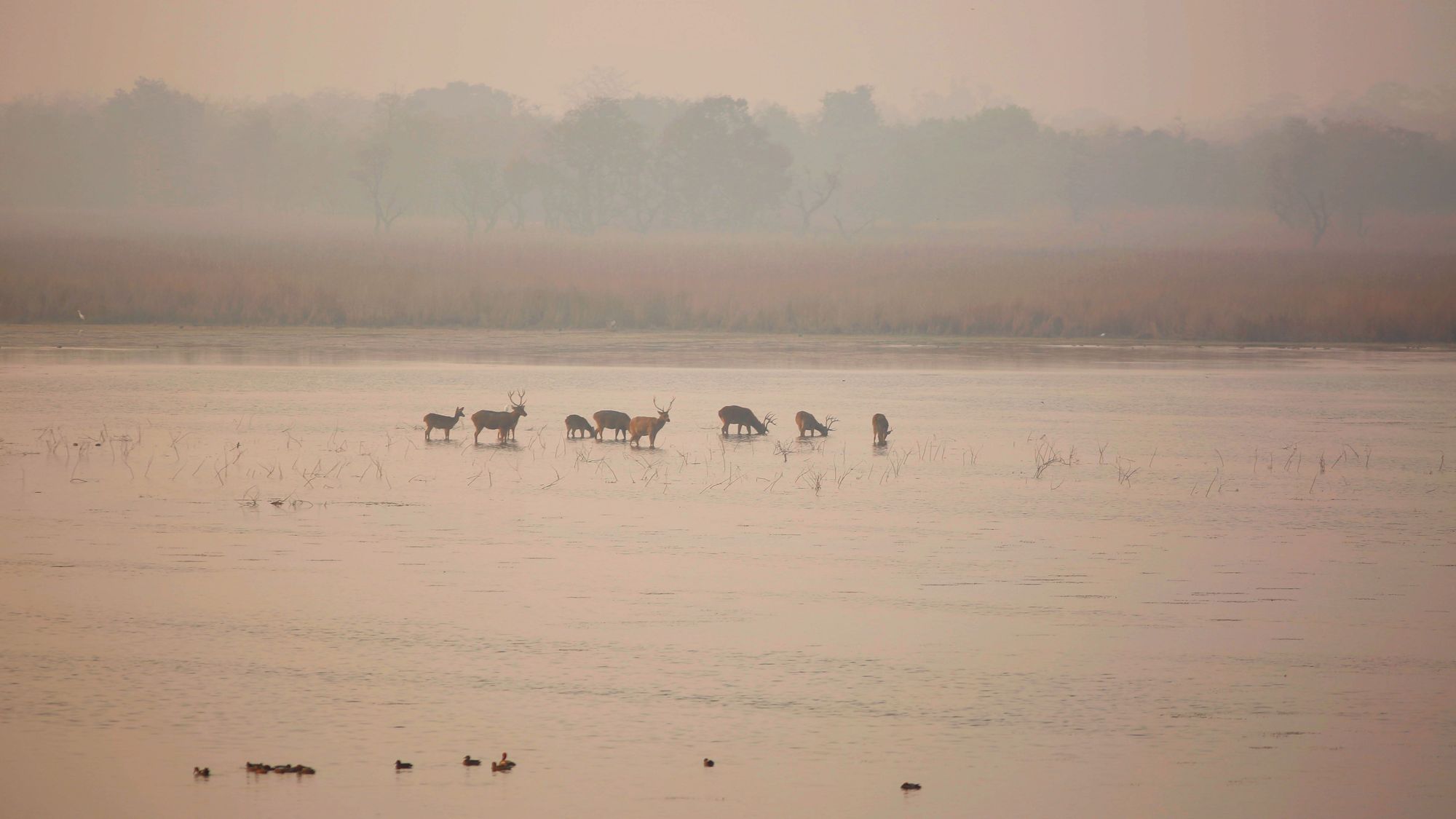
The contribution is allocated across three areas, in the specific reserves our guests travel to rather than a general global fund: habitat protection and support for anti-poaching work; naturalist training, building local expertise that outlasts any single booking; and forest-community programmes that treat communities at the forest edge as partners rather than backdrop.
How you can check it
An annual impact audit will be published on our website each year, whether or not the numbers are flattering. After you travel, you will receive a specific account of where your journey’s contribution went, not a generic thank-you note.
A note on honesty
We are a small, new operator. Our conservation record today is measured in commitments rather than years of audited results. The first impact audit will be published after our first full year of operation, and we would rather say that plainly than imply a track record we have not yet earned.
Conservation is included in the cost of every journey. It is not added at checkout, and it is not presented as a reason to pay more.
Keep reading
All Journal articles
Seasons4 min read
The best time to see tigers in Central India, month by month
Why April and May outperform the popular winter window, and what you trade for it.
Planning14 min read
India or Africa: an honest comparison for second-time safari travellers
What India genuinely does better, and the three things Africa still wins on.
Planning2 min read
Dudhwa vs. Central India: which should your first India safari be?
Two very different forests, and how to decide which one actually suits you.