
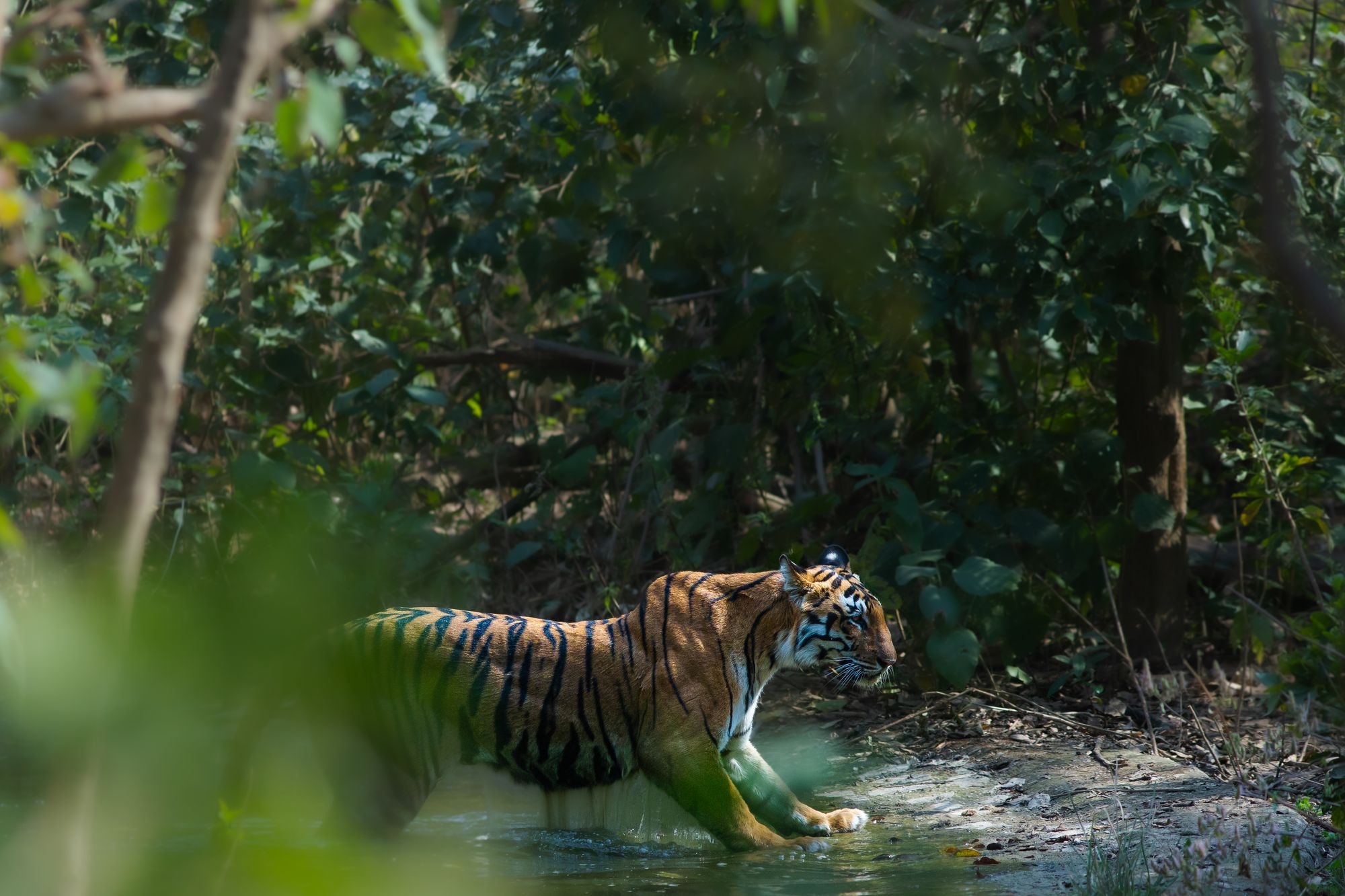
Ask ten people when to see tigers in Central India and most will say winter. The air is cool, the light is soft, and the lodges are at their most comfortable. It is a perfectly good time to travel. It is not, on its own, the best time to see tigers.
The reserves of Central India, among them Kanha, Bandhavgarh, Pench, Tadoba and Satpura, follow a season that runs broadly from the end of the monsoon to the arrival of the next one. How the forest behaves changes a great deal across those months, and so does what you are likely to experience.
There is no single best month. There is a best month for what you want from the journey.
Before anything else: the season and its dates
Core zones in Central India’s tiger reserves close for the monsoon and reopen after the rains, typically in October. The exact opening and closing dates, zone rules and permit systems are set by each state’s forest department and can change from year to year, so we confirm them for every journey rather than relying on last season’s calendar.
Some buffer zones stay open for longer. They can be rewarding, but they are not the same experience as the core, and we will always tell you plainly which one you are booking.
October and November: the forest reopens
The first weeks after the rains are green, lush and often beautiful. Grass is tall, water is everywhere and animals have no reason to concentrate in any one place. Tigers are present, of course, but the forest gives them a great deal of cover.
This is a lovely time for travellers who value the landscape itself, the birdlife and the feeling of a forest at its fullest. It is less forgiving for anyone whose single goal is a long, clear tiger sighting.
December to February: the classic winter window
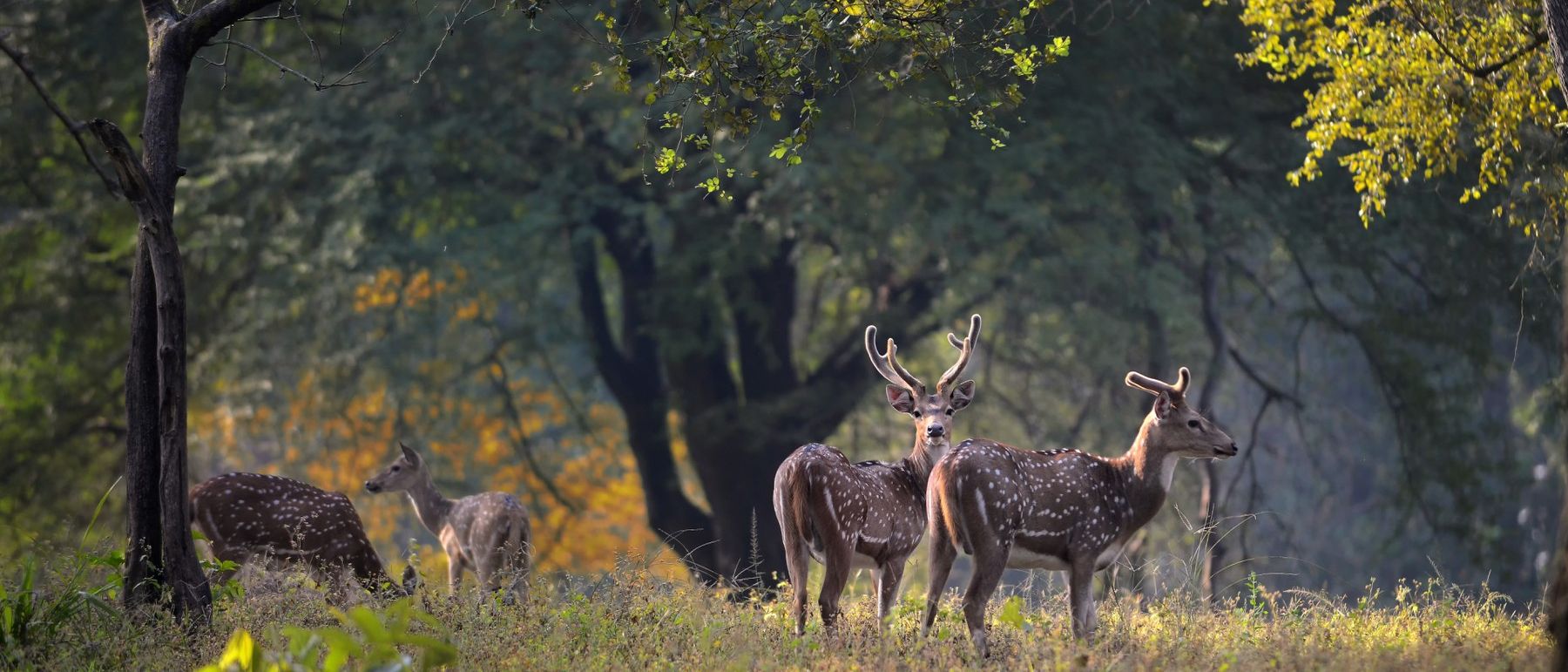
Winter is the season most people picture. Mornings are cold in an open vehicle and often misty, days are clear and comfortable, and the grass begins to thin as it dries. Sightings become more frequent as the forest opens up.
It is also the busiest period, particularly around the holidays, and the most popular zones fill quickly. Planning well ahead matters more in these months than at any other time of year.
March: the forest turns
By March the deciduous trees are shedding their leaves, the undergrowth has thinned and the forest takes on its dry-season colours of gold, rust and pale green. Visibility improves noticeably, and the mornings are still pleasant.
For many travellers March is the best balance in the season: comfortable enough to enjoy the whole day, and open enough to see into the forest.
April to June: heat, water and long sightings
This is the period experienced naturalists tend to talk about with the most enthusiasm, and the one first-time visitors are most often warned away from.
It is hot, often very hot by midday. But as natural water sources dry up, wildlife increasingly depends on the pools and streams that remain. The forest is at its most open, and animals, tigers included, are drawn to predictable places at predictable times of day.
That is why April and May can outperform the winter window for travellers who want time with tigers rather than a glimpse. The trade is comfort: early starts, long middays spent resting at the lodge, and heat that has to be planned around rather than ignored.
In the hot months the forest narrows its choices. A good naturalist reads where those choices lead.
So which month should you choose?
If you want comfort, cool mornings and a forest that looks its best, travel between December and February and plan early. If you want the best balance, consider March. If tigers are the reason for the journey and you can manage the heat, April and May deserve serious thought.
Whichever you choose, the season is only one part of the answer. Which reserve, which zones, how many drives and how much time you give each landscape will shape the journey just as much. No month guarantees a sighting, and we will never suggest that one does.
How we plan around the season
On a Safari Vista India journey the vehicle is yours alone, so the pace of each drive follows the forest rather than a shared schedule. Your naturalist plans around the season you have chosen: where water is holding, which areas are quiet, and when to wait rather than move on.
Tell us when you can travel and what matters most to you, and we will be honest about what that season is likely to offer.
Keep reading
All Journal articles
Planning14 min read
India or Africa: an honest comparison for second-time safari travellers
What India genuinely does better, and the three things Africa still wins on.
Planning2 min read
Dudhwa vs. Central India: which should your first India safari be?
Two very different forests, and how to decide which one actually suits you.
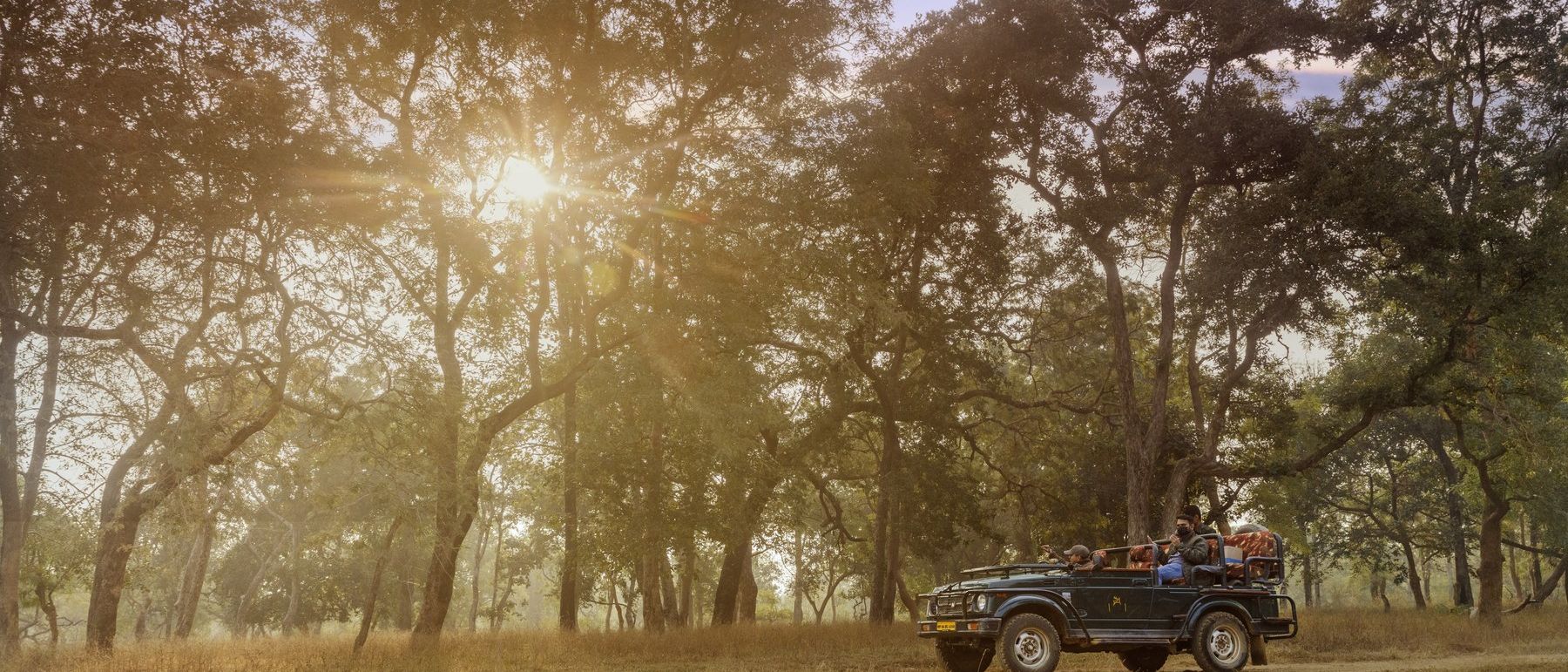 Photo: Bori Safari Lodge
Cost10 min read
What a private luxury safari in India actually costs
A straight breakdown of where the money goes, and why private vehicles change the maths.